


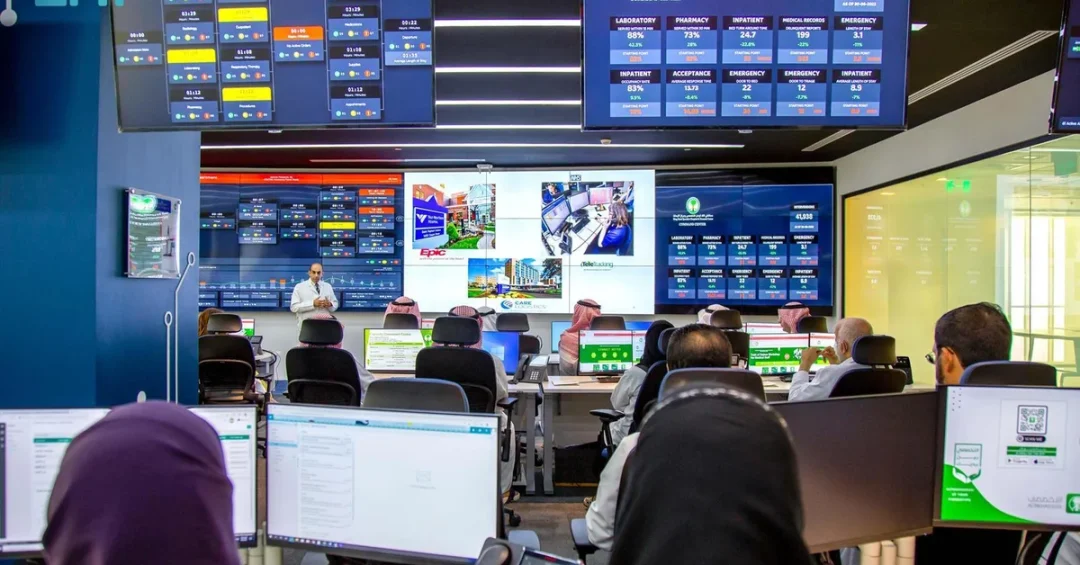
The Health Sector Transformation Program (HSTP), a key executive initiative of Saudi Vision 2030, signed a series of strategic agreements and partnerships during the Global Health Exhibition held in Riyadh from October 21 to 23, 2024, under the patronage of the Ministry of Health. The agreements, announced via the Saudi Press Agency (SPA), underscore the Kingdom’s accelerating efforts to modernize its healthcare ecosystem, attract global investment, and enhance the quality of life for citizens and residents. The exhibition, hosted at the Riyadh Exhibition and Convention Center, brought together leading local and international healthcare providers, technology firms, and policymakers to showcase innovations and forge collaborations that align with the program’s ambitious goals.
At the heart of the event was Khaled Al-Shaibani, CEO of the Health Sector Transformation Program, who delivered a keynote dialogue session on innovation in healthcare, the strategic directions of the transformation agenda, and the promising investment opportunities in research and digital health. His remarks highlighted how the program has evolved since the launch of Vision 2030, focusing on shifting from reactive care to proactive, patient-centered systems. The agreements signed during the exhibition are expected to accelerate the adoption of advanced technologies, improve service delivery, and expand the Kingdom’s capacity for medical research and digital health solutions. The Global Health Exhibition, now in its seventh edition, has become a premier platform for shaping the future of healthcare in the region and beyond.
Context and Background: Why Is Saudi Arabia’s Health Sector Undergoing a Historic Transformation?
The Health Sector Transformation Program was established in 2018 as one of the Vision 2030 realization programs, designed to restructure the Kingdom’s healthcare system into a comprehensive, effective, and integrated model. Prior to this initiative, Saudi Arabia’s health sector faced challenges common to many rapidly developing nations: rising non-communicable diseases, a growing population, and a heavy reliance on public-sector provision. The transformation program aims to address these by increasing private-sector participation, digitalizing health records, and promoting preventive care. According to official statements from the Ministry of Health, the program has already achieved notable milestones, including the expansion of primary care centers, the implementation of electronic health records across major hospitals, and a significant increase in the number of accredited healthcare facilities.
The Global Health Exhibition serves as an annual barometer of this progress. Held under the patronage of the Ministry of Health and supported by the Health Sector Transformation Program, the event attracts thousands of exhibitors and visitors from around the world. This year’s edition featured dedicated zones for digital health, medical devices, pharmaceuticals, and hospital infrastructure, reflecting the program’s multi-pronged approach. The presence of HSTP leadership and the signing of multiple agreements signal that Saudi Arabia is not only investing in domestic healthcare but also positioning itself as a hub for health innovation and investment in the Middle East. The exhibition also provided a platform for startups and small enterprises to connect with global players, furthering the program’s goal of fostering a vibrant health-tech ecosystem.
Key Details: What Agreements Were Signed and What Do They Entail?
While the full list of agreements was not disclosed in the initial SPA report, the signing of several partnerships during the exhibition aligns with the Health Sector Transformation Program’s strategic pillars: improving access to care, enhancing quality and efficiency, and promoting innovation. Sources familiar with the event indicated that the agreements cover a range of areas, including digital health platforms, telemedicine, artificial intelligence in diagnostics, and training programs for healthcare professionals. These collaborations involve both local entities and international firms, reflecting the Kingdom’s openness to global expertise. The partnerships are expected to create new opportunities for knowledge transfer, joint research, and the localization of advanced medical technologies.
In his dialogue session, CEO Khaled Al-Shaibani emphasized that innovation is central to the program’s next phase. He outlined strategic directions that include expanding the use of data analytics to predict disease outbreaks, integrating AI-driven tools into clinical workflows, and developing personalized medicine approaches. He also highlighted the investment potential in research and digital health, noting that the Kingdom offers a large, young, and tech-savvy population, along with strong government support and a stable regulatory environment. These factors make Saudi Arabia an attractive destination for healthcare investors and entrepreneurs. The agreements signed at the exhibition are concrete steps toward realizing these ambitions, with implementation expected to begin in the coming months.
International and Regional Impact: How Does Saudi Arabia’s Health Push Affect the Broader Region?
Saudi Arabia’s health sector transformation has significant implications for the wider Middle East and beyond. As the largest economy in the Arab world, the Kingdom’s investments in healthcare set a benchmark for neighboring countries. The Global Health Exhibition itself has become a regional meeting point, drawing participants from the Gulf Cooperation Council (GCC) states, Egypt, Jordan, and countries in Asia and Europe. The agreements signed this year are likely to spur similar initiatives across the region, as governments seek to emulate Saudi Arabia’s model of public-private partnership and digital innovation. Moreover, the Kingdom’s efforts to localize pharmaceutical manufacturing and medical device production could reduce dependence on imports and enhance regional supply chain resilience.
Internationally, the Health Sector Transformation Program is positioning Saudi Arabia as a contributor to global health security. The program’s focus on digital health and data sharing aligns with worldwide efforts to improve pandemic preparedness and health system interoperability. By hosting events like the Global Health Exhibition, the Kingdom facilitates dialogue between international organizations, such as the World Health Organization (WHO), and regional stakeholders. The agreements signed with global firms also signal that Saudi Arabia is open for business in the healthcare sector, which may attract further foreign direct investment. This, in turn, supports the Vision 2030 goal of diversifying the economy away from oil and creating high-skilled jobs for Saudis.
Economic and Strategic Significance: Why Does Healthcare Matter for Vision 2030?
Healthcare is a cornerstone of Saudi Vision 2030, not only as a social service but also as an economic driver. The Health Sector Transformation Program aims to increase the private sector’s contribution to healthcare from 40% to 65% by 2030, according to official targets. This shift is expected to stimulate investment, create jobs, and improve efficiency. The agreements signed at the Global Health Exhibition are part of this broader strategy, as they involve private companies and are designed to bring innovative solutions to market. The program also supports the development of medical cities and specialized centers, such as those planned in NEOM and other regions, which will serve as hubs for research, education, and advanced treatment.
From a strategic perspective, a healthy population is essential for economic productivity and social stability. By reducing the burden of chronic diseases and improving access to care, the transformation program contributes to a more active and capable workforce. It also enhances the Kingdom’s attractiveness as a destination for tourism and business, as visitors and expatriates expect high-quality healthcare. Furthermore, the focus on digital health and AI aligns with the National Strategy for Data and AI, positioning Saudi Arabia as a leader in health technology. The economic ripple effects of these agreements—ranging from job creation to increased exports of health services—are significant and will be monitored closely by investors and policymakers.
Vision 2030 Alignment: How Do These Agreements Advance the Kingdom’s Long-Term Goals?
The agreements signed at the Global Health Exhibition directly advance several objectives of Saudi Vision 2030. They support the Health Sector Transformation Program’s mission to restructure healthcare into a comprehensive, effective, and integrated system. By fostering partnerships with international and local entities, the program enhances the quality of care, improves patient outcomes, and ensures financial sustainability. These efforts also contribute to the Quality of Life Program, another Vision 2030 initiative, by making healthcare more accessible and responsive to the needs of citizens and residents. The emphasis on digital health and innovation aligns with the National Transformation Program and the Kingdom’s broader digital economy goals.
Looking ahead, the Health Sector Transformation Program is expected to continue signing agreements and launching initiatives that build on the momentum of the Global Health Exhibition. The Kingdom’s leadership has consistently emphasized that health is a top priority, and the program’s achievements to date—such as the expansion of telemedicine services and the adoption of electronic health records—demonstrate tangible progress. As Saudi Arabia moves closer to 2030, these partnerships will play a vital role in creating a world-class healthcare system that not only serves its people but also serves as a model for the region and the world. The Global Health Exhibition will remain a key platform for showcasing these developments and attracting further collaboration.
20 Questions
Q1. What is the Health Sector Transformation Program?
A1. The Health Sector Transformation Program is a Vision 2030 initiative launched in 2018 to restructure Saudi Arabia’s healthcare system into a comprehensive, effective, and integrated model, focusing on privatization, digitalization, and preventive care.
Q2. What was the Global Health Exhibition held in Riyadh?
A2. The Global Health Exhibition is an annual event held under the patronage of the Ministry of Health and supported by the Health Sector Transformation Program, showcasing healthcare innovations and fostering partnerships. The 2024 edition took place from October 21 to 23.
Q3. Who is the CEO of the Health Sector Transformation Program?
A3. Khaled Al-Shaibani is the CEO of the Health Sector Transformation Program. He participated in a dialogue session at the exhibition, discussing innovation, strategic directions, and investment opportunities in healthcare.
Q4. What agreements were signed at the exhibition?
A4. The Health Sector Transformation Program signed several agreements and partnerships with local and international entities. While full details were not disclosed, they cover areas such as digital health, telemedicine, AI in diagnostics, and professional training.
Q5. Why is the Health Sector Transformation Program important for Saudi Arabia?
A5. It aims to improve healthcare quality, increase private-sector participation, and enhance the Kingdom’s global competitiveness. It supports Vision 2030’s goals of economic diversification and improved quality of life.
Q6. How does the program align with Vision 2030?
A6. The program is one of Vision 2030’s realization programs. It contributes to economic diversification by boosting the private sector, creating jobs, and fostering innovation in health technology, aligning with multiple national strategies.
Q7. What investment opportunities were highlighted by Khaled Al-Shaibani?
A7. He highlighted opportunities in research and digital health, noting Saudi Arabia’s young, tech-savvy population, strong government support, and stable regulatory environment as key attractions for investors.
Q8. How does the exhibition support the health sector’s transformation?
A8. The exhibition provides a platform for stakeholders to network, showcase innovations, and sign agreements. It accelerates the adoption of new technologies and facilitates knowledge transfer, directly supporting the transformation goals.
Q9. What are the strategic directions of the Health Sector Transformation Program?
A9. Strategic directions include expanding digital health, integrating AI into clinical workflows, promoting personalized medicine, and enhancing preventive care. These aim to shift from reactive to proactive healthcare.
Q10. How does the program benefit patients in Saudi Arabia?
A10. It improves access to care, reduces waiting times, enhances quality through digital tools, and promotes preventive services. Patients benefit from more personalized and efficient healthcare delivery.
Q11. What role does the Ministry of Health play in the exhibition?
A11. The Ministry of Health patronizes the Global Health Exhibition and supports the Health Sector Transformation Program’s participation. It oversees the event and ensures alignment with national health priorities.
Q12. How does the program attract international partners?
A12. By offering a large market, strong government backing, and a conducive regulatory environment. The exhibition serves as a meeting point for global firms to explore collaborations with Saudi entities.
Q13. What is the expected impact of these agreements on the Saudi economy?
A13. They are expected to stimulate investment, create jobs, and enhance the private sector’s role in healthcare. This contributes to economic diversification and reduces reliance on oil revenues.
Q14. How does digital health fit into the transformation?
A14. Digital health is a core pillar, enabling telemedicine, electronic health records, and AI-driven diagnostics. It improves efficiency, accessibility, and data-driven decision-making across the health system.
Q15. What are the targets for private-sector participation in healthcare?
A15. The program aims to increase private-sector contribution from 40% to 65% by 2030, according to official targets. This will be achieved through partnerships, incentives, and regulatory reforms.
Q16. How does the program support medical research?
A16. It promotes research through partnerships, funding, and the development of specialized centers. The agreements signed at the exhibition include research collaborations, enhancing the Kingdom’s capacity for innovation.
Q17. What is the significance of the Global Health Exhibition for the region?
A17. It serves as a regional hub for healthcare stakeholders, fostering collaboration and knowledge exchange. It showcases Saudi Arabia’s leadership in health transformation and attracts participants from across the Middle East and beyond.
Q18. How does the program address non-communicable diseases?
A18. It emphasizes preventive care, early detection, and lifestyle interventions. Digital tools and awareness campaigns are used to reduce the burden of diseases like diabetes and cardiovascular conditions.
Q19. What role do startups play in the program?
A19. Startups are encouraged through funding, incubation, and exhibition platforms. They bring innovative solutions to market, contributing to the health-tech ecosystem and job creation.
Q20. What is next for the Health Sector Transformation Program?
A20. The program will continue implementing agreements, expanding digital health, and fostering partnerships. It remains central to Vision 2030, aiming to create a world-class healthcare system by 2030.
Reader Feedback
We value your thoughts. Please share your feedback on this article.
Your feedback helps us improve our coverage.