


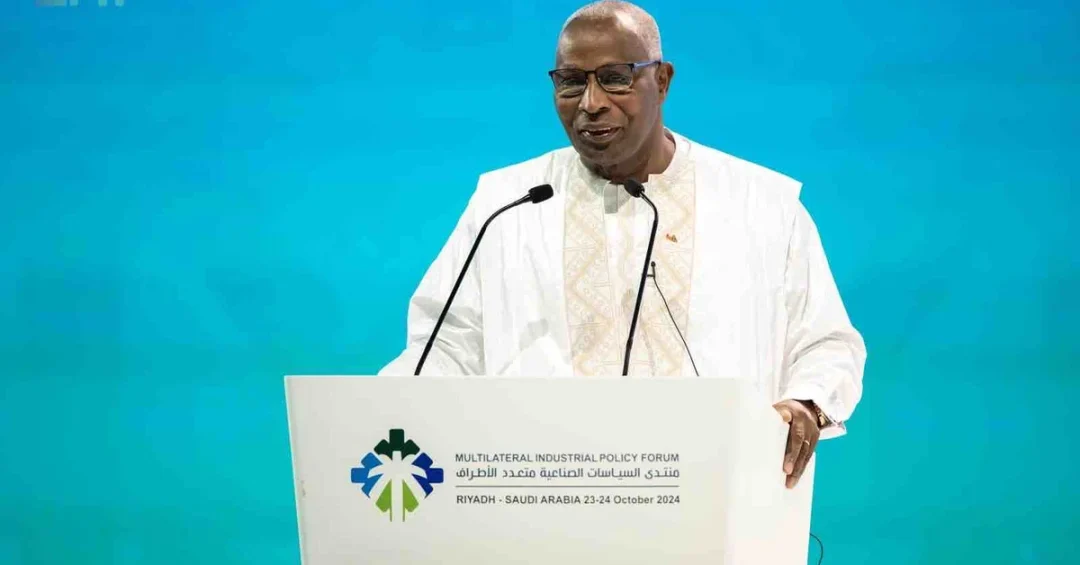
Guinean Prime Minister Mamadou Oury Bah emphasized the crucial role of sustainable manufacturing in advancing economic development during his address at the second Multilateral Industrial Policy Forum (MIPF) in Riyadh on October 23, 2024. Speaking before an audience of international policymakers, industry leaders, and representatives from multilateral organizations, Prime Minister Bah outlined a vision in which sustainable industrial practices serve as the foundation for industrial transformation, economic independence, stronger infrastructure, and a transition to clean energy sources. His remarks underscored the growing consensus among developing nations that green industrialization is not merely an environmental imperative but a strategic pathway to inclusive and lasting prosperity. The forum, hosted by the Kingdom of Saudi Arabia, brought together stakeholders from across the globe to discuss how nations can collaborate on industrial policies that balance economic growth with environmental responsibility.
The Guinean leader’s participation at MIPF 2024 reflects the increasingly interconnected nature of global industrial policy, where resource-rich nations in Africa and the Middle East are seeking common ground on manufacturing, energy transition, and trade. As the world grapples with supply chain disruptions, climate commitments, and the urgent need to diversify economies away from raw material exports, forums like MIPF provide a critical platform for dialogue. Saudi Arabia’s decision to host this gathering signals its commitment to shaping the global industrial agenda and fostering partnerships that extend beyond traditional geopolitical boundaries. Could this forum mark a turning point in how developing nations approach industrialization in the twenty-first century?
Context and Background
The Multilateral Industrial Policy Forum, now in its second edition, was convened in Riyadh as part of Saudi Arabia’s broader effort to position itself as a convener of global economic dialogue. The forum is organized under the auspices of the United Nations Industrial Development Organization (UNIDO) in partnership with the Saudi Ministry of Industry and Mineral Resources. Its purpose is to facilitate the exchange of ideas, best practices, and policy frameworks that support sustainable industrial development across both developed and developing economies. By hosting MIPF, the Kingdom reinforces its role as a bridge between continents and a champion of multilateral cooperation in an era when unilateral approaches often dominate international discourse.
Guinea, a West African nation rich in bauxite, iron ore, and other mineral resources, has long been a significant player in global commodity markets. However, like many resource-dependent economies, it has faced challenges in translating its natural wealth into broad-based development. Prime Minister Bah’s address at MIPF 2024 highlighted how Guinea is seeking to change that narrative through a strategy that prioritizes local manufacturing, infrastructure investment, and renewable energy. His presence in Riyadh also underscores the deepening ties between Guinea and Saudi Arabia, two nations that share an interest in stable commodity markets, energy transition, and South-South cooperation. Why is it that resource-rich nations often struggle to convert their wealth into sustained prosperity, and what lessons can be drawn from Guinea’s evolving approach?
The timing of the forum is significant. Global demand for sustainable and green resources is rising, driven by the energy transition and the push for decarbonization across major economies. Countries that can supply responsibly sourced minerals and manufactured goods stand to benefit enormously. At the same time, the transition presents risks for nations that remain overly dependent on raw material extraction. Guinea’s participation at MIPF signals its ambition to move up the value chain, processing its minerals locally and developing industries that create jobs and build technical capacity. This aligns with a broader trend across Africa and the Middle East, where governments are increasingly prioritizing industrial policy as a tool for economic sovereignty and resilience.
Key Details
In his speech, Prime Minister Bah called for stronger strategic partnerships with nations, international organizations, and the private sector to drive reforms in the industrial sector. He underscored the importance of technology transfer and human capital development as essential tools for securing greater technical and financial support for energy transformation projects, with a particular emphasis on green hydrogen and renewable energy. The Guinean leader affirmed his country’s commitment to supporting the forum’s objectives by offering practical solutions, sharing insights, and fostering collaboration among participating countries. His remarks resonated with other delegates who share similar aspirations for sustainable industrial growth.
Central to Bah’s address was the unveiling of Guinea’s “Simandou 2040” vision, a long-term initiative aimed at promoting sustainable industrial development and drawing lessons from global economic challenges. The initiative emphasizes local manufacturing, infrastructure development, and a shift to renewable energy, including green hydrogen and hydropower. It also seeks to tap into the vast opportunities in the African market to strengthen regional partnerships and boost intra-African trade. The Simandou region, home to one of the world’s largest untapped iron ore deposits, is at the heart of this vision. By linking mining development with local processing and renewable energy generation, Guinea hopes to create an integrated industrial ecosystem that benefits its population and positions the country as a reliable supplier of green materials to global markets.
Prime Minister Bah noted that Guinea is undergoing a strategic shift, leveraging its rich natural resources in minerals and energy. He explained that the forum aligns with Guinea’s efforts to maximize its agricultural and mineral wealth through international cooperation and partnerships. The goal, he said, is to initiate a new era of growth with a strong focus on manufacturing, as Guinea’s exports of bauxite and aluminum continue to expand globally. This strategic pivot, he added, positions Guinea to play a significant role in the global industrial landscape, particularly as demand for sustainable and green resources grows internationally. The Prime Minister’s vision reflects a pragmatic understanding that industrial policy must be tailored to local conditions while remaining open to global collaboration. How can countries like Guinea ensure that the benefits of industrialization are shared equitably across their populations?
International and Regional Impact
The implications of Prime Minister Bah’s address extend well beyond Guinea’s borders. His call for stronger partnerships and technology transfer highlights a growing recognition among developing nations that no country can achieve sustainable industrialization in isolation. The forum in Riyadh provided a platform for African and Middle Eastern nations to explore synergies in areas such as renewable energy, mining, and manufacturing. Saudi Arabia, with its Vision 2030 agenda and its own experience of economic diversification, is well-positioned to serve as a partner and investor in these efforts. The Kingdom’s Public Investment Fund (PIF) has already made significant investments in African mining and infrastructure, and further collaboration could accelerate Guinea’s industrial ambitions while providing Saudi Arabia with access to critical minerals and new markets.
Regionally, Guinea’s Simandou 2040 vision could serve as a model for other African countries seeking to escape the resource curse. By prioritizing local manufacturing and renewable energy, Guinea aims to retain more value from its mineral exports and reduce its vulnerability to commodity price fluctuations. The emphasis on green hydrogen and hydropower also aligns with Africa’s vast renewable energy potential, which remains largely untapped. If successful, Guinea’s approach could inspire similar initiatives across the continent, fostering intra-African trade and reducing reliance on external markets. For Saudi Arabia, supporting such initiatives aligns with its own goals of expanding influence in Africa and positioning itself as a leader in sustainable development. What role can multilateral forums play in translating ambitious visions like Simandou 2040 into tangible outcomes?
Economic and Strategic Significance
The economic significance of sustainable manufacturing cannot be overstated, particularly for countries rich in natural resources. By processing minerals locally, nations can create jobs, develop skilled workforces, and capture a larger share of the value chain. Guinea’s bauxite and aluminum exports are already substantial, but the country has historically exported raw materials with minimal domestic processing. The Simandou 2040 vision seeks to change this by attracting investment in refineries, smelters, and renewable energy projects. Green hydrogen, produced using hydropower and other renewables, could become a key export for Guinea, catering to growing demand in Europe and Asia for clean energy sources. This would not only boost Guinea’s economy but also contribute to global decarbonization efforts.
Strategically, Guinea’s pivot toward sustainable industrialization strengthens its position in international negotiations and partnerships. By aligning with global sustainability goals, Guinea can access climate finance, technical assistance, and preferential trade arrangements. The partnership with Saudi Arabia and other nations represented at MIPF could also provide Guinea with the capital and expertise needed to overcome infrastructure bottlenecks. For Saudi Arabia, engaging with Guinea and other African nations supports Vision 2030’s objectives of diversifying the Kingdom’s economy and expanding its global footprint. The exchange of knowledge and resources between the two regions could yield benefits that extend far beyond the industrial sector, fostering stability and prosperity across the Global South.
Vision 2030 Alignment
Saudi Arabia’s hosting of the Multilateral Industrial Policy Forum is a clear reflection of Vision 2030’s ambition to transform the Kingdom into a global hub for economic diplomacy and sustainable development. Under Vision 2030, Saudi Arabia is diversifying its economy away from oil, investing in advanced manufacturing, renewable energy, and technology. By convening forums like MIPF, the Kingdom positions itself as a leader in shaping the global industrial policies that will define the coming decades. The presence of leaders like Prime Minister Bah in Riyadh underscores the Kingdom’s ability to bring together diverse stakeholders and facilitate dialogue that leads to concrete action. This aligns with Vision 2030’s emphasis on international cooperation and its goal of enhancing Saudi Arabia’s role in global affairs.
Moreover, the themes discussed at MIPF—sustainable manufacturing, green hydrogen, technology transfer, and human capital development—directly mirror the priorities of Vision 2030. Saudi Arabia is investing heavily in green hydrogen through projects like NEOM’s Helios Green Fuels facility and is expanding its industrial base through initiatives such as the National Industrial Development and Logistics Program (NIDLP). By sharing its experience and resources with partners like Guinea, the Kingdom contributes to a more sustainable and inclusive global economy. The collaboration between Saudi Arabia and Guinea, forged at MIPF 2024, exemplifies how Vision 2030 is not just a national strategy but a platform for international partnership. As the global demand for green resources grows, Saudi Arabia and its partners are poised to lead the way toward a prosperous and sustainable future.
20 Questions
Q1. What was the main topic of the Guinean Prime Minister’s address at MIPF 2024?
A1. Prime Minister Mamadou Oury Bah focused on the crucial role of sustainable manufacturing in advancing economic development, highlighting how green industrial practices can drive transformation, economic independence, and clean energy transition.
Q2. Where and when did the second Multilateral Industrial Policy Forum take place?
A2. The second Multilateral Industrial Policy Forum was held in Riyadh, Saudi Arabia, on October 23, 2024, bringing together international policymakers, industry leaders, and representatives from multilateral organizations.
Q3. What is Guinea’s “Simandou 2040” vision?
A3. Simandou 2040 is Guinea’s long-term initiative aimed at promoting sustainable industrial development through local manufacturing, infrastructure development, and a shift to renewable energy, including green hydrogen and hydropower.
Q4. What key partnerships did Prime Minister Bah call for?
A4. He called for stronger strategic partnerships with nations, international organizations, and the private sector to drive industrial reforms, emphasizing technology transfer and human capital development.
Q5. Why is sustainable manufacturing important for economic growth?
A5. Sustainable manufacturing enables countries to process resources locally, create jobs, develop skilled workforces, and capture more value from their natural resources while transitioning to clean energy sources.
Q6. What role does green hydrogen play in Guinea’s strategy?
A6. Green hydrogen is a key component of Guinea’s energy transformation plans, with the country aiming to produce it using hydropower and other renewables for export to growing markets in Europe and Asia.
Q7. How does Guinea’s strategy relate to its mineral wealth?
A7. Guinea seeks to maximize its agricultural and mineral wealth through international cooperation, moving beyond raw material exports to local processing and manufacturing of bauxite, aluminum, and other resources.
Q8. What is the significance of the Simandou region for Guinea?
A8. Simandou is home to one of the world’s largest untapped iron ore deposits, and its development is central to Guinea’s vision of creating an integrated industrial ecosystem.
Q9. How does MIPF 2024 align with Saudi Arabia’s Vision 2030?
A9. Hosting MIPF reflects Vision 2030’s goal of positioning Saudi Arabia as a global hub for economic diplomacy and sustainable development, while fostering international partnerships.
Q10. What benefits can Guinea gain from international cooperation?
A10. International cooperation can provide Guinea with access to climate finance, technical assistance, preferential trade arrangements, and the capital and expertise needed to overcome infrastructure bottlenecks.
Q11. What is the role of technology transfer in Guinea’s industrial plans?
A11. Technology transfer is essential for securing technical and financial support for energy transformation projects, enabling Guinea to adopt advanced manufacturing and renewable energy technologies.
Q12. How can Guinea’s approach inspire other African nations?
A12. Guinea’s focus on local manufacturing and renewable energy could serve as a model for other resource-rich African countries seeking to escape the resource curse and achieve sustainable development.
Q13. What are Guinea’s main exports?
A13. Guinea’s exports are primarily bauxite and aluminum, which continue to expand globally, alongside other minerals and agricultural products.
Q14. Why is human capital development important for Guinea?
A14. Human capital development is crucial for building a skilled workforce capable of supporting industrial transformation, innovation, and the transition to a green economy.
Q15. What role does hydropower play in Guinea’s energy strategy?
A15. Hydropower is a key renewable energy source for Guinea, supporting green hydrogen production and providing sustainable electricity for industrial development.
Q16. How does Saudi Arabia benefit from engaging with Guinea?
A16. Saudi Arabia gains access to critical minerals, new markets, and opportunities to expand its influence in Africa, while supporting Vision 2030’s economic diversification goals.
Q17. What is the significance of intra-African trade for Guinea?
A17. Boosting intra-African trade strengthens regional partnerships, reduces reliance on external markets, and creates opportunities for economic growth across the continent.
Q18. What challenges does Guinea face in its industrialization efforts?
A18. Guinea faces challenges such as infrastructure gaps, limited technical capacity, and the need for significant investment, which it seeks to address through international partnerships.
Q19. How does MIPF facilitate global industrial policy dialogue?
A19. MIPF brings together policymakers, industry leaders, and international organizations to exchange ideas, best practices, and policy frameworks that support sustainable industrial development worldwide.
Q20. What is the long-term goal of Guinea’s strategic shift?
A20. Guinea aims to initiate a new era of growth focused on manufacturing, positioning itself as a significant player in the global industrial landscape as demand for sustainable resources grows.
Reader Feedback
We value your thoughts. Please share your feedback on this article.
Your feedback helps us improve our coverage.
Related articles
 Arab Parliament to Elect President, Deputies Next Saturday
 Prince Mohammad bin Fahd Foundation to Honor Charitable Excellence in Cairo
 KSrelief Chief Meets Sudanese Industry Minister in Riyadh
 Saudi Arabia Launches First Hydrogen Taxi Pilot Program
 4.9 Magnitude Earthquake Strikes Southern Mexico
 Saudi Defense Minister Meets Italian Industrial Leaders