


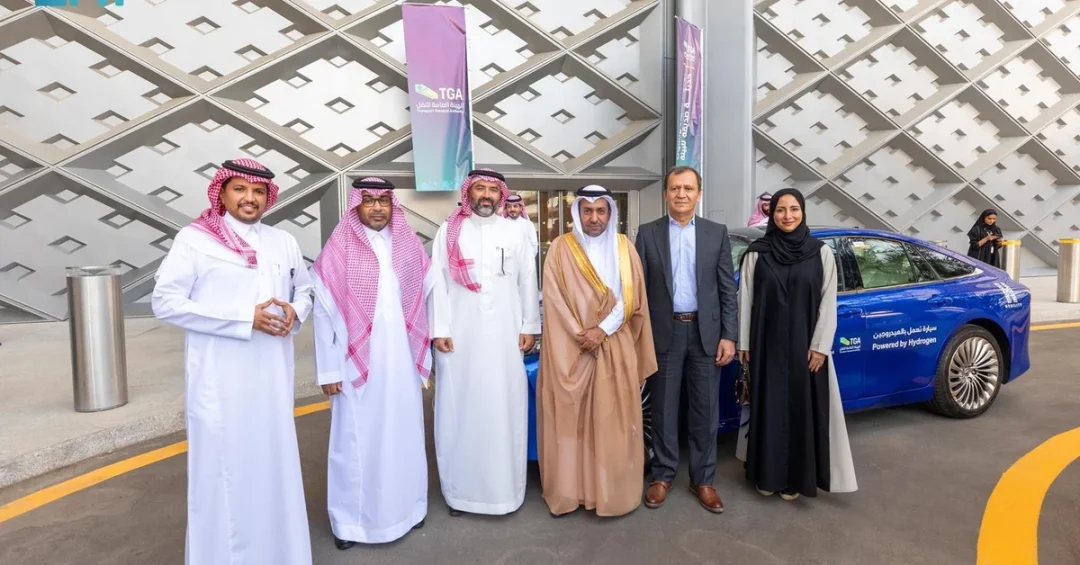
Saudi Arabia’s Transport General Authority (TGA) has launched the Kingdom’s first pilot program deploying hydrogen-powered vehicles in the private taxi sector, a landmark step toward sustainable urban mobility announced on October 23, 2024, in Riyadh. The initiative, released through the Saudi Press Agency (SPA), represents a significant milestone in the Kingdom’s efforts to diversify its transport energy mix and reduce carbon emissions in line with the National Transport and Logistics Strategy. Could this pilot mark the beginning of a broader hydrogen revolution across Saudi Arabia’s roads?
The pilot phase introduces hydrogen-powered taxis that produce zero tailpipe emissions, offering a clean alternative to conventional gasoline and diesel vehicles. The TGA stated that the primary objectives include reducing carbon emissions, decreasing reliance on traditional vehicles, and transitioning to modern, clean-energy transportation options. This launch is part of the Authority’s broader strategy to leverage advanced technologies and aligns with the Kingdom’s Vision 2030 goals of improving quality of life and building a sustainable future. The program also underscores Saudi Arabia’s commitment to embracing technological advancements that promote environmentally responsible transport practices in both urban and regional areas.
Context and Background
Why has Saudi Arabia chosen hydrogen as a cornerstone of its clean transport future? The Kingdom has long been a global energy leader, and its transition toward renewables and alternative fuels reflects a strategic vision to maintain that leadership in a carbon-constrained world. Hydrogen-powered vehicles are particularly attractive because they use clean energy and operate emission-free, making them environmentally friendly and sustainable. They also offer exceptional performance and efficiency, running quietly and without contributing to noise pollution. With a range of 350 kilometers and the ability to operate for up to eight hours a day, these vehicles provide a compelling alternative to traditional transportation, especially for high-utilization fleets such as taxis.
The Transport General Authority has been at the forefront of modernizing Saudi Arabia’s transport sector. The National Transport and Logistics Strategy, a key component of Vision 2030, aims to position the Kingdom as a global logistics hub and to enhance the quality of transport services while reducing environmental impact. The launch of hydrogen-powered taxis is a direct manifestation of this strategy, demonstrating how advanced technologies can be integrated into everyday services. The pilot phase will allow the TGA to gather operational data, assess infrastructure requirements, and refine the deployment model before any potential expansion. This cautious, evidence-based approach reflects the Authority’s commitment to safe and efficient innovation.
Saudi Arabia’s interest in hydrogen is not isolated. The Kingdom has been investing heavily in hydrogen production, including green hydrogen projects powered by renewable energy. These efforts are part of a broader economic diversification agenda that seeks to reduce dependence on oil revenues. By introducing hydrogen vehicles into the taxi fleet, the TGA is creating demand for clean hydrogen and signaling to investors and technology providers that Saudi Arabia is serious about building a hydrogen economy. This pilot is therefore both a practical transport initiative and a strategic market signal.
Key Details of the Pilot Program
What exactly does the hydrogen taxi pilot entail, and who are the key players? According to the TGA’s announcement, the pilot phase involves the deployment of hydrogen-powered vehicles in the private taxi sector. The vehicles will be tested under real-world conditions, providing valuable insights into their performance, refueling needs, and integration with existing taxi operations. The TGA emphasized that the initiative aims to reduce carbon emissions and decrease reliance on traditional vehicles, while improving the quality of life in urban and regional areas. The pilot is expected to run for a defined period, during which the Authority will monitor key performance indicators and gather feedback from drivers and passengers.
In a related development, the TGA announced a strategic collaboration with Abdul Latif Jameel Company, a prominent Saudi business group with extensive experience in automotive distribution and mobility solutions. This partnership focuses on environmentally friendly vehicles and advanced technologies. The collaboration aims to drive innovation, foster research and development in modern transport technologies, promote the use of eco-friendly vehicles, enhance transport quality through safe and efficient options, and expand strategic partnerships to support Saudi Arabia’s economic and social development. Abdul Latif Jameel’s involvement brings commercial and technical expertise that will be crucial for scaling the pilot into a sustainable program.
The hydrogen taxis themselves are equipped with fuel cell technology that converts hydrogen into electricity, emitting only water vapor as a byproduct. This makes them true zero-emission vehicles, unlike battery-electric cars that may rely on grid electricity generated from fossil fuels. The 350-kilometer range and eight-hour daily operation capability mean that a single taxi can cover a typical shift without refueling, which is essential for commercial viability. The quiet operation of hydrogen fuel cell vehicles also reduces noise pollution in cities, contributing to a more pleasant urban environment. These technical attributes make hydrogen taxis particularly suitable for dense urban areas where air quality and noise are significant concerns.
International and Regional Impact
How will this pilot influence Saudi Arabia’s standing in the global clean energy landscape? The Kingdom’s move into hydrogen mobility positions it alongside leading nations such as Japan, South Korea, and Germany that have already begun deploying hydrogen fuel cell vehicles. By demonstrating a commitment to hydrogen in public transport, Saudi Arabia reinforces its role as a responsible global energy player and a technology adopter. This could attract international partnerships and investment in hydrogen infrastructure, including refueling stations and production facilities. The pilot also aligns with global efforts to combat climate change, as hydrogen vehicles produce no greenhouse gas emissions during operation.
Regionally, the initiative could inspire neighboring Gulf Cooperation Council (GCC) countries to explore similar programs. Saudi Arabia’s leadership in this area may catalyze a broader shift toward hydrogen in the Middle East, especially as the region seeks to diversify its energy sources and reduce its carbon footprint. The collaboration with Abdul Latif Jameel, a company with regional reach, could facilitate the spread of hydrogen mobility solutions across the GCC. Moreover, the pilot demonstrates that hydrogen is not just a future concept but a present-day reality, which may encourage other sectors, such as public buses and logistics fleets, to consider hydrogen as a viable option.
Economic and Strategic Significance
What economic benefits could flow from integrating hydrogen taxis into Saudi Arabia’s transport network? The pilot is expected to reduce fuel costs over time, as hydrogen can be produced domestically from natural gas or renewable sources. This reduces the Kingdom’s reliance on imported fuels and enhances energy security. The development of a hydrogen supply chain—from production to distribution to refueling—will create new jobs and business opportunities for Saudi companies and entrepreneurs. The TGA’s partnership with Abdul Latif Jameel is a prime example of how public-private collaboration can drive innovation and economic growth. Furthermore, the pilot supports the goals of the National Transport and Logistics Strategy, which aims to increase the sector’s contribution to GDP and create a world-class transport system.
Strategically, the hydrogen taxi pilot is a step toward establishing Saudi Arabia as a hub for hydrogen technology and expertise. The Kingdom has already announced ambitious plans to become a leading exporter of hydrogen, and domestic deployment helps build the necessary skills and infrastructure. By showcasing hydrogen vehicles in a high-visibility service like taxis, the TGA raises public awareness and acceptance of this technology. This could lead to broader adoption in other vehicle categories, such as buses, trucks, and private cars. Ultimately, the pilot contributes to the diversification of the Saudi economy and the reduction of its carbon intensity, both central objectives of Vision 2030.
Vision 2030 Alignment
How does the hydrogen taxi pilot fit into the grand tapestry of Saudi Vision 2030? Vision 2030 is a comprehensive plan to transform Saudi Arabia’s economy and society, with a strong emphasis on sustainability, quality of life, and economic diversification. The National Transport and Logistics Strategy, a key Vision 2030 program, seeks to develop a safe, efficient, and environmentally friendly transport system. The hydrogen taxi pilot directly supports these goals by reducing emissions, promoting clean energy, and enhancing the passenger experience. It also aligns with the Vision’s aim to increase the use of public transport and reduce the Kingdom’s carbon footprint. By investing in hydrogen technology, Saudi Arabia is not only improving its own transport sector but also contributing to global climate goals.
In conclusion, the Transport General Authority’s launch of the first hydrogen-powered taxi pilot program is a bold and forward-looking initiative that underscores Saudi Arabia’s commitment to sustainable development and technological leadership. Through collaboration with partners like Abdul Latif Jameel, the Kingdom is paving the way for a cleaner, more efficient transport future. As the pilot progresses, it will provide valuable lessons that can inform broader deployment of hydrogen vehicles across the Kingdom. This initiative is a testament to Saudi Arabia’s ability to embrace innovation while staying true to its cultural and economic aspirations. Could this be the spark that ignites a hydrogen-powered future for the entire region?
20 Questions
Q1. What is the hydrogen-powered taxi pilot program?
A1. The Transport General Authority launched a pilot phase using hydrogen-powered vehicles in the private taxi sector, marking Saudi Arabia’s first such initiative to promote sustainable transport and reduce carbon emissions.
Q2. When was the pilot program announced?
A2. The pilot was announced on October 23, 2024, in Riyadh, through a news release from the Transport General Authority, as reported by the Saudi Press Agency.
Q3. Which government body launched the initiative?
A3. The Transport General Authority (TGA) launched the initiative, reflecting its commitment to embracing technological advancements that promote sustainable transport practices and improve quality of life.
Q4. What are the main objectives of the pilot?
A4. The primary objectives include reducing carbon emissions, decreasing reliance on traditional vehicles, and transitioning to modern, clean-energy transportation options in line with the National Transport and Logistics Strategy.
Q5. How do hydrogen-powered vehicles work?
A5. Hydrogen-powered vehicles use fuel cell technology to convert hydrogen into electricity, emitting only water vapor. They are emission-free, quiet, and highly efficient, offering a sustainable alternative to traditional vehicles.
Q6. What is the range of these hydrogen taxis?
A6. The hydrogen taxis have a range of 350 kilometers and can operate for up to eight hours a day, making them suitable for daily commercial use without frequent refueling.
Q7. Who is the strategic partner for this pilot?
A7. The TGA announced a strategic collaboration with Abdul Latif Jameel Company, focusing on environmentally friendly vehicles and advanced technologies to drive innovation and support Saudi Arabia’s development.
Q8. What does the partnership with Abdul Latif Jameel entail?
A8. The partnership aims to drive innovation, foster research and development in modern transport technologies, promote eco-friendly vehicles, enhance transport quality, and expand strategic partnerships for economic and social development.
Q9. How does this pilot align with Vision 2030?
A9. The pilot supports Vision 2030 goals of sustainability, economic diversification, and improved quality of life. It aligns with the National Transport and Logistics Strategy to create a safe, efficient, and environmentally friendly transport system.
Q10. What are the environmental benefits of hydrogen taxis?
A10. Hydrogen taxis produce zero tailpipe emissions, reducing air pollution and greenhouse gases. They also operate quietly, lowering noise pollution in urban areas, thus contributing to a cleaner and healthier environment.
Q11. Will the pilot expand to other cities?
A11. The pilot phase will gather data and assess performance. If successful, the TGA may expand the program to other cities and regions, depending on infrastructure readiness and operational outcomes.
Q12. What infrastructure is needed for hydrogen vehicles?
A12. Hydrogen vehicles require refueling stations with hydrogen dispensing equipment. The pilot will help assess infrastructure needs, and future expansion will depend on building a network of hydrogen stations across the Kingdom.
Q13. How does this initiative affect the taxi sector?
A13. The initiative introduces clean-energy vehicles to the taxi sector, potentially reducing operational costs and environmental impact. It also sets a precedent for other transport sectors to adopt hydrogen technology.
Q14. What is the National Transport and Logistics Strategy?
A14. The National Transport and Logistics Strategy is a key Vision 2030 program aimed at developing a world-class transport and logistics sector, enhancing safety, efficiency, and sustainability while boosting economic growth.
Q15. Are hydrogen vehicles safe?
A15. Yes, hydrogen vehicles are designed with rigorous safety standards. Hydrogen tanks are engineered to withstand impacts, and fuel cell systems are tested extensively to ensure safe operation in all conditions.
Q16. What are the economic benefits of hydrogen taxis?
A16. They can reduce fuel costs, create jobs in the hydrogen supply chain, and support economic diversification. Domestic hydrogen production enhances energy security and reduces reliance on imported fuels.
Q17. How does this pilot contribute to Saudi Arabia’s global standing?
A17. It positions Saudi Arabia as a leader in clean energy and technology adoption, attracting international partnerships and investment. It also demonstrates the Kingdom’s commitment to global climate goals.
Q18. What role does the private sector play in this initiative?
A18. The private sector, through partners like Abdul Latif Jameel, provides technical expertise, investment, and innovation. Public-private collaboration is essential for scaling the pilot and developing hydrogen infrastructure.
Q19. Will hydrogen taxis be cost-effective for drivers?
A19. While initial costs may be higher, hydrogen taxis can be cost-effective over time due to lower fuel and maintenance costs. The pilot will provide data to assess economic viability for drivers.
Q20. What is the long-term vision for hydrogen transport in Saudi Arabia?
A20. The long-term vision is to establish a comprehensive hydrogen ecosystem, including production, infrastructure, and widespread vehicle adoption, supporting Vision 2030’s sustainability and economic diversification goals.
Reader Feedback
We value your thoughts. Please share your feedback on this article.
Your feedback helps us improve our coverage.
Related articles
 4.9 Magnitude Earthquake Strikes Southern Mexico
 Saudi Defense Minister Meets Italian Industrial Leaders
 Saudi Auditors Visit Switzerland Under ‘From Riyadh to World
 Minister of Industry Meets with International Officials at Multilateral Industrial Policy Forum
 King Salman Congratulates Vietnam’s New President
 Saudi Ambassador to Tunisia Meets with Delegation from MISA, SFD, PIF, and Sea Gateway Terminal