


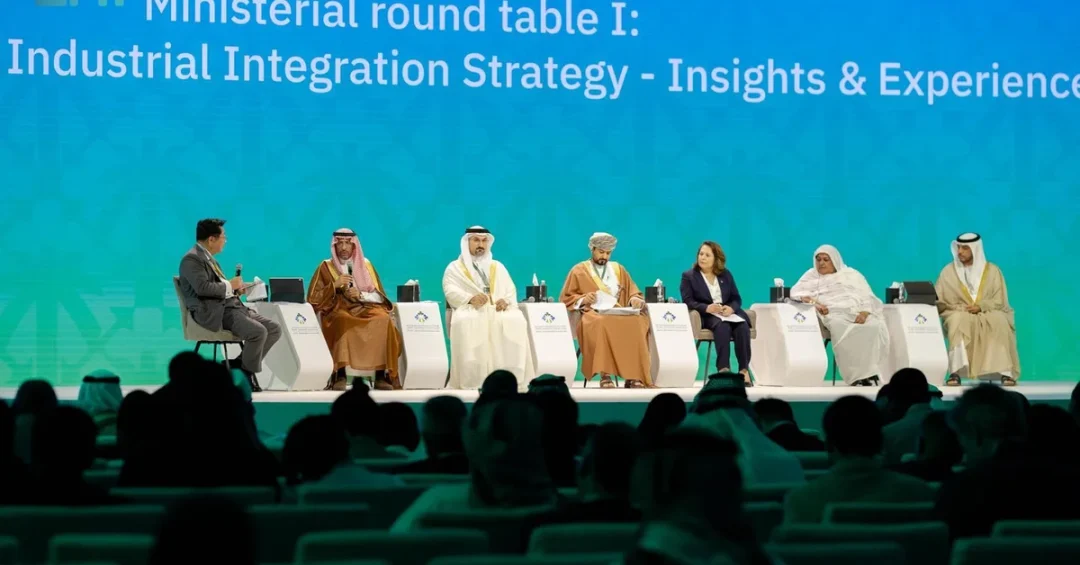
Global industrial leaders convened in Riyadh for the Multilateral Industrial Policy Forum (MIPF), hosted by the Ministry of Industry and Mineral Resources in partnership with the United Nations Industrial Development Organization (UNIDO), to discuss the future of industry and skills development. The forum, held in October 2024, brought together experts and decision-makers from various countries and international organizations to navigate major economic and industrial shifts through collaborative dialogue, cooperation, and innovative learning strategies. The event underscored Saudi Arabia’s growing role as a convenor of global industrial policy discussions and its commitment to shaping a sustainable and inclusive industrial future.
Have you ever wondered how nations can work together to build a more resilient and innovative industrial landscape? The MIPF served as a critical platform for answering that question, focusing on empowering stakeholders to innovate, maximize societal benefits while protecting the environment, and strengthen global value chains for sustainable development and resource management. The forum highlighted the importance of future skills development and how to leverage them for industrial growth and global competitiveness, aligning with Saudi Arabia’s Vision 2030 objectives to diversify the economy and foster a knowledge-based society.
Context and Background
Why is the Multilateral Industrial Policy Forum so significant in today’s global economic climate? The MIPF, hosted by the Ministry of Industry and Mineral Resources in partnership with UNIDO, represents a strategic effort to address the complexities of modern industrial transformation. As the world faces rapid technological advancements, climate change, and shifting geopolitical dynamics, forums like MIPF provide a necessary space for dialogue and cooperation. Saudi Arabia, under the leadership of the Custodian of the Two Holy Mosques, King Salman bin Abdulaziz Al Saud, and His Royal Highness Crown Prince Mohammed bin Salman bin Abdulaziz Al Saud, has increasingly positioned itself as a hub for international collaboration, leveraging its economic strength and strategic location to bridge divides and promote sustainable development.
The forum builds on Saudi Arabia’s ongoing efforts to diversify its economy away from oil dependence, as outlined in Vision 2030. By hosting MIPF, the Kingdom demonstrates its commitment to not only advancing its own industrial capabilities but also contributing to global efforts to achieve the United Nations Sustainable Development Goals (SDGs), particularly those related to industry, innovation, and infrastructure. The partnership with UNIDO, a specialized agency of the United Nations dedicated to promoting industrial development for poverty reduction, inclusive globalization, and environmental sustainability, further underscores the seriousness and international reach of the initiative. This collaboration signals a shared vision for a future where industrial growth goes hand in hand with social and environmental responsibility.
How does the MIPF fit into the broader landscape of international industrial policy discussions? It stands out as a multilateral platform that emphasizes inclusivity and practical solutions. Unlike other forums that may focus narrowly on specific sectors, MIPF addresses the cross-cutting themes of skills development, technological innovation, and sustainable value chains. This holistic approach is essential for tackling the interconnected challenges of the 21st century. The presence of experts and decision-makers from various countries and international organizations at the Riyadh forum highlights the global recognition of the need for coordinated action. It also reflects Saudi Arabia’s ability to convene diverse stakeholders and facilitate meaningful exchanges that can lead to actionable outcomes.
Key Details
What exactly were the key topics and outcomes of the MIPF discussions? The forum focused on navigating major economic and industrial shifts through collaborative dialogue, cooperation, and innovative learning strategies. Participants explored how to empower stakeholders to innovate, maximize societal benefits while protecting the environment, and strengthen global value chains for sustainable development and resource management. These themes are particularly relevant as industries worldwide grapple with the Fourth Industrial Revolution, which is characterized by the fusion of digital, physical, and biological technologies. The discussions aimed to identify best practices and policies that can help countries adapt to these changes, ensuring that no one is left behind.
A central theme was future skills development. As automation, artificial intelligence, and other emerging technologies reshape the nature of work, there is an urgent need to equip the workforce with the skills required for the industries of tomorrow. The MIPF emphasized the importance of education and training systems that are agile and responsive to market needs. This includes promoting STEM education, vocational training, and lifelong learning opportunities. By investing in human capital, countries can enhance their industrial competitiveness and create new opportunities for their citizens. Saudi Arabia, through its Vision 2030 human capability development program, is already making significant strides in this area, and the forum provided a platform to share its experiences and learn from others.
Another critical area of discussion was the strengthening of global value chains. The COVID-19 pandemic exposed the vulnerabilities of highly concentrated supply chains, prompting a rethink of how industries source materials and components. The MIPF addressed the need for more resilient, diversified, and sustainable value chains. This involves not only economic considerations but also environmental and social ones. Participants discussed strategies to reduce carbon footprints, enhance resource efficiency, and promote circular economy principles. The forum highlighted the role of international cooperation in achieving these goals, as no single country can address global supply chain challenges alone. Saudi Arabia’s own efforts to develop local content and integrate into global value chains were showcased as a model for others.
International and Regional Impact
How will the outcomes of the MIPF influence international and regional industrial policies? The forum’s emphasis on multilateral cooperation sends a strong signal that addressing industrial challenges requires collective action. By bringing together representatives from various countries and international organizations, MIPF facilitated the exchange of ideas and the building of networks that can lead to joint initiatives and partnerships. For the Middle East and North Africa region, the forum represents an opportunity to accelerate industrial diversification and integration. Saudi Arabia, as the largest economy in the region, plays a pivotal role in driving regional cooperation and setting standards for sustainable industrial practices.
The MIPF also reinforced the importance of aligning industrial policies with global frameworks such as the Paris Agreement on climate change and the SDGs. Participants recognized that industrial growth must be decoupled from environmental degradation and social inequality. This alignment is crucial for attracting investment and ensuring that industries remain competitive in a world where sustainability is increasingly a key differentiator. The forum’s outcomes are expected to inform national policies and international cooperation efforts, contributing to a more balanced and inclusive global economy. Saudi Arabia’s leadership in hosting and shaping these discussions enhances its standing as a responsible global actor committed to the well-being of humanity.
Economic and Strategic Significance
Why does the MIPF matter economically and strategically for Saudi Arabia and the world? For Saudi Arabia, hosting the forum is part of a broader strategy to position itself as a global hub for industry and innovation. The Kingdom is investing heavily in sectors such as advanced manufacturing, renewable energy, and digital technologies, aiming to create jobs and attract foreign investment. The MIPF provides a platform to showcase these efforts and to forge partnerships with leading international companies and organizations. It also supports the objectives of Vision 2030 by promoting economic diversification and enhancing the Kingdom’s non-oil exports.
Strategically, the forum strengthens Saudi Arabia’s soft power and diplomatic influence. By convening global leaders and facilitating dialogue on critical issues, the Kingdom demonstrates its capability to contribute to solving global challenges. This is consistent with its G20 presidency in 2020 and its active role in international organizations. The MIPF also aligns with Saudi Arabia’s efforts to promote stability and prosperity in the region and beyond. The economic and strategic significance of the forum extends beyond the immediate discussions, as the connections made and ideas shared can lead to long-term collaborations that drive innovation and growth.
Vision 2030 Alignment
How does the MIPF align with Saudi Arabia’s Vision 2030? The forum directly supports several key pillars of Vision 2030, including economic diversification, human capital development, and sustainable development. By focusing on future skills, the MIPF contributes to the goal of building a skilled and adaptable workforce capable of driving the industries of the future. This is essential for reducing unemployment and increasing the participation of women and youth in the economy, as outlined in the Vision. The emphasis on sustainable value chains and environmental protection aligns with the Vision’s commitment to sustainability and responsible resource management.
Furthermore, the MIPF exemplifies the Vision’s aim to make Saudi Arabia a global investment powerhouse and a hub connecting three continents. By hosting international forums and partnering with organizations like UNIDO, the Kingdom is enhancing its international standing and attracting global attention to its transformation. The forum also promotes the values of collaboration and innovation that are central to the Vision. As Saudi Arabia continues its journey towards a diversified and sustainable economy, platforms like MIPF will play a crucial role in sharing knowledge, building partnerships, and showcasing the Kingdom’s progress to the world. The ultimate goal is to create a thriving, future-ready nation that contributes to global prosperity.
20 Questions
Q1. What is the Multilateral Industrial Policy Forum (MIPF)?
A1. The MIPF is a global forum hosted by Saudi Arabia’s Ministry of Industry and Mineral Resources in partnership with UNIDO, bringing together industrial leaders to discuss future industry trends and skills development.
Q2. When and where was the MIPF held?
A2. The MIPF was held in Riyadh, Saudi Arabia, in October 2024, as reported by the Saudi Press Agency.
Q3. Who organized the MIPF?
A3. The forum was hosted by the Ministry of Industry and Mineral Resources in partnership with the United Nations Industrial Development Organization (UNIDO).
Q4. What was the main focus of the MIPF discussions?
A4. The focus was on navigating major economic and industrial shifts through collaborative dialogue, cooperation, and innovative learning strategies, with an emphasis on future skills development.
Q5. Why is skills development important for industrial growth?
A5. Skills development equips the workforce with capabilities needed for emerging technologies, enhancing competitiveness and enabling innovation in industries.
Q6. How does the MIPF aim to empower stakeholders?
A6. The forum aims to empower stakeholders to innovate, maximize societal benefits while protecting the environment, and strengthen global value chains for sustainable development.
Q7. What role does UNIDO play in the MIPF?
A7. UNIDO, as a partner, brings its expertise in promoting inclusive and sustainable industrial development, facilitating international cooperation and knowledge exchange.
Q8. How does the MIPF align with Saudi Vision 2030?
A8. It supports economic diversification, human capital development, and sustainability goals, which are key pillars of Vision 2030.
Q9. What are global value chains and why are they important?
A9. Global value chains refer to the international network of production and trade; strengthening them ensures resilience, efficiency, and sustainable development.
Q10. What economic shifts were discussed at the forum?
A10. Discussions covered the Fourth Industrial Revolution, automation, digitalization, and the need for resilient supply chains amid global challenges.
Q11. How can countries collaborate on industrial policy?
A11. Through multilateral dialogue, sharing best practices, and forming partnerships to address common challenges and promote sustainable industrialization.
Q12. What is the significance of hosting MIPF in Riyadh?
A12. It showcases Saudi Arabia’s leadership in global industrial dialogue and its commitment to Vision 2030 and international cooperation.
Q13. What outcomes are expected from the MIPF?
A13. The forum aims to inform policies, foster partnerships, and advance sustainable industrial practices globally, with follow-up actions by participants.
Q14. How does the MIPF address environmental protection?
A14. By promoting sustainable development, resource management, and green technologies to minimize industrial impact on the environment.
Q15. What is the role of innovation in industrial transformation?
A15. Innovation drives competitiveness, creates new industries, and enables solutions to societal and environmental challenges.
Q16. How does Saudi Arabia support industrial skills development?
A16. Through Vision 2030 programs focusing on education, vocational training, and partnerships to build a skilled workforce for future industries.
Q17. What international organizations participated in MIPF?
A17. Experts and decision-makers from various countries and international organizations, including UNIDO, attended the forum.
Q18. How does MIPF contribute to global sustainable development?
A18. By promoting collaborative strategies that balance economic growth with environmental and social responsibility, aligning with UN Sustainable Development Goals.
Q19. What are the benefits of strengthening global value chains?
A19. Enhanced resilience, reduced vulnerabilities, and improved efficiency in production and trade, benefiting economies worldwide.
Q20. How can readers learn more about MIPF outcomes?
A20. Follow official announcements from Saudi Arabia’s Ministry of Industry and Mineral Resources and UNIDO for updates on MIPF initiatives and reports.
Reader Feedback
We value your thoughts. Please share your feedback on this article.
Your feedback helps us improve our coverage.
Related articles
 NIDLP Joins Global Industrial Policy Forum in Riyadh
 Estidamah Showcases Agricultural Innovations at Saudi Exhibition
 IsDB Joins G-24 Meeting on Global Monetary Affairs in Washington
 Saudi Agriculture Exhibition Showcases Global Innovations
 IsDB President Meets IFSB Secretary-General in Washington
 Madinah Dates Season Concludes with Record Visitors and Sales