


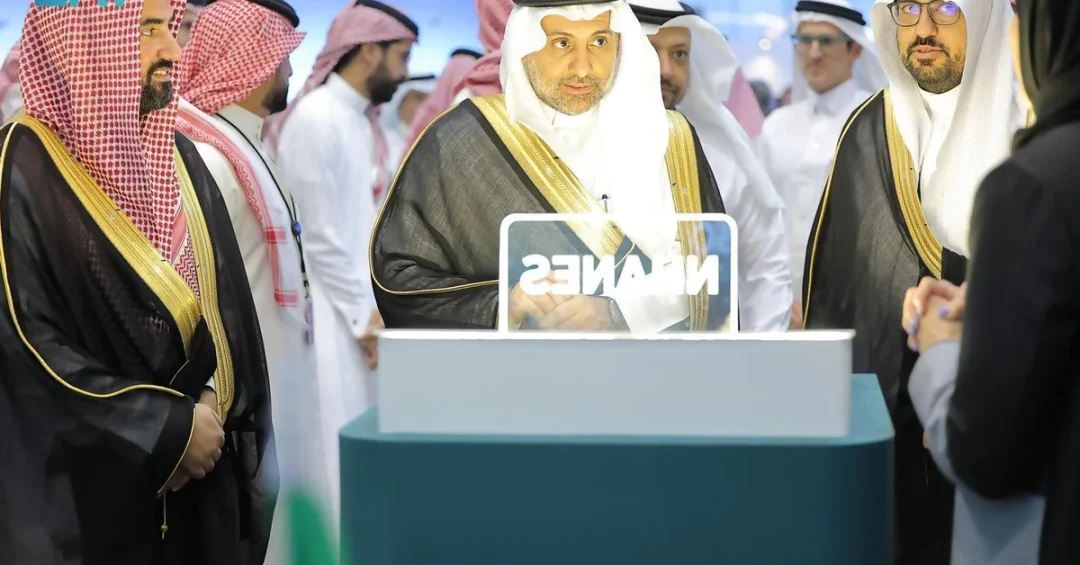
Saudi Arabia’s Minister of Health and Chairman of the Board of Directors of the Public Health Authority (Weqaya), Fahd bin Abdulrahman Al-Jalajel, officially launched the National Program for Health and Nutrition Measurement in Riyadh on October 24, 2024, marking a significant advancement in the Kingdom’s commitment to public health and data-driven policymaking. The program, announced via the Saudi Press Agency (SPA), represents a pioneering step in measuring and analyzing health and nutritional data for the Kingdom’s population, adopting global methodologies followed by the U.S. Centers for Disease Control and Prevention (CDC) and the UN World Health Organization (WHO).
This initiative is designed to establish an advanced strategic position for the Kingdom in the field of public health across the Middle East, directly supporting the objectives of Saudi Vision 2030. By integrating comprehensive health and nutrition measurement into the national framework, Saudi Arabia aims to enhance the quality of life for all citizens and residents, a core pillar of the Vision 2030 reform agenda. The program includes all regions of the Kingdom and targets all demographic groups through comprehensive interviews and accurate medical and laboratory examinations. How will this ambitious program transform the Kingdom’s approach to preventive healthcare and public wellness?
Context and Background
The launch of the National Program for Health and Nutrition Measurement comes at a time when Saudi Arabia is undergoing a profound transformation in its healthcare sector, driven by the strategic directives of Vision 2030. The Kingdom has long recognized that a healthy population is the foundation of sustainable economic growth and social development. Over the past decade, the Ministry of Health, under the leadership of Minister Fahd bin Abdulrahman Al-Jalajel, has implemented numerous initiatives aimed at improving healthcare infrastructure, expanding access to medical services, and promoting preventive care. The establishment of the Public Health Authority (Weqaya) itself was a critical step in this journey, tasked with protecting the community from health threats and promoting healthy lifestyles.
However, until now, the Kingdom lacked a unified, comprehensive system for collecting and analyzing granular health and nutrition data across its diverse population. Previous data collection efforts were often fragmented or limited in scope, making it difficult to formulate targeted interventions. The new program addresses this gap by adopting rigorous, internationally recognized methodologies. By aligning with standards set by the U.S. Centers for Disease Control and Prevention (CDC) and the World Health Organization (WHO), Saudi Arabia ensures that its data will be globally comparable and scientifically robust. Why is it essential for a nation to have precise, real-time data on the health and nutritional status of its people?
Furthermore, the program reflects a broader global trend where nations are moving from reactive sick-care models to proactive, data-informed public health strategies. The insights generated will enable policymakers, healthcare providers, and researchers to understand the prevalence of non-communicable diseases (NCDs), nutritional deficiencies, and lifestyle-related risk factors. This knowledge is indispensable for designing effective awareness campaigns, allocating resources efficiently, and measuring the impact of health policies over time. The program’s inclusive approach, covering all regions and demographic groups, underscores the Kingdom’s commitment to leaving no one behind in its pursuit of health equity.
Key Details of the National Program
The National Program for Health and Nutrition Measurement is structured to be one of the most comprehensive public health surveys ever conducted in the Middle East. According to the Saudi Press Agency, the program includes all regions of the Kingdom, from major urban centers like Riyadh, Jeddah, and Dammam to remote rural areas. It targets all demographic groups, ensuring that the data reflects the health realities of children, adolescents, adults, and the elderly, as well as both Saudi citizens and residents. Data collection will be carried out through comprehensive interviews and accurate medical and laboratory examinations, providing a holistic view of each participant’s health status.
The program is designed to calculate disease rates and identify risk factors, assess the nutritional status of the population, and measure obesity and physical activity levels. These metrics are critical because NCDs such as diabetes, cardiovascular disease, and obesity are among the leading causes of mortality and morbidity in Saudi Arabia and the wider Gulf region. By establishing baseline data and tracking changes over time, the program will allow health authorities to evaluate the effectiveness of ongoing interventions and adjust strategies as needed. What insights might emerge from combining detailed medical examinations with lifestyle and dietary interviews on such a large scale?
Minister Al-Jalajel, who also chairs the Board of Directors of the Public Health Authority (Weqaya), emphasized that the program is a pioneering step in measuring and analyzing health and nutritional data for the Kingdom’s population. The adoption of CDC and WHO methodologies ensures that the program meets the highest international standards for data quality, ethical conduct, and statistical validity. This alignment not only enhances the credibility of the findings but also facilitates collaboration with global health institutions and participation in international comparative studies.
International and Regional Impact
The launch of this program positions Saudi Arabia as a leader in public health innovation in the Middle East. By adopting advanced methodologies and committing to a nationwide, longitudinal data collection effort, the Kingdom sets a benchmark for other countries in the region. Regional neighbors and international partners are likely to take note, as the resulting data could inform cross-border health initiatives and collaborative research. The program’s alignment with WHO and CDC standards signals Saudi Arabia’s readiness to contribute to and benefit from global health knowledge networks.
Moreover, the program’s findings will have implications beyond Saudi borders. The Middle East faces unique health challenges, including high rates of vitamin D deficiency, obesity, and diabetes, influenced by cultural, environmental, and lifestyle factors. Comprehensive data from Saudi Arabia can help the international community better understand these patterns and develop culturally appropriate interventions. The Kingdom’s proactive stance also enhances its soft power and diplomatic influence, demonstrating its commitment to the well-being of its population and its willingness to share knowledge for the global good. How might this data reshape regional health policies and foster greater cooperation among Gulf nations?
Economic and Strategic Significance
From an economic perspective, the National Program for Health and Nutrition Measurement is a strategic investment in Saudi Arabia’s most valuable asset: its people. A healthier population translates into a more productive workforce, lower healthcare costs, and reduced absenteeism. By identifying risk factors early and enabling targeted preventive measures, the program can help mitigate the long-term financial burden of chronic diseases on the national healthcare system. This aligns with Vision 2030’s goal of creating a vibrant society and a thriving economy, where citizens can contribute fully to the nation’s development.
Additionally, the data generated will inform the private sector, including food and beverage companies, fitness and wellness providers, and health insurers, enabling them to develop products and services that meet the population’s actual needs. The program also supports the growth of Saudi Arabia’s health research and biotechnology sectors, as the rich dataset will be a valuable resource for scientists and innovators. By fostering a culture of evidence-based decision-making, the Kingdom strengthens its capacity for strategic planning and resource allocation. What economic dividends could arise from a nationwide shift toward preventive health and data-driven wellness?
Vision 2030 Alignment
The National Program for Health and Nutrition Measurement is a direct embodiment of Saudi Vision 2030’s health and quality-of-life objectives. Vision 2030 envisions a society where citizens enjoy a healthy lifestyle, with access to high-quality healthcare and a environment that promotes well-being. The program’s focus on measuring obesity, physical activity, and nutritional status addresses key indicators of public health that are central to this vision. By establishing a robust evidence base, the Kingdom can track progress toward its goals and ensure that interventions are effective and equitable.
Furthermore, the program reinforces Saudi Arabia’s commitment to achieving the UN Sustainable Development Goals (SDGs), particularly SDG 3 on good health and well-being. It also demonstrates the Kingdom’s proactive role in global health diplomacy and its determination to be a model for the region. As the program rolls out across all regions, it will generate knowledge that empowers individuals, communities, and policymakers to make informed choices. Ultimately, this initiative is not just about collecting data; it is about building a healthier, more prosperous future for all who call Saudi Arabia home. How will this program inspire a new generation of Saudis to take charge of their health and contribute to the nation’s ambitious transformation?
20 Questions
Q1. What is the National Program for Health and Nutrition Measurement?
A1. It is a comprehensive Saudi initiative launched by the Minister of Health to collect and analyze health and nutritional data across the Kingdom, using methodologies from the CDC and WHO to inform public health policies.
Q2. Who launched the program and when?
A2. Minister of Health Fahd bin Abdulrahman Al-Jalajel, who also chairs the Public Health Authority (Weqaya), launched the program in Riyadh on October 24, 2024, as reported by the Saudi Press Agency.
Q3. Which international organizations’ methodologies does the program adopt?
A3. The program adopts methodologies followed by the U.S. Centers for Disease Control and Prevention (CDC) and the UN World Health Organization (WHO), ensuring high standards of data quality and global comparability.
Q4. What are the main objectives of the program?
A4. It aims to calculate disease rates, identify risk factors, assess nutritional status, measure obesity and physical activity, and establish Saudi Arabia as a leader in public health in the Middle East.
Q5. Which regions and demographic groups does the program cover?
A5. The program includes all regions of the Kingdom and targets all demographic groups, ensuring comprehensive representation through interviews and medical examinations.
Q6. How will data be collected for the program?
A6. Data will be collected through comprehensive interviews and accurate medical and laboratory examinations, providing a holistic view of participants’ health and nutritional status.
Q7. Why is this program important for Saudi Arabia’s Vision 2030?
A7. It supports Vision 2030’s health and quality-of-life goals by providing evidence for preventive care, improving public wellness, and enhancing the Kingdom’s strategic position in regional public health.
Q8. What health issues will the program help address?
A8. It will help address non-communicable diseases like diabetes, obesity, and cardiovascular conditions by identifying risk factors and enabling targeted interventions and awareness campaigns.
Q9. How does the program benefit the Saudi population?
A9. It empowers individuals and communities with better health insights, leads to more effective healthcare policies, and promotes a culture of preventive health and well-being across the Kingdom.
Q10. What role does the Public Health Authority (Weqaya) play?
A10. Weqaya, chaired by Minister Al-Jalajel, oversees the program’s implementation, ensuring it aligns with national health priorities and international standards for data collection and analysis.
Q11. Will the program’s data be shared internationally?
A11. The data will be globally comparable due to CDC and WHO methodologies, facilitating collaboration with international health institutions and contributing to global health knowledge.
Q12. How does the program measure obesity and physical activity?
A12. It uses medical examinations and interviews to assess body mass index, lifestyle habits, and exercise levels, providing accurate metrics to guide public health interventions.
Q13. What is the expected impact on Saudi Arabia’s healthcare system?
A13. The program will enable evidence-based planning, efficient resource allocation, and early detection of health trends, potentially reducing long-term healthcare costs and improving outcomes.
Q14. How does the program align with global health goals?
A14. It supports UN Sustainable Development Goal 3 on good health and well-being, demonstrating Saudi Arabia’s commitment to global health standards and cooperation.
Q15. What economic benefits could result from the program?
A15. A healthier workforce boosts productivity, reduces healthcare burdens, and stimulates innovation in wellness, food, and health sectors, contributing to Vision 2030’s economic diversification goals.
Q16. How will the program’s findings be used?
A16. Findings will inform government policies, healthcare strategies, private sector products, and public awareness campaigns, ensuring interventions are data-driven and culturally appropriate.
Q17. Is participation in the program mandatory?
A17. The program targets all demographic groups through voluntary participation, ensuring ethical conduct and comprehensive data collection while respecting individual privacy and consent.
Q18. What makes this program pioneering in the Middle East?
A18. Its nationwide scope, adoption of CDC and WHO methodologies, and integration of medical and nutritional data make it a first-of-its-kind initiative in the region, setting a benchmark for others.
Q19. How does the program support Saudi Arabia’s leadership in public health?
A19. By generating high-quality data and adopting global best practices, the Kingdom positions itself as a regional leader, influencing health policies and fostering international collaborations.
Q20. What is the long-term vision for the program?
A20. The long-term vision is to create a healthier, more productive society, achieve Vision 2030 health targets, and establish Saudi Arabia as a global model for data-driven public health excellence.
Reader Feedback
We value your thoughts. Please share your feedback on this article.
Your feedback helps us improve our coverage.