


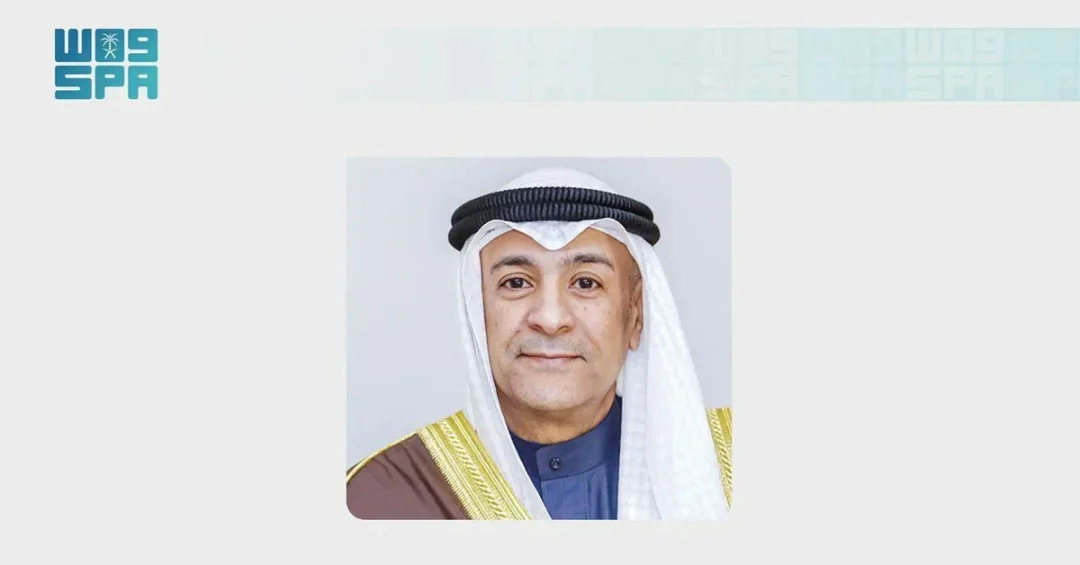
Gulf Cooperation Council (GCC) Secretary-General Jasem Albudaiwi affirmed on October 14, 2026, that the economic partnership between GCC member states and Asian nations represents a strategic foundation for advancing trade, joint investments, digital infrastructure, and banking integration to drive shared prosperity. Speaking at the opening of the GCC-Asia Economic Forum in Bangkok, held under the theme “Banking, Investment, and Digital Infrastructure,” the secretary-general positioned the Gulf-Asia relationship as a central pillar of the global economy’s next phase of growth.
The forum convened on the sidelines of the 2026 Annual Meetings of the International Monetary Fund (IMF) and the World Bank Group, drawing finance ministers, central bank governors, banking executives, and investment leaders from both regions. Albudaiwi commended the organizers, the Kuwait Banking Association and the Asian Bankers Association, for facilitating vital dialogue among regional financial and economic leaders. The timing of the gathering, coinciding with the IMF and World Bank meetings, underscores how seriously Gulf policymakers view the intersection of Asian industrial capacity and Gulf capital as a driver of stable, long-term economic expansion. For international observers, the message was clear: the Gulf is not waiting for global economic conditions to settle — it is actively shaping them through partnership.
Context and Background
Why has the GCC-Asia relationship moved to the center of global economic diplomacy? For decades, the Gulf’s ties with Asia were defined primarily by energy exports. Today, that relationship has broadened into a multi-dimensional partnership spanning finance, technology, logistics, and manufacturing. The GCC-Asia Economic Forum reflects this shift, bringing together stakeholders who recognize that the next era of growth will be built on cross-border capital flows, shared digital infrastructure, and integrated supply chains rather than on commodity trade alone.
The secretary-general highlighted that GCC economies have demonstrated strong resilience amid global market shifts, driven by prudent fiscal strategies directed by GCC leaders. This resilience has been tested repeatedly over the past several years — through oil price volatility, pandemic-era disruptions, and shifting monetary conditions — yet Gulf economies have continued to expand and diversify. That track record has made the GCC an increasingly attractive partner for Asian economies seeking reliable investment channels and stable commercial relationships.
Albudaiwi noted that integrating Gulf capital and financial capabilities with Asia’s industrial and technological strengths unlocks significant opportunities for knowledge transfer, technology localization, and cross-border value creation. This framing positions the partnership not as a one-way flow of resources but as a mutually reinforcing exchange: the Gulf provides capital, energy security, and strategic location; Asia provides manufacturing depth, technological expertise, and vast consumer markets. The combination, he argued, creates value that neither region could generate alone.
Key Details
What specific areas of cooperation did the secretary-general identify as priorities? Albudaiwi emphasized three primary tracks for future collaboration. The first is enhancing logistics and infrastructure by connecting ports, trade corridors, and storage networks. This track recognizes that the Gulf’s geographic position — linking Asia, Europe, and Africa — gives it a natural advantage as a logistics hub, provided that physical and digital connectivity keeps pace with growing trade volumes.
The second track focuses on advancing digital infrastructure and artificial intelligence through joint investments in data centers and cloud services. As Asian technology firms expand their global footprint and Gulf states accelerate their digital transformation agendas, joint investment in computing infrastructure offers a practical avenue for collaboration that generates returns for both sides. The third track involves bolstering financial and banking cooperation through expanded trade financing, integrated capital markets, and cross-border payment platforms — measures that would reduce friction in commercial transactions and deepen financial linkages between the two regions.
To illustrate the scale of resources available for these initiatives, Albudaiwi cited data from the GCC Statistical Centre. The assets of Gulf sovereign wealth funds stand at approximately $5.2 trillion, while the market capitalization of GCC stock exchanges reached nearly $4 trillion by the end of June 2026. During the same period, commercial bank assets totaled $4.1 trillion, and net foreign assets of GCC central banks reached roughly $829 billion. These figures, he said, underscore the council’s financial capacity to anchor large-scale global investments. For Asian partners, the numbers signal that the GCC is not simply a participant in global capital markets but a structural source of long-term investment capital.
International and Regional Impact
How will deeper GCC-Asia ties reshape regional and global economic dynamics? For Asia, the Gulf represents a stable, capital-rich partner at a time when many developed economies face fiscal constraints and uncertain growth prospects. For the GCC, Asia offers access to fast-growing markets, advanced manufacturing capabilities, and technological ecosystems that complement the Gulf’s own diversification strategies. The relationship is increasingly reciprocal, with Gulf investment flowing into Asian infrastructure and technology while Asian firms establish operations in Gulf free zones and industrial cities.
The emphasis on cross-border payment platforms and integrated capital markets also carries implications beyond the two regions. Greater financial integration between the Gulf and Asia could accelerate the development of alternative payment corridors, reduce reliance on traditional clearing systems, and support the growth of local currency settlement mechanisms. While the secretary-general did not specify particular currencies or systems, the direction of travel is toward a more multipolar financial architecture in which Gulf and Asian institutions play a more prominent role.
Regional observers also note that the forum’s timing — alongside the IMF and World Bank annual meetings — allowed Gulf and Asian officials to coordinate positions on global economic issues. This alignment can amplify the voice of both regions in international financial governance, ensuring that the perspectives of emerging and middle-income economies are reflected in discussions on debt, development finance, and monetary policy coordination.
Economic and Strategic Significance
What makes this moment particularly significant for the global economy? The scale of Gulf financial resources, combined with Asia’s industrial and technological capacity, creates a partnership with the potential to influence global investment patterns for years to come. Sovereign wealth fund assets of $5.2 trillion represent a pool of capital that can be deployed across infrastructure, technology, and industrial projects — and increasingly, a growing share of that capital is directed toward Asian markets. Similarly, the $4 trillion market capitalization of GCC exchanges and $4.1 trillion in commercial bank assets demonstrate the depth of the Gulf’s financial sector, which is progressively integrating with Asian counterparts.
Albudaiwi’s call for institutions to move beyond exploratory dialogue into concrete execution reflects a recognition that the window for strategic positioning is open now. The private sector, he emphasized, has a central role in converting strategic opportunities into operational ventures that advance sustainable economic growth for both regions. This focus on execution over discussion signals that Gulf policymakers are prioritizing tangible outcomes — joint ventures, co-investment funds, infrastructure projects, and technology partnerships — rather than aspirational statements.
For global investors, the forum’s message reinforces the GCC’s position as a reliable and forward-looking economic partner. The combination of fiscal discipline, strategic vision, and substantial financial reserves has allowed Gulf states to maintain stability while pursuing ambitious diversification programs. As those programs mature, the GCC’s economic ties with Asia are likely to deepen further, creating new opportunities for businesses and investors across both regions.
Vision 2030 Alignment
How does this forum align with Saudi Arabia’s long-term strategic vision? Saudi Arabia’s Vision 2030, launched under the leadership of Crown Prince Mohammed bin Salman, aims to diversify the Kingdom’s economy, expand non-oil sectors, and strengthen its role as a global investment and logistics hub. The GCC-Asia Economic Forum’s focus on trade, logistics, digital infrastructure, and financial integration directly supports these objectives, particularly in areas such as port connectivity, data center investment, and cross-border payment systems.
Saudi Arabia’s participation in and support for the forum reflects the Kingdom’s broader commitment to regional cooperation and international engagement. By working through the GCC to build stronger ties with Asian economies, Saudi Arabia advances both its national priorities and the collective interests of the Gulf region. The Kingdom’s own giga-projects, including NEOM and the Red Sea development, are designed to attract international investment and serve as platforms for technological innovation — goals that align closely with the partnership tracks outlined by the secretary-general.
As the global economy continues to evolve, the GCC-Asia relationship is positioned to become an increasingly important axis of growth and cooperation. The Bangkok forum represents a step toward realizing that potential, with concrete follow-up expected in the months ahead. For Saudi Arabia and its Gulf neighbors, the path forward is clear: deepen partnerships, execute projects, and build a shared economic future that benefits both regions and contributes to global prosperity.
20 Questions
Q1. What was the main message of GCC Secretary-General Jasem Albudaiwi at the Bangkok forum?
A1. He emphasized that the economic partnership between GCC member states and Asian nations is a strategic foundation for advancing trade, joint investments, digital infrastructure, and banking integration to drive shared prosperity.
Q2. Where and when did the GCC-Asia Economic Forum take place?
A2. The forum was held in Bangkok on October 14, 2026, on the sidelines of the 2026 Annual Meetings of the International Monetary Fund and the World Bank Group.
Q3. What was the theme of the GCC-Asia Economic Forum?
A3. The forum was held under the theme “Banking, Investment, and Digital Infrastructure,” focusing on financial and technological cooperation between the two regions.
Q4. Which organizations facilitated the forum?
A4. The Kuwait Banking Association and the Asian Bankers Association organized the forum to facilitate vital dialogue among regional financial and economic leaders.
Q5. What three primary tracks of cooperation did Albudaiwi outline?
A5. He highlighted enhancing logistics and infrastructure, advancing digital infrastructure and artificial intelligence, and bolstering financial and banking cooperation through trade financing and integrated capital markets.
Q6. What is the value of Gulf sovereign wealth fund assets according to the GCC Statistical Centre?
A6. The assets of Gulf sovereign wealth funds stand at approximately $5.2 trillion, reflecting the council’s substantial financial capacity to anchor large-scale global investments.
Q7. What was the market capitalization of GCC stock exchanges by June 2026?
A7. The market capitalization of GCC stock exchanges reached nearly $4 trillion by the end of June 2026, demonstrating the depth of the region’s financial markets.
Q8. How much did commercial bank assets in the GCC total during the same period?
A8. Commercial bank assets totaled $4.1 trillion, underscoring the strength and scale of the Gulf’s banking sector.
Q9. What was the value of net foreign assets of GCC central banks?
A9. Net foreign assets of GCC central banks reached roughly $829 billion, providing a strong buffer and supporting financial stability across the region.
Q10. Why did Albudaiwi commend the organizers of the forum?
A10. He commended them for facilitating vital dialogue among regional financial and economic leaders, enabling constructive discussions on trade, investment, and digital infrastructure cooperation.
Q11. How have GCC economies demonstrated resilience amid global market shifts?
A11. GCC economies have shown resilience through prudent fiscal strategies directed by GCC leaders, maintaining stability despite oil price volatility and global economic uncertainties.
Q12. What opportunities does integrating Gulf capital with Asia’s industrial strengths unlock?
A12. It unlocks significant opportunities for knowledge transfer, technology localization, and cross-border value creation, benefiting both regions economically.
Q13. What does the logistics and infrastructure track involve?
A13. It involves connecting ports, trade corridors, and storage networks to enhance physical connectivity and facilitate smoother trade flows between the Gulf and Asia.
Q14. What does the digital infrastructure and AI track focus on?
A14. It focuses on joint investments in data centers and cloud services, supporting the growth of digital economies and technological innovation in both regions.
Q15. What does the financial and banking cooperation track include?
A15. It includes expanded trade financing, integrated capital markets, and cross-border payment platforms to reduce friction in commercial transactions and deepen financial linkages.
Q16. What did Albudaiwi urge institutions to do in his concluding remarks?
A16. He urged them to move beyond exploratory dialogue into concrete execution, emphasizing the private sector’s role in converting strategic opportunities into operational ventures.
Q17. How does the forum align with Saudi Arabia’s Vision 2030?
A17. It supports Vision 2030’s goals of economic diversification, global investment hub status, and logistics development, particularly in port connectivity, data centers, and payment systems.
Q18. What role does the private sector play in Albudaiwi’s vision for GCC-Asia cooperation?
A18. The private sector is central to converting strategic opportunities into operational ventures that advance sustainable economic growth for both regions.
Q19. Why is the timing of the forum significant?
A19. Held alongside the IMF and World Bank annual meetings, it allowed Gulf and Asian officials to coordinate positions on global economic issues and amplify their collective voice.
Q20. What does the forum signal about the future of GCC-Asia economic relations?
A20. It signals a deepening partnership built on trade, investment, digital infrastructure, and financial integration, positioning the GCC-Asia axis as a major driver of global economic growth.
Reader Feedback
We value your thoughts. Please share your feedback on this article.
Your feedback helps us improve our coverage.