


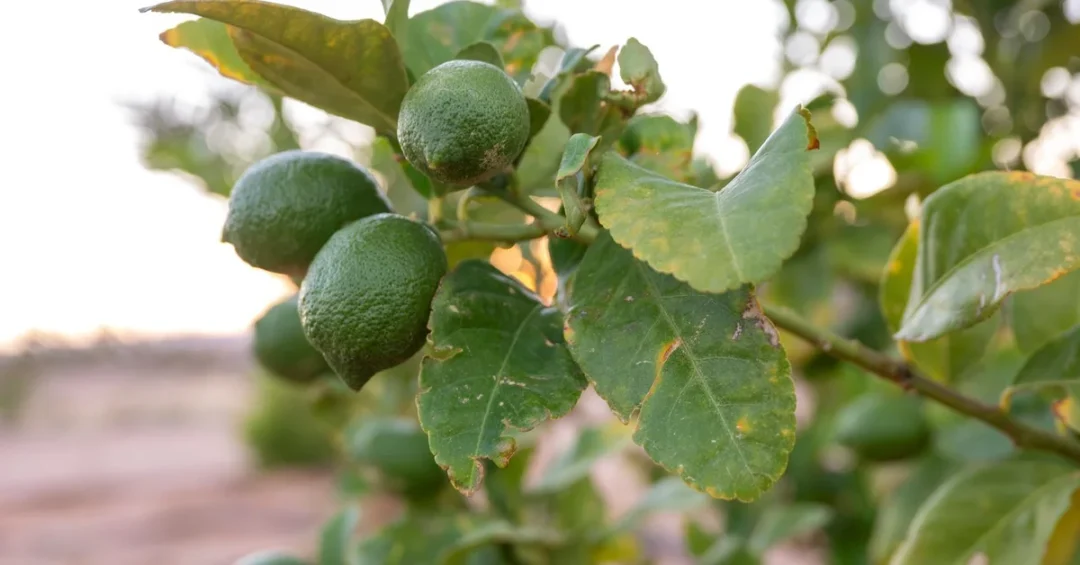
Local lemon cultivation across Al-Jouf Region is strengthening Saudi Arabia’s agricultural diversity, supplying regional markets with high-quality fresh produce while supporting the Kingdom’s broader food security and economic diversification goals, according to information released via the Saudi Press Agency (SPA). The sector has become an important contributor to the region’s farming identity, with local farmers reporting steady demand for the fruit in retail outlets across the north of the Kingdom.
The development reflects a wider pattern of agricultural modernization in Al-Jouf, where favorable soil and climatic conditions have long supported a variety of crops. Lemon farming now complements existing production of olives, dates, and other seasonal fruits, helping to optimize land use and expand the range of nationally grown produce available to Saudi consumers. The SPA report, dated October 14, 2026, highlights how dedicated cultivation practices are helping local growers meet quality and yield expectations.
Context and Background
Why has Al-Jouf become such a notable center for lemon production within the Kingdom? Located in the northern part of Saudi Arabia, Al-Jouf Region benefits from relatively moderate temperatures, fertile agricultural land, and access to groundwater resources that support year-round farming activities. These conditions have made the region a key contributor to national crop diversification efforts, particularly for fruits that require careful irrigation and canopy management.
Local farmer Mohammed Naif explained that cultivating lemons demands dedicated tree care, including regulated irrigation schedules, timely fertilization, and optimal canopy management. These practices are essential to safeguard fruit quality and maximize yield efficiency, he noted, underscoring the technical knowledge that Al-Jouf’s farming community has developed over years of working with citrus crops. The fruit generally takes four to six months to mature after flowering, depending on the cultivar, weather conditions, and farming practices, according to Naif.
This maturation window gives farmers a degree of flexibility in planning harvests and responding to market demand. It also means that growers must remain attentive to seasonal shifts and plant health throughout the growing cycle. The result is a product that reaches retail shelves in fresh condition and at competitive prices, reinforcing the reputation of Saudi-grown lemons as a reliable local option.
Key Details
How are local lemons performing in the marketplace? In regional retail outlets, fresh local lemons are priced at approximately SAR8 per kilogram, with four-kilogram packages selling for around SAR20. These prices offer consumers an affordable, locally grown alternative to imported citrus, while providing farmers with a viable return on their investment in tree care and harvesting.
The availability of bulk packaging also signals growing consumer confidence in the product. Families and businesses can purchase larger quantities at a lower unit cost, encouraging regular use of fresh lemons in cooking, beverages, and traditional dishes. For retailers, stocking local lemons supports shorter supply chains and reduces reliance on imports, a factor that aligns with national priorities around food security and economic resilience.
Beyond pricing, the quality of Al-Jouf lemons is a central selling point. Farmers like Mohammed Naif emphasize that regulated irrigation and timely fertilization are not merely optional measures but core components of production. Optimal canopy management helps ensure that sunlight reaches the fruit and that air circulates properly, reducing the risk of disease and improving overall yield. These practices collectively contribute to a product that meets the expectations of both consumers and distributors.
International and Regional Impact
What does the success of Al-Jouf’s lemon sector mean for Saudi Arabia’s regional standing? Within the Gulf and wider Middle East, demand for fresh produce continues to rise as populations grow and dietary preferences evolve. Saudi-grown lemons can help meet this demand while reducing the Kingdom’s dependence on imported fruits, a strategic objective that supports both economic and national security interests.
At the same time, the sector’s development contributes to the competitiveness of national produce across Saudi markets. By demonstrating that high-quality citrus can be cultivated domestically at scale, Al-Jouf’s farmers are helping to build a model that other regions may study and adapt. This knowledge-sharing potential extends to agricultural extension services, where best practices in irrigation, fertilization, and canopy management can be disseminated to new growers.
Regionally, the availability of affordable local lemons also strengthens food supply chains that serve hotels, restaurants, and catering businesses. As Saudi Arabia expands its tourism and hospitality sectors, consistent access to fresh, locally sourced ingredients becomes increasingly valuable. Al-Jouf’s lemon production thus plays a small but meaningful role in supporting the broader ecosystem of services that underpin the Kingdom’s Vision 2030 ambitions.
Economic and Strategic Significance
Why does lemon farming matter beyond the farm gate? Agriculture is a key pillar of Saudi Arabia’s efforts to diversify its economy away from hydrocarbons, and fruit cultivation offers opportunities for job creation, rural development, and small business growth. Lemon farming in Al-Jouf contributes to all three, engaging farmers, laborers, packers, and transporters in a value chain that extends from orchards to retail outlets.
The sector also optimizes land use by allowing farmers to integrate lemon trees into existing agricultural systems. This can improve soil health, provide shade for other crops, and generate income during different seasons. Such diversification reduces the risks associated with relying on a single crop and helps stabilize farm revenues throughout the year. For a region like Al-Jouf, where agriculture is a significant part of the local economy, these benefits are particularly important.
From a strategic perspective, domestic lemon production supports the Kingdom’s food security objectives by reducing the need for imports. Every kilogram of locally grown lemons that reaches the market is a kilogram that does not need to be sourced from abroad, saving foreign exchange and lowering exposure to global supply chain disruptions. This aligns with national policies that encourage self-sufficiency in key food categories while maintaining open trade where beneficial.
Vision 2030 Alignment
How does Al-Jouf’s lemon cultivation connect to Saudi Vision 2030? The Vision, launched under the leadership of Crown Prince Mohammed bin Salman, seeks to diversify the Kingdom’s economy, enhance food security, and improve the quality of life for citizens. Agricultural initiatives like those in Al-Jouf directly support these goals by creating economic opportunities in rural areas, expanding the range of domestically produced goods, and contributing to a more resilient national economy.
The emphasis on sustainable farming practices, efficient irrigation, and high-quality output also reflects the Vision’s commitment to environmental stewardship and innovation. As Saudi Arabia continues to invest in modern agricultural technologies and training for farmers, regions like Al-Jouf are well positioned to serve as examples of how traditional farming can evolve to meet contemporary challenges. The continued growth of lemon cultivation will depend on maintaining these standards and responding to market signals.
Looking ahead, the success of Al-Jouf’s lemon sector offers a positive example of how local initiative, supportive policies, and favorable natural conditions can combine to strengthen Saudi Arabia’s agricultural diversity. For international observers, it is a reminder that the Kingdom’s economic transformation is not limited to major cities or high-tech projects but extends to the fields and farms that feed the nation.
20 Questions
Q1. What region is highlighted for local lemon cultivation?
A1. Al-Jouf Region in northern Saudi Arabia is highlighted for its local lemon cultivation, which contributes to crop diversification and supplies regional markets with high-quality fresh produce.
Q2. Who is the local farmer mentioned in the report?
A2. Mohammed Naif, a local farmer, is mentioned in the Saudi Press Agency report. He shared insights on lemon cultivation practices and the importance of tree care.
Q3. What practices are required for lemon tree care?
A3. Lemon cultivation requires regulated irrigation schedules, timely fertilization, and optimal canopy management to safeguard fruit quality and maximize yield efficiency.
Q4. How long does it take for lemons to mature after flowering?
A4. Lemons generally take four to six months to mature after flowering, depending on the cultivar, weather conditions, and farming practices.
Q5. What is the retail price of local lemons per kilogram?
A5. Fresh local lemons are priced at approximately SAR8 per kilogram in regional retail outlets.
Q6. How much do four-kilogram packages of lemons sell for?
A6. Four-kilogram packages of local lemons sell for around SAR20, offering consumers an affordable locally grown option.
Q7. Why is lemon farming important for Al-Jouf’s agricultural footprint?
A7. Lemon farming optimizes land use, expands seasonal fruit offerings, and strengthens the competitive presence of national produce across Saudi markets.
Q8. What are the favorable conditions for lemon cultivation in Al-Jouf?
A8. Al-Jouf benefits from moderate temperatures, fertile agricultural land, and access to groundwater resources that support year-round farming activities.
Q9. How does lemon cultivation contribute to crop diversification?
A9. It complements existing crops like olives and dates, expands the range of nationally grown produce, and reduces reliance on a single crop.
Q10. What is the significance of regulated irrigation for lemon trees?
A10. Regulated irrigation ensures consistent moisture levels, supports fruit development, and helps maintain tree health, leading to better quality and yield.
Q11. How does canopy management affect lemon production?
A11. Optimal canopy management improves sunlight penetration and air circulation, reducing disease risk and enhancing fruit quality and yield efficiency.
Q12. What role does fertilization play in lemon farming?
A12. Timely fertilization provides essential nutrients that support tree growth, flowering, and fruit development, contributing to high-quality harvests.
Q13. How does local lemon production support food security?
A13. It reduces dependence on imported citrus, saves foreign exchange, and lowers exposure to global supply chain disruptions, aligning with national food security goals.
Q14. What are the economic benefits of lemon farming in Al-Jouf?
A14. It creates jobs in farming, packing, and transportation, supports rural development, and generates income for local communities.
Q15. How does lemon farming align with Saudi Vision 2030?
A15. It supports economic diversification, enhances food security, and improves quality of life by creating opportunities in rural areas and expanding domestic production.
Q16. What makes Al-Jouf lemons competitive in the market?
A16. Competitive pricing, fresh quality, and local availability make Al-Jouf lemons attractive to consumers and retailers compared to imported alternatives.
Q17. How can other regions benefit from Al-Jouf’s experience?
A17. Other regions can learn best practices in irrigation, fertilization, and canopy management through agricultural extension services and knowledge sharing.
Q18. What is the maturation period’s impact on harvest planning?
A18. The four-to-six-month maturation period allows farmers to plan harvests, respond to market demand, and manage seasonal shifts effectively.
Q19. How does lemon production support the hospitality sector?
A19. Consistent access to fresh, locally sourced lemons benefits hotels, restaurants, and catering businesses, supporting Saudi Arabia’s growing tourism and hospitality sectors.
Q20. What does the future hold for Al-Jouf’s lemon sector?
A20. Continued growth depends on maintaining high standards, adopting modern technologies, and responding to market signals, with potential to serve as a model for sustainable agriculture.
Reader Feedback
We value your thoughts. Please share your feedback on this article.
Your feedback helps us improve our coverage.