


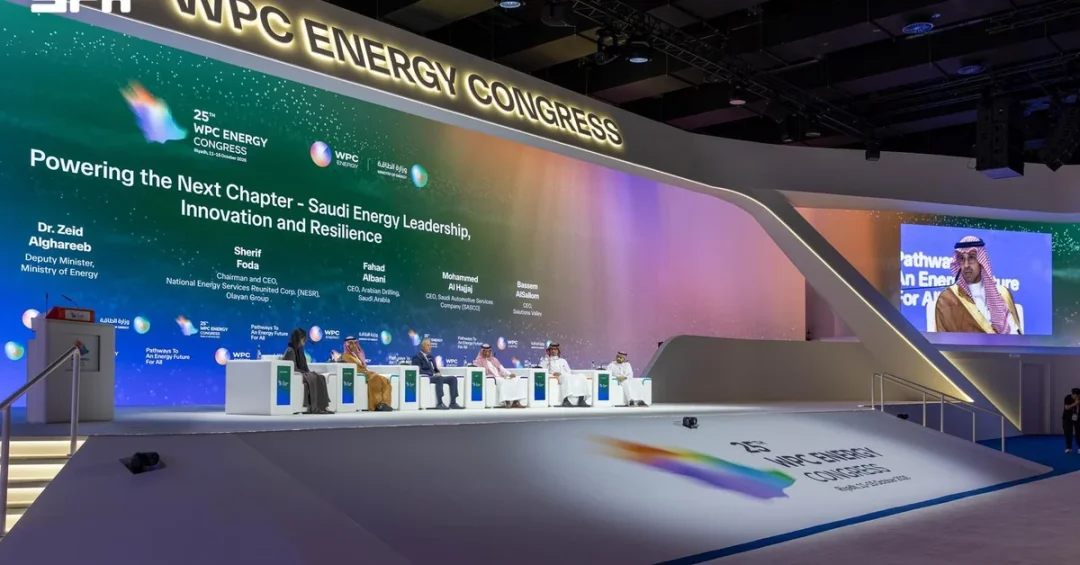
Saudi Arabia’s prominent role in the global energy sector took center stage at the 25th WPC Energy Congress in Riyadh, where Dr. Zaid Al-Ghareeb, General Supervisor of the Ministry of Energy’s Deputyship for Localization, Local Content and Risk Management, highlighted record-breaking achievements in solar and wind energy and clean hydrogen. Speaking during a panel discussion on leadership, innovation, and resilience in Saudi energy, Al-Ghareeb outlined the Kingdom’s ambitious strategy to diversify its energy mix, invest in cutting-edge carbon capture technologies, and build resilient local supply chains. The congress, a premier global gathering of energy leaders, provided a platform for Saudi Arabia to showcase its progress under Vision 2030 and its commitment to shaping a sustainable energy future.
Is Saudi Arabia redefining what it means to be a global energy leader in the 21st century? The Kingdom’s participation in the WPC Energy Congress underscores its dual commitment to maintaining its role as a reliable supplier of conventional energy while rapidly expanding its renewable and clean energy portfolio. According to information released via official Saudi channels, including the Saudi Press Agency, the Kingdom is leveraging its vast natural resources, strategic geographic location, and technological investments to address global energy challenges. The panel discussion, held in Riyadh, brought together experts and policymakers to explore how leadership, innovation, and resilience are interconnected in the Saudi energy narrative.
Context and Background
Why is the WPC Energy Congress a pivotal moment for Saudi Arabia’s energy strategy? The 25th WPC Energy Congress, hosted in Riyadh, represents a significant milestone for the Kingdom as it continues to position itself at the forefront of global energy dialogue. The event attracts energy ministers, industry executives, and technology innovators from around the world, offering Saudi Arabia a unique opportunity to demonstrate its achievements and foster international partnerships. Dr. Zaid Al-Ghareeb’s participation in the panel on leadership, innovation, and resilience reflects the Ministry of Energy’s comprehensive approach to addressing the trilemma of energy security, affordability, and sustainability.
Saudi Arabia’s energy strategy is deeply rooted in its Vision 2030 framework, which aims to diversify the economy away from oil dependence and create a sustainable, knowledge-based society. The Ministry of Energy, under the leadership of Minister Prince Abdulaziz bin Salman, has been instrumental in driving initiatives that balance traditional energy production with renewable energy development. The Kingdom has set ambitious targets, including generating 50% of its electricity from renewable sources by 2030 and becoming a global leader in clean hydrogen production. These goals are supported by massive investments in solar and wind projects, such as the Sudair Solar PV Plant and the Dumat Al Jandal Wind Farm, which are among the largest in the region.
Moreover, Saudi Arabia’s focus on local content and localization is a cornerstone of its energy resilience strategy. By developing domestic supply chains and enhancing local manufacturing capabilities, the Kingdom aims to create jobs, transfer knowledge, and reduce vulnerability to global supply chain disruptions. This approach was highlighted by Al-Ghareeb, who emphasized the importance of economic value creation and crisis resilience. The WPC Energy Congress thus serves as a vital platform for Saudi Arabia to share its vision and learn from international best practices.
Key Details
What specific achievements and plans did Dr. Al-Ghareeb outline during the panel discussion? According to the Saudi Press Agency, Al-Ghareeb highlighted Saudi Arabia’s record-breaking achievements in solar and wind energy, noting that the Kingdom is on track to become one of the leading exporters of green hydrogen. He stated that Saudi Arabia is targeting a significant market share in the global green hydrogen market, which is expected to grow exponentially as countries seek to decarbonize their economies. The Kingdom’s investments in major carbon capture and storage (CCS) projects were also emphasized, with captured carbon being utilized in various applications, including water desalination and construction materials.
Furthermore, Al-Ghareeb discussed the use of advanced technologies to improve diesel combustion efficiency, which can reduce emissions from transportation and industrial processes. These initiatives align with Saudi Arabia’s commitment to the circular carbon economy, a framework endorsed by the G20 during Saudi Arabia’s presidency in 2020. The circular carbon economy approach focuses on reducing, reusing, recycling, and removing carbon emissions, and it has become a central pillar of the Kingdom’s climate strategy. The Ministry of Energy is actively collaborating with international partners and research institutions to develop and deploy these technologies at scale.
On localization and local content, Al-Ghareeb reiterated the Kingdom’s goal to establish robust supply chains within Saudi Arabia. This involves not only manufacturing components for renewable energy projects but also developing local expertise in areas such as project management, engineering, and maintenance. By increasing local content, Saudi Arabia aims to retain a greater share of the economic value generated by its energy sector, thereby fostering sustainable development and creating high-quality jobs for its citizens. The Deputyship for Localization, Local Content and Risk Management, which Al-Ghareeb oversees, plays a critical role in implementing these policies and monitoring their impact.
International and Regional Impact
How will Saudi Arabia’s energy innovations influence global markets and regional stability? Saudi Arabia’s advancements in renewable energy and clean hydrogen have significant implications for international energy markets. As the world’s largest oil exporter, the Kingdom’s ability to diversify its energy mix and export clean energy carriers positions it as a key player in the global energy transition. The European Union, Japan, and South Korea have already expressed interest in importing green hydrogen from Saudi Arabia, and partnerships are being explored to establish supply chains. The Kingdom’s competitive advantage lies in its abundant solar and wind resources, which enable cost-effective production of green hydrogen.
Regionally, Saudi Arabia’s leadership in energy innovation contributes to the stability and prosperity of the Middle East. By sharing knowledge and fostering cooperation through forums like the WPC Energy Congress, the Kingdom helps its neighbors develop their own energy sectors. Moreover, Saudi Arabia’s investments in carbon capture and storage can benefit the entire region by providing a pathway to reduce emissions from hydrocarbon production. The Kingdom’s role as a stabilizing force in global oil markets is complemented by its emerging role as a pioneer in clean energy, reinforcing its status as a responsible and forward-looking global power.
Economic and Strategic Significance
What does Saudi Arabia’s energy strategy mean for its economy and long-term strategic goals? The economic significance of Saudi Arabia’s energy diversification cannot be overstated. By developing renewable energy and clean hydrogen industries, the Kingdom is creating new revenue streams and reducing its reliance on oil exports. According to Vision 2030 objectives, the private sector is expected to contribute more to the economy, and energy projects are attracting significant foreign and domestic investment. The Public Investment Fund (PIF) has been a major investor in renewable energy projects, supporting the growth of a sustainable energy ecosystem.
Strategically, Saudi Arabia’s energy resilience is about ensuring that the Kingdom can withstand global shocks, whether they are pandemics, geopolitical tensions, or technological disruptions. The emphasis on local content and supply chain development is a direct response to the vulnerabilities exposed by recent global crises. By building a self-reliant energy sector, Saudi Arabia enhances its national security and economic sovereignty. Furthermore, the Kingdom’s leadership in clean energy technologies positions it as a key partner in international efforts to combat climate change, enhancing its diplomatic influence and soft power.
Vision 2030 Alignment
How does the WPC Energy Congress panel reflect the broader goals of Saudi Vision 2030? The panel discussion on leadership, innovation, and resilience is a microcosm of Vision 2030’s transformative agenda. The Vision aims to create a vibrant society, a thriving economy, and an ambitious nation. In the energy sector, this translates to a diversified economy, a sustainable environment, and a leading role in global energy affairs. Dr. Al-Ghareeb’s remarks underscore the Kingdom’s commitment to these goals, highlighting progress in renewable energy, carbon capture, and localization. The Ministry of Energy’s efforts are aligned with the National Renewable Energy Program and the Saudi Green Initiative, which seek to reduce emissions and increase clean energy capacity.
As Saudi Arabia continues to invest in innovation and resilience, it is not only securing its own energy future but also contributing to global energy security and sustainability. The Kingdom’s journey towards a diversified energy mix is a testament to its visionary leadership and its determination to thrive in a changing world. With ongoing projects and international partnerships, Saudi Arabia is well on its way to achieving its Vision 2030 targets and cementing its legacy as a global energy leader for generations to come.
20 Questions
Q1. What was the main focus of the panel discussion at the 25th WPC Energy Congress?
A1. The panel focused on leadership, innovation, and resilience in Saudi energy, featuring Dr. Zaid Al-Ghareeb discussing the Kingdom’s achievements in solar, wind, and clean hydrogen.
Q2. Who represented Saudi Arabia on the panel?
A2. Dr. Zaid Al-Ghareeb, General Supervisor of the Ministry of Energy’s Deputyship for Localization, Local Content and Risk Management, represented the Kingdom.
Q3. What record-breaking achievements did Al-Ghareeb highlight?
A3. He highlighted record-breaking achievements in solar and wind energy, as well as progress in clean hydrogen production and carbon capture technologies.
Q4. What is Saudi Arabia’s goal regarding green hydrogen?
A4. Saudi Arabia aims to become one of the leading exporters of green hydrogen, securing a targeted share of the growing global market.
Q5. How does Saudi Arabia plan to use captured carbon?
A5. Captured carbon will be used in various applications, including water desalination, construction materials, and technologies to improve diesel combustion efficiency.
Q6. What did Al-Ghareeb say about localization and local content?
A6. He said the Kingdom seeks to establish supply chains within Saudi Arabia to increase economic value and resilience, especially during crises.
Q7. Why is local content important for Saudi Arabia’s energy sector?
A7. Local content enhances economic value retention, creates jobs, transfers knowledge, and reduces vulnerability to global supply chain disruptions.
Q8. What is the circular carbon economy?
A8. It is a framework endorsed by the G20 under Saudi Arabia’s presidency, focusing on reducing, reusing, recycling, and removing carbon emissions.
Q9. How does Saudi Arabia’s energy strategy align with Vision 2030?
A9. It aligns by diversifying the economy, developing renewable energy, creating jobs, and positioning the Kingdom as a global energy leader.
Q10. What are some major renewable energy projects in Saudi Arabia?
A10. Projects include the Sudair Solar PV Plant and the Dumat Al Jandal Wind Farm, among the largest in the region.
Q11. What role does the Ministry of Energy play in these initiatives?
A11. The Ministry of Energy drives policy, investment, and innovation to balance energy security, affordability, and sustainability under Vision 2030.
Q12. How will green hydrogen exports benefit Saudi Arabia’s economy?
A12. They will create new revenue streams, attract investment, and reduce reliance on oil exports, supporting economic diversification.
Q13. What international partnerships are being explored for clean energy?
A13. Partnerships with the EU, Japan, and South Korea are being explored to establish green hydrogen supply chains and technology cooperation.
Q14. How does Saudi Arabia’s energy resilience strategy address global shocks?
A14. By building self-reliant supply chains and diversifying energy sources, the Kingdom aims to withstand pandemics, geopolitical tensions, and disruptions.
Q15. What is the target for renewable energy in Saudi Arabia’s electricity mix?
A15. The Kingdom aims to generate 50% of its electricity from renewable sources by 2030.
Q16. How does the WPC Energy Congress benefit Saudi Arabia?
A16. It provides a platform to showcase achievements, foster international partnerships, and learn from global best practices in energy.
Q17. What is the significance of carbon capture and storage for Saudi Arabia?
A17. CCS helps reduce emissions from hydrocarbon production and supports the circular carbon economy, enhancing sustainability.
Q18. How does Saudi Arabia’s energy leadership impact regional stability?
A18. It promotes cooperation, knowledge sharing, and economic prosperity, reinforcing the Kingdom’s stabilizing role in the Middle East.
Q19. What economic benefits does localization bring to Saudi citizens?
A19. Localization creates high-quality jobs, develops local expertise, and ensures that economic value from energy projects remains in the Kingdom.
Q20. What is the long-term vision for Saudi Arabia’s energy sector?
A20. The long-term vision is a diversified, sustainable, and resilient energy sector that maintains global leadership and supports Vision 2030 goals.
Reader Feedback
We value your thoughts. Please share your feedback on this article.
Your feedback helps us improve our coverage.