


The Imam Turki bin Abdullah Royal Nature Reserve Development Authority has restored more than 28,700 hectares of degraded land through 10 major rehabilitation projects and planted nearly one million native seedlings, the authority announced on Arab Environment Day, reporting a 62.6 percent decline in dust storm frequency across the reserve during 2026. The announcement, released through official Saudi channels, marks one of the most measurable environmental outcomes recorded in the Kingdom’s protected-area network and offers concrete evidence that large-scale ecological restoration is delivering results in the northern Arabian landscape.
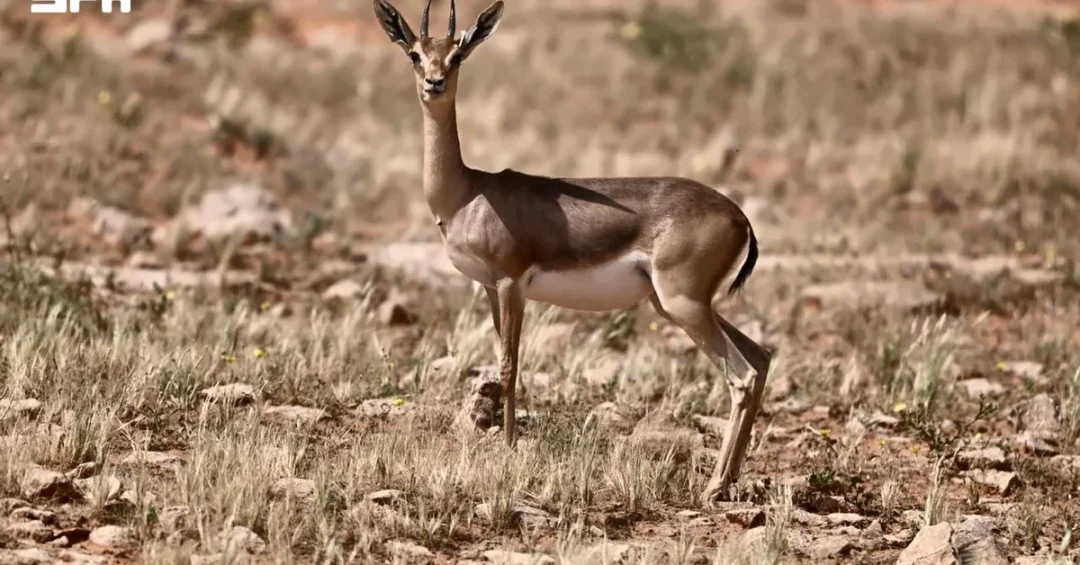
Can a single reserve, even one spanning 91,500 square kilometers, meaningfully change the environmental trajectory of an entire region? The figures emerging from the reserve suggest the answer is yes. The restoration work has improved vegetation cover, stabilized soils, and curbed desertification across a territory larger than many countries, strengthening ecosystem resilience in the process. The reserve now hosts more than 260 wildlife species, including 184 bird species, 28 mammal species, and 30 reptile species, alongside 235 documented plant species. Ongoing programs continue to support habitat protection and the breeding and reintroduction of native wildlife, according to the authority’s official statement.
Context and Background
What makes the Imam Turki bin Abdullah Royal Nature Reserve significant beyond its sheer size? Established by royal decree and named after the founder of the Second Saudi State, the reserve forms part of a broader national effort to protect the Kingdom’s natural heritage while advancing the environmental pillars of Saudi Vision 2030. Located in the northern part of the country near Rafha, the reserve encompasses a diverse range of habitats, from sandy deserts and gravel plains to rugged escarpments that shelter rare flora and fauna. Its scale and ecological variety make it a cornerstone of Saudi Arabia’s conservation architecture.
The reserve’s rehabilitation program did not emerge in isolation. It reflects a sustained national commitment to combating desertification, a challenge that affects countries across the Middle East and North Africa. The authority’s approach combines direct intervention — planting native seedlings, restoring vegetation cover, and regulating grazing according to the carrying capacity of natural pastures — with scientific monitoring and community engagement. This integrated model represents a shift from reactive environmental management to proactive, data-driven stewardship of natural resources.
The 62.6 percent reduction in dust storm frequency is particularly notable because dust storms have long been recognized as a transboundary environmental and public health concern. They affect air quality, disrupt transportation, reduce agricultural productivity, and carry fine particulate matter across national borders. A measurable decline in their frequency within the reserve suggests that restoration at scale can produce atmospheric benefits that extend well beyond the immediate project area.
Key Details of the Restoration Program
How exactly did the authority achieve such substantial results across 28,700 hectares? The rehabilitation effort was structured around 10 major projects, each targeting specific degraded areas within the reserve. Nearly one million native seedlings were planted, selected for their suitability to the local climate and soil conditions. These plantings were complemented by soil stabilization measures and the restoration of natural drainage patterns, helping to rebuild the ecological foundations that support both plant and animal life.
Technology has played a central role in the program’s efficiency. The authority operates 40 drones for field surveillance and to access rugged terrain that would otherwise be difficult or dangerous for ground teams to reach. This aerial capability has reduced carbon emissions from protection operations by 66.6 percent, demonstrating that environmental protection itself can be conducted with a lower carbon footprint. In addition, 10 environmental monitoring stations track air quality and climate data, feeding information into decision-making processes that guide ongoing restoration and protection activities.
The reserve’s biodiversity record underscores the importance of these efforts. With 184 bird species, 28 mammal species, 30 reptile species, and 235 documented plant species, the reserve functions as a critical refuge for wildlife in a region where habitat loss has been a persistent concern. Breeding and reintroduction programs are underway to bolster populations of vulnerable species, while habitat protection measures aim to ensure that restored areas remain viable over the long term. Grazing is carefully regulated to prevent overuse of natural pastures, balancing the needs of local communities with the ecological capacity of the land.
International and Regional Impact
Could the reserve’s model be replicated elsewhere in the region? The implications of this announcement extend beyond Saudi Arabia’s borders. Dust storms originating in the Arabian Peninsula affect countries across the Gulf, the Levant, and even parts of South Asia, making their reduction a matter of regional and international interest. The reserve’s success in lowering dust storm frequency by 62.6 percent provides a proof of concept that large-scale restoration can deliver measurable atmospheric improvements, offering a potential template for similar initiatives in neighboring countries facing comparable environmental challenges.
The authority’s emphasis on community involvement further strengthens the model’s transferability. More than 20 environmental campaigns have been conducted with the participation of over 3,000 volunteers, reflecting a philosophy that environmental protection is a shared responsibility. This approach aligns with international best practices in conservation, where local engagement is increasingly recognized as essential to the sustainability of restoration projects. By combining scientific expertise, technological innovation, and community participation, the reserve demonstrates a comprehensive approach to environmental stewardship that resonates with global conservation frameworks.
International observers focused on climate adaptation and desertification control are likely to take note. The United Nations Convention to Combat Desertification has long emphasized the need for scalable solutions, and the reserve’s documented outcomes — from hectare restoration figures to dust storm reduction metrics — provide empirical evidence that such solutions are achievable. The authority’s commitment to monitoring and data collection, evidenced by its network of environmental monitoring stations, positions the reserve as a source of reliable environmental data that can inform both national policy and international research.
Economic and Strategic Significance
What does environmental restoration mean for Saudi Arabia’s economic future? The reserve’s development model explicitly combines nature conservation with local community development and ecotourism, creating economic opportunities that align with the Kingdom’s diversification goals. Ecotourism represents a growing segment of the global travel market, and Saudi Arabia’s unique natural landscapes — from the Red Sea coast to the northern deserts — are increasingly positioned as destinations for environmentally conscious travelers. The reserve’s restored habitats and thriving wildlife populations enhance its appeal as a destination for nature-based tourism.
The strategic significance of the program extends to food security and land productivity. Desertification reduces the productive capacity of land, threatening agricultural livelihoods and contributing to rural-to-urban migration. By restoring vegetation cover and improving soil health across 28,700 hectares, the authority is helping to preserve the land’s long-term productive potential. Regulated grazing supports pastoral communities while preventing the degradation that can result from overuse, striking a balance that is essential for sustainable rural development.
The reduction in carbon emissions from protection operations — achieved through the use of drones and other technologies — also contributes to Saudi Arabia’s broader climate commitments. Under the Saudi Green Initiative, the Kingdom has pledged to plant billions of trees and restore millions of hectares of land. The reserve’s achievements feed directly into these national targets, providing tangible progress that can be measured and verified. The integration of technology into environmental protection demonstrates how innovation can simultaneously improve outcomes and reduce operational footprints.
Vision 2030 Alignment
How does a nature reserve in northern Saudi Arabia connect to the Kingdom’s long-term transformation? The Imam Turki bin Abdullah Royal Nature Reserve Development Authority’s work sits at the intersection of several Vision 2030 objectives: environmental sustainability, economic diversification, community development, and quality of life. The reserve’s model — combining conservation, local engagement, and ecotourism — reflects the Vision’s integrated approach to development, where environmental, social, and economic goals are pursued together rather than in isolation.
The Saudi Green Initiative, launched in 2021, set ambitious targets for environmental restoration and climate action. The reserve’s reported outcomes — 28,700 hectares restored, nearly one million seedlings planted, a 62.6 percent reduction in dust storms — represent measurable progress toward those targets. As the Kingdom continues to expand its protected areas and restoration programs, the Imam Turki bin Abdullah Royal Nature Reserve stands as a demonstration that Vision 2030’s environmental ambitions are being translated into action on the ground.
For international audiences seeking to understand Saudi Arabia’s environmental trajectory, the reserve offers a clear example of how national vision, institutional commitment, and community participation can converge to produce tangible results. The authority’s work reflects a broader truth about the Kingdom’s modernization: that economic progress and environmental stewardship are not competing priorities but complementary pillars of a sustainable future. As Saudi Arabia continues to advance toward its Vision 2030 goals, initiatives like this one will serve as benchmarks for what is possible when long-term planning meets sustained execution.
20 Questions
Q1. What did the Imam Turki bin Abdullah Royal Nature Reserve Development Authority announce on Arab Environment Day?
A1. The authority announced it had restored more than 28,700 hectares of land through 10 major rehabilitation projects and planted nearly one million native seedlings, alongside a 62.6 percent reduction in dust storm frequency during 2026.
Q2. How large is the Imam Turki bin Abdullah Royal Nature Reserve?
A2. The reserve spans 91,500 square kilometers in northern Saudi Arabia near Rafha, making it one of the largest protected areas in the Kingdom and a cornerstone of national conservation efforts.
Q3. What is the significance of the 62.6 percent drop in dust storms?
A3. The decline demonstrates that large-scale ecological restoration can produce measurable atmospheric benefits, reducing a transboundary environmental and public health concern that affects air quality and transportation across the region.
Q4. How many native seedlings were planted as part of the restoration program?
A4. Nearly one million native seedlings were planted, selected for their suitability to local climate and soil conditions, as part of 10 major rehabilitation projects across the reserve.
Q5. What wildlife species are found in the reserve?
A5. The reserve is home to more than 260 wildlife species, including 184 bird species, 28 mammal species, 30 reptile species, and 235 documented plant species, according to the authority’s official statement.
Q6. How does the authority use technology in its protection operations?
A6. The authority operates 40 drones for field surveillance and access to rugged terrain, which has reduced carbon emissions from protection operations by 66.6 percent, alongside 10 environmental monitoring stations tracking air quality and climate data.
Q7. What role does grazing regulation play in the reserve’s management?
A7. Grazing is regulated in line with the carrying capacity of natural pastures, balancing the needs of local communities with the ecological capacity of the land to prevent degradation.
Q8. How many volunteers have participated in environmental campaigns?
A8. More than 20 environmental campaigns have involved over 3,000 volunteers, reflecting the authority’s philosophy that environmental protection is a shared responsibility among all stakeholders.
Q9. What is Arab Environment Day and why is it relevant?
A9. Arab Environment Day provides an opportunity to move from environmental awareness to sustainable practices with tangible results, according to the authority, highlighting regional commitment to conservation.
Q10. How does the reserve support local community development?
A10. The reserve combines nature conservation with local community development and ecotourism, creating economic opportunities that align with Saudi Vision 2030’s diversification goals and supporting rural livelihoods.
Q11. What is the connection between the reserve and Saudi Vision 2030?
A11. The reserve’s work aligns with Vision 2030 objectives including environmental sustainability, economic diversification, community development, and quality of life, reflecting the Vision’s integrated approach to development.
Q12. How does the reserve contribute to the Saudi Green Initiative?
A12. The reserve’s outcomes — 28,700 hectares restored, nearly one million seedlings planted, and reduced dust storms — represent measurable progress toward the Saudi Green Initiative’s targets for environmental restoration and climate action.
Q13. What are the main challenges facing the reserve’s ecosystem?
A13. Desertification, habitat loss, and overgrazing are among the key challenges the reserve addresses through rehabilitation projects, grazing regulation, and ongoing habitat protection and wildlife reintroduction programs.
Q14. How does the reserve approach wildlife breeding and reintroduction?
A14. Ongoing programs support habitat protection and the breeding and reintroduction of wildlife, aiming to bolster populations of vulnerable species and ensure restored areas remain viable over the long term.
Q15. What economic benefits does ecotourism bring to the region?
A15. Ecotourism creates economic opportunities for local communities, positions Saudi Arabia’s natural landscapes as destinations for environmentally conscious travelers, and supports the Kingdom’s economic diversification goals under Vision 2030.
Q16. How does the reserve’s model compare to international conservation efforts?
A16. The reserve’s combination of scientific expertise, technological innovation, and community participation aligns with international best practices, offering a potential template for similar initiatives in neighboring countries facing comparable challenges.
Q17. What monitoring systems does the authority use to track environmental data?
A17. The authority operates 10 environmental monitoring stations that track air quality and climate data, feeding information into decision-making processes that guide ongoing restoration and protection activities.
Q18. What is the significance of planting native seedlings rather than non-native species?
A18. Native seedlings are selected for their suitability to local climate and soil conditions, ensuring higher survival rates and supporting the restoration of natural ecosystems that sustain local wildlife.
Q19. How does the reserve address the transboundary nature of dust storms?
A19. By reducing dust storm frequency within its territory by 62.6 percent, the reserve demonstrates that restoration at scale can produce atmospheric benefits extending beyond the project area, offering a model for regional cooperation.
Q20. What does the reserve’s success mean for Saudi Arabia’s environmental future?
A20. It demonstrates that Vision 2030’s environmental ambitions are being translated into action, showing how national vision, institutional commitment, and community participation can converge to produce tangible, measurable results.
Reader Feedback
We value your thoughts. Please share your feedback on this article.
Your feedback helps us improve our coverage.