


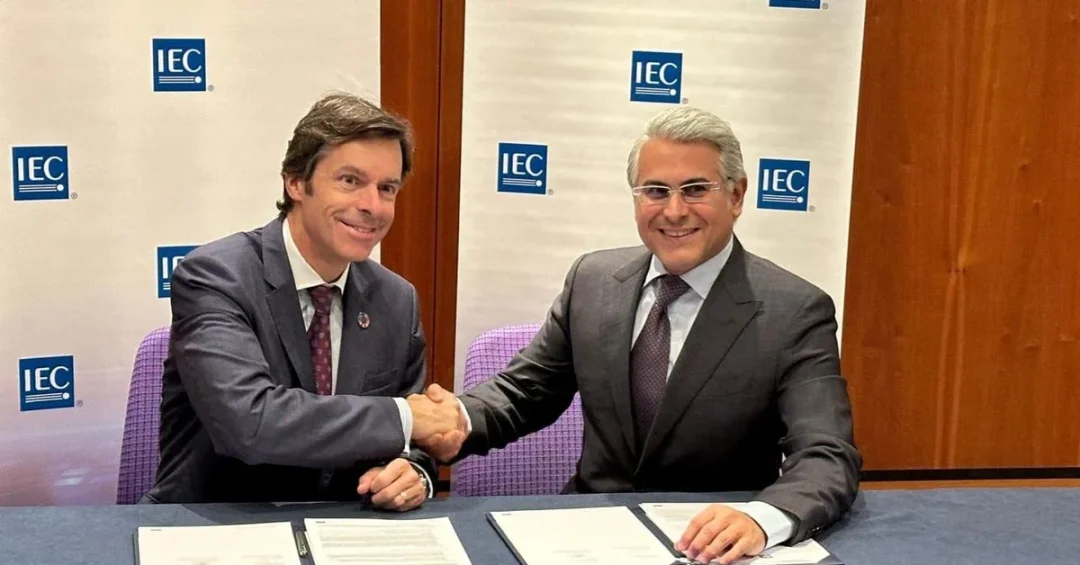
The GCC Standardization Organization (GSO) and the International Electrotechnical Commission (IEC) signed a memorandum of understanding and a regional adoption agreement on the sidelines of the IEC General Meeting in Edinburgh, Scotland, marking a significant step forward in regional and international standardization cooperation. The agreements were announced via the Saudi Press Agency and reflect a shared commitment to strengthening technical collaboration, capacity building, and the adoption of international electrotechnical standards across the Gulf region. The signing ceremony brought together senior representatives from both organizations in a move that underscores the growing integration of Gulf standards with global frameworks.
For observers of international trade and regulatory affairs, the timing of this partnership is notable. As global supply chains grow more complex and electrotechnical products increasingly cross borders, the harmonization of standards has become a critical enabler of commerce, safety, and innovation. The GSO, which represents the standardization interests of the Gulf Cooperation Council member states, has been steadily expanding its adoption of international standards. This new agreement with the IEC signals a deepening of that strategy and a clear intent to align Gulf technical regulations with globally recognized benchmarks. What does this mean for the future of trade and industrial cooperation in the region?
Context and Background
The GCC Standardization Organization is the regional body responsible for standardization activities across the member states of the Gulf Cooperation Council, which include Saudi Arabia, the United Arab Emirates, Kuwait, Bahrain, Qatar, and Oman. Established to unify standards and conformity assessment procedures across the region, the GSO plays a central role in facilitating intra-regional trade and ensuring that products entering Gulf markets meet consistent safety and quality requirements. Its work supports economic diversification and industrial development across the GCC, aligning closely with the national visions of member states, including Saudi Arabia’s Vision 2030.
The International Electrotechnical Commission, headquartered in Geneva, is the world’s leading organization for the preparation and publication of international standards for all electrical, electronic, and related technologies. Founded in 1906, the IEC has a long history of fostering global cooperation on electrotechnical standardization, and its standards are used in virtually every country. The IEC General Meeting in Edinburgh provided a fitting backdrop for the signing, as it brings together experts, regulators, and industry leaders from around the world to discuss the future of electrotechnical standardization. Why does this partnership matter for global standards harmonization?
The memorandum of understanding signed between the GSO and the IEC is designed to strengthen collaboration in several key areas. These include the exchange of technical information, capacity building for GSO member states, and the sharing of expertise between the two organizations. The agreement also aims to increase the participation of experts from GSO member states in IEC activities, giving Gulf professionals a stronger voice in the development of international standards. This is not merely a symbolic gesture; it represents a practical framework for ongoing cooperation that will benefit both organizations and the broader international standards community.
Key Details of the Agreement
The regional adoption agreement allows the GSO to adopt IEC standards at the national level within its member states. This means that Gulf countries will have streamlined access to the IEC’s extensive library of international standards, which cover a wide range of electrotechnical fields, from power generation and renewable energy to consumer electronics and industrial automation. The GSO has already adopted approximately 6,000 IEC standards, representing 20 percent of its total Gulf standards. This figure highlights the significant role that IEC standards already play in the Gulf regulatory landscape and points to the potential for further adoption.
Under the terms of the agreement, the GSO will also be able to provide private conformity assessment services, which will help ensure that products meet the required standards before entering the market. This is particularly important for manufacturers and exporters who need to demonstrate compliance with Gulf technical regulations. By aligning with IEC standards, the GSO is making it easier for businesses to access Gulf markets while maintaining high levels of safety and quality. The agreement also supports the GSO’s strategic goal of promoting international standardization to facilitate trade and comply with World Trade Organization practices.
The signing of these agreements reflects a broader trend toward international regulatory cooperation. As economies around the world become more interconnected, the ability to rely on a common set of standards reduces friction in trade and lowers costs for businesses. For the Gulf region, this is especially relevant as it seeks to diversify its economies away from oil dependence and build knowledge-based, export-oriented industries. The GSO’s partnership with the IEC is therefore not just a technical arrangement but a strategic move that supports long-term economic development. How will this agreement shape the future of Gulf industry?
International and Regional Impact
The implications of this partnership extend beyond the Gulf region. By adopting IEC standards at the national level, GSO member states are signaling their commitment to participating in the global rules-based trading system. This alignment with international standards can help Gulf countries strengthen their trading relationships with major economies in Europe, Asia, and the Americas, where IEC standards are widely recognized and often required. For international companies looking to export to the Gulf, the agreement simplifies market access by providing a clear, predictable regulatory framework based on globally accepted norms.
At the regional level, the agreement reinforces the GSO’s role as a unifying force for standardization across the GCC. By adopting IEC standards collectively, member states can avoid the fragmentation that sometimes occurs when countries develop their own technical regulations independently. This harmonization reduces costs for manufacturers, simplifies compliance for exporters, and enhances consumer protection by ensuring that products meet consistent safety and performance criteria. It also strengthens the GCC’s position in international standards-setting bodies, as the region can speak with a more unified voice through the GSO. What opportunities does this create for Gulf businesses and innovators?
Economic and Strategic Significance
The economic significance of this agreement is considerable. Standards are the invisible infrastructure of global trade, and their harmonization can deliver tangible benefits in terms of reduced trade barriers, lower compliance costs, and increased market access. For Gulf countries pursuing economic diversification, the ability to align with international standards is a competitive advantage. It enables local industries to produce goods that are accepted in global markets, attracts foreign investment by providing a transparent regulatory environment, and supports the growth of high-tech sectors such as renewable energy, electric vehicles, and smart manufacturing.
Strategically, the partnership between the GSO and the IEC enhances the Gulf region’s integration into the global knowledge economy. By increasing the participation of Gulf experts in IEC activities, the agreement builds local capacity and ensures that the region’s perspectives are considered in the development of future standards. This is particularly important as emerging technologies such as artificial intelligence, the Internet of Things, and advanced energy systems reshape the global economy. Gulf countries that are actively involved in standards development will be better positioned to influence the rules that govern these technologies and to capture the economic benefits they bring. How will Gulf experts contribute to the next generation of global standards?
Vision 2030 Alignment
For Saudi Arabia, the GSO-IEC agreement aligns closely with the objectives of Vision 2030, the Kingdom’s ambitious blueprint for economic diversification, social transformation, and global engagement. Vision 2030 emphasizes the importance of building a competitive economy, fostering innovation, and enhancing the Kingdom’s role in international affairs. Standardization is a key enabler of these goals, as it supports the development of new industries, facilitates trade and investment, and ensures that Saudi products and services meet the highest international benchmarks. The Kingdom’s active participation in the GSO and its support for international standardization are integral to its broader strategy of economic modernization.
As the largest economy in the Gulf region and a leading member of the GSO, Saudi Arabia stands to benefit significantly from the expanded adoption of IEC standards. Saudi industries, from energy and petrochemicals to manufacturing and technology, will find it easier to access global markets and to collaborate with international partners. The agreement also supports the growth of Saudi Arabia’s small and medium-sized enterprises by providing them with clear, internationally recognized standards to follow. Moreover, by increasing the participation of Saudi experts in IEC activities, the agreement contributes to the development of local talent and the exchange of knowledge, which are essential to the Kingdom’s long-term prosperity.
Looking ahead, the GSO-IEC partnership is expected to deepen over time, with further adoption of standards and expanded cooperation in new and emerging fields. For Saudi Arabia and its Gulf neighbors, this represents an opportunity to strengthen their position in the global economy, to enhance the safety and quality of products for consumers, and to contribute to the development of international standards that will shape the future of technology and trade. As the Kingdom continues its journey toward Vision 2030, partnerships like this one will play a vital role in connecting Saudi Arabia to the world and in ensuring that its economic transformation is built on a foundation of quality, safety, and international cooperation.
20 Questions
Q1. What organizations signed the memorandum of understanding and regional adoption agreement?
A1. The GCC Standardization Organization (GSO) and the International Electrotechnical Commission (IEC) signed the agreements on the sidelines of the IEC General Meeting in Edinburgh, Scotland.
Q2. Where was the agreement signed?
A2. The agreement was signed in Edinburgh, Scotland, during the IEC General Meeting, which brought together international experts and regulators in electrotechnical standardization.
Q3. What is the main purpose of the memorandum of understanding?
A3. The memorandum aims to strengthen collaboration between the GSO and IEC in technical information exchange, capacity building, expertise sharing, and increasing the participation of GSO member state experts in IEC activities.
Q4. What does the regional adoption agreement allow the GSO to do?
A4. The regional adoption agreement allows the GSO to adopt IEC standards at the national level within its member states, giving them access to the IEC’s extensive library of international standards.
Q5. How many IEC standards has the GSO already adopted?
A5. The GSO has already adopted approximately 6,000 IEC standards, which represents 20 percent of its total Gulf standards.
Q6. What are the member states of the GSO?
A6. The GSO represents the Gulf Cooperation Council member states, including Saudi Arabia, the United Arab Emirates, Kuwait, Bahrain, Qatar, and Oman.
Q7. What is the IEC and what does it do?
A7. The International Electrotechnical Commission is the world’s leading organization for preparing and publishing international standards for electrical, electronic, and related technologies, founded in 1906.
Q8. How does this agreement benefit trade in the Gulf region?
A8. By adopting international standards, the agreement facilitates trade, reduces technical barriers, and helps comply with World Trade Organization practices, making it easier for businesses to access Gulf markets.
Q9. What is the significance of the agreement for conformity assessment?
A9. The agreement allows the GSO to provide private conformity assessment services, ensuring products meet required standards before entering the market, which enhances safety and quality.
Q10. How will the agreement increase the participation of Gulf experts in IEC activities?
A10. The memorandum includes provisions for capacity building and expertise sharing, enabling more experts from GSO member states to contribute to the development of international electrotechnical standards.
Q11. What are the strategic goals of the GSO?
A11. The GSO aims to adopt international standards and promote international standardization to facilitate trade, enhance consumer safety, and support economic development across the Gulf region.
Q12. How does this agreement align with Saudi Arabia’s Vision 2030?
A12. The agreement supports Vision 2030 by enhancing economic diversification, fostering innovation, facilitating trade and investment, and ensuring Saudi products meet international benchmarks.
Q13. What sectors will benefit most from the adoption of IEC standards?
A13. Sectors such as renewable energy, consumer electronics, industrial automation, power generation, and advanced manufacturing will benefit from the adoption of IEC standards.
Q14. What is the impact of the agreement on Gulf industries?
A14. Gulf industries will find it easier to access global markets, reduce compliance costs, and demonstrate adherence to internationally recognized safety and quality standards.
Q15. How does the agreement support small and medium-sized enterprises in Saudi Arabia?
A15. The agreement provides SMEs with clear, internationally recognized standards to follow, helping them compete in global markets and integrate into international supply chains.
Q16. What role does the GSO play in the Gulf region?
A16. The GSO unifies standards and conformity assessment procedures across GCC member states, facilitating intra-regional trade and ensuring consistent safety and quality requirements.
Q17. Why is international standardization important for global trade?
A17. International standardization reduces trade barriers, lowers compliance costs, enhances consumer protection, and enables products to be accepted in multiple markets without modification.
Q18. What are the next steps following the signing of the agreement?
A18. The GSO and IEC will implement the memorandum through technical exchanges, capacity building, and increased expert participation, with further adoption of IEC standards expected over time.
Q19. How does the agreement reflect the Gulf region’s integration into the global economy?
A19. By aligning with IEC standards, the Gulf region demonstrates its commitment to the global rules-based trading system and enhances its attractiveness to international investors and partners.
Q20. What does this partnership mean for the future of standardization in the Gulf?
A20. The partnership strengthens the Gulf’s role in international standards development, supports economic diversification, and ensures that Gulf industries remain competitive in the global marketplace.
Reader Feedback
We value your thoughts. Please share your feedback on this article.
Your feedback helps us improve our coverage.
Related articles
 Saudi Economy Minister Meets World Bank Group Official
 Saudi, Uzbekistan Discuss Economic Cooperation
 Saudi Arabia Joins G20 Trade and Investment Ministerial in Brazil
 Energy Localization Forum Concludes in Riyadh with SAR104 Billion in Agreements
 Lavender Honey: A New Addition to Aseer’s Beekeeping Industry
 GACA Concludes ICAN 2024 with 15 Air Transport Agreements