


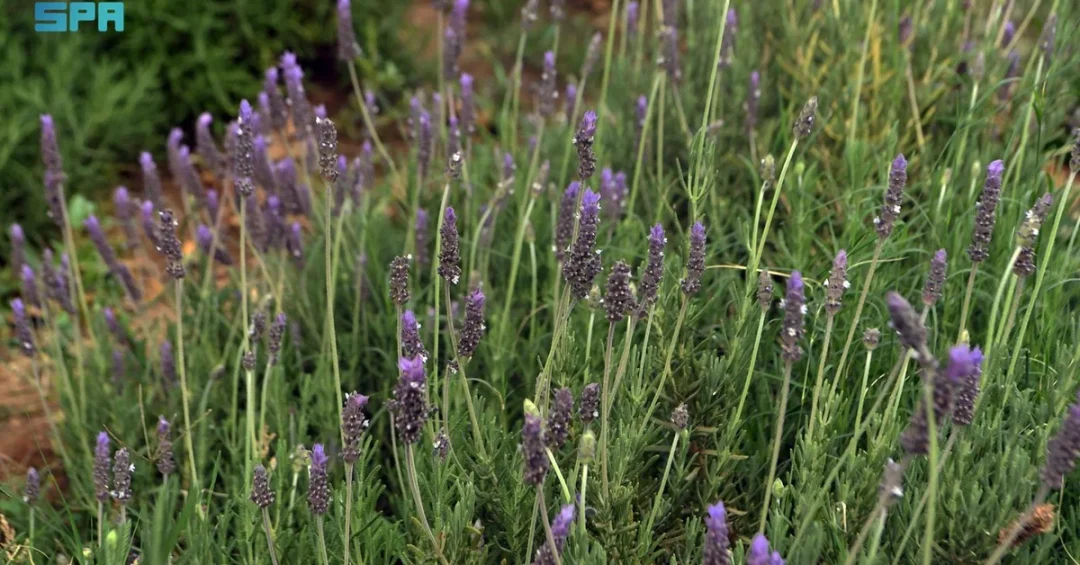
Abha, Saudi Arabia — A pioneering agricultural initiative in the Aseer region has introduced lavender honey as a promising new addition to the Kingdom’s renowned beekeeping industry, according to the Saudi Press Agency (SPA). Dr. Ali Al-Shehri, an agricultural expert based in Abha, has dedicated a portion of his land to cultivating lavender, a plant celebrated for attracting bees and producing high-quality honey. The development marks a significant step in diversifying Aseer’s honey output, which has long been associated with premium varieties such as Sidr and Talh. The initiative reflects the broader modernization of Saudi agriculture under Vision 2030, where innovation and sustainable practices are transforming traditional sectors into globally competitive enterprises.
Could a single flowering plant redefine the economic landscape of an entire region? For Aseer, the answer may well be yes. The introduction of lavender honey comes at a time when Saudi Arabia is actively promoting agricultural diversification and rural development. The Aseer region, known for its fertile highlands and moderate climate, has a centuries-old tradition of beekeeping. By adding lavender to the local flora, Dr. Al-Shehri aims to complement existing honey varieties and tap into a growing domestic and international demand for rare, high-quality natural products. The SPA report highlights that lavender honey, with its unique flavor and color, represents a new variety in the Saudi market, and its rarity commands a substantial price of up to SAR1,000 per kilogram.
Context and Background
What makes Aseer so uniquely suited for this agricultural experiment? The region’s geography and climate provide an ideal environment for both beekeeping and the cultivation of diverse flowering plants. Aseer’s mountainous terrain, cool temperatures, and seasonal rainfall create a rich ecosystem where bees can thrive. Traditionally, honey production in the region has focused on Sidr and Talh trees, which yield highly prized honey varieties. However, the success of these traditional products has not discouraged innovation. Dr. Al-Shehri’s work with lavender is part of a broader trend among Aseer’s farmers to explore new crops that can enhance honey production and diversify income streams.
According to the SPA interview, Dr. Al-Shehri was motivated by the plant’s potential despite its relative unfamiliarity in the region. Lavender, with its striking purple, crimson, and pink-white flowers, grows up to a meter high and blooms from early summer to fall. Beyond its aesthetic appeal, lavender is valued for its essential oils, which have numerous health benefits. The plant’s ability to attract bees and produce honey with a distinct light amber color, thick texture, and sweet, fragrant taste makes it an attractive option for honey producers. The harvest season for lavender honey runs from mid-summer to early fall, aligning with Aseer’s agricultural calendar and providing beekeepers with an additional seasonal revenue source.
Is it any wonder that Saudi agricultural experts are looking beyond traditional crops? The Kingdom’s beekeeping industry has been steadily modernizing, with government support for research, training, and market access. The Aseer region alone is home to thousands of beekeepers, and honey is a culturally significant product, often gifted and celebrated for its medicinal properties. The introduction of lavender honey not only adds a new product to the market but also demonstrates the adaptability and ingenuity of Saudi farmers. It signals that Aseer is not content to rest on its laurels but is actively shaping the future of honey production in the Arabian Peninsula.
Key Details of the Lavender Honey Initiative
What exactly does the production of lavender honey entail, and why is it so valuable? Dr. Al-Shehri explained to the SPA that lavender honey is harvested from mid-summer to early fall. Its light amber color, thick consistency, and sweet, fragrant flavor distinguish it from other varieties. The rarity and purity of the product contribute to its premium price, which can reach SAR1,000 per kilogram. This price point positions lavender honey alongside the most exclusive honeys in the world, appealing to discerning consumers both within Saudi Arabia and abroad.
The cultivation of lavender itself is a meticulous process. The plant requires well-drained soil and plenty of sunlight, conditions that are readily available in Aseer’s highlands. Dr. Al-Shehri has dedicated a portion of his land to lavender, carefully managing the plants to ensure optimal nectar production for bees. The flowers, which range from purple to crimson and white tinged with pink, are not only beautiful but also rich in essential oils. These oils are extracted for use in cosmetics, aromatherapy, and traditional medicine, adding another layer of value to the crop. The dual-purpose nature of lavender—honey and essential oil—makes it an economically attractive option for farmers looking to maximize returns from their land.
How does lavender honey compare to Aseer’s established varieties? Sidr and Talh honeys are renowned for their distinct flavors and health benefits, and they have long been the flagship products of the region. Lavender honey, by contrast, offers a lighter, more floral profile. It is expected to complement rather than compete with existing varieties, catering to consumers who seek novelty and variety. The SPA report notes that Dr. Al-Shehri aims to introduce lavender honey to the market as a complement to Aseer’s well-established honey varieties. This strategic positioning could help expand the overall market for Aseer honey, attracting new customer segments and enhancing the region’s reputation as a hub of premium honey production.
International and Regional Impact
Could Aseer’s lavender honey become a global export success story? The international honey market is highly competitive, but there is growing demand for artisanal, single-origin, and rare honey varieties. Lavender honey from France and Spain is already well known, but Saudi lavender honey would offer a unique terroir—shaped by Aseer’s high-altitude climate and mineral-rich soils. If marketed effectively, it could carve out a niche in luxury food markets across the Gulf, Europe, and Asia. The SAR1,000 per kilogram price tag suggests that producers are targeting high-end consumers, including gift buyers and gourmet retailers.
Regionally, the initiative could inspire other Saudi regions to experiment with new honey varieties. The Kingdom’s beekeeping sector is diverse, with different regions producing honey from Acacia, Sidr, and wildflowers. The success of lavender in Aseer could encourage similar projects in Taif, Al-Baha, and Jazan, where similar climatic conditions exist. Moreover, the introduction of lavender honey aligns with Saudi Arabia’s efforts to boost non-oil exports and promote sustainable agriculture. It also supports rural development by creating new income opportunities for small-scale farmers and beekeepers, thereby contributing to the economic diversification goals of Vision 2030.
What role does innovation play in Saudi Arabia’s agricultural strategy? The Kingdom has been investing heavily in agricultural technology, water management, and crop diversification. The Ministry of Environment, Water and Agriculture has launched various programs to support beekeepers, including training, financing, and market linkage. Dr. Al-Shehri’s lavender project exemplifies how individual initiative, combined with institutional support, can yield tangible results. It also highlights the importance of research and experimentation in unlocking the potential of underutilized plants. As Saudi Arabia seeks to enhance food security and agricultural sustainability, such innovations will be crucial.
Economic and Strategic Significance
Why does a single honey variety matter for Saudi Arabia’s economy? The economic significance of lavender honey extends beyond its direct sales. It represents a high-value, low-volume product that can generate substantial revenue per unit. For beekeepers, diversifying honey varieties reduces risk and increases resilience against market fluctuations and environmental challenges. For the region, it enhances Aseer’s brand as a source of premium natural products, which can boost tourism and related industries. The SPA report underscores that lavender honey is a new variety in Saudi Arabia, and its rarity and purity justify its premium price. This positioning can help Saudi honey gain recognition in international gourmet circles.
Strategically, the initiative supports the goals of Vision 2030 by promoting economic diversification, creating jobs, and fostering a knowledge-based economy. Agriculture, though a small part of Saudi GDP, plays a vital role in rural employment and food security. By encouraging the cultivation of lavender, the project also contributes to environmental sustainability. Lavender is a drought-tolerant plant that requires less water than many traditional crops, making it suitable for Saudi Arabia’s arid climate. Its ability to attract pollinators supports biodiversity and ecosystem health. Thus, lavender honey production aligns with multiple national priorities, from economic growth to environmental stewardship.
How can consumers and businesses benefit from this development? For consumers, lavender honey offers a new taste experience and potential health benefits. Lavender is known for its calming and anti-inflammatory properties, and these may carry over into the honey. For businesses, the product opens up opportunities in retail, hospitality, and export. Hotels and restaurants in Saudi Arabia could feature lavender honey as a local delicacy, enhancing the visitor experience. Exporters could target niche markets in Europe and Asia, where demand for artisanal honey is strong. As production scales up, prices may become more accessible, allowing a wider audience to enjoy this unique product.
Vision 2030 Alignment
How does lavender honey fit into Saudi Arabia’s long-term vision? Vision 2030 aims to transform the Kingdom into a diversified, innovative, and globally engaged economy. Agriculture is a key pillar of this transformation, with a focus on sustainable practices, technology adoption, and value-added products. The lavender honey initiative in Aseer embodies these principles. It showcases how traditional industries can be revitalized through innovation and how local resources can be leveraged to create premium products for global markets. It also reflects the vision’s emphasis on empowering citizens and residents to contribute to economic development, as Dr. Al-Shehri’s work demonstrates individual enterprise supported by national policies.
Moreover, the project aligns with the Vision 2030 goal of enhancing the quality of life for citizens and visitors. By promoting unique local products and sustainable agriculture, it contributes to a healthier environment and a richer cultural heritage. Aseer, with its stunning landscapes and rich traditions, is a key tourism destination under Vision 2030. Lavender honey can become a signature souvenir, enticing travelers to explore the region’s natural and agricultural treasures. As Saudi Arabia continues to open up to the world, products like lavender honey will help tell the story of a modern, dynamic Kingdom that honors its past while embracing the future. The success of this initiative could inspire similar projects across the country, further strengthening Saudi Arabia’s position as a leader in sustainable agriculture and premium food production.
20 Questions
Q1. What is lavender honey and where is it being produced in Saudi Arabia?
A1. Lavender honey is a premium honey variety produced from the nectar of lavender flowers. It is being cultivated in the Aseer region by agricultural expert Dr. Ali Al-Shehri, as reported by the Saudi Press Agency.
Q2. Who is Dr. Ali Al-Shehri and what is his role in this initiative?
A2. Dr. Ali Al-Shehri is an agricultural expert based in Abha. He has dedicated part of his land to growing lavender and aims to introduce lavender honey as a complement to Aseer’s traditional honey varieties.
Q3. Why is lavender honey considered a new variety in Saudi Arabia?
A3. Lavender honey is new because lavender is not widely cultivated in the region. Its unique flavor, color, and rarity make it a novel addition to the Saudi honey market, distinct from Sidr and Talh.
Q4. What are the characteristics of lavender honey?
A4. Lavender honey has a light amber color, thick texture, and a sweet, fragrant taste. It is harvested from mid-summer to early fall and is known for its purity and premium quality.
Q5. How much does lavender honey cost per kilogram?
A5. Due to its rarity and purity, a kilogram of lavender honey can reach a market price of up to SAR1,000, positioning it among the most exclusive honeys in the world.
Q6. What makes Aseer suitable for lavender cultivation?
A6. Aseer’s highlands offer a moderate climate, well-drained soil, and ample sunlight, which are ideal for lavender. The region’s ecosystem also supports healthy bee populations.
Q7. How does lavender honey compare to Sidr and Talh honey?
A7. Lavender honey has a lighter, more floral profile compared to the richer flavors of Sidr and Talh. It is intended to complement, not replace, these established varieties.
Q8. What are the health benefits of lavender?
A8. Lavender is valued for its essential oils, which have calming and anti-inflammatory properties. These benefits may carry over into the honey, adding to its appeal.
Q9. When is lavender honey harvested?
A9. Lavender honey is harvested from mid-summer to early fall, aligning with the blooming period of lavender plants in Aseer.
Q10. How does this initiative support Saudi Vision 2030?
A10. It promotes agricultural diversification, rural development, and non-oil exports. It also encourages innovation and sustainable practices, aligning with Vision 2030’s economic and environmental goals.
Q11. Can lavender honey be exported internationally?
A11. Yes, there is growing global demand for artisanal and rare honeys. Saudi lavender honey could target luxury markets in the Gulf, Europe, and Asia, enhancing non-oil exports.
Q12. What other products can be derived from lavender?
A12. Lavender is also used for essential oils, cosmetics, and aromatherapy. These dual-purpose uses add economic value for farmers.
Q13. How does lavender cultivation benefit the environment?
A13. Lavender is drought-tolerant and attracts pollinators, supporting biodiversity. It requires less water than many traditional crops, making it suitable for Saudi Arabia’s climate.
Q14. Are there any government programs supporting beekeepers in Aseer?
A14. The Ministry of Environment, Water and Agriculture provides training, financing, and market linkage programs to support beekeepers and agricultural innovation across the Kingdom.
Q15. What is the significance of Aseer’s beekeeping tradition?
A15. Aseer has a centuries-old beekeeping heritage, producing premium honeys like Sidr and Talh. It is a culturally and economically important activity in the region.
Q16. How can consumers purchase lavender honey?
A16. As production scales up, lavender honey is expected to be available in local markets, specialty stores, and potentially online. It may also feature in hotels and restaurants.
Q17. Will lavender honey production expand to other regions?
A17. If successful, the model could be replicated in other suitable regions like Taif, Al-Baha, and Jazan, diversifying Saudi honey production.
Q18. What challenges might lavender honey producers face?
A18. Challenges include limited initial awareness, scaling production, and maintaining consistent quality. However, with proper support and marketing, these can be overcome.
Q19. How does lavender honey contribute to food security?
A19. It diversifies agricultural output and creates income opportunities, enhancing rural livelihoods. It also promotes sustainable land use, contributing to long-term food security.
Q20. What is the future outlook for lavender honey in Saudi Arabia?
A20. The future looks promising. With Vision 2030 support, growing demand for premium products, and potential export opportunities, lavender honey could become a signature Saudi product.
Reader Feedback
We value your thoughts. Please share your feedback on this article.
Your feedback helps us improve our coverage.
Related articles
 GACA Concludes ICAN 2024 with 15 Air Transport Agreements
 SGS Launches Second Batch of Geological Data Packages
 Al-Kharj Saffron Success Spurs Investment in Saudi Agriculture
 SABIC Chief Leads Saudi Business Delegation to B20 Meetings in Brazil
 Saudi EXIM Signs 3 MoUs to Boost Non-Oil Exports
 ITFC Chief Holds Bilateral Talks in Washington