


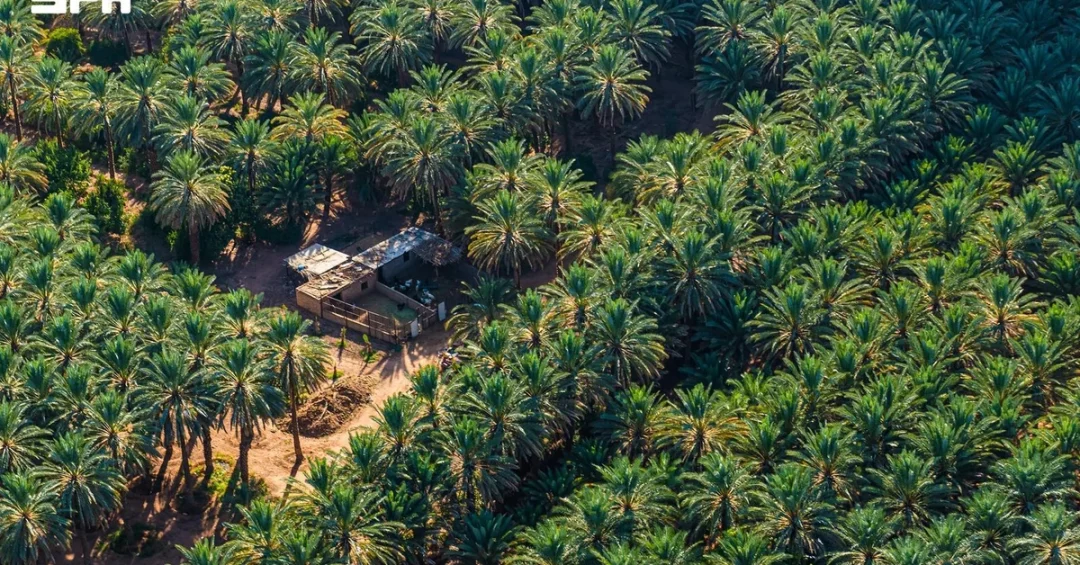
AlUla, Saudi Arabia — On Arab Environment Day, observed annually on October 14, the Royal Commission for AlUla (RCU) has announced significant milestones in its environmental restoration and wildlife protection programs, with over 5,100 hectares of natural rangeland restored and more than 530,000 seedlings from 60 native plant species planted across the governorate. The results, released via official Saudi channels including the Saudi Press Agency (SPA), underscore AlUla’s emergence as a global model for integrating ecological rehabilitation with sustainable development. Vegetation cover in AlUla has increased dramatically from just 6% in 2018 to 35% in 2025, reflecting the tangible impact of sustained restoration and protection efforts on the region’s ecosystems. But what does this remarkable transformation mean for the future of environmental stewardship in Saudi Arabia and beyond?
Arab Environment Day highlights the importance of protecting natural resources and addressing the environmental challenges facing the Arab region, including desertification, land degradation, and climate change. In AlUla Governorate, efforts focus on rehabilitating the land, restoring vegetation cover, and protecting wildlife — an approach that links environmental preservation directly with future development. The Royal Commission for AlUla, established in 2017 to preserve and develop the region, has made environmental restoration a cornerstone of its mission, aligning with Saudi Arabia’s Vision 2030 goals of sustainability and quality of life. As the Kingdom continues to position itself as a leader in environmental innovation, AlUla stands as a living laboratory for what can be achieved when conservation and development work hand in hand.
Context and Background
Why has Arab Environment Day become such a pivotal moment for reflecting on the region’s ecological future? Observed annually on October 14, the occasion draws attention to the shared environmental challenges facing Arab nations — from water scarcity and desertification to biodiversity loss and the impacts of climate change. For Saudi Arabia, these issues are not abstract; they are central to the Kingdom’s long-term stability and prosperity. The Royal Commission for AlUla has been at the forefront of addressing these challenges within its jurisdiction, which spans approximately 22,561 square kilometers of diverse landscapes, including sandstone canyons, volcanic fields, and ancient oases. Since its inception, the RCU has prioritized the restoration of natural rangelands, the protection of native wildlife, and the promotion of sustainable land management practices.
The commission’s work is rooted in a comprehensive understanding of AlUla’s ecological history. For centuries, the region served as a vital crossroads for trade and pilgrimage, but overgrazing, climate variability, and human activity gradually degraded its natural vegetation. By 2018, vegetation cover had plummeted to just 6%, threatening the delicate balance of the ecosystem and the livelihoods of local communities. In response, the RCU launched a series of ambitious programs aimed at reversing this decline. These initiatives include the restoration of natural rangelands, the establishment of protected areas such as Sharaan National Park, and the reintroduction of wildlife species that once roamed the region. The results have been striking: more than 5,100 hectares of rangeland have been restored, and over 530,000 seedlings from 60 native plant species have been planted, creating a foundation for long-term ecological resilience.
What makes AlUla’s approach distinctive is its integration of scientific research, community engagement, and international collaboration. The RCU works closely with local communities, including Bedouin tribes who have inhabited the region for generations, to ensure that restoration efforts respect traditional knowledge and provide economic opportunities. The commission also partners with global conservation organizations and research institutions to monitor progress and refine strategies. This collaborative model has not only accelerated environmental recovery but also positioned AlUla as a destination for eco-tourism and scientific study, further supporting the region’s sustainable development goals.
Key Details of the Restoration Programs
How exactly has AlUla managed to restore thousands of hectares of degraded land in just a few years? The answer lies in a multi-pronged strategy that combines grazing regulation, native species planting, and habitat protection. In Sharaan National Park, which covers approximately 1,524 square kilometers, the RCU has implemented measures to regulate grazing and curb environmentally harmful activities. These measures have allowed native plants to regenerate naturally, while targeted planting programs have accelerated the recovery of vegetation cover. The park now serves as a sanctuary for a variety of plant and animal species, some of which are endemic to the region.
The planting of over 530,000 seedlings from 60 native plant species is a cornerstone of the restoration effort. These species were carefully selected for their ability to thrive in AlUla’s arid climate and to provide food and shelter for wildlife. Among them are acacia trees, which are vital for shade and soil stabilization, and a range of shrubs and grasses that help prevent erosion and improve soil fertility. The RCU’s nurseries have become centers of excellence for native plant propagation, producing high-quality seedlings that are adapted to local conditions. This approach not only enhances biodiversity but also ensures that restoration efforts are sustainable and resilient to future climate shocks.
Efforts are also underway to prepare habitats for the reintroduction of wildlife species historically associated with the region. The Arabian leopard, the Arabian oryx, and the Nubian ibex are among the iconic species that the RCU aims to reintroduce to AlUla’s landscapes. These animals play crucial roles in maintaining ecosystem balance — for example, large herbivores help control vegetation growth and disperse seeds, while predators regulate prey populations. The RCU has established breeding and acclimatization facilities to support these reintroductions, and it is working with international experts to ensure that the animals are released into suitable habitats with adequate protection. The return of these species would be a powerful symbol of ecological restoration and a major draw for eco-tourists.
International and Regional Impact
Could AlUla’s success serve as a blueprint for other arid regions facing similar environmental challenges? The implications extend far beyond Saudi Arabia’s borders. Across the Arab world, desertification and land degradation threaten food security, water resources, and community livelihoods. According to the United Nations, up to 65% of land in the Arab region is affected by desertification, and the region loses an estimated 1.5 million hectares of productive land each year. AlUla’s achievements demonstrate that with political will, scientific expertise, and community involvement, it is possible to reverse these trends. The RCU’s programs have attracted attention from international organizations, including the United Nations Environment Programme (UNEP) and the International Union for Conservation of Nature (IUCN), which have praised AlUla as a model for sustainable land management.
Regionally, AlUla’s environmental restoration aligns with the goals of the Arab League’s Environmental and Development Strategy, which calls for enhanced cooperation on desertification, biodiversity, and climate change adaptation. Saudi Arabia, through its Vision 2030 framework, has committed to increasing protected areas, promoting renewable energy, and improving environmental governance. The Kingdom’s hosting of major global events, such as the Saudi Green Initiative and the Middle East Green Initiative, has further elevated its role as a leader in environmental diplomacy. AlUla’s restored rangelands and protected wildlife areas contribute directly to these initiatives, showcasing how local action can support national and regional objectives. For international audiences, AlUla offers a compelling narrative of hope and progress — a story of how a historically significant region is being reborn as a sustainable haven for nature and people alike.
Economic and Strategic Significance
What economic benefits flow from environmental restoration, and how do they reinforce Saudi Arabia’s strategic vision? The restoration of AlUla’s natural landscapes is not merely an ecological triumph; it is also an economic catalyst. Healthy rangelands support traditional grazing activities, which are integral to the cultural heritage of local communities. By restoring vegetation cover, the RCU has helped revive pastoral livelihoods that had been threatened by land degradation. Moreover, the improved ecosystems enhance the region’s appeal as a tourism destination. AlUla already attracts visitors from around the world to its ancient archaeological sites, such as Hegra, Saudi Arabia’s first UNESCO World Heritage property. The addition of lush oases, thriving wildlife, and eco-friendly accommodations is expected to extend visitor stays and boost local revenue.
The strategic significance of these efforts extends to Saudi Arabia’s broader economic diversification goals. Vision 2030 seeks to reduce dependence on oil revenues by developing new sectors, including tourism, entertainment, and environmental services. AlUla is a flagship project within this strategy, with the RCU investing in infrastructure, hospitality, and conservation simultaneously. The commission has partnered with international hotel brands, adventure tourism operators, and research institutions to create a sustainable tourism ecosystem that respects the environment while generating jobs and income. Additionally, the restoration programs contribute to carbon sequestration, helping Saudi Arabia meet its climate commitments, including the goal of achieving net-zero emissions by 2060. By investing in natural capital, AlUla is building a resilient economy that values both people and planet.
Vision 2030 Alignment
How does AlUla’s environmental restoration embody the core principles of Saudi Vision 2030? The Vision, launched in 2016 by Crown Prince Mohammed bin Salman, sets out a comprehensive roadmap for transforming the Kingdom into a diversified, sustainable, and globally engaged economy. Environmental sustainability is a key pillar, with specific targets for renewable energy, water conservation, and biodiversity protection. The Royal Commission for AlUla’s work directly supports these targets by restoring degraded land, protecting endangered species, and promoting eco-tourism. The increase in vegetation cover from 6% to 35% is a measurable indicator of progress, demonstrating that Vision 2030 is not just an aspiration but a reality on the ground.
Furthermore, AlUla’s model of integrating conservation with community development reflects the Vision’s emphasis on quality of life and social inclusion. Local residents have been engaged in restoration activities, from planting seedlings to managing protected areas, creating new skills and employment opportunities. The RCU’s educational programs raise environmental awareness among young Saudis, nurturing a generation of conservation leaders. As Saudi Arabia prepares to host major international events, including Expo 2030 in Riyadh and the 2034 FIFA World Cup, AlUla’s environmental achievements will serve as a showcase of the Kingdom’s commitment to sustainability. The message is clear: Saudi Arabia is not only preserving its natural heritage but also shaping a future where economic prosperity and environmental stewardship go hand in hand. For the world, AlUla offers a beacon of hope — a testament to what can be achieved when vision, leadership, and community action converge.
20 Questions
Q1. What is Arab Environment Day?
A1. Arab Environment Day is observed annually on October 14 to highlight the importance of protecting natural resources and addressing environmental challenges facing the Arab region, including desertification, climate change, and land degradation.
Q2. What is the Royal Commission for AlUla (RCU)?
A2. The RCU is a Saudi government body established in 2017 to preserve and develop AlUla, focusing on environmental restoration, heritage conservation, and sustainable tourism in line with Vision 2030.
Q3. How much rangeland has been restored in AlUla?
A3. More than 5,100 hectares of natural rangeland have been restored through the RCU’s environmental rehabilitation programs, significantly improving ecosystem health.
Q4. How many seedlings have been planted in AlUla?
A4. Over 530,000 seedlings from 60 native plant species have been planted, enhancing vegetation cover and biodiversity across the governorate.
Q5. How has vegetation cover changed in AlUla?
A5. Vegetation cover increased from 6% in 2018 to 35% in 2025, reflecting the success of restoration and protection efforts.
Q6. What is Sharaan National Park?
A6. Sharaan National Park is a protected area in AlUla covering approximately 1,524 square kilometers, where grazing is regulated and native plants and wildlife are conserved.
Q7. What measures are taken in Sharaan National Park?
A7. The RCU regulates grazing and curbs environmentally harmful activities to allow native plants to grow and prepares habitats for wildlife reintroduction.
Q8. Which wildlife species are being reintroduced in AlUla?
A8. The RCU is working to reintroduce species historically associated with the region, such as the Arabian leopard, Arabian oryx, and Nubian ibex.
Q9. Why is wildlife reintroduction important?
A9. Reintroducing native wildlife helps restore ecological balance, supports biodiversity, and enhances AlUla’s appeal as a sustainable tourism destination.
Q10. How does AlUla’s work align with Vision 2030?
A10. It supports Vision 2030’s environmental sustainability goals, including biodiversity protection, renewable energy, and quality of life improvements, while promoting economic diversification through eco-tourism.
Q11. What economic benefits does restoration bring?
A11. Restoration revives pastoral livelihoods, boosts eco-tourism, creates jobs, and supports Saudi Arabia’s economic diversification away from oil dependence.
Q12. How does AlUla engage local communities?
A12. The RCU involves local residents in restoration activities, provides training and employment, and incorporates traditional knowledge into conservation practices.
Q13. What international recognition has AlUla received?
A13. AlUla’s environmental programs have been praised by international organizations like UNEP and IUCN as a model for sustainable land management in arid regions.
Q14. How does AlUla contribute to climate goals?
A14. Restored vegetation sequesters carbon, helping Saudi Arabia meet its net-zero emissions target by 2060 and supporting global climate action.
Q15. What is the significance of native plant species?
A15. Native species are adapted to local conditions, require less water, and provide essential habitat and food for wildlife, ensuring sustainable restoration.
Q16. How does AlUla’s approach differ from traditional conservation?
A16. It integrates conservation with development, community engagement, and tourism, creating a holistic model that benefits both nature and people.
Q17. What role does the Saudi Press Agency play?
A17. The Saudi Press Agency (SPA) is the official news outlet that disseminates verified information about Saudi government initiatives, including AlUla’s environmental progress.
Q18. How can other regions learn from AlUla?
A18. Other arid regions can adopt AlUla’s multi-stakeholder approach, combining scientific research, community involvement, and policy support to combat desertification.
Q19. What are the future plans for AlUla’s restoration?
A19. The RCU aims to expand restored areas, reintroduce more wildlife, and enhance eco-tourism infrastructure, further aligning with Vision 2030.
Q20. Why is AlUla’s success important globally?
A20. It demonstrates that with vision and commitment, degraded landscapes can be revived, offering hope and a replicable model for sustainable development worldwide.
Reader Feedback
We value your thoughts. Please share your feedback on this article.
Your feedback helps us improve our coverage.