


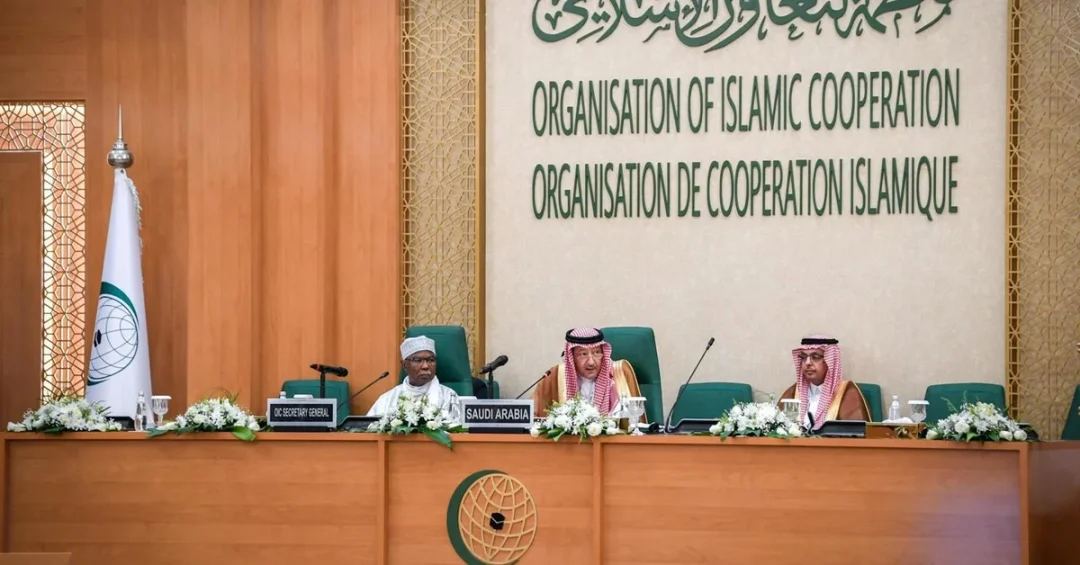
The Donors’ Conference to Support Displaced Persons and Refugees in the Sahel and Lake Chad Region opened in Jeddah on October 26, 2024, hosted by the Kingdom of Saudi Arabia through the King Salman Humanitarian Aid and Relief Center (KSrelief), in partnership with the Organization of Islamic Cooperation (OIC), the United Nations Office for the Coordination of Humanitarian Affairs (OCHA), and the United Nations High Commissioner for Refugees (UNHCR). The high-level gathering brought together representatives of governments, international organizations, and humanitarian agencies to mobilize resources for more than 30 million people in urgent need across one of the world’s most fragile regions.
The conference reflects Saudi Arabia’s longstanding role as a global humanitarian donor and its commitment to alleviating the suffering of vulnerable communities worldwide. By convening this event in Jeddah, the Kingdom reinforces its position as a bridge between the Islamic world and the international community, using its diplomatic weight and humanitarian infrastructure to address a crisis that spans multiple countries and affects millions of displaced families. What does it take to turn global attention into lasting relief for communities that have endured displacement for years?
Context and Background
Why does the Sahel and Lake Chad region remain one of the world’s most overlooked humanitarian emergencies? The region, stretching across countries such as Mali, Burkina Faso, Niger, Nigeria, Chad, and Cameroon, has faced a compounding series of crises over the past decade. Armed conflict, violent extremism, climate change, and economic strain have combined to displace millions of people and push entire communities to the brink of survival. According to the United Nations, more than 30 million people in the region require immediate humanitarian assistance, making it one of the largest and most complex displacement crises in the world.
The Jeddah conference was convened in response to this escalating situation. The OIC Secretary-General, Hissein Ibrahim Taha, emphasized in his address that the event is a testament to the solidarity between the OIC and international partners in rallying support for displaced populations facing dire circumstances. He highlighted that the primary goal is to secure essential funding to support affected nations and to create a forum for dialogue and consultation among key humanitarian stakeholders. The conference also aims to raise awareness of the complex crises in the Sahel and Lake Chad, and to foster strong partnerships for an enhanced and sustained humanitarian response.
Saudi Arabia’s decision to host the conference through KSrelief underscores the Kingdom’s established commitment to international humanitarian relief. KSrelief has become a leading global humanitarian actor, implementing projects in dozens of countries and partnering with UN agencies and other international organizations. The choice of Jeddah as the venue also carries symbolic weight, as the city serves as a gateway to the Islamic world and a hub for diplomatic engagement. How can a single conference translate into sustained support for millions of displaced people?
Key Details
What did the conference actually set out to achieve? The event’s core objective was to mobilize resources for both humanitarian and development initiatives in the Sahel and Lake Chad region. It sought to raise awareness of the multifaceted crises affecting the area and to build partnerships that would lead to a more effective and sustained response. The conference included a documentary presentation illustrating the region’s humanitarian challenges and the pressing needs of displaced communities, giving participants a vivid picture of the realities on the ground.
UN Secretary-General Antonio Guterres expressed gratitude to Saudi Arabia and the OIC for hosting the conference. He noted both the potential and the challenges of the Sahel and Lake Chad region, recognizing its capacity to contribute to the Sustainable Development Goals while acknowledging that conflict, climate change, and economic strain have led to severe humanitarian crises. Guterres called for urgent support for humanitarian efforts, alongside long-term investments to address root issues such as poverty, inequality, climate adaptation, and peacebuilding. He urged all parties to end hostilities, ensure civilian protection, and facilitate unhindered humanitarian access.
The conference brought together a diverse group of stakeholders, including representatives from donor countries, international financial institutions, humanitarian organizations, and regional bodies. Their discussions focused on how to close the funding gap for humanitarian operations in the region, which remains significantly underfunded relative to the scale of need. The presence of OCHA and UNHCR as partners ensured that the conference aligned with broader UN-led coordination efforts, while the OIC’s involvement brought a strong Islamic solidarity dimension to the proceedings. What role can regional organizations play in bridging the gap between pledges and actual delivery on the ground?
International and Regional Impact
How does a conference in Jeddah resonate across Africa, the Middle East, and the wider world? The humanitarian situation in the Sahel and Lake Chad region has far-reaching implications for regional stability and global security. Displacement, poverty, and lack of opportunity can fuel extremism and instability, which in turn can spill over into neighboring regions. By addressing the root causes and providing immediate relief, the international community can help stabilize the region and create conditions for sustainable development. The Jeddah conference thus represents more than a fundraising event; it is a strategic intervention in a region of critical geopolitical importance.
Saudi Arabia’s leadership in hosting the conference also reinforces its growing role as a global humanitarian leader. The Kingdom has consistently used its resources and diplomatic influence to support vulnerable populations, from Yemen to Syria to Africa. This conference adds to that record and demonstrates Saudi Arabia’s ability to convene a wide range of international actors around a common cause. For the OIC, the event highlights its capacity to mobilize its member states and partners in response to crises affecting Muslim communities and beyond. What message does this send about the power of collective action in a fragmented world?
The conference also serves as a platform for dialogue between donor countries and affected states, allowing for a more coordinated and needs-based approach to humanitarian assistance. By bringing together all relevant stakeholders, it helps ensure that resources are directed where they are most needed and that duplicative efforts are minimized. The participation of UN agencies ensures that the response is grounded in international humanitarian principles and best practices. In a world where humanitarian needs are outpacing available resources, such coordination is essential.
Economic and Strategic Significance
Why should the international community care about the economic dimensions of this crisis? The Sahel and Lake Chad region possesses significant economic potential, including agriculture, livestock, and natural resources. However, conflict and displacement have disrupted livelihoods, forced millions to abandon their homes, and undermined prospects for development. By investing in humanitarian relief and long-term resilience, the international community can help unlock the region’s economic potential and create opportunities for its young and growing population. The conference’s emphasis on both immediate aid and long-term investments reflects a recognition that humanitarian and development efforts must go hand in hand.
For Saudi Arabia, the conference aligns with its broader strategic priorities, including promoting stability in the Islamic world and strengthening partnerships with African nations. The Kingdom has deepened its engagement with Africa in recent years, viewing the continent as a key partner for trade, investment, and diplomatic cooperation. By leading on this humanitarian issue, Saudi Arabia reinforces its reputation as a responsible global actor and a reliable partner for development. The conference also provides an opportunity to showcase the capabilities of KSrelief, which has become a model for effective and principled humanitarian action. How can humanitarian diplomacy contribute to broader peace and security objectives?
The economic strain caused by the crisis is not limited to the affected countries. Displacement and instability can disrupt trade routes, increase migration pressures, and create economic burdens for neighboring states. By addressing the crisis comprehensively, the international community can mitigate these spillover effects and support regional economic integration. The conference’s focus on sustainable solutions, including climate adaptation and peacebuilding, reflects an understanding that humanitarian crises cannot be resolved through emergency assistance alone. Long-term investments in education, healthcare, and infrastructure are essential to build resilience and prevent future displacement.
Vision 2030 Alignment
How does Saudi Arabia’s humanitarian leadership connect to its Vision 2030 goals? The Kingdom’s Vision 2030 is not only about economic diversification and social reform at home; it also envisions a Saudi Arabia that is a positive force in the world, contributing to global stability and prosperity. Hosting the Donors’ Conference and supporting displaced persons in the Sahel and Lake Chad region is a concrete expression of that vision. It demonstrates the Kingdom’s commitment to international cooperation, humanitarian values, and the promotion of peace and development. By leveraging its resources and influence, Saudi Arabia is helping to build a more stable and prosperous world, which in turn supports its own security and economic interests.
The conference also highlights the role of Saudi institutions such as KSrelief in advancing the Kingdom’s global humanitarian agenda. Under Vision 2030, Saudi Arabia has sought to enhance its soft power and project a positive image abroad, and humanitarian aid is a key component of that effort. The partnership with the OIC, OCHA, and UNHCR further underscores Saudi Arabia’s ability to work with multilateral organizations to address complex global challenges. As the conference concludes, the focus will shift to ensuring that pledges are fulfilled and that assistance reaches those who need it most. What legacy will this conference leave for the people of the Sahel and Lake Chad, and for Saudi Arabia’s role on the world stage?
20 Questions
Q1. What was the main purpose of the Donors’ Conference in Jeddah?
A1. The conference aimed to mobilize resources for humanitarian and development initiatives in the Sahel and Lake Chad region, raise awareness of the crises there, and foster partnerships for a sustained response to support displaced persons and refugees.
Q2. Who hosted the Donors’ Conference and through which organization?
A2. The Kingdom of Saudi Arabia hosted the conference through the King Salman Humanitarian Aid and Relief Center (KSrelief), in partnership with the OIC, OCHA, and UNHCR.
Q3. Where and when did the conference take place?
A3. The conference opened on October 26, 2024, in Jeddah, Saudi Arabia, bringing together international stakeholders to address the humanitarian crisis in the Sahel and Lake Chad region.
Q4. What did OIC Secretary-General Hissein Ibrahim Taha say about the conference?
A4. He emphasized that the conference is a testament to solidarity between the OIC and international partners in rallying support for displaced populations facing dire circumstances in the Sahel and Lake Chad region.
Q5. How did UN Secretary-General Antonio Guterres contribute to the conference?
A5. Guterres expressed gratitude to Saudi Arabia and the OIC for hosting, highlighted the region’s potential and challenges, and called for urgent humanitarian support alongside long-term investments in poverty reduction, inequality, climate adaptation, and peacebuilding.
Q6. What is the scale of the humanitarian crisis in the Sahel and Lake Chad region?
A6. According to the United Nations, over 30 million people in the region are in need of immediate assistance due to conflict, climate change, and economic strain, making it one of the world’s largest displacement crises.
Q7. What were the key objectives of the conference?
A7. The conference aimed to secure essential funding for affected nations, create a forum for dialogue among humanitarian stakeholders, raise awareness of the complex crises, and foster strong partnerships for an enhanced and sustained humanitarian response.
Q8. What role did KSrelief play in organizing the conference?
A8. KSrelief, Saudi Arabia’s humanitarian aid agency, hosted the conference as part of the Kingdom’s commitment to alleviating the suffering of vulnerable communities worldwide and supporting international relief efforts.
Q9. Which organizations partnered with Saudi Arabia to host the event?
A9. The Organization of Islamic Cooperation (OIC), the United Nations Office for the Coordination of Humanitarian Affairs (OCHA), and the United Nations High Commissioner for Refugees (UNHCR) partnered with Saudi Arabia.
Q10. What did the documentary shown at the conference depict?
A10. The documentary illustrated the region’s humanitarian challenges and the pressing needs of displaced communities, providing participants with a vivid understanding of the realities on the ground.
Q11. What did Guterres urge parties to do regarding the conflict?
A11. He urged all parties to end hostilities, ensure civilian protection, and facilitate unhindered humanitarian access to allow aid to reach those in need without obstruction.
Q12. How does the conference reflect Saudi Arabia’s humanitarian commitment?
A12. It demonstrates Saudi Arabia’s established commitment to alleviating the suffering of vulnerable communities worldwide, reinforcing its role as a leading global humanitarian donor and its use of resources for international relief.
Q13. Why is the Sahel and Lake Chad region important to global stability?
A13. The region’s instability, driven by conflict and displacement, can fuel extremism and migration pressures, affecting neighboring regions and global security, making humanitarian support a strategic investment in stability.
Q14. What long-term investments did Guterres call for?
A14. He called for investments in poverty reduction, inequality reduction, climate adaptation, and peacebuilding to address the root causes of the crisis and build resilience for the future.
Q15. How does the conference align with Saudi Vision 2030?
A15. It aligns with Vision 2030 by showcasing Saudi Arabia as a positive global force, promoting international cooperation and humanitarian values, and enhancing the Kingdom’s soft power and global role.
Q16. What is the significance of holding the conference in Jeddah?
A16. Jeddah serves as a gateway to the Islamic world and a diplomatic hub, symbolizing Saudi Arabia’s role as a bridge between the Islamic world and the international community in addressing humanitarian crises.
Q17. How many people are affected by the crisis in the region?
A17. More than 30 million people require immediate humanitarian assistance, according to UN estimates, due to the compounded effects of conflict, climate change, and economic hardship.
Q18. What partnerships were strengthened at the conference?
A18. The conference strengthened partnerships among donor countries, international organizations, and regional bodies, fostering collaboration to close the funding gap and ensure a coordinated, effective humanitarian response.
Q19. What are the expected outcomes of the conference?
A19. Expected outcomes include increased funding pledges, enhanced coordination among stakeholders, greater awareness of the crisis, and a commitment to sustained support for displaced persons and refugees in the region.
Q20. How can the international community sustain support beyond the conference?
A20. Sustained support requires fulfilling pledges, investing in long-term development and resilience, maintaining dialogue among stakeholders, and addressing root causes such as poverty, inequality, and climate change through coordinated efforts.
Reader Feedback
We value your thoughts. Please share your feedback on this article.
Your feedback helps us improve our coverage.
Related articles
 KSrelief Chief Highlights Saudi Aid Strategy in Sahel
 Saudi-Led Conference Raises $1.1B for Sahel and Lake Chad
 Saudi Vice Foreign Minister Joins Sahel Donors’ Conference in Jeddah
 Kyrgyzstan Religious Chairman Receives Imam of Prophet’s Mosque
 Arab Parliament Elects Four Deputies to Speaker Al-Yamahi
 Saudi Arabia Pledges $51 Million for Sahel and Lake Chad