


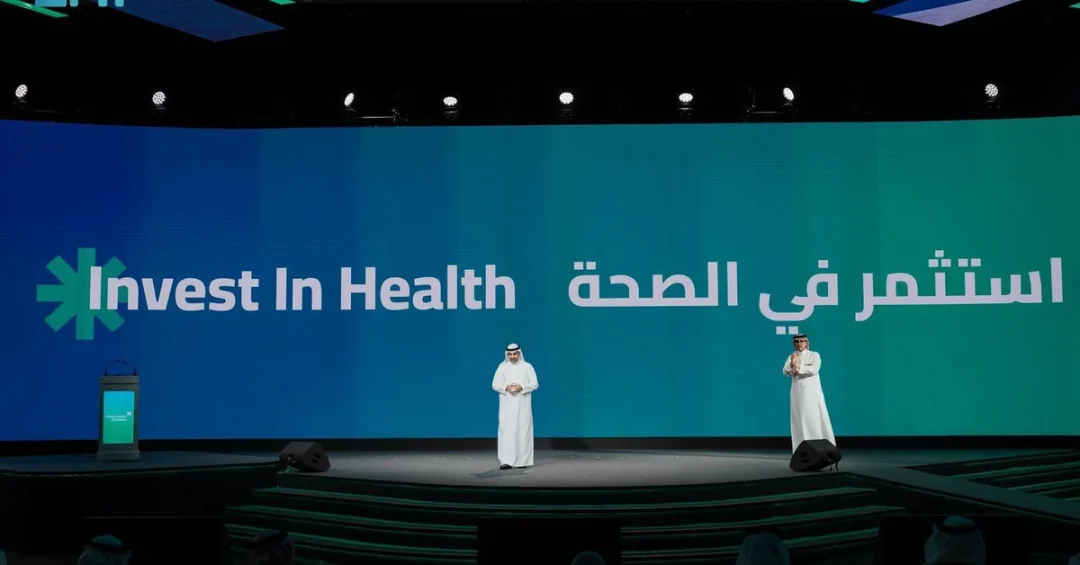
More than SAR55 billion in health sector investments and agreements were announced at the Global Health Exhibition in Riyadh, according to the Saudi Press Agency (SPA), marking one of the largest single gatherings of healthcare capital commitments in the Kingdom’s history. The event, held at the Riyadh International Convention and Exhibition Center in Malham, brought together government ministries, hospital operators, pharmaceutical manufacturers, and global health leaders under one roof to advance the objectives of Saudi Arabia’s Vision 2030 health sector transformation program. The announcements, released via official Saudi channels, underscore the Kingdom’s determination to build a world-class, sustainable, and integrated healthcare system. How does a single exhibition translate into a lasting transformation of a nation’s health landscape?
The scale of the commitments reflects a strategic shift in how Saudi Arabia approaches healthcare investment. Rather than isolated projects, the exhibition unveiled a coordinated portfolio spanning hospital construction, pharmaceutical localization, primary care expansion, and medical technology innovation. The Ministry of Health, working alongside the Health Sector Transformation Program, has positioned these investments as essential pillars of a broader national effort to improve access, quality, and self-sufficiency. For international observers, the message is clear: the Kingdom is not merely spending on health, it is building an ecosystem. What makes this moment different from previous waves of investment?
Context and Background
Can a health exhibition serve as a catalyst for national transformation? In Saudi Arabia’s case, the answer is emerging as a resounding yes. The Global Health Exhibition has evolved into a strategic platform where public and private stakeholders converge to align capital, expertise, and policy. The 2024 edition, held in Riyadh, demonstrated how the Kingdom’s health sector transformation program is moving from planning to execution. The program, a core component of Vision 2030, aims to restructure the health system around patient-centered care, digital innovation, and financial sustainability. The investments announced at the exhibition are not abstract pledges; they are concrete projects with timelines, partners, and measurable outcomes.
The context matters because Saudi Arabia’s healthcare sector is undergoing a generational overhaul. For decades, the Kingdom relied heavily on public provision and imported medical products. Today, under the leadership of the Crown Prince and Prime Minister Mohammed bin Salman, the strategy has shifted toward privatization, localization, and global partnership. The National Unified Procurement Company for Medical Supplies (NUPCO) plays a central role in this shift, aggregating demand and negotiating agreements that bring manufacturing closer to home. The exhibition’s announcements, including agreements with Sanofi and Novo Nordisk, illustrate how international companies are responding to Saudi Arabia’s invitation to invest, localize, and grow together. What does this mean for the global pharmaceutical supply chain?
Historically, Saudi Arabia’s health budget has been substantial, but the focus is now on efficiency and outcomes. The transformation program seeks to increase private sector participation from around 40 percent to 65 percent by 2030, according to official targets. The SAR55 billion in announcements at the exhibition represents a significant step toward that goal. It also signals to international investors that the regulatory environment is becoming more predictable and welcoming. The presence of global health leaders at the Riyadh event confirms that Saudi Arabia is no longer just a market; it is a partner. How quickly can these commitments translate into tangible improvements for patients?
Key Details
What exactly was announced, and who is leading the charge? The headline investments came from three major Saudi hospital operators. Dr. Sulaiman Al-Habib Medical Group announced new healthcare projects valued at over SAR10 billion, expanding its network of hospitals and clinics across the Kingdom. Dallah Hospital unveiled plans for a SAR4 billion facility in Riyadh, adding significant capacity to the capital’s healthcare infrastructure. Fakeeh Care Group committed SAR5 billion to expansion initiatives, further strengthening its presence in key regions. Together, these three commitments alone exceed SAR19 billion, setting a strong foundation for the exhibition’s overall total.
The partnerships announced alongside these investments are equally consequential. NUPCO signed agreements that will localize the production of six to seven insulin products, a move that directly addresses diabetes, one of Saudi Arabia’s most pressing public health challenges. The agreements with Sanofi and Novo Nordisk bring global expertise into local manufacturing, supporting the Ministry of Health’s goal of achieving self-sufficiency in medicine and medical supply production. In addition, the exhibition highlighted health expansions valued at SAR5 billion and funding for the development of five primary care centers and two new hospitals. These projects are designed to extend care beyond major cities, reaching communities that have historically had limited access to specialized services.
Innovation was another central theme. The forum introduced a robotic device for sample transfer that operates without human intervention, reducing error rates and improving laboratory efficiency. A specialized vascular surgery device was also unveiled, aimed at enhancing surgical precision and speed. These technologies align with the Ministry of Health’s objectives to bolster drug and health security, provide sustainable and integrated healthcare services, and increase readiness to address future health challenges. The combination of capital, partnership, and technology presented at the exhibition paints a comprehensive picture of a health system in motion. Which of these innovations will have the most immediate impact on patient care?
International and Regional Impact
How will these investments resonate beyond Saudi Arabia’s borders? The Global Health Exhibition has positioned the Kingdom as a hub for health sector collaboration in the Middle East and beyond. The participation of global companies such as Sanofi and Novo Nordisk signals confidence in Saudi Arabia’s regulatory reforms and long-term vision. For regional neighbors, the exhibition offers a model of how to attract foreign direct investment in healthcare while building domestic capacity. The localization of insulin production, for example, could eventually serve not only Saudi patients but also export markets, strengthening the Kingdom’s role in regional health security.
The international implications extend to supply chain resilience. During the COVID-19 pandemic, countries around the world experienced the vulnerabilities of relying on distant manufacturing for essential medicines and supplies. Saudi Arabia’s push to localize production of insulin and other medical products is a direct response to that lesson. By partnering with global leaders, the Kingdom is building a dual advantage: access to cutting-edge technology and the ability to manufacture at scale domestically. This approach could reduce costs, improve availability, and create high-skilled jobs for Saudi nationals. What lessons can other nations draw from Saudi Arabia’s localization strategy?
Regionally, the exhibition reinforces Riyadh’s status as a diplomatic and economic center. The presence of major international health companies at a Saudi-hosted event demonstrates that the Kingdom’s Vision 2030 agenda is attracting genuine global engagement. The agreements signed at the exhibition are not merely commercial transactions; they are statements of long-term partnership. For international readers, this matters because it shows a Saudi Arabia that is open for business, committed to innovation, and willing to invest in the well-being of its people and the region.
Economic and Strategic Significance
What does SAR55 billion in health investments mean for Saudi Arabia’s economy? The figure represents a substantial injection of capital into a sector that is both labor-intensive and technology-driven. Hospital construction and expansion create immediate jobs in engineering, construction, and facilities management. Pharmaceutical localization creates skilled manufacturing and research positions. Primary care center development expands employment for nurses, physicians, and allied health professionals. Beyond direct job creation, these investments stimulate ancillary industries, from medical equipment supply to digital health platforms and logistics.
Strategically, the investments reduce the Kingdom’s dependence on imported medical products and services. Self-sufficiency in medicine and medical supply production is a national security objective, not just an economic one. The Ministry of Health has articulated this goal clearly, and the agreements announced at the exhibition are a tangible step toward achieving it. The involvement of NUPCO ensures that procurement is centralized and efficient, giving Saudi Arabia greater bargaining power and enabling long-term contracts that attract manufacturers. This model is already drawing interest from other sectors, including food security and defense, where localization is also a priority. How will the success of health localization influence other industries?
The economic significance also lies in the signal it sends to global investors. Saudi Arabia’s health sector is becoming more transparent, more competitive, and more integrated with international standards. The exhibition provided a platform for companies to announce commitments and for the government to showcase progress. This transparency builds trust, which in turn attracts further investment. The Kingdom’s broader economic diversification agenda, driven by Vision 2030, depends on such virtuous cycles. Health is not just a social service; it is an economic sector with enormous growth potential.
Vision 2030 Alignment
How do these announcements connect to Saudi Arabia’s long-term vision? Vision 2030, launched in 2016 under the leadership of Crown Prince Mohammed bin Salman, sets out a comprehensive roadmap for economic diversification, social development, and global engagement. The health sector transformation program is one of the vision’s key realization programs, with explicit targets to improve healthcare quality, accessibility, and sustainability. The SAR55 billion in investments and agreements announced at the Global Health Exhibition directly support these targets by expanding infrastructure, localizing production, and introducing innovative technologies.
The alignment goes beyond numbers. Vision 2030 emphasizes a vibrant society, a thriving economy, and an ambitious nation. The health investments announced in Riyadh touch all three pillars. They improve the quality of life for citizens and residents, create economic opportunities for businesses and workers, and demonstrate the Kingdom’s ambition to be a global leader in healthcare. The Ministry of Health’s objectives, including bolstering drug and health security and providing integrated services, are now backed by concrete capital and partnerships. As Saudi Arabia continues its journey toward 2030, the Global Health Exhibition stands as a milestone, a moment when vision turned into action. What will the next chapter of this transformation bring?
20 Questions
Q1. What was the total value of investments and agreements announced at the Global Health Exhibition?
A1. The total value exceeded SAR55 billion, according to the Saudi Press Agency. This included major hospital projects, pharmaceutical localization agreements, and health technology innovations, all aimed at advancing Saudi Arabia’s health sector transformation program under Vision 2030.
Q2. Where was the Global Health Exhibition held?
A2. It was held at the Riyadh International Convention and Exhibition Center in Malham, Riyadh. The venue hosted leading companies, government agencies, and international health organizations, providing a platform for announcing investments and partnerships that support the Kingdom’s healthcare goals.
Q3. Which company announced the largest single investment?
A3. Dr. Sulaiman Al-Habib Medical Group announced new healthcare projects valued at over SAR10 billion. This represents the largest single commitment unveiled at the exhibition, reflecting the group’s confidence in Saudi Arabia’s growing healthcare market and Vision 2030 reforms.
Q4. What did Dallah Hospital announce?
A4. Dallah Hospital announced the establishment of a new facility in Riyadh valued at SAR4 billion. This project will add significant capacity to the capital’s healthcare infrastructure and support the Ministry of Health’s efforts to expand access to quality care.
Q5. What was Fakeeh Care Group’s contribution?
A5. Fakeeh Care Group announced expansion initiatives worth SAR5 billion. These investments will enhance its network of hospitals and clinics, contributing to the overall SAR55 billion total and reinforcing the private sector’s growing role in Saudi healthcare.
Q6. Which global companies signed agreements at the exhibition?
A6. Global health leaders such as Sanofi and Novo Nordisk signed agreements. These partnerships focus on localizing the production of six to seven insulin products, supporting Saudi Arabia’s goal of self-sufficiency in medicine and medical supply production.
Q7. What is NUPCO’s role in these agreements?
A7. The National Unified Procurement Company for Medical Supplies (NUPCO) facilitated key agreements. It centralizes procurement for Saudi health institutions, enabling efficient contracting and supporting the localization of pharmaceutical manufacturing, including insulin production, in line with Vision 2030 objectives.
Q8. How many insulin products will be localized?
A8. Six to seven insulin products will be localized under the agreements. This initiative addresses diabetes, a major public health challenge in Saudi Arabia, and reduces reliance on imports, enhancing drug security and sustainability of supply.
Q9. What health expansions were valued at SAR5 billion?
A9. The exhibition highlighted health expansions valued at SAR5 billion, which include new facilities and service enhancements. These expansions are part of a broader effort to increase healthcare capacity and improve access across the Kingdom.
Q10. How many primary care centers and hospitals will be developed?
A10. Funding was announced for the development of five primary care centers and two new hospitals. These projects aim to extend care beyond major cities, ensuring communities have access to essential health services close to home.
Q11. What innovative technologies were introduced at the exhibition?
A11. A robotic device for sample transfer without human intervention and a specialized vascular surgery device were introduced. These innovations aim to enhance laboratory efficiency, surgical precision, and speed, aligning with the Ministry of Health’s technology adoption goals.
Q12. How do these investments support Vision 2030?
A12. They support Vision 2030 by expanding healthcare infrastructure, localizing pharmaceutical production, and introducing advanced technologies. These efforts align with the health sector transformation program’s objectives to improve quality, accessibility, and sustainability of care.
Q13. What is the Ministry of Health’s objective regarding drug security?
A13. The Ministry of Health aims to bolster drug and health security by achieving self-sufficiency in medicine and medical supply production. The agreements announced at the exhibition, including insulin localization, are concrete steps toward this objective.
Q14. How does the exhibition benefit international companies?
A14. International companies gain access to Saudi Arabia’s growing healthcare market, regulatory support, and partnership opportunities. The exhibition provides a platform to announce commitments, engage with government stakeholders, and contribute to the Kingdom’s transformation agenda.
Q15. What is the significance of localizing insulin production?
A15. Localizing insulin production reduces import dependence, ensures supply chain resilience, and creates skilled manufacturing jobs. It also addresses diabetes prevalence in Saudi Arabia by improving access to essential medication and supporting long-term health security.
Q16. How does the private sector participate in Saudi healthcare?
A16. The private sector participates through investments in hospitals, clinics, and specialized services. The announced projects by Dr. Sulaiman Al-Habib Medical Group, Dallah Hospital, and Fakeeh Care Group demonstrate the private sector’s expanding role in delivering quality care.
Q17. What economic benefits are expected from these investments?
A17. Economic benefits include job creation in construction, healthcare, and manufacturing, stimulation of ancillary industries, and reduced import costs. These investments also attract foreign direct investment and support economic diversification under Vision 2030.
Q18. How does the exhibition reflect Saudi Arabia’s global engagement?
A18. The exhibition reflects global engagement by attracting international health leaders, facilitating cross-border partnerships, and showcasing Saudi Arabia as a hub for health sector collaboration. It reinforces the Kingdom’s openness to investment and innovation.
Q19. What role does the Health Sector Transformation Program play?
A19. The Health Sector Transformation Program drives the restructuring of Saudi healthcare toward patient-centered, sustainable, and integrated services. It sets targets for privatization, digitalization, and quality improvement, which the exhibition’s investments directly support.
Q20. What is the expected long-term impact of these announcements?
A20. The long-term impact includes a more resilient, self-sufficient healthcare system, improved patient outcomes, and a stronger economy. These investments position Saudi Arabia as a regional leader in health innovation and align with Vision 2030’s goals for a vibrant society and thriving economy.
Reader Feedback
We value your thoughts. Please share your feedback on this article.
Your feedback helps us improve our coverage.