


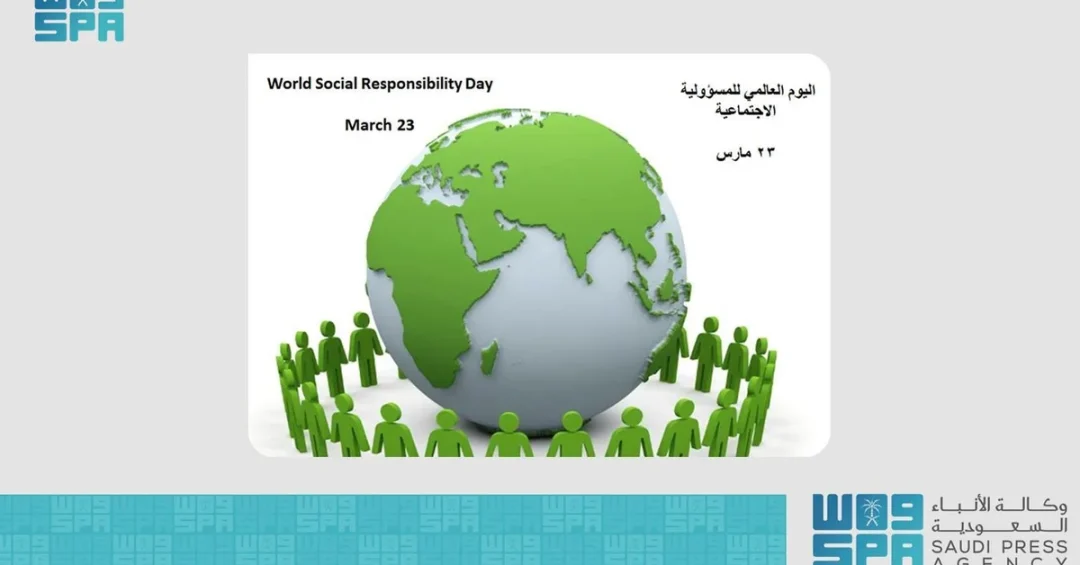
Saudi Arabia marked Saudi Social Responsibility Day on March 23, 2025, with a renewed national push to deepen community engagement and sustainable development, as official figures released by the Ministry of Human Resources and Social Development show that the share of major companies running social responsibility programs rose from 30 percent in 2019 to 65 percent by the end of 2023. The annual occasion, designated by the Saudi Cabinet to fall on March 23 each year, brings together government bodies, private enterprises, non-profit organizations, and individual volunteers in a coordinated effort to strengthen social solidarity and support the Kingdom’s long-term development goals.
Could a single national day truly reshape how an entire economy thinks about giving back? Saudi officials believe it can, and the evidence gathered through official channels suggests the approach is working. The occasion functions as a platform to raise awareness among individuals, companies, and society at large about the importance of social responsibility in community development and sustainable growth, while enabling specialized associations and relevant entities to organize events and forums across the Kingdom’s regions. According to the Saudi Press Agency, the day also highlights private sector experience and partnership initiatives with the non-profit sector, reflecting an integration between government, institutions, national companies, and individuals that contributes to comprehensive national development and reinforces the values of citizenship, generosity, and social solidarity.
Context and Background
Why does a kingdom with one of the world’s most ambitious economic transformation programs place such emphasis on volunteerism and corporate giving? The answer lies in the philosophy underpinning Vision 2030, which treats social development and economic diversification as mutually reinforcing rather than separate tracks. Saudi Social Responsibility Day was formally designated by the Cabinet to be observed every March 23, giving the national effort a fixed point on the calendar around which ministries, companies, and community groups can plan activities, measure progress, and share results. The day focuses on discussing issues and concepts related to social responsibility, reviewing scientific research and studies, and unifying efforts on social responsibility matters across sectors.
The initiative also serves a practical coordinating function. By concentrating attention on a single date, the Kingdom creates space for specialized associations and relevant entities to organize awareness events and forums in various regions, promoting the concept of social responsibility, improving practices, and enhancing corporate social responsibility. This structure allows smaller organizations and community groups to participate alongside major national companies, ensuring that the benefits of social investment reach beyond the largest urban centers. The result is a nationwide conversation about how businesses, government, and citizens can each contribute to shared prosperity.
Key Details
What do the official statistics reveal about the pace of change? Data from the Ministry of Human Resources and Social Development show that the percentage of major companies implementing social responsibility programs and initiatives climbed from 30 percent in 2019 to 65 percent by the end of 2023, a substantial increase over a relatively short period. The Kingdom has also advanced in global rankings, securing 16th place in the Social Responsibility domain of the IMD World Competitiveness Ranking for 2024, up from 41st place in 2021. These figures, released through official Saudi channels, indicate that the national framework is translating into measurable action by the private sector.
The ministry’s approach centers on empowering private sector decision-makers, government representatives, development organizations, and social responsibility and sustainability experts. By fostering dialogue, addressing challenges, and exploring development opportunities, the ministry seeks to stimulate innovation, shape the future of global social responsibility, promote excellence and competitiveness, and facilitate partnerships between the public, private, and non-profit sectors. This tripartite model is designed to pave the way for international collaboration in the field, positioning Saudi Arabia as a contributor to global best practice rather than simply a participant.
A significant recent development is the launch of the National Social Responsibility Platform, which represents a step toward leveraging technology to enhance social responsibility within the private sector. The platform plays a crucial role in measuring impact, aligning objectives across sectors, and driving development across social, economic, and environmental dimensions, which are key priorities under Vision 2030. Its features include a company classification program, an index to measure private sector social responsibility practices, and a hub for showcasing related events and initiatives. It also provides a comprehensive database of experts, highlights leading companies in the field, and offers a development map outlining available opportunities across various regions.
International and Regional Impact
How does Saudi Arabia’s progress in social responsibility resonate beyond its borders? The Kingdom’s rise to 16th place in the IMD World Competitiveness Ranking’s Social Responsibility domain signals to international investors, multilateral institutions, and partner governments that the Saudi business environment is maturing in ways that extend beyond infrastructure and finance. For regional neighbors and emerging economies, the Saudi model offers a template for how a state can convene the public, private, and non-profit sectors around shared development objectives while maintaining a clear measurement framework.
The National Social Responsibility Platform further enhances this international dimension by helping integrate social responsibility into business operations and serving as a guiding framework for private sector entities. By expanding private sector participation in sustainable development and setting a global model for public-private partnerships, the platform supports the Kingdom’s ambition to be among the world’s leading countries in this field by 2030. International organizations and companies operating in the Kingdom can use the platform’s classification and index tools to benchmark their own contributions, creating a common language for social impact that facilitates cross-border collaboration.
Economic and Strategic Significance
Why does social responsibility matter for an economy undergoing rapid diversification? As Saudi Arabia reduces its historical dependence on hydrocarbons, the strength of its social fabric becomes an economic asset in its own right. Companies that invest in community development, environmental stewardship, and workforce wellbeing build trust with consumers, attract talent, and reduce operational risks. The rise in corporate social responsibility adoption from 30 percent to 65 percent among major companies suggests that Saudi businesses increasingly view these activities not as charitable extras but as core components of long-term strategy.
The strategic significance extends to the labor market and the non-profit sector. By facilitating partnerships between the public, private, and non-profit sectors, the national framework creates opportunities for specialized associations to scale their programs and for volunteers to contribute skills that complement government services. This integration supports the development of society, the economy, and the environment simultaneously, aligning with the Vision 2030 objective of building a vibrant society in which citizens and residents enjoy a high quality of life. The emphasis on measuring impact through the National Social Responsibility Platform ensures that resources are directed toward initiatives that produce demonstrable results.
Vision 2030 Alignment
How does one national day connect to a fifteen-year transformation plan? Saudi Social Responsibility Day embodies the Vision 2030 principle that national progress depends on the participation of all segments of society. The day’s activities, from awareness events to forums reviewing scientific research, reinforce the values of citizenship, generosity, and social solidarity that underpin the Kingdom’s social contract. By encouraging companies to embed social responsibility into their operations, the initiative supports the broader goal of creating a diversified, sustainable economy in which the private sector plays a leading role in national development.
As Saudi Arabia works toward its stated ambition of ranking among the world’s leading countries in social responsibility by 2030, the annual observance on March 23 provides a recurring moment for reflection and renewal. The combination of official statistics, global rankings, and technological infrastructure such as the National Social Responsibility Platform demonstrates a systematic approach to a challenge that many countries address only rhetorically. For international observers, the message is clear: the Kingdom’s development model treats social cohesion and economic ambition as inseparable, and the results so far suggest that this integrated approach is delivering measurable progress.
20 Questions
Q1. What is Saudi Social Responsibility Day?
A1. Saudi Social Responsibility Day is a national occasion observed annually on March 23, designated by the Saudi Cabinet to raise awareness about social responsibility and encourage companies, individuals, and institutions to contribute to community development and sustainable growth.
Q2. When was Saudi Social Responsibility Day designated?
A2. The Saudi Cabinet designated March 23 as Saudi Social Responsibility Day, establishing a fixed annual date for national activities, forums, and awareness events related to social responsibility across the Kingdom.
Q3. What percentage of major Saudi companies implemented social responsibility programs by the end of 2023?
A3. According to the Ministry of Human Resources and Social Development, 65 percent of major companies had implemented social responsibility programs and initiatives by the end of 2023, up from 30 percent in 2019.
Q4. How did Saudi Arabia rank in the IMD World Competitiveness Ranking for social responsibility in 2024?
A4. Saudi Arabia secured 16th place in the Social Responsibility domain of the IMD World Competitiveness Ranking for 2024, a significant improvement from its 41st place ranking in 2021.
Q5. What is the National Social Responsibility Platform?
A5. The National Social Responsibility Platform is a technological initiative launched to enhance social responsibility within the private sector by measuring impact, aligning objectives across sectors, and driving development across social, economic, and environmental dimensions.
Q6. What features does the National Social Responsibility Platform offer?
A6. The platform includes a company classification program, an index measuring private sector social responsibility practices, an events and initiatives hub, a database of experts, profiles of leading companies, and a development map of regional opportunities.
Q7. Which ministry oversees social responsibility efforts in Saudi Arabia?
A7. The Ministry of Human Resources and Social Development leads national social responsibility efforts, empowering decision-makers, experts, and organizations while fostering dialogue and partnerships across the public, private, and non-profit sectors.
Q8. What is the goal of Saudi Arabia in social responsibility by 2030?
A8. Saudi Arabia aims to be among the world’s leading countries in social responsibility by 2030, reflecting its Vision 2030 commitment to comprehensive national development and global leadership in sustainable practices.
Q9. How does Saudi Social Responsibility Day support community development?
A9. The day raises awareness among individuals, companies, and society, enables specialized associations to organize events, promotes improved practices, and highlights private sector partnerships with the non-profit sector to advance community development.
Q10. What role does the private sector play in Saudi social responsibility?
A10. The private sector implements social responsibility programs, partners with non-profit organizations, and uses platforms like the National Social Responsibility Platform to integrate social impact into business operations and contribute to sustainable development.
Q11. How does the National Social Responsibility Platform help companies?
A11. The platform helps companies integrate social responsibility into their operations, provides a guiding framework for private sector entities, measures impact, and aligns objectives across sectors to expand participation in sustainable development.
Q12. What values does Saudi Social Responsibility Day reinforce?
A12. The day reinforces the values of citizenship, generosity, and social solidarity, reflecting the integration between government, institutions, national companies, and individuals in development and construction across the Kingdom.
Q13. How does social responsibility align with Vision 2030?
A13. Social responsibility supports Vision 2030 by promoting a vibrant society, expanding private sector participation in sustainable development, and driving progress across social, economic, and environmental dimensions that are key national priorities.
Q14. What events take place on Saudi Social Responsibility Day?
A14. Awareness events, forums, and discussions are organized across various regions, focusing on social responsibility concepts, reviewing scientific research and studies, and highlighting private sector experiences and partnership initiatives with the non-profit sector.
Q15. How has Saudi Arabia’s global competitiveness in social responsibility changed?
A15. Saudi Arabia advanced from 41st place in 2021 to 16th place in the Social Responsibility domain of the IMD World Competitiveness Ranking for 2024, demonstrating rapid progress in global competitiveness.
Q16. What is the significance of the 30 percent to 65 percent increase in corporate social responsibility adoption?
A16. The increase shows that Saudi companies increasingly view social responsibility as a core strategic priority rather than an optional activity, contributing to community development and the Kingdom’s sustainable growth objectives.
Q17. How does the National Social Responsibility Platform measure impact?
A17. The platform uses a company classification program and an index to measure private sector social responsibility practices, providing data that helps align objectives across sectors and track development outcomes.
Q18. What partnerships does Saudi Arabia seek in social responsibility?
A18. Saudi Arabia facilitates partnerships between the public, private, and non-profit sectors, paving the way for international collaboration and setting a global model for public-private partnerships in sustainable development.
Q19. Why is technology important to Saudi Arabia’s social responsibility strategy?
A19. Technology, through the National Social Responsibility Platform, enables accurate impact measurement, objective alignment across sectors, and efficient matching of resources to opportunities, enhancing the effectiveness of social responsibility efforts nationwide.
Q20. What does Saudi Social Responsibility Day mean for international audiences?
A20. It demonstrates Saudi Arabia’s systematic approach to integrating social development with economic ambition, offering a model for public-private cooperation and showing the Kingdom’s commitment to global leadership in social responsibility by 2030.
Reader Feedback
We value your thoughts. Please share your feedback on this article.
Your feedback helps us improve our coverage.
Related articles
 Madinah Concludes Swimming Literacy Project with 300 Students
 AlUla Program Trains 50 Youth in Public Speaking
 Najran Schools Adopt Winter Schedule Starting Sunday
 Najran University Climbs Four Places in QS Arab Rankings 2027
 Saudi Arabia Sets February 2027 Deadline for Worker Housing
 ETEC to Hold Third National Forum for School Excellence in Riyadh