


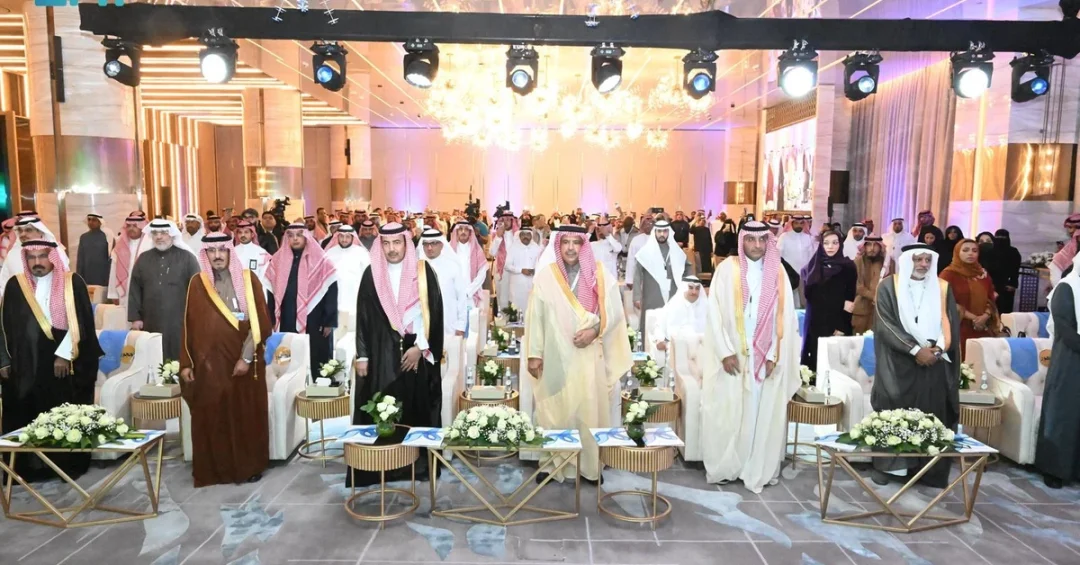
Saudi Arabia reinforced its commitment to collective social progress as the Social Responsibility Association convened the Second Social Responsibility Forum in Riyadh on March 24, 2025, aligning with the annual Saudi Social Responsibility Day observed every March 23. The forum, reported by the Saudi Press Agency, brought together representatives from the public, private, and nonprofit sectors to explore integrated approaches to sustainable development and to advance the objectives of Saudi Vision 2030. Under the theme “We Commit to Our Social Responsibility,” the 2025 commemoration emphasized the shared duty of all entities to nurture a culture of philanthropy and responsible civic engagement across the Kingdom.
The event underscores a growing national consensus that social responsibility is not the preserve of any single sector but a collaborative enterprise requiring coordinated effort. By integrating sector roles, the forum seeks to transform isolated charitable gestures into systemic, measurable contributions to national development. The timing is significant: as Saudi Arabia accelerates its Vision 2030 transformation, the mechanisms for channeling social investment are becoming more sophisticated, impact-driven, and aligned with the Kingdom’s long-term economic and social goals. For international observers, the forum offers a window into how Saudi Arabia is institutionalizing social responsibility as a pillar of its modernization journey.
Context and Background: Why Does Social Responsibility Matter More Than Ever in Saudi Arabia?
Saudi Social Responsibility Day, celebrated annually on March 23, was established to recognize and promote the role of individuals, businesses, and government bodies in contributing to societal well-being. The Social Responsibility Association, a national body dedicated to embedding these values, organized the Second Social Responsibility Forum as a platform to deepen dialogue and coordination. This year’s theme, “We Commit to Our Social Responsibility,” reflects a maturation of the concept: from occasional acts of charity to a sustained, strategic commitment embedded in institutional practice.
The forum’s timing aligns with a broader global shift toward stakeholder capitalism and environmental, social, and governance (ESG) frameworks. In Saudi Arabia, this shift is amplified by Vision 2030, which places quality of life, citizen empowerment, and economic diversification at its core. The Kingdom has increasingly emphasized that sustainable development cannot be achieved by government alone; it requires the active participation of the private sector, civil society, and individuals. The Second Social Responsibility Forum thus serves as a catalyst, translating national ambition into actionable, cross-sector partnerships.
Moreover, the forum responds to a demographic reality: Saudi Arabia has a young, dynamic population eager to contribute to national progress. By fostering intergenerational engagement—one of the forum’s key discussion points—the event channels youthful energy into structured volunteerism and social innovation. This approach not only strengthens social cohesion but also builds a pipeline of responsible leaders for the future.
Key Details: What Transpired at the Second Social Responsibility Forum?
The forum featured two dialogue sessions that explored sector roles in advancing social responsibility, highlighted national initiatives, addressed the governance of institutional community work, promoted intergenerational engagement, and focused on measuring impact and developing effective programs. These sessions brought together experts and practitioners to share best practices and identify gaps in the current social responsibility ecosystem.
The first session examined how different sectors—government, private, and nonprofit—can better integrate their efforts. Participants discussed the importance of clear governance frameworks to ensure accountability and transparency in community work. They also reviewed successful national initiatives that have demonstrably improved lives, from education and health to environmental sustainability. The second session delved into intergenerational engagement, emphasizing the need to involve both youth and experienced professionals in designing and implementing social programs. It also stressed the importance of impact measurement, so that resources are directed toward interventions that produce tangible, lasting results.
A recurring theme was the need for a unified national strategy on social responsibility. While many entities already undertake commendable work, fragmentation can dilute impact. The forum therefore called for stronger coordination mechanisms, shared metrics, and platforms for knowledge exchange. By doing so, Saudi Arabia can maximize the return on its social investments and ensure that no community is left behind.
International and Regional Impact: How Does Saudi Arabia’s Approach Resonate Beyond Its Borders?
Saudi Arabia’s emphasis on integrated social responsibility carries implications that extend well beyond the Kingdom. As the largest economy in the Middle East and a pivotal player in global energy and finance, Saudi Arabia’s domestic policies often set trends for the region. The Second Social Responsibility Forum signals that the Kingdom is taking a leadership role in promoting ESG principles and cross-sector collaboration, potentially influencing neighboring countries to adopt similar frameworks.
On the international stage, Saudi Arabia’s commitment to social responsibility enhances its soft power and aligns with global development agendas, including the United Nations Sustainable Development Goals (SDGs). By institutionalizing social responsibility, the Kingdom positions itself as a responsible global citizen, attractive to international investors who prioritize ethical and sustainable business practices. This is particularly relevant as Saudi Arabia seeks to diversify its economy and attract foreign direct investment under Vision 2030.
Furthermore, the forum’s focus on measuring impact resonates with global best practices. International organizations and multinational corporations increasingly demand rigorous evidence of social impact before committing resources. By developing robust measurement tools, Saudi Arabia can facilitate greater international partnerships and demonstrate that its social programs deliver value. This, in turn, can unlock new avenues for collaboration in areas such as education, healthcare, and environmental conservation.
Economic and Strategic Significance: Why Is Social Responsibility a Smart Investment?
Social responsibility is not merely a moral imperative; it is an economic one. A stable, inclusive society is a prerequisite for sustainable growth. By addressing social challenges—such as youth unemployment, regional disparities, and environmental degradation—Saudi Arabia creates a more conducive environment for business and investment. The Second Social Responsibility Forum highlighted how corporate social responsibility (CSR) can be a driver of innovation, as companies develop new products and services to meet social needs.
Strategically, the forum supports the diversification of the Saudi economy. As the Kingdom reduces its dependence on oil, it needs a vibrant private sector and a skilled, engaged workforce. Social responsibility programs that focus on education, training, and entrepreneurship help build human capital. They also foster trust between businesses and communities, which is essential for long-term stability. The forum’s emphasis on governance ensures that social investments are made transparently and effectively, reducing the risk of waste and corruption.
Additionally, the forum underscores the role of the private sector in complementing government efforts. Saudi companies, including major corporations like Aramco and SABIC, have increasingly integrated CSR into their business models. The forum provides a platform for these companies to share experiences and align their strategies with national priorities. This synergy between public and private sectors is a hallmark of Vision 2030 and a key factor in its success.
Vision 2030 Alignment: How Does the Forum Advance the Kingdom’s Long-Term Goals?
The Second Social Responsibility Forum directly supports several pillars of Saudi Vision 2030, particularly the “Vibrant Society” and “Thriving Economy” themes. By promoting a culture of social responsibility, the forum contributes to the development of a society where citizens are active participants in their own progress. It also aligns with the Vision’s goal of increasing nonprofit sector contribution to GDP, which is targeted to rise from less than 1% to 5% by 2030.
Moreover, the forum’s focus on intergenerational engagement and impact measurement supports the Vision’s emphasis on youth empowerment and evidence-based policymaking. Saudi Arabia’s leadership understands that sustainable development requires not only infrastructure and investment but also social cohesion and shared values. The forum reinforces these principles by bringing together diverse stakeholders to commit to a common agenda. As the Kingdom continues its transformation, such initiatives will be crucial in ensuring that economic growth is inclusive and benefits all segments of society.
In conclusion, the Second Social Responsibility Forum represents a significant step in Saudi Arabia’s journey toward a more integrated and responsible society. By fostering collaboration across sectors, the forum helps translate the aspirations of Vision 2030 into concrete actions that improve lives and strengthen communities. As Saudi Arabia assumes an increasingly prominent global role, its commitment to social responsibility will remain a defining feature of its national character and a source of inspiration for others.
20 Questions
Q1. What is the Second Social Responsibility Forum?
A1. The Second Social Responsibility Forum is a national event organized by the Social Responsibility Association in Riyadh on March 24, 2025, to integrate sector roles in achieving sustainable development and support Saudi Vision 2030.
Q2. When is Saudi Social Responsibility Day celebrated?
A2. Saudi Social Responsibility Day is celebrated annually on March 23. The 2025 observance was held under the theme “We Commit to Our Social Responsibility.”
Q3. Who organized the Second Social Responsibility Forum?
A3. The forum was organized by the Social Responsibility Association, a national body dedicated to embedding social responsibility values across Saudi society and institutions.
Q4. What were the main topics of the forum’s dialogue sessions?
A4. The sessions explored sector roles in advancing social responsibility, highlighted national initiatives, addressed governance of institutional community work, promoted intergenerational engagement, and focused on measuring impact.
Q5. Why is social responsibility important for Saudi Vision 2030?
A5. Social responsibility supports Vision 2030 by fostering a vibrant society, enhancing quality of life, and increasing the nonprofit sector’s contribution to GDP, aiming to raise it to 5% by 2030.
Q6. How does the forum promote intergenerational engagement?
A6. The forum encourages collaboration between youth and experienced professionals in designing and implementing social programs, ensuring knowledge transfer and fresh perspectives for sustainable development.
Q7. What is the significance of measuring impact in social responsibility?
A7. Measuring impact ensures that social investments are effective and resources are directed toward programs that produce tangible, lasting results, enhancing accountability and efficiency.
Q8. How do different sectors collaborate in social responsibility?
A8. Government, private, and nonprofit sectors collaborate through integrated efforts, sharing best practices, aligning strategies, and implementing joint initiatives to address social challenges.
Q9. What role does the private sector play in social responsibility?
A9. The private sector contributes through corporate social responsibility programs, innovation, and partnerships that address social needs while supporting economic diversification and community trust.
Q10. How does the forum align with global ESG trends?
A10. The forum promotes environmental, social, and governance principles, aligning Saudi Arabia with global best practices and enhancing its attractiveness to international investors.
Q11. What national initiatives were highlighted at the forum?
A11. The forum highlighted various national initiatives that have improved lives in education, health, and environmental sustainability, showcasing successful models for cross-sector collaboration.
Q12. What is the governance of institutional community work?
A12. Governance refers to frameworks ensuring transparency, accountability, and effectiveness in community work, preventing fragmentation and maximizing social impact.
Q13. How does the forum support youth empowerment?
A13. By promoting intergenerational engagement and involving youth in social programs, the forum empowers young Saudis to contribute to national development and become future leaders.
Q14. What is the expected impact of the forum on Saudi society?
A14. The forum is expected to strengthen social cohesion, enhance collaboration across sectors, and accelerate progress toward a more inclusive and responsible society.
Q15. How does social responsibility contribute to economic growth?
A15. Social responsibility builds human capital, fosters trust, and creates a stable environment for business, supporting economic diversification and sustainable growth.
Q16. What is the role of the Social Responsibility Association?
A16. The association promotes social responsibility values, organizes forums, and facilitates collaboration among stakeholders to integrate social responsibility into national development.
Q17. How can international observers benefit from the forum’s outcomes?
A17. International observers gain insights into Saudi Arabia’s institutionalization of social responsibility, offering models for cross-sector collaboration and ESG integration.
Q18. What is the theme of the 2025 Saudi Social Responsibility Day?
A18. The theme is “We Commit to Our Social Responsibility,” emphasizing collective commitment to philanthropy and responsible civic engagement across all entities.
Q19. How does the forum address regional disparities?
A19. By promoting integrated responsibility, the forum encourages targeted programs that address regional disparities, ensuring equitable development across the Kingdom.
Q20. What are the next steps after the forum?
A20. Next steps include implementing recommendations, strengthening coordination mechanisms, and developing impact measurement tools to ensure effective social responsibility across sectors.
Reader Feedback
We value your thoughts. Please share your feedback on this article.
Your feedback helps us improve our coverage.
Related articles
 Madinah Concludes Swimming Literacy Project with 300 Students
 AlUla Program Trains 50 Youth in Public Speaking
 Najran Schools Adopt Winter Schedule Starting Sunday
 Najran University Climbs Four Places in QS Arab Rankings 2027
 Saudi Arabia Sets February 2027 Deadline for Worker Housing
 ETEC to Hold Third National Forum for School Excellence in Riyadh