


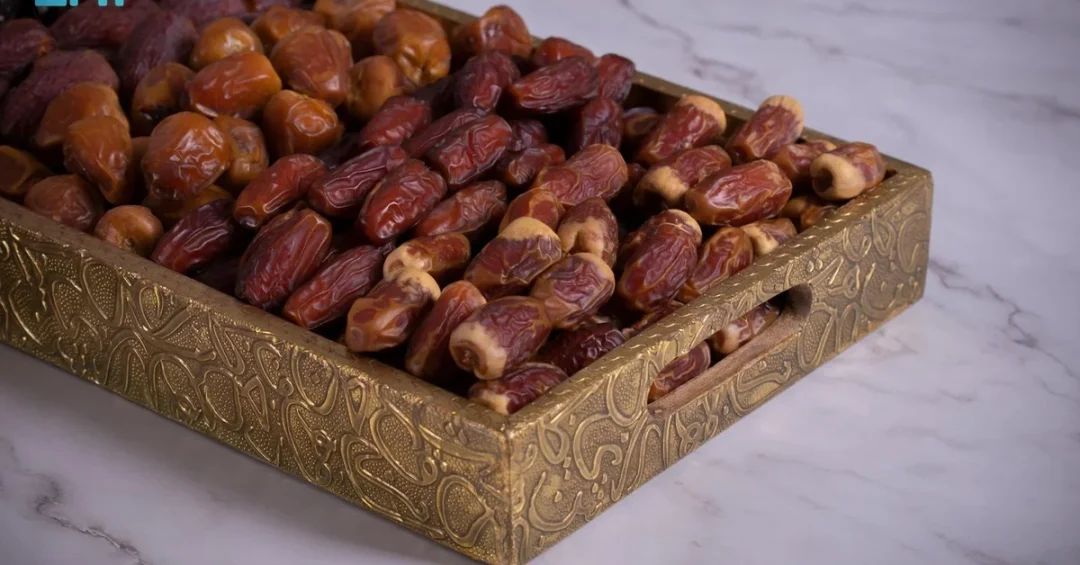
Saudi Arabia has reaffirmed its position as the world’s leading producer and exporter of dates, with official data showing that the Kingdom’s date exports exceeded SAR1.463 billion in 2023 and production surpassed 1.9 million tons, according to a report by the National Center for Palms and Dates. The figures, drawn from the United Nations Commodity Trade Statistics Database (UN Comtrade) and the General Authority for Statistics (GASTAT), confirm that Saudi dates reached consumers in 119 countries by the end of 2023, underscoring the sector’s growing role in the Kingdom’s non-oil export economy.
Have you ever considered how a fruit deeply rooted in Arabian heritage became a symbol of Saudi Arabia’s modern economic ambitions? The date palm, long celebrated in Saudi culture as a source of sustenance and hospitality, is now at the center of a national strategy to diversify income, empower rural communities, and project the Kingdom’s soft power across global markets. The sustained growth of the dates sector reflects the wider transformation underway in Saudi Arabia, where traditional industries are being modernized, professionalized, and connected to international supply chains under the framework of Vision 2030. The latest official report highlights not only the scale of production, but also the strategic coordination between government bodies, producers, and exporters that has made this success possible.
Context and Background
How did Saudi Arabia rise to become the undisputed global leader in date production and exports? The answer lies in a combination of natural advantage, institutional support, and long-term national planning. The Kingdom is home to more than 33 million palm trees, cultivated across regions such as Al-Ahsa, Qassim, Madinah, and Riyadh. These areas have produced premium date varieties, including Sukkari, Ajwa, and Khalas, for generations. However, the transformation of this heritage crop into a globally competitive export industry is a more recent development, driven by the National Center for Palms and Dates, which was established to organize the sector, improve quality standards, and open new markets.
According to the National Center for Palms and Dates, Saudi date exports have doubled in value since 2016, achieving an annual cumulative growth rate of 12.3 percent. This expansion has been supported by the wise leadership’s commitment to developing the agricultural sector and enhancing its contribution to the national economy. The center has worked closely with producers and exporters to streamline export procedures, adopt modern farming techniques, and promote Saudi dates at international trade fairs. As a result, Saudi dates are now recognized as a high-quality product in markets across Asia, Europe, Africa, and the Americas, with 119 countries importing Saudi dates by the end of 2023.
The growth of the dates sector also reflects broader changes in Saudi agriculture. The Kingdom has invested in water-efficient irrigation, pest control, and post-harvest technologies to ensure sustainability and consistent quality. These efforts align with the national priorities of Vision 2030, which seeks to bolster non-oil revenue streams and diversify the economy away from hydrocarbons. By strengthening the dates industry, Saudi Arabia is not only preserving a cultural tradition but also building a resilient export sector that can compete on the global stage.
Key Details
What do the latest official figures tell us about the scale of Saudi Arabia’s date industry? The report by the National Center for Palms and Dates, citing UN Comtrade data, states that the value of Saudi date exports exceeded SAR1.463 billion in 2023. Meanwhile, GASTAT reports that production volume exceeded 1.9 million tons, a testament to the productivity of the Kingdom’s palm groves and the effectiveness of modern agricultural practices. These numbers place Saudi Arabia ahead of other major date-producing countries and confirm its leadership in both volume and value.
The export growth has been consistent and broad-based. Since 2016, the value of date exports has doubled, with an annual cumulative growth rate of 12.3 percent. This growth has been achieved across numerous markets, from neighboring Gulf states to distant countries in East Asia and Europe. The National Center for Palms and Dates has played a central role in this success by facilitating export procedures, providing technical support to farmers, and fostering partnerships with the private sector. These efforts have empowered Saudi date producers to compete effectively on the international stage and to meet the stringent quality and safety standards required by foreign markets.
Moreover, the center has focused on branding and marketing, positioning Saudi dates as a premium product associated with quality, tradition, and sustainability. This has helped Saudi dates command higher prices in international markets and has opened doors to new distribution channels, including e-commerce and specialty food stores. The collaborative efforts of date producers, exporters, and government agencies have been instrumental in achieving these results, demonstrating the power of a unified national approach to sector development.
International and Regional Impact
How does Saudi Arabia’s date export success influence its regional and global relationships? As the world’s leading date exporter, the Kingdom plays a stabilizing and supportive role in global food supply chains. Saudi dates are a staple in many countries, particularly during the holy month of Ramadan, when demand surges. By reliably supplying high-quality dates to 119 countries, Saudi Arabia contributes to food security and cultural exchange, strengthening its ties with importing nations across the Middle East, Asia, Africa, and beyond.
Regionally, the Kingdom’s leadership in dates production supports economic integration within the Gulf Cooperation Council (GCC) and the broader Arab world. Saudi expertise in palm cultivation and date processing is shared with neighboring countries through training programs and joint ventures, fostering cooperation and knowledge transfer. This leadership also enhances Saudi Arabia’s soft power, as the date palm is a symbol of Arab and Islamic heritage. The global recognition of Saudi dates reinforces the Kingdom’s image as a modern, diversified economy that honors its traditions while embracing innovation.
Economic and Strategic Significance
Why does the dates sector matter so much to Saudi Arabia’s economic strategy? Agriculture, and particularly date production, is a key pillar of the Kingdom’s efforts to diversify away from oil. The dates industry provides employment for thousands of Saudis, supports rural development, and generates valuable foreign exchange through exports. With exports exceeding SAR1.463 billion, dates are one of the most important non-oil export commodities, contributing to the national goal of increasing non-oil revenue.
Strategically, the sector’s growth demonstrates the effectiveness of targeted government support and private-sector collaboration. The National Center for Palms and Dates has been instrumental in organizing the industry, setting quality standards, and opening new markets. By investing in research and development, the Kingdom aims to further improve yields, reduce water consumption, and develop new date-based products such as date paste, syrup, and confectionery. These innovations can add value to raw dates and create new export opportunities, further strengthening the sector’s economic contribution.
Vision 2030 Alignment
How does the success of Saudi dates align with the goals of Vision 2030? The Vision, launched by Crown Prince Mohammed bin Salman, seeks to diversify the economy, increase non-oil exports, and create sustainable employment. The dates sector directly supports these objectives by generating export revenue, creating jobs in farming, processing, and logistics, and showcasing Saudi products on the world stage. The National Center for Palms and Dates operates under the guidance of the Ministry of Environment, Water, and Agriculture, ensuring that sector development is integrated with national priorities.
Looking ahead, Saudi Arabia aims to further expand its date exports and production, leveraging its leadership position to enhance food security and economic resilience. The Kingdom’s commitment to innovation, sustainability, and quality will ensure that Saudi dates remain a source of pride and prosperity for generations to come. As the world’s leading date producer and exporter, Saudi Arabia is not only sharing a treasured part of its heritage with the world but also building a diversified, future-ready economy that reflects the ambitions of Vision 2030.
20 Questions
Q1. What is the value of Saudi Arabia’s date exports in 2023?
A1. According to the National Center for Palms and Dates, Saudi date exports exceeded SAR1.463 billion in 2023, based on data from the United Nations Commodity Trade Statistics Database (UN Comtrade).
Q2. How many tons of dates did Saudi Arabia produce in 2023?
A2. The General Authority for Statistics (GASTAT) reports that Saudi Arabia’s date production exceeded 1.9 million tons in 2023, confirming the Kingdom’s position as the world’s leading producer.
Q3. How many countries imported Saudi dates by the end of 2023?
A3. Saudi dates reached consumers in 119 countries by the end of 2023, reflecting the global demand for high-quality Saudi dates across Asia, Europe, Africa, and the Americas.
Q4. What is the annual cumulative growth rate of Saudi date exports since 2016?
A4. Since 2016, the value of Saudi date exports has doubled, achieving an annual cumulative growth rate of 12.3 percent, according to the National Center for Palms and Dates.
Q5. Which organization is responsible for developing Saudi Arabia’s date sector?
A5. The National Center for Palms and Dates is the government body tasked with organizing, developing, and promoting the Saudi date sector, including facilitating exports and supporting producers.
Q6. How does the date sector support Vision 2030?
A6. The date sector supports Vision 2030 by bolstering non-oil revenue streams, diversifying the economy, creating jobs, and enhancing Saudi Arabia’s global economic presence through exports.
Q7. What are some popular Saudi date varieties?
A7. Saudi Arabia is known for premium date varieties such as Sukkari, Ajwa, and Khalas, which are cultivated in regions like Al-Ahsa, Qassim, and Madinah.
Q8. How has the National Center for Palms and Dates helped producers?
A8. The center has facilitated export procedures, provided technical support, fostered private-sector partnerships, and promoted Saudi dates internationally, empowering producers to compete globally.
Q9. Why are dates important to Saudi culture?
A9. Dates are a symbol of hospitality and heritage in Saudi Arabia, traditionally served to guests and during Ramadan. They are also a nutritious staple food with deep cultural significance.
Q10. What is the significance of Saudi Arabia’s leadership in date exports?
A10. It strengthens Saudi Arabia’s role in global food supply chains, enhances its soft power, supports economic diversification, and reinforces its image as a modern, innovative nation.
Q11. How does date production contribute to rural development?
A11. Date production provides employment and income for rural communities, supports local economies, and helps preserve agricultural traditions while encouraging sustainable farming practices.
Q12. What innovations are being introduced in Saudi date farming?
A12. Innovations include water-efficient irrigation, integrated pest management, post-harvest technologies, and the development of value-added products like date paste and syrup.
Q13. Which regions in Saudi Arabia are major date producers?
A13. Major date-producing regions include Al-Ahsa, Qassim, Madinah, and Riyadh, each known for specific varieties and high-quality production.
Q14. How does Saudi Arabia ensure the quality of its exported dates?
A14. The National Center for Palms and Dates sets quality standards, provides training, and monitors compliance to ensure Saudi dates meet international food safety and quality requirements.
Q15. What role does the private sector play in the date industry?
A15. The private sector invests in processing, packaging, and marketing, and partners with the government to expand export markets and develop new date-based products.
Q16. How has the value of date exports changed since 2016?
A16. The value of date exports has doubled since 2016, growing at an annual cumulative rate of 12.3 percent, reflecting successful market expansion and quality improvements.
Q17. What are the main destinations for Saudi dates?
A17. Saudi dates are exported to 119 countries, with key markets in the Gulf, Asia, Europe, and Africa, including nations with significant Muslim populations during Ramadan.
Q18. How does the date sector contribute to food security?
A18. By increasing production and exports, Saudi Arabia helps meet global demand for nutritious dates, contributing to food security in importing countries and stabilizing supply chains.
Q19. What future goals does Saudi Arabia have for the date sector?
A19. Saudi Arabia aims to further expand exports, enhance sustainability, develop value-added products, and maintain its global leadership in date production and exports.
Q20. How can international consumers access Saudi dates?
A20. Saudi dates are available in supermarkets, specialty stores, and online platforms in 119 countries, with branding and marketing efforts by the National Center for Palms and Dates supporting global distribution.
Reader Feedback
We value your thoughts. Please share your feedback on this article.
Your feedback helps us improve our coverage.
Related articles
 Deputy Minister Inaugurates 34th Saudi Build Exhibition
 Saudi Potato Production Surges 47% in 2023
 NHC Wins Impactful Economic Transformation Award
 FSC Launches Legal Initiative to Boost Saudi-Portugal Investment
 Mawani Launches MSC Red Sea Express Service
 Biban24 Opens in Riyadh with 1,350 Exhibitors, 10,000 Opportunities