



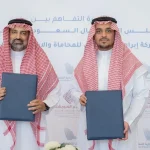
A delegation from the Eastern Region Youth Business Council of the Asharqia Chamber met with Saudi Ambassador to Qatar Prince Mansour bin Khalid bin Farhan during an official visit to Doha, in a move that underscores the Kingdom’s commitment to strengthening economic ties and empowering the next generation of Saudi entrepreneurs. The meeting, reported by the Saudi Press Agency, highlighted the importance of exchanging visits to capitalize on promising opportunities that boost economic ties and enable the exchange of expertise among young people from both countries. The delegation’s visit to Qatar represents a practical step in Saudi Arabia’s broader strategy of regional economic integration and youth empowerment, aligning with the objectives of Vision 2030.
The Asharqia Chamber, based in the Eastern Province, is one of the Kingdom’s most influential business organizations, representing a region that serves as the heart of Saudi Arabia’s energy and industrial sector. Its Eastern Region Youth Business Council was established to nurture young entrepreneurs and provide them with the tools, networks, and international exposure needed to compete in the global economy. Could this visit mark a new chapter in Saudi-Qatari economic cooperation? The delegation’s agenda in Doha included meetings with several officials and specialists to discuss investment opportunities available to young entrepreneurs from both nations, according to Council Chairman Abdulrahman Al-Afaleq.
Context and Background
How did Saudi-Qatari relations evolve to make this kind of youth-focused economic diplomacy possible? The relationship between the Kingdom of Saudi Arabia and the State of Qatar has undergone a remarkable transformation in recent years, moving from a period of diplomatic tension to a new era of cooperation and mutual investment. The Al-Ula Declaration of January 2021, signed at the 41st Gulf Cooperation Council Summit hosted in the historic Saudi city of Al-Ula, marked a pivotal moment in restoring full diplomatic and economic ties among GCC member states. Since then, Saudi-Qatari relations have flourished across multiple sectors, including trade, tourism, sports, and joint infrastructure projects.
The Eastern Region Youth Business Council operates under the umbrella of the Asharqia Chamber, which has a long history of fostering business development in Saudi Arabia’s Eastern Province. The region is home to major industrial cities such as Jubail and Ras Al Khair, the headquarters of Saudi Aramco in Dhahran, and a rapidly growing small and medium enterprise sector. The council’s external visits program is designed to expose young Saudi entrepreneurs to international markets, helping them understand how to leverage investment opportunities and build cross-border partnerships. This visit to Qatar is part of a systematic effort to create a new generation of Saudi business leaders with global perspectives.
The timing of the delegation’s visit is significant. As Saudi Arabia accelerates its economic diversification under Vision 2030, the role of young entrepreneurs in driving non-oil growth has become increasingly central. The Kingdom has set ambitious targets for SME contribution to GDP, aiming to raise it from 20 percent to 35 percent by 2030. International exposure and cross-border networking are essential components of achieving these goals, and Qatar, with its own dynamic economy and strategic location, represents a natural partner for such exchanges.
Key Details of the Delegation’s Visit
What exactly did the delegation accomplish during its time in Doha? According to the Saudi Press Agency, the delegation met with Saudi Ambassador to Qatar Prince Mansour bin Khalid bin Farhan, who emphasized the importance of exchanging visits to capitalize on promising opportunities that boost economic ties and enable the exchange of expertise among young people from both countries. The ambassador’s engagement with the youth delegation reflects the Saudi government’s broader commitment to supporting young entrepreneurs as ambassadors of the Kingdom’s economic transformation.
Council Chairman Abdulrahman Al-Afaleq stated that the delegation met with several officials and specialists in Qatar to discuss investment opportunities available to young entrepreneurs from both nations. He noted that these meetings align with the council’s goals of fostering a new generation of Saudi youth by facilitating exchanges of ideas, foreign missions, training, and support to enhance their skills and enable them to compete in the global economy. The discussions covered a range of sectors, including trade, services, technology, and manufacturing, according to the council’s stated objectives.
Al-Afaleq further noted that the council is committed to presenting a clear image of business diversity and the existing investment opportunities through its external visits program, helping young entrepreneurs understand how to leverage these opportunities. The program also aims to showcase the ambitions and capabilities of young Saudi entrepreneurs in generating ideas and transforming them into successful commercial ventures. This dual focus on learning from host countries and showcasing Saudi talent reflects a balanced approach to international business engagement.
International and Regional Impact
How does this visit fit into the broader pattern of Gulf economic integration? The meeting between the Eastern Region Youth Business Council and the Saudi Ambassador to Qatar is part of a wider trend of increasing economic cooperation among Gulf Cooperation Council states. Intra-GCC trade has grown steadily since the restoration of ties in 2021, with Saudi Arabia and Qatar leading several joint initiatives in areas such as energy, tourism, and financial services. Youth-focused exchanges like this one add a valuable dimension to these efforts by building people-to-people connections that can sustain long-term economic partnerships.
For the international audience, this development signals that Saudi Arabia is not only focused on large-scale government-to-government agreements but also on grassroots economic diplomacy. By empowering young entrepreneurs to engage directly with their counterparts in neighboring countries, the Kingdom is creating a network of business leaders who will carry forward the spirit of regional cooperation for decades to come. This approach aligns with the broader GCC vision of economic integration and shared prosperity, and it positions Saudi youth as active participants in shaping the region’s economic future.
The visit also reflects Saudi Arabia’s growing emphasis on public diplomacy as a tool for strengthening international relationships. By sending a delegation of young business leaders to Qatar, the Kingdom is showcasing its human capital and demonstrating that its economic transformation is driven not only by government policy but also by the energy and creativity of its younger generation. This message resonates with international partners who are looking to engage with Saudi Arabia’s private sector and understand the country’s evolving business landscape.
Economic and Strategic Significance
Why does youth entrepreneurship matter so much to Saudi Arabia’s economic strategy? The Kingdom’s Vision 2030 reform agenda places young people at the center of its plans for economic diversification and job creation. With more than 60 percent of the Saudi population under the age of 35, the success of the national transformation depends heavily on the ability of young Saudis to start and grow businesses that can compete regionally and globally. The Eastern Region Youth Business Council’s activities are directly aligned with this priority, providing mentorship, training, and international exposure to aspiring entrepreneurs.
Qatar, for its part, offers a valuable market for Saudi youth-led businesses. The country has a high-income economy, a strategic location, and a business environment that is increasingly open to foreign investment. Saudi entrepreneurs who establish partnerships in Qatar can gain access to new customers, suppliers, and investors, while also learning from Qatar’s experience in sectors such as logistics, finance, and sports tourism. The exchange of expertise between young people from both countries, as highlighted by Ambassador Prince Mansour bin Khalid bin Farhan, is therefore not just a diplomatic gesture but a practical mechanism for economic growth.
The strategic significance of this visit extends beyond bilateral relations. It demonstrates Saudi Arabia’s commitment to regional stability and cooperation, which are essential conditions for attracting foreign investment and achieving the goals of Vision 2030. By actively engaging with its neighbors and promoting youth-led economic initiatives, the Kingdom is reinforcing its role as a responsible regional leader and a catalyst for shared prosperity in the Gulf.
Vision 2030 Alignment
How does this visit advance the specific objectives of Saudi Vision 2030? The Vision’s economic diversification goals include increasing the contribution of SMEs to GDP, boosting non-oil exports, and creating a vibrant private sector that generates employment for Saudi citizens. The Eastern Region Youth Business Council’s external visits program directly supports these objectives by helping young entrepreneurs identify new markets, learn best practices, and build the international networks that are essential for scaling up their businesses. The council’s work also contributes to the Vision’s human capital development goals, which emphasize education, training, and skills enhancement for young Saudis.
Furthermore, the visit underscores the importance of regional cooperation in achieving Vision 2030. Saudi Arabia’s economic transformation is not happening in isolation; it is part of a broader Gulf-wide effort to diversify away from oil dependence and build knowledge-based economies. By fostering ties with Qatar and other GCC states, the Kingdom is creating a supportive regional environment for its reforms. The meeting with Ambassador Prince Mansour bin Khalid bin Farhan also highlights the role of Saudi diplomatic missions in supporting economic diplomacy and youth empowerment, a model that is likely to be replicated in other countries.
Looking ahead, the Eastern Region Youth Business Council is expected to continue its external visits program, building on the momentum from the Qatar trip. As more young Saudi entrepreneurs gain international experience and forge cross-border partnerships, they will become key drivers of the Kingdom’s economic future. This visit is therefore not an isolated event but part of a sustained strategy to integrate Saudi youth into the global economy and to showcase the Kingdom’s dynamic business environment to the world.
20 Questions
Q1. What was the purpose of the Eastern Region Youth Business Council’s visit to Qatar?
A1. The delegation aimed to explore investment opportunities for young entrepreneurs from Saudi Arabia and Qatar, exchange expertise, and strengthen economic ties under the framework of regional cooperation and Vision 2030.
Q2. Who did the delegation meet with in Qatar?
A2. The delegation met with Saudi Ambassador to Qatar Prince Mansour bin Khalid bin Farhan, as well as several Qatari officials and specialists in business and investment sectors.
Q3. What did Ambassador Prince Mansour bin Khalid bin Farhan emphasize during the meeting?
A3. He highlighted the importance of exchanging visits to capitalize on promising opportunities that boost economic ties and enable the exchange of expertise among young people from both countries.
Q4. Who is the chairman of the Eastern Region Youth Business Council?
A4. Abdulrahman Al-Afaleq serves as the chairman of the council, which operates under the Asharqia Chamber in Saudi Arabia’s Eastern Province.
Q5. What are the council’s goals for Saudi youth?
A5. The council aims to foster a new generation of Saudi youth by facilitating exchanges of ideas, foreign missions, training, and support to enhance their skills and enable them to compete globally.
Q6. How does the external visits program help young entrepreneurs?
A6. It presents a clear image of business diversity and investment opportunities, helping young entrepreneurs understand how to leverage these opportunities and transform ideas into successful commercial ventures.
Q7. Why is Saudi-Qatari economic cooperation important?
A7. It promotes regional stability, increases trade and investment flows, and creates opportunities for businesses in both countries to grow and access new markets.
Q8. What sectors were discussed during the delegation’s meetings?
A8. Discussions covered various sectors including trade, services, technology, manufacturing, and other areas of mutual economic interest for young entrepreneurs.
Q9. How does this visit align with Saudi Vision 2030?
A9. It supports Vision 2030 goals of economic diversification, SME growth, youth empowerment, and international economic integration, all of which are central to the Kingdom’s transformation.
Q10. What percentage of Saudi Arabia’s population is under 35?
A10. More than 60 percent of the Saudi population is under the age of 35, making youth empowerment a critical component of the Kingdom’s economic strategy.
Q11. What is the Asharqia Chamber’s role in the Eastern Province?
A11. The Asharqia Chamber is a major business organization that supports economic development in the Eastern Province, home to key industrial cities and Saudi Aramco’s headquarters.
Q12. How does the visit reflect Saudi public diplomacy?
A12. It showcases Saudi Arabia’s human capital and demonstrates that the Kingdom’s economic transformation is driven by both government policy and the creativity of its young generation.
Q13. What is the Al-Ula Declaration?
A13. The Al-Ula Declaration of January 2021 was a GCC agreement that restored full diplomatic and economic ties among member states, including Saudi Arabia and Qatar.
Q14. What are the benefits for Qatari entrepreneurs from this exchange?
A14. Qatari entrepreneurs can gain access to the Saudi market, build partnerships with Saudi youth-led businesses, and benefit from the exchange of ideas and expertise.
Q15. How does the council plan to follow up on this visit?
A15. The council is expected to continue its external visits program, building on the momentum from Qatar to create more opportunities for young Saudi entrepreneurs internationally.
Q16. What is the significance of the ambassador’s engagement with the youth delegation?
A16. It reflects the Saudi government’s commitment to supporting young entrepreneurs and highlights the role of diplomatic missions in promoting economic diplomacy and youth empowerment.
Q17. How does this visit contribute to Gulf economic integration?
A17. It strengthens people-to-people ties and business networks within the GCC, supporting the broader goal of regional economic integration and shared prosperity.
Q18. What challenges do young Saudi entrepreneurs face in global markets?
A18. They face challenges such as limited international experience, access to finance, and market knowledge, which programs like this visit are designed to address through exposure and training.
Q19. What role does the Eastern Region play in Saudi Arabia’s economy?
A19. The Eastern Province is a key economic hub, home to major industrial facilities, energy companies, and a growing SME sector that contributes significantly to the national economy.
Q20. What is the expected outcome of the delegation’s visit to Qatar?
A20. The visit is expected to lead to new partnerships, increased investment flows between Saudi Arabia and Qatar, and enhanced skills and networks for young entrepreneurs from both countries.
Reader Feedback
We value your thoughts. Please share your feedback on this article.
Your feedback helps us improve our coverage.
Related articles
 Saudi Arabia Leads Global Date Exports and Production
 Deputy Minister Inaugurates 34th Saudi Build Exhibition
 Saudi Potato Production Surges 47% in 2023
 NHC Wins Impactful Economic Transformation Award
 FSC Launches Legal Initiative to Boost Saudi-Portugal Investment
 Mawani Launches MSC Red Sea Express Service