


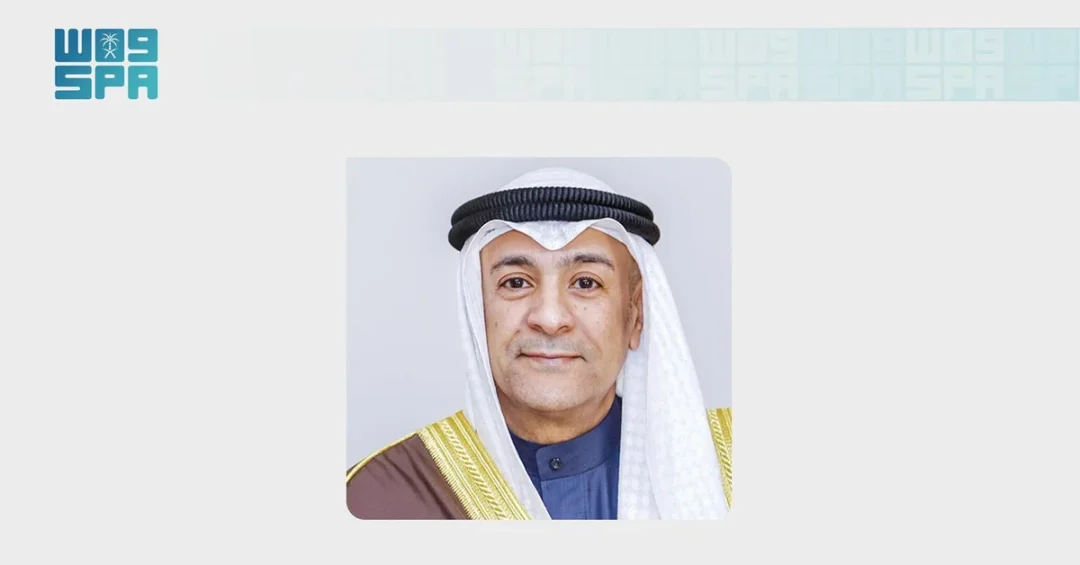
Deputy Prime Minister and Minister of Foreign Affairs of the Kingdom of Thailand Sihasak Phuangketkeow received Secretary-General of the Gulf Cooperation Council (GCC) Jasem Mohamed Albudaiwi in Bangkok on October 15, 2026, on the sidelines of the 2026 Annual Meetings of the International Monetary Fund and the World Bank Group, according to the Saudi Press Agency (SPA). The meeting focused on strengthening relations between the GCC and Thailand and exploring new opportunities for cooperation across fields of mutual interest. Both sides described the talks as a significant step toward expanding their partnership and building on distinguished ties that have developed in recent years.
The encounter in the Thai capital reflects the GCC’s continued engagement with key Asian partners as part of a broader strategy to diversify international relationships and deepen economic and diplomatic ties beyond the Gulf region. For Thailand, the meeting represents an opportunity to reinforce its position as a gateway to Southeast Asia and to attract investment and collaboration from one of the world’s most dynamic economic blocs. The discussions also underscored the importance of sustained consultation on regional and international developments, with both sides emphasizing the need for coordination to reinforce security and stability.
Context and Background
Why has the relationship between the Gulf Cooperation Council and Thailand become so important in recent years? The GCC, which comprises Bahrain, Kuwait, Oman, Qatar, Saudi Arabia, and the United Arab Emirates, has steadily expanded its diplomatic and economic outreach across Asia. Thailand, as one of Southeast Asia’s largest economies and a founding member of the Association of Southeast Asian Nations (ASEAN), has emerged as a natural partner for the Gulf bloc. Trade between the two sides has grown considerably, driven by energy exports from the Gulf and agricultural products, electronics, and automotive components from Thailand.
The meeting between Sihasak Phuangketkeow and Jasem Mohamed Albudaiwi took place during the 2026 Annual Meetings of the International Monetary Fund and the World Bank Group, a global gathering that brings together finance ministers, central bank governors, and international development leaders. This setting provided a strategic platform for the two officials to discuss economic cooperation, investment opportunities, and development pathways. It also allowed them to exchange views on the latest regional and international developments, reinforcing the importance of dialogue in a rapidly changing global landscape.
Both sides highlighted how such efforts contribute to expanding their partnership horizons, capitalizing on each other’s successful experiences and expertise, and supporting development and prosperity pathways. The conversation also touched on the importance of continuing to advance GCC-Thai links and building upon the distinguished ties uniting them. The meeting comes as the GCC intensifies its engagement with Asian nations, recognizing the growing economic weight of the region and the mutual benefits of deeper collaboration.
Key Details of the Meeting
What specific outcomes emerged from the discussions between the Thai Deputy Prime Minister and the GCC Secretary-General? According to the Saudi Press Agency, the two officials expressed their aspiration that the signing of a memorandum of understanding (MoU) between the GCC General Secretariat and the Ministry of Foreign Affairs of the Kingdom of Thailand will contribute to establishing an institutional framework that bolsters joint cooperation and coordination. This framework is expected to unlock broader horizons for developing relations across areas of common priority, including trade, investment, tourism, and cultural exchange.
The MoU, once signed, would represent a formalization of the growing ties between the GCC and Thailand. It would provide a structured mechanism for regular consultations, joint projects, and the exchange of expertise. Both sides underscored the importance of continuing to advance GCC-Thai links and building upon the distinguished ties uniting them. They also emphasized the need for sustained consultation and coordination to reinforce security and stability across the region and the world.
The meeting also witnessed an exchange of views on the latest regional and international developments. While specific details of these discussions were not disclosed, the emphasis on security and stability suggests a shared interest in addressing global challenges such as energy security, supply chain resilience, and geopolitical tensions. The Thai Deputy Prime Minister and the GCC Secretary-General reaffirmed their commitment to dialogue as a means of fostering understanding and cooperation.
International and Regional Impact
How does the strengthening of GCC-Thailand relations resonate beyond the two parties? The meeting in Bangkok signals a deepening of ties between the Gulf and Southeast Asia, two regions that are increasingly interconnected through trade, investment, and people-to-people exchanges. For the GCC, Thailand represents a key partner in ASEAN and a gateway to a market of more than 600 million people. For Thailand, the GCC offers access to some of the world’s largest energy producers and sovereign wealth funds, as well as a growing source of tourism and investment.
The discussions also reflect the GCC’s broader strategy of diversifying its international partnerships. In recent years, the bloc has signed free trade agreements and memoranda of understanding with countries across Asia, Europe, and Africa. These efforts are aimed at reducing dependence on traditional markets and enhancing economic resilience. The meeting with Thailand’s Deputy Prime Minister is part of this ongoing outreach, which has seen the GCC engage with countries such as China, India, Japan, and South Korea.
On a regional level, the exchange of views on security and stability highlights the shared interest in maintaining a peaceful and prosperous environment. Both the GCC and Thailand have a stake in the free flow of trade through key maritime routes, including the Strait of Hormuz and the South China Sea. By coordinating on such issues, they can contribute to global stability and economic growth.
Economic and Strategic Significance
What economic benefits could arise from closer GCC-Thailand cooperation? Trade between the GCC and Thailand has been on an upward trajectory. In 2025, bilateral trade exceeded $20 billion, with the GCC exporting crude oil, petrochemicals, and aluminum, while Thailand exported automobiles, electronics, rubber, and food products. The MoU is expected to facilitate further growth by reducing barriers and promoting investment. Thai companies have shown interest in investing in Gulf infrastructure, renewable energy, and tourism projects, while Gulf investors are looking at opportunities in Thailand’s digital economy, healthcare, and agriculture.
Strategically, the relationship is significant for both sides. For the GCC, Thailand is a key partner in Southeast Asia and a member of ASEAN, which is one of the fastest-growing economic regions in the world. For Thailand, the GCC represents a source of energy security and a partner in its efforts to diversify its economy away from traditional sectors. The meeting also underscores the importance of multilateral cooperation in addressing global challenges, from climate change to public health.
The timing of the meeting, on the sidelines of the IMF and World Bank Annual Meetings, highlights the economic focus of the discussions. Both officials likely discussed ways to enhance financial cooperation, attract investment, and support sustainable development. The presence of the GCC Secretary-General at such a global gathering demonstrates the bloc’s active role in international economic affairs and its commitment to engaging with partners worldwide.
Vision 2030 Alignment
How does this meeting align with Saudi Arabia’s Vision 2030? Saudi Arabia, as the largest economy in the GCC and a driving force behind the bloc’s initiatives, is committed to deepening international partnerships that support its Vision 2030 goals. Vision 2030 aims to diversify the Kingdom’s economy, reduce dependence on oil, and enhance its global engagement. Strengthening ties with Thailand and other Asian nations is consistent with this vision, as it opens new markets for Saudi exports, attracts foreign investment, and promotes cultural exchange.
The GCC’s outreach to Thailand also reflects the broader objectives of Vision 2030 to position Saudi Arabia as a hub connecting three continents—Asia, Europe, and Africa. By fostering closer relations with Southeast Asia, the Kingdom and its GCC partners can expand trade routes, enhance energy cooperation, and promote tourism. The MoU between the GCC General Secretariat and Thailand’s Ministry of Foreign Affairs will provide a framework for such cooperation, ensuring that the partnership is institutionalized and sustainable.
As the GCC and Thailand continue to build on their distinguished ties, the meeting between Deputy Prime Minister Sihasak Phuangketkeow and Secretary-General Jasem Mohamed Albudaiwi marks another step forward in a relationship that promises mutual benefits. The emphasis on consultation, coordination, and shared prosperity aligns with the principles of Vision 2030 and the GCC’s own strategic objectives. In a world of increasing interdependence, such partnerships are essential for stability and growth.
20 Questions
Q1. Who received the GCC Secretary-General in Bangkok?
A1. Deputy Prime Minister and Minister of Foreign Affairs of Thailand Sihasak Phuangketkeow received GCC Secretary-General Jasem Mohamed Albudaiwi in Bangkok on October 15, 2026, according to the Saudi Press Agency.
Q2. What event provided the backdrop for this meeting?
A2. The meeting was held on the sidelines of the 2026 Annual Meetings of the International Monetary Fund and the World Bank Group, a major global economic gathering that brings together finance ministers and central bank governors.
Q3. What was the main purpose of the meeting?
A3. The two officials discussed avenues to bolster relations between the GCC and Thailand and reviewed opportunities to advance cooperation across fields of mutual interest, including trade, investment, and cultural exchange.
Q4. What did both sides highlight about their partnership?
A4. They highlighted how such efforts contribute to expanding their partnership horizons, capitalizing on each other’s successful experiences and expertise, and supporting development and prosperity pathways.
Q5. What is the significance of the anticipated memorandum of understanding?
A5. Both sides expressed aspiration that the signing of an MoU between the GCC General Secretariat and Thailand’s Ministry of Foreign Affairs will establish an institutional framework that bolsters joint cooperation and coordination.
Q6. What areas of cooperation are expected to benefit from the MoU?
A6. The MoU is expected to unlock broader horizons for developing relations across areas of common priority, including trade, investment, tourism, energy, and cultural exchange.
Q7. Did the meeting address regional and international developments?
A7. Yes, the meeting witnessed an exchange of views on the latest regional and international developments, with both sides emphasizing the importance of sustained consultation and coordination to reinforce security and stability.
Q8. How does this meeting fit into the GCC’s broader strategy?
A8. It reflects the GCC’s continued engagement with key Asian partners as part of a broader strategy to diversify international relationships and deepen economic and diplomatic ties beyond the Gulf region.
Q9. What are the main components of GCC-Thailand trade?
A9. The GCC exports crude oil, petrochemicals, and aluminum to Thailand, while Thailand exports automobiles, electronics, rubber, and food products to the Gulf, with bilateral trade exceeding $20 billion in 2025.
Q10. How does Thailand benefit from closer ties with the GCC?
A10. Thailand gains access to some of the world’s largest energy producers and sovereign wealth funds, as well as a growing source of tourism and investment from the Gulf region.
Q11. How does the GCC benefit from closer ties with Thailand?
A11. The GCC gains a key partner in ASEAN and a gateway to a market of more than 600 million people, along with opportunities for investment in Thailand’s digital economy, healthcare, and agriculture.
Q12. What role does Saudi Arabia play in GCC-Thailand relations?
A12. As the largest economy in the GCC and a driving force behind the bloc’s initiatives, Saudi Arabia is committed to deepening international partnerships that support its Vision 2030 goals and enhance global engagement.
Q13. How does this meeting align with Saudi Vision 2030?
A13. Strengthening ties with Thailand and other Asian nations is consistent with Vision 2030’s aims to diversify the economy, reduce oil dependence, and position Saudi Arabia as a hub connecting Asia, Europe, and Africa.
Q14. What is the expected impact of the MoU on GCC-Thailand relations?
A14. The MoU will provide a structured mechanism for regular consultations, joint projects, and the exchange of expertise, ensuring that the partnership is institutionalized and sustainable for the long term.
Q15. Were there any discussions on security and stability?
A15. Yes, both sides emphasized the importance of sustained consultation and coordination to reinforce security and stability across the region and the world, reflecting a shared interest in global peace.
Q16. What is the significance of the meeting’s timing?
A16. The meeting took place during the IMF and World Bank Annual Meetings, highlighting the economic focus of the discussions and the GCC’s active role in international economic affairs.
Q17. How does this meeting reflect the GCC’s outreach to Asia?
A17. It is part of the GCC’s ongoing outreach to Asian nations such as China, India, Japan, and South Korea, aimed at reducing dependence on traditional markets and enhancing economic resilience.
Q18. What are the next steps for GCC-Thailand relations?
A18. The next step is the signing of the MoU between the GCC General Secretariat and Thailand’s Ministry of Foreign Affairs, which will establish a formal framework for cooperation and coordination.
Q19. How does this partnership contribute to global stability?
A19. By coordinating on issues such as energy security, supply chain resilience, and maritime trade routes, the GCC and Thailand can contribute to global stability and economic growth.
Q20. What does this meeting mean for the future of GCC-Asia relations?
A20. It signals a deepening of ties between the Gulf and Southeast Asia, setting a precedent for further cooperation and demonstrating the GCC’s commitment to building mutually beneficial partnerships across Asia.
Reader Feedback
We value your thoughts. Please share your feedback on this article.
Your feedback helps us improve our coverage.