


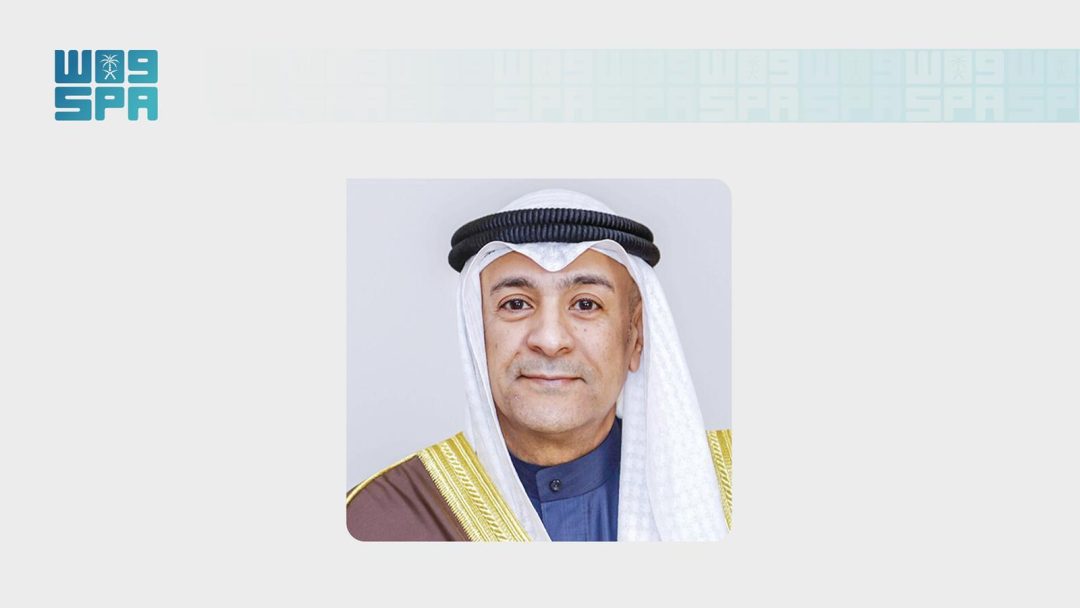
Bangkok — Secretary-General of the Gulf Cooperation Council (GCC) Jasem Mohamed Albudaiwi and Deputy Prime Minister and Minister of Foreign Affairs of the Kingdom of Thailand Sihasak Phuangketkeow signed a memorandum of understanding between the GCC General Secretariat and the Ministry of Foreign Affairs of the Kingdom of Thailand in the Thai capital, Bangkok, SPA reported on October 15, 2026.
The signing, carried by SPA, places the agreement directly between the GCC General Secretariat and Thailand’s Ministry of Foreign Affairs, with the stated aim of bolstering friendship and cooperation between both sides and developing frameworks for dialogue and joint coordination.
According to the source, the MoU is intended to elevate GCC-Thai relations towards broader horizons of partnership and cooperation across various fields of mutual interest. What does an institutional partnership of this kind actually change for the people on both sides?
The secretary-general emphasized that signing the MoU represents an important step towards enhancing relations between the GCC and the Kingdom of Thailand. He affirmed that it reflects a shared desire to establish an institutional partnership founded on dialogue, mutual understanding, knowledge exchange, and exploring new avenues for cooperation, serving common interests and fulfilling the aspirations of both sides.
He explained that the MoU encompasses consultation and coordination on political and economic issues of mutual concern, fostering cultural cooperation and people-to-people ties, alongside the potential to expand areas of cooperation in the future and formulate a joint action plan to translate understandings into practical initiatives and programs that advance bilateral relations.
He also underscored the importance of building upon this milestone to bolster the GCC-Thai partnership and intensify communication and coordination across various levels, thereby supporting mutual interests and reinforcing stability, prosperity, and sustainable development for both sides.
Why does the text place dialogue, mutual understanding, and knowledge exchange at the center of the arrangement rather than any single project or program?
The document as described is a framework agreement. Its listed components are consultation and coordination on political and economic issues of mutual concern, cultural cooperation, people-to-people ties, the potential to expand areas of cooperation in the future, and a joint action plan to translate understandings into practical initiatives and programs.
What the source does not include is any figure, timetable, or named initiative attached to the MoU. It does not state a value, a number of projects, a signing date beyond the October 15, 2026 dateline, or a schedule for the joint action plan. It also does not name any official beyond Albudaiwi and Phuangketkeow, and it does not say which fields of mutual interest will be addressed first.
How will the joint action plan be drafted, and who will sit on the bodies that carry it out?
The location of the signing is itself part of the sourced record: the MoU was signed in the Thai capital, Bangkok, between the GCC General Secretariat and the Ministry of Foreign Affairs of the Kingdom of Thailand. The dateline on the SPA report is Bangkok, October 15, 2026.
The secretary-general’s remarks, as carried by SPA, frame the signing as a step towards enhancing relations between the GCC and the Kingdom of Thailand, and as a reflection of a shared desire to establish an institutional partnership. The phrase “institutional partnership” is the source’s own description of what the two sides are building.
What does an institutional partnership look like in practice once the dialogue frameworks are set up?
The source lists the areas the MoU covers in a single sequence: political and economic issues of mutual concern, cultural cooperation, and people-to-people ties. It then adds that areas of cooperation could expand in the future, and that a joint action plan would translate understandings into practical initiatives and programs.
The secretary-general also underscored the importance of building upon this milestone to bolster the GCC-Thai partnership and intensify communication and coordination across various levels. The stated outcomes of that effort, in the source’s wording, are supporting mutual interests and reinforcing stability, prosperity, and sustainable development for both sides.
Which of the listed areas — political consultation, economic coordination, cultural cooperation, or people-to-people ties — will see the first practical initiative?
The SPA report does not quote the Thai deputy prime minister, and it does not describe the Thai side’s remarks at the signing. It also does not state how many officials attended, whether any other documents were signed, or what the next scheduled contact between the two sides will be.
The report closes with the SPA attribution and a timestamp: 12:40 local time, 09:40 GMT. No further details on the MoU’s text, annexes, or implementation mechanism are included in the source material.
What would a reader need to see next in order to judge whether the frameworks described here produce practical initiatives and programs?
Who signed the memorandum of understanding between the GCC General Secretariat and Thailand’s Ministry of Foreign Affairs? The MoU was signed by Secretary-General of the Gulf Cooperation Council Jasem Mohamed Albudaiwi and Deputy Prime Minister and Minister of Foreign Affairs of the Kingdom of Thailand Sihasak Phuangketkeow. The signing took place in the Thai capital, Bangkok, according to the SPA report dated October 15, 2026. The agreement is between the GCC General Secretariat and the Ministry of Foreign Affairs of the Kingdom of Thailand, and the source states its aim is to bolster friendship and cooperation between both sides.
What does the MoU aim to achieve, according to the source? The source states the MoU aims to bolster friendship and cooperation between both sides and develop frameworks for dialogue and joint coordination, thereby elevating GCC-Thai relations towards broader horizons of partnership and cooperation across various fields of mutual interest. The secretary-general described it as an important step towards enhancing relations between the GCC and the Kingdom of Thailand and said it reflects a shared desire to establish an institutional partnership founded on dialogue, mutual understanding, knowledge exchange, and exploring new avenues for cooperation.
Which areas of cooperation does the MoU cover? According to the secretary-general, the MoU encompasses consultation and coordination on political and economic issues of mutual concern, fostering cultural cooperation and people-to-people ties, alongside the potential to expand areas of cooperation in the future. It also provides for formulating a joint action plan to translate understandings into practical initiatives and programs that advance bilateral relations. The source does not state which of these areas will be addressed first or name any specific initiative attached to the agreement.
Where and when was the MoU signed? The MoU was signed in the Thai capital, Bangkok, according to the SPA report. The dateline on the report is Bangkok, October 15, 2026, and the report carries a timestamp of 12:40 local time, 09:40 GMT. The signing was between the GCC General Secretariat and the Ministry of Foreign Affairs of the Kingdom of Thailand. The source does not state how many officials attended the signing or whether any other documents were signed at the same event.
What did the secretary-general say about building on the agreement? The secretary-general underscored the importance of building upon this milestone to bolster the GCC-Thai partnership and intensify communication and coordination across various levels. He said this would support mutual interests and reinforce stability, prosperity, and sustainable development for both sides. He also affirmed that the signing reflects a shared desire to establish an institutional partnership founded on dialogue, mutual understanding, knowledge exchange, and exploring new avenues for cooperation, serving common interests and fulfilling the aspirations of both sides.