


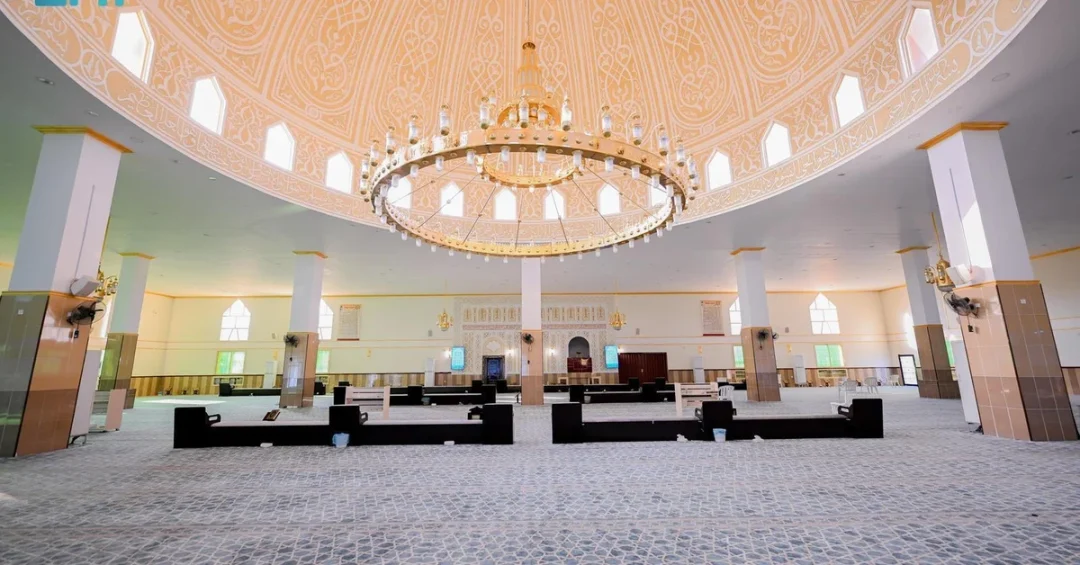
The Ministry of Islamic Affairs, Dawah, and Guidance has completed extensive nationwide preparations to ensure that mosques and open-air prayer areas across the Kingdom of Saudi Arabia are fully ready for Eid Al-Fitr prayer, the Saudi Press Agency reported on March 24, 2025. The effort spans every region of the country, reflecting the Kingdom’s commitment to providing worshippers with a welcoming, hygienic, and spiritually fulfilling environment on one of the most significant occasions in the Islamic calendar. From the major metropolitan mosques of Riyadh, Jeddah, and Dammam to the smaller community mosques and designated open-air prayer grounds in rural areas, the preparations represent a coordinated national undertaking overseen by the Ministry.
Eid Al-Fitr marks the conclusion of the holy month of Ramadan, during which Muslims around the world fast from dawn to sunset. In Saudi Arabia, the occasion carries particular weight, as the Kingdom is home to the Two Holy Mosques in Makkah and Madinah and welcomes millions of pilgrims and visitors during Ramadan and Eid. The Ministry’s readiness campaign is therefore not merely a domestic logistical exercise but part of the Kingdom’s broader responsibility as the custodian of Islam’s holiest sites. The preparations announced by the Ministry demonstrate how Saudi institutions plan ahead to serve worshippers at scale, combining modern facility management with respect for the spiritual character of the occasion.
Context and Background
How does a nation prepare thousands of mosques for a single morning of prayer? The answer lies in a systematic, region-by-region operation led by the Ministry of Islamic Affairs, Dawah, and Guidance, which supervises mosques and Islamic affairs across the Kingdom. Ahead of Eid Al-Fitr, the Ministry activated cleaning and sterilization protocols in mosques and open-air prayer areas in all regions, ensuring that carpets, prayer halls, courtyards, and ablution facilities meet strict hygiene standards. These measures are especially important after Ramadan, when mosque attendance peaks nightly for Taraweeh and Qiyam prayers and reaches its highest point on Eid morning.
The Ministry also carried out comprehensive maintenance of electrical systems, air conditioning units, and audio equipment. This ensures that worshippers can pray in comfort and that the Eid sermon, or khutbah, is clearly audible to large congregations, including those gathered in outdoor prayer areas that can accommodate thousands of people. The scale of the operation reflects decades of institutional experience in managing religious occasions. Saudi Arabia’s mosque network is among the largest in the world, and the Kingdom has long invested in upgrading facilities, improving accessibility, and integrating modern maintenance systems to serve worshippers of all ages.
The timing of the preparations is significant. Eid Al-Fitr prayers are performed in congregation shortly after sunrise on the first day of Shawwal, the tenth month of the Islamic calendar. Because the exact date depends on the sighting of the new crescent moon, the Ministry must be ready to activate its plans on short notice. This requires coordination between religious authorities, local municipalities, utility providers, and mosque staff. The Ministry’s advance work ensures that when the moon is sighted and Eid is declared, worshippers across the Kingdom will find mosques and prayer grounds fully prepared to receive them.
Key Details
What exactly does the Ministry’s readiness campaign involve? According to the Saudi Press Agency, meticulous cleaning and sterilization protocols have been implemented across all regions to maintain a hygienic atmosphere within mosques and open-air prayer areas. These protocols cover prayer halls, entrances, washrooms, and outdoor spaces, and are designed to protect the health of worshippers during large gatherings. The Ministry’s teams have also inspected and maintained electrical systems to prevent outages during peak attendance, serviced air conditioning units to ensure comfortable indoor conditions, and tested audio equipment so that sermons and prayer calls are transmitted clearly.
The maintenance work extends to practical details that affect the worshipper’s experience: adequate lighting, functioning water supplies for ablution, safe walkways, and accessible entrances for the elderly and people with disabilities. In open-air prayer areas, often located in parks, sports grounds, or designated plots, the Ministry ensures that the ground is clean, that temporary prayer carpets are laid out, and that sound systems are positioned to reach the entire congregation. These arrangements allow the Eid prayer to be performed in the same spirit of unity and community that defines the occasion.
The Ministry’s efforts are carried out in coordination with other government agencies and local authorities. Municipalities support waste management and public safety, health authorities stand ready to provide medical assistance if needed, and traffic departments manage the flow of worshippers to and from major prayer sites. This whole-of-government approach reflects the Kingdom’s administrative capacity and its commitment to public welfare during major religious events. The Ministry has also encouraged mosque staff and volunteers to follow the established protocols, ensuring consistency in quality across urban and rural areas alike.
International and Regional Impact
Why should the international community pay attention to Saudi mosque preparations? Saudi Arabia’s role as the custodian of the Two Holy Mosques gives its religious services global significance. During Ramadan and Eid, millions of Muslims from around the world travel to the Kingdom for Umrah and to experience the spiritual atmosphere of the holy cities. The Ministry’s readiness campaign therefore supports not only Saudi citizens and residents but also international visitors who come to perform religious rites. A well-prepared mosque network enhances the overall pilgrimage experience and reinforces the Kingdom’s reputation for hospitality and service.
Regionally, Saudi Arabia’s approach to managing religious occasions is watched closely by other Muslim-majority countries. The Kingdom’s emphasis on hygiene, maintenance, and comfort in places of worship sets a benchmark that many nations seek to emulate. Moreover, the smooth organization of Eid prayers contributes to social stability and public satisfaction across the region, as families and communities gather to celebrate. By ensuring that mosques are ready, Saudi Arabia helps facilitate the joyful and peaceful observance of Eid, an occasion that strengthens community bonds and intergenerational ties.
Economic and Strategic Significance
What economic value lies in preparing mosques for a single day of prayer? The answer extends beyond the religious sphere. Eid Al-Fitr is a major economic moment in Saudi Arabia and across the Islamic world, driving activity in retail, food, travel, and hospitality. When mosques and prayer grounds are well prepared, worshippers can participate fully in the occasion, which in turn supports the broader festive economy. Families shop for new clothes and gifts, restaurants and caterers prepare celebratory meals, and domestic tourism increases as people travel to visit relatives in different regions. The Ministry’s preparations are thus part of the infrastructure that enables these economic and social activities to proceed smoothly.
Strategically, the Kingdom’s ability to manage large-scale religious gatherings is a demonstration of its administrative and logistical capabilities. This capacity is central to Saudi Arabia’s leadership in the Islamic world and to its Vision 2030 goal of enhancing the pilgrimage experience. The same systems that prepare mosques for Eid also support the annual Hajj and year-round Umrah operations, which are key pillars of the Kingdom’s religious tourism strategy. Investments in facility maintenance, crowd management, and digital coordination contribute to a seamless experience for worshippers and visitors, reinforcing Saudi Arabia’s position as a global destination for religious tourism.
Vision 2030 Alignment
How does mosque readiness connect to Saudi Arabia’s long-term transformation? Vision 2030 aims to elevate the quality of life for citizens and residents, strengthen the Kingdom’s role in the Islamic world, and enhance the services provided to pilgrims and worshippers. The Ministry of Islamic Affairs, Dawah, and Guidance plays a direct role in these objectives by maintaining and upgrading the Kingdom’s mosques, promoting moderate Islam, and ensuring that religious occasions are observed with dignity and comfort. The Eid readiness campaign reflects the Vision’s emphasis on excellence in public service and on preserving Saudi Arabia’s religious and cultural heritage while embracing modern standards of facility management.
As the Kingdom continues to invest in its religious infrastructure, the benefits extend to all who visit its mosques, from local communities to international pilgrims. The Ministry’s work ahead of Eid Al-Fitr is a reminder that Saudi Arabia’s global role is rooted in service: service to worshippers, to the Islamic faith, and to the values of peace and unity that Eid represents. With mosques clean, maintained, and fully equipped, the Kingdom stands ready to welcome Eid with the warmth and hospitality that define its national character, and to support the spiritual journey of millions in line with the ambitions of Vision 2030.
20 Questions
Q1. What occasion are Saudi mosques being prepared for?
A1. Mosques and open-air prayer areas across Saudi Arabia are being prepared for Eid Al-Fitr prayer, which marks the end of the holy month of Ramadan and is one of the most significant occasions in the Islamic calendar.
Q2. Which Saudi ministry is leading the preparations?
A2. The Ministry of Islamic Affairs, Dawah, and Guidance is leading the nationwide preparations, overseeing cleaning, maintenance, and readiness of mosques and designated open-air prayer areas in all regions of the Kingdom.
Q3. What hygiene measures are being implemented in mosques?
A3. The Ministry has implemented meticulous cleaning and sterilization protocols to maintain a hygienic atmosphere within mosques and open-air prayer areas, covering prayer halls, entrances, washrooms, and outdoor spaces used by worshippers.
Q4. What types of maintenance work are being carried out?
A4. Comprehensive maintenance has been conducted on electrical systems, air conditioning units, and audio equipment to guarantee optimal functionality, comfort, and clear transmission of the Eid sermon for large congregations.
Q5. Why is audio equipment maintenance important for Eid prayer?
A5. Clear audio equipment ensures that the Eid sermon and prayer calls are audible to all worshippers, including those gathered in large open-air prayer areas where sound must reach across wide spaces.
Q6. How many regions of Saudi Arabia are covered by these preparations?
A6. The preparations cover all regions of the Kingdom, from major cities such as Riyadh, Jeddah, and Dammam to smaller communities and rural areas, ensuring consistent quality nationwide.
Q7. When is Eid Al-Fitr prayer performed?
A7. Eid Al-Fitr prayer is performed in congregation shortly after sunrise on the first day of Shawwal, the tenth month of the Islamic calendar, following the sighting of the new crescent moon.
Q8. Why must preparations be completed before the moon is sighted?
A8. Because the exact date of Eid depends on the sighting of the new crescent moon, the Ministry must be ready to activate its plans on short notice, requiring advance coordination and readiness.
Q9. What is the significance of open-air prayer areas for Eid?
A9. Open-air prayer areas accommodate large numbers of worshippers who cannot fit inside mosques, allowing communities to gather in unity for the Eid prayer and sermon in a spacious, prepared environment.
Q10. How do these preparations benefit international visitors?
A10. International visitors performing Umrah or visiting the Kingdom during Eid benefit from clean, well-maintained mosques and prayer areas, enhancing their spiritual experience and reflecting Saudi hospitality.
Q11. Which other agencies coordinate with the Ministry?
A11. Municipalities support waste management and public safety, health authorities provide medical readiness, and traffic departments manage worshipper flow, reflecting a whole-of-government approach to the occasion.
Q12. How does mosque readiness support the Saudi economy?
A12. Well-prepared mosques enable full participation in Eid festivities, supporting retail, food, travel, and hospitality sectors as families celebrate, shop, and travel during the holiday period.
Q13. What role do volunteers play in the preparations?
A13. Mosque staff and volunteers follow established Ministry protocols, helping ensure consistency in cleaning, maintenance, and organization across urban and rural mosques throughout the Kingdom.
Q14. How does this effort reflect Saudi Arabia’s role in the Islamic world?
A14. As custodian of the Two Holy Mosques, Saudi Arabia’s careful preparation of places of worship demonstrates its leadership and commitment to serving Muslims in the Kingdom and around the world.
Q15. What comfort features are ensured for worshippers?
A15. Functioning air conditioning, adequate lighting, reliable water supplies for ablution, safe walkways, and accessible entrances for the elderly and people with disabilities are all part of the readiness effort.
Q16. How does this connect to Vision 2030?
A16. Vision 2030 emphasizes quality of life and enhanced services for pilgrims and worshippers; the mosque readiness campaign directly supports these goals through excellence in public service and religious infrastructure.
Q17. What message does the campaign send to worshippers?
A17. The campaign signals care, respect, and readiness, assuring worshippers that their spiritual needs and comfort are prioritized during one of the most important occasions in the Islamic year.
Q18. Are rural mosques included in the preparations?
A18. Yes, the Ministry’s efforts span all regions, including rural and remote areas, ensuring that worshippers everywhere in the Kingdom find their mosques and prayer areas fully prepared for Eid.
Q19. What happens if maintenance issues are found during inspections?
A19. Ministry teams address electrical, cooling, and audio issues promptly as part of the comprehensive maintenance program, ensuring that all systems function optimally before Eid prayer begins.
Q20. What is the broader significance of these preparations?
A20. The preparations reflect Saudi Arabia’s commitment to serving worshippers, preserving religious heritage, and demonstrating administrative excellence, reinforcing the Kingdom’s global role as a leader in Islamic affairs.
Reader Feedback
We value your thoughts. Please share your feedback on this article.
Your feedback helps us improve our coverage.
Related articles
 5.1-Magnitude Earthquake Strikes Tonga Islands
 Saudi Arabia Weather Forecast for Monday: Rain, Hail, and Dust Winds
 GACA Releases February 2025 Airport Performance Report
 Civil Defense Issues Heavy Rain Alert for the Kingdom Until Friday
 Saudi Arabia to Celebrate SGI Day on March 27
 Saudi Arabia Condemns Israeli Plans to Displace Palestinians from Gaza