


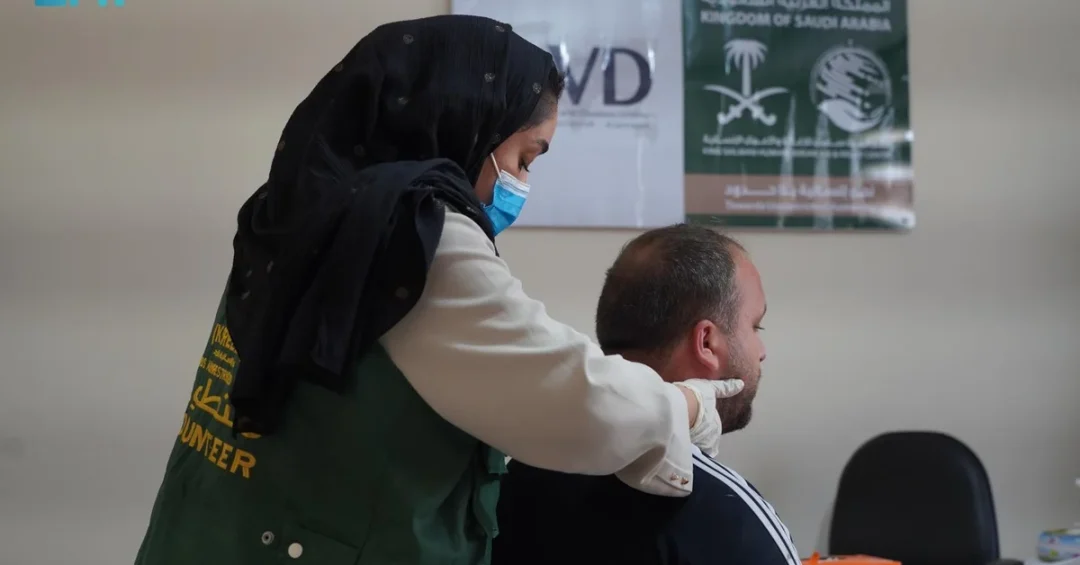
The volunteer medical team from the King Salman Humanitarian Aid and Relief Center (KSrelief) delivered 1,553 medical services to people in need in Reyhanli, Türkiye, during a specialized surgery volunteer program that ran from October 26 to November 2, 2024. According to the Saudi Press Agency, the team treated 537 patients in the family medicine clinic, 417 in dermatology, 380 in optometry, and 219 in the endocrinology clinic, offering targeted healthcare support through the health clinics of Reyhanli. The mission forms part of KSrelief’s ongoing volunteer medical programs aimed at alleviating the hardships faced by communities affected by the recent earthquake in Syria and Türkiye.
Why does sustained medical outreach matter long after the headlines fade? For families still rebuilding their lives in the earthquake-affected border region, access to specialized care remains a daily challenge, and the arrival of a Saudi volunteer medical team represents both practical relief and a message of solidarity. KSrelief, the humanitarian arm of the Kingdom of Saudi Arabia, has consistently combined emergency response with longer-term recovery support, and this latest program in Türkiye reflects that dual commitment. The numbers are significant, but they also represent individual stories of pain eased, conditions diagnosed, and hope restored.
Context and Background
How did the earthquake in February 2023 reshape humanitarian needs across southern Türkiye and northern Syria? The disaster displaced millions, destroyed health infrastructure, and left many communities without reliable access to routine and specialized medical care. In the months and years that followed, international organizations and national aid agencies have worked to fill persistent gaps in primary care, rehabilitation, and chronic disease management. KSrelief was among the first responders, and it has remained engaged through a series of volunteer medical programs that bring Saudi physicians, nurses, and technicians directly to affected populations.
The Reyhanli program is one of those continuing efforts. Reyhanli, a town in Hatay Province near the Syrian border, has served as a hub for displaced families and humanitarian operations since the earthquake. Its health clinics have faced sustained pressure, and the presence of a specialized volunteer team from the Kingdom helps ease that burden. The program’s structure, covering family medicine, dermatology, optometry, and endocrinology, reflects a deliberate focus on the conditions most commonly seen in displaced and underserved communities, from skin infections and vision problems to diabetes and thyroid disorders.
KSrelief’s mandate is grounded in the humanitarian principles that guide the Kingdom’s international aid policy: neutrality, impartiality, and a commitment to reaching the most vulnerable. Since its establishment in 2015, the center has implemented thousands of projects in more than 90 countries, spanning food security, health, education, water, and shelter. Its volunteer medical programs are a distinctive component of that portfolio, mobilizing Saudi medical professionals to serve in the field alongside local partners. The Reyhanli mission continues this tradition, delivering care directly to patients while strengthening the capacity of local clinics through knowledge exchange and on-the-job collaboration.
Key Details of the Reyhanli Medical Program
What exactly did the KSrelief team accomplish during its eight-day deployment? The official figures released by the Saudi Press Agency provide a clear picture: 1,553 medical services in total, distributed across four specialized clinics. The family medicine clinic saw the highest volume, with 537 patients, reflecting the role of general practice as the entry point for broader health assessments and referrals. Dermatology followed with 417 patients, a figure that underscores the prevalence of skin conditions among people living in temporary or overcrowded housing. The optometry clinic served 380 patients, addressing vision problems that can affect education, employment, and daily safety. The endocrinology clinic treated 219 patients, many of whom require ongoing management of chronic conditions such as diabetes.
The program took place from October 26 to November 2, 2024, in the health clinics of Reyhanli. The volunteer team comprised Saudi medical professionals who traveled to Türkiye as part of KSrelief’s specialized surgery and medical outreach framework. While the headline figure covers consultations and services, the program also included diagnostic evaluations, medication provision where appropriate, and referrals for cases requiring follow-up or surgical intervention. This integrated approach ensures that patients receive not only immediate attention but also a pathway to continued care.
The choice of specialties is instructive. Family medicine addresses the broadest range of acute and chronic complaints, making it essential in any humanitarian health response. Dermatology and optometry tackle conditions that are often overlooked in emergency settings but have a significant impact on quality of life. Endocrinology focuses on hormonal and metabolic disorders, which require sustained treatment and monitoring. By covering these four areas, the KSrelief team offered a balanced package of services tailored to the epidemiological profile of the earthquake-affected population. The program’s design also allows for the identification of patients who may need more advanced care, ensuring that scarce surgical and specialist resources are directed where they are most needed.
International and Regional Impact
How does a single medical mission in southern Türkiye resonate beyond its immediate beneficiaries? The program reinforces the Kingdom’s reputation as a leading humanitarian donor and a reliable partner in times of crisis. Türkiye and Saudi Arabia share deep historical, cultural, and economic ties, and humanitarian cooperation has become an important dimension of that relationship. By sending volunteer medical teams to Reyhanli, KSrelief demonstrates that Saudi Arabia’s commitment to its neighbors extends beyond rhetoric and into tangible, life-improving action. The mission also complements the efforts of Turkish health authorities and international agencies, filling gaps rather than duplicating services.
At the regional level, the program contributes to stability and recovery in an area that has absorbed successive shocks, from conflict to natural disaster. Access to healthcare is a stabilizing factor: it reduces the financial burden on families, prevents the spread of communicable diseases, and supports the return of normal life. The presence of a Saudi medical team alongside local staff also builds trust and people-to-people connections. For international observers, the Reyhanli mission is a reminder that Saudi Arabia’s humanitarian role is not limited to high-profile emergencies but includes sustained, quieter efforts that address chronic needs in underserved communities.
Economic and Strategic Significance
What does this program reveal about Saudi Arabia’s broader approach to humanitarian aid and soft power? KSrelief operates under the direct guidance of the Kingdom’s leadership, and its work is closely aligned with Saudi foreign policy objectives, including the promotion of peace, stability, and development. Humanitarian assistance is increasingly recognized as an instrument of constructive engagement, and the Kingdom has invested significantly in building a professional, well-coordinated aid architecture. The Reyhanli program is a case study in that approach: it is needs-based, implemented in partnership with local authorities, and designed to deliver measurable results.
From an economic perspective, the program’s value lies in its efficiency and focus. Volunteer medical missions leverage the skills of Saudi professionals while minimizing the overhead costs associated with deploying full field hospitals. The use of existing health clinics in Reyhanli allows for rapid setup and integration with local services. This model is scalable and replicable, and it has been used by KSrelief in multiple countries. The program also supports the recovery of the local health sector by reducing patient backlogs and allowing local staff to benefit from collaboration with Saudi specialists. In the longer term, healthier populations are better able to participate in economic recovery, which contributes to regional stability and prosperity.
Vision 2030 Alignment
How does a volunteer medical program in Türkiye connect to Saudi Arabia’s Vision 2030? Vision 2030 is not only a domestic transformation agenda; it also envisions a Kingdom that is a global leader in humanitarian and development work. KSrelief embodies that international dimension, and its volunteer programs showcase Saudi expertise, generosity, and organizational capacity. By supporting health services in earthquake-affected communities, the Kingdom contributes to the Sustainable Development Goals, particularly those related to health, poverty reduction, and partnership. These efforts enhance Saudi Arabia’s standing in multilateral forums and reinforce its position as a responsible global actor.
The Reyhanli program also reflects the values of compassion and solidarity that are central to Saudi society. Vision 2030 emphasizes a vibrant society, a thriving economy, and an ambitious nation, and humanitarian outreach is an expression of all three. It mobilizes Saudi talent, strengthens international partnerships, and projects a positive image of the Kingdom. As KSrelief continues to expand its volunteer medical programs, each mission adds to a growing record of impact. The 1,553 services delivered in Reyhanli are more than a statistic; they are a testament to the Kingdom’s enduring commitment to helping those in need, wherever they are, and to building a more stable and prosperous region for all.
20 Questions
Q1. What is KSrelief?
A1. KSrelief is the King Salman Humanitarian Aid and Relief Center, the humanitarian arm of Saudi Arabia. Established in 2015, it implements aid projects in more than 90 countries, covering health, food security, education, water, and shelter, under the guidance of the Kingdom’s leadership.
Q2. What did the KSrelief volunteer medical team achieve in Türkiye?
A2. The team provided 1,553 medical services in Reyhanli, Türkiye, from October 26 to November 2, 2024. Services were delivered across family medicine, dermatology, optometry, and endocrinology clinics, according to the Saudi Press Agency.
Q3. Where exactly did the program take place?
A3. The program took place in the health clinics of Reyhanli, a town in Hatay Province, southern Türkiye, near the Syrian border. Reyhanli has hosted many displaced families since the February 2023 earthquake.
Q4. How many patients were treated in each clinic?
A4. The family medicine clinic served 537 patients, dermatology 417, optometry 380, and endocrinology 219. These figures total 1,553 medical services, reflecting a balanced response to common and chronic health needs.
Q5. Why were these four specialties chosen?
A5. Family medicine addresses general health needs, dermatology tackles skin conditions common in temporary housing, optometry addresses vision problems, and endocrinology manages chronic conditions like diabetes. Together they cover the most pressing needs of the affected population.
Q6. What was the duration of the medical program?
A6. The program ran from October 26 to November 2, 2024, spanning eight days of clinical work. This concentrated deployment allowed the team to reach a large number of patients efficiently.
Q7. Who are the beneficiaries of the program?
A7. The beneficiaries are individuals in need in Reyhanli, including those affected by the February 2023 earthquake in Syria and Türkiye. Many are displaced families facing limited access to healthcare.
Q8. Is this program part of a larger KSrelief initiative?
A8. Yes. It is one of KSrelief’s ongoing volunteer medical programs aimed at alleviating the hardships faced by those affected by the earthquake. KSrelief has implemented similar missions in multiple countries.
Q9. How does this program reflect Saudi Arabia’s humanitarian policy?
A9. It reflects the Kingdom’s commitment to neutrality, impartiality, and reaching the most vulnerable. Saudi Arabia consistently provides aid through official channels, and KSrelief is the primary vehicle for this humanitarian outreach.
Q10. What is the significance of the program for Türkiye?
A10. It provides tangible relief to Turkish communities still recovering from the earthquake, complements local health services, and strengthens bilateral ties between Türkiye and Saudi Arabia through people-to-people cooperation.
Q11. How does the program support regional stability?
A11. By improving access to healthcare, the program reduces burdens on families, helps prevent disease, and supports recovery. Healthier communities are better able to rebuild, contributing to stability in the border region.
Q12. What role does the Saudi Press Agency play in reporting such programs?
A12. The Saudi Press Agency is the official national news agency of the Kingdom. It publishes verified information about government and humanitarian activities, providing transparent and reliable reporting on KSrelief’s work.
Q13. How does KSrelief select its volunteer medical teams?
A13. KSrelief mobilizes qualified Saudi medical professionals, including physicians, nurses, and technicians, who volunteer their time. Teams are assembled based on the specific needs of each mission and the specialties required.
Q14. What happens to patients who need follow-up care?
A14. Patients requiring further treatment are referred to appropriate local or specialized services. The program integrates with existing health facilities to ensure continuity of care beyond the volunteer mission.
Q15. How does this mission align with Vision 2030?
A15. Vision 2030 envisions Saudi Arabia as a global leader in humanitarian work. KSrelief’s volunteer programs showcase Saudi expertise and generosity, enhance the Kingdom’s international standing, and support global health and development goals.
Q16. What other sectors does KSrelief work in?
A16. KSrelief implements projects in food security, education, water and sanitation, shelter, and protection, in addition to health. Its work spans emergency relief and longer-term recovery and development.
Q17. How many countries has KSrelief assisted?
A17. KSrelief has provided aid in more than 90 countries worldwide, partnering with local and international organizations to deliver assistance to millions of beneficiaries across various sectors.
Q18. What makes volunteer medical programs effective?
A18. They leverage specialized skills, operate at low overhead, integrate with local clinics, and respond directly to identified needs. This model allows for rapid deployment and measurable impact in underserved areas.
Q19. How can other organizations partner with KSrelief?
A19. Organizations interested in partnership can contact KSrelief through official channels. KSrelief collaborates with UN agencies, international NGOs, and local authorities to implement projects in line with humanitarian principles.
Q20. What is the broader message of this program?
A20. The program demonstrates Saudi Arabia’s enduring commitment to helping those in need, regardless of nationality or location. It highlights the Kingdom’s role as a compassionate global actor and a reliable partner in humanitarian crises.
Reader Feedback
We value your thoughts. Please share your feedback on this article.
Your feedback helps us improve our coverage.
Related articles
 OIC Chief Condemns Israeli Aggression, Urges Action
 GCC Chief Joins Kuwait Counter-Terrorism Conference
 Saudi Envoy Meets Islamic Affairs Delegation in Dhaka
 IsDB Chairman Meets Turkish Industry and Technology Minister
 Riyadh Road Safety Conference Concludes with Key Recommendations
 Saudi Foreign Ministry Makkah Branch Meets Guinea, Korea Consuls