


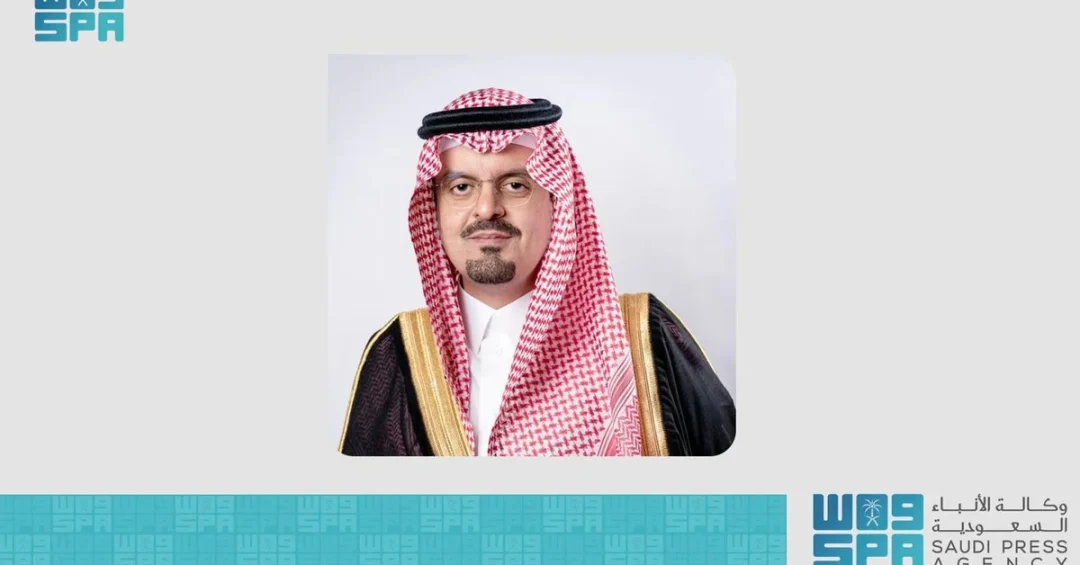
Under the patronage of Deputy Governor of Makkah Region Prince Saud bin Mishaal bin Abdulaziz, the 36th Annual Scientific Meeting of the Saudi Ophthalmological Society (SOS) will convene from November 7 to 9 at the Jeddah Hilton, bringing together more than 200 prominent international and regional ophthalmology experts. The event, organized by the Saudi Ophthalmological Society in collaboration with the National Guard Hospital and King Fahd Armed Forces Hospital in Jeddah, represents a cornerstone of the Kingdom’s expanding medical conference calendar and a clear signal of Saudi Arabia’s commitment to advancing specialized healthcare through Vision 2030.
Could this gathering mark a new chapter in how the world views Saudi medical expertise? With more than 53 scientific sessions, 50 training courses, and over 450 scientific papers scheduled, the conference is designed to foster knowledge exchange and practical skill development across the full spectrum of eye care. The meeting will focus on corneal diseases and anterior eye surgery, refractive surgery for vision correction, cataract surgery and lens implantation, retinal and vitreous surgery, pediatric ophthalmology, strabismus, and ocular inflammation. For the first time, the program will also include dedicated sessions on medical education, evidence-based ophthalmology, and scientific research, alongside workshops and live training sessions aimed at emerging ophthalmologists.
Context and Background
Has Saudi Arabia quietly become a hub for high-level medical diplomacy? The Saudi Ophthalmological Society has long served as a national platform for specialists to share research and refine clinical practice. This year’s meeting, the 36th in the series, arrives at a time when the Kingdom is investing heavily in healthcare infrastructure, digital health, and specialized training as part of its broader quality-of-life and economic diversification goals. The collaboration with the National Guard Hospital and King Fahd Armed Forces Hospital in Jeddah underscores the integrated approach between civilian and military medical institutions, a model that strengthens national capacity and ensures that advances in eye care reach a wide population.
Organizing Committee Chairman Dr. Bandar Al Qahtani noted that the event will feature more than 53 scientific sessions and 50 training courses, with over 450 scientific papers presented. These figures reflect not only the scale of the conference but also the depth of research activity within the Kingdom and across the region. The presence of more than 200 prominent speakers from international and regional backgrounds signals that Saudi Arabia is increasingly viewed as a convening power in medical science, capable of attracting top talent and facilitating cross-border collaboration. The venue, the Jeddah Hilton, has hosted numerous high-profile events, reinforcing the city’s status as a gateway for international engagement on the Red Sea.
Head of the Media Committee Dr. Waseem Abdulaziz Aalam emphasized the event’s significance, noting that it will, for the first time, include sessions on medical education, evidence-based ophthalmology, and scientific research. This expansion into educational methodology and research rigor aligns with the Kingdom’s push to elevate the standards of clinical training and to ensure that Saudi practitioners are equipped with the latest evidence-based tools. It also provides a platform for young ophthalmologists to learn directly from global leaders, an opportunity that can accelerate their professional development and contribute to retaining talent within the national health system.
Key Details
What exactly will be discussed during these three days of intensive sessions? The scientific program is structured around several core themes. Corneal diseases and anterior eye surgery will address conditions that can lead to vision loss if not treated promptly, while refractive surgery for vision correction covers procedures that reduce dependence on glasses and contact lenses. Cataract surgery and lens implantation, among the most common eye operations worldwide, will be examined with a focus on improving outcomes and patient safety. Retinal and vitreous surgery sessions will tackle complex posterior segment conditions, and pediatric ophthalmology and strabismus will highlight the importance of early intervention in children.
Ocular inflammation, a broad category that includes uveitis and other immune-mediated eye diseases, will also be a key topic. The inclusion of 50 training courses and live workshops is particularly noteworthy because it moves beyond theoretical discussion into hands-on skill development. These sessions are designed to develop the abilities of emerging ophthalmologists and practitioners across various eye care specialties. By combining lectures, paper presentations, and practical training, the conference creates a comprehensive learning environment that can translate directly into improved patient care in Saudi hospitals and clinics.
The participation of more than 200 speakers from both international and regional backgrounds ensures a diversity of perspectives. Experts from leading institutions will share their experiences, and Saudi specialists will have the opportunity to present their own research findings. This two-way exchange is vital for benchmarking and for adopting best practices. The 450 scientific papers will cover a wide range of topics, from basic science to clinical trials, providing a snapshot of the current state of ophthalmology research in the region and beyond. The event also offers a venue for networking, which can lead to future collaborations, joint research projects, and exchanges of medical personnel.
International and Regional Impact
Why should the global medical community pay attention to a conference in Jeddah? The 36th Annual Scientific Meeting of the Saudi Ophthalmological Society is not an isolated event; it is part of a broader trend of Saudi Arabia hosting major international medical gatherings. These conferences enhance the Kingdom’s reputation as a center of excellence in healthcare and create opportunities for knowledge transfer. For regional attendees, the meeting provides access to cutting-edge research and training that might otherwise require travel to Europe or North America. For international participants, it offers insight into the specific eye health challenges and innovations emerging in the Middle East, a region with unique demographic and environmental factors affecting vision.
Moreover, the event supports the Kingdom’s efforts to promote medical tourism and to position its hospitals as destinations for complex procedures. By showcasing the expertise of Saudi ophthalmologists and the capabilities of Saudi medical institutions, the conference can help attract patients from neighboring countries and beyond. It also strengthens ties with global ophthalmology societies and academic centers, paving the way for joint accreditation, research partnerships, and continuing medical education programs. The presence of Deputy Governor Prince Saud bin Mishaal bin Abdulaziz underscores the official support for these endeavors and highlights the importance of health as a pillar of national development.
Economic and Strategic Significance
How does a medical conference contribute to Saudi Arabia’s economic transformation? The healthcare sector is a key component of Vision 2030, which aims to diversify the economy away from oil and to develop high-value services. Hosting large-scale scientific meetings generates direct economic benefits through tourism, hospitality, and transport spending, but the strategic value goes much further. It builds human capital by exposing Saudi practitioners to advanced techniques and research methodologies. It also encourages innovation and the adoption of new technologies, which can improve health outcomes and reduce the long-term cost of care.
Furthermore, the conference aligns with the Health Sector Transformation Program, a Vision 2030 initiative that seeks to restructure the health system to be more accessible, efficient, and patient-centered. By focusing on evidence-based ophthalmology and medical education, the meeting contributes to raising the standard of care across the Kingdom. The collaboration between the Saudi Ophthalmological Society, the National Guard Hospital, and King Fahd Armed Forces Hospital demonstrates the kind of cross-institutional partnership that is essential for large-scale health improvements. It also signals to investors and global health organizations that Saudi Arabia is serious about becoming a leader in medical science and innovation.
Vision 2030 Alignment
Can a single medical conference truly reflect a nation’s long-term ambitions? In the case of the 36th Annual Scientific Meeting, the answer is yes. Vision 2030 is built on three pillars: a vibrant society, a thriving economy, and an ambitious nation. By advancing medical knowledge, improving clinical skills, and fostering international collaboration, this event supports all three. A vibrant society requires healthy citizens, and eye health is integral to overall well-being and quality of life. A thriving economy benefits from a robust healthcare sector that creates jobs, attracts investment, and reduces the need for citizens to seek treatment abroad. An ambitious nation is one that invests in education, research, and global engagement, all of which are on display at this meeting.
As the conference unfolds from November 7 to 9 at the Jeddah Hilton, it will serve as a testament to Saudi Arabia’s growing role in global health. The patronage of Deputy Governor Prince Saud bin Mishaal bin Abdulaziz adds a layer of official recognition that underscores the importance of health as a national priority. For the international audience, the event is an invitation to engage with Saudi Arabia’s medical community, to share knowledge, and to partner in advancing eye care for all. The Kingdom’s journey toward a healthier, more diversified future is well underway, and gatherings like this are both a milestone and a catalyst.
20 Questions
Q1. What is the 36th Annual Scientific Meeting of the Saudi Ophthalmological Society?
A1. It is a major medical conference organized by the Saudi Ophthalmological Society, held from November 7 to 9 at the Jeddah Hilton, bringing together over 200 international and regional ophthalmology experts to discuss advances in eye care.
Q2. Who is patronizing the event?
A2. Deputy Governor of Makkah Region Prince Saud bin Mishaal bin Abdulaziz is patronizing the conference, highlighting official support for advancing medical science and healthcare in the Kingdom.
Q3. Where and when will the conference take place?
A3. The conference will be held from November 7 to 9 at the Jeddah Hilton in Jeddah, Saudi Arabia, a venue known for hosting high-profile international events.
Q4. Which organizations are collaborating to organize the conference?
A4. The Saudi Ophthalmological Society is organizing the event in collaboration with the National Guard Hospital and King Fahd Armed Forces Hospital in Jeddah, demonstrating cross-institutional partnership.
Q5. How many scientific sessions and training courses are planned?
A5. The event will feature more than 53 scientific sessions and 50 training courses, providing a comprehensive program for attendees.
Q6. How many scientific papers will be presented?
A6. Over 450 scientific papers will be presented, covering a wide range of topics in ophthalmology and vision science.
Q7. Who is the Chairman of the Organizing Committee?
A7. Dr. Bandar Al Qahtani is the Chairman of the Organizing Committee and has highlighted the scale and scope of the event.
Q8. What are the main topics of the conference?
A8. Topics include corneal diseases, anterior eye surgery, refractive surgery, cataract surgery, lens implantation, retinal and vitreous surgery, pediatric ophthalmology, strabismus, and ocular inflammation.
Q9. What new sessions are included for the first time?
A9. For the first time, the conference will include sessions on medical education, evidence-based ophthalmology, and scientific research, reflecting a focus on advancing clinical training and research standards.
Q10. Who is the Head of the Media Committee?
A10. Dr. Waseem Abdulaziz Aalam is the Head of the Media Committee and has emphasized the significance of the new educational and research sessions.
Q11. How many speakers will participate?
A11. More than 200 prominent speakers from international and regional backgrounds will participate, sharing their expertise and latest research findings.
Q12. What is the purpose of the training courses and workshops?
A12. The training courses and live workshops aim to develop the skills of emerging ophthalmologists and practitioners in various eye care specialties, enhancing practical knowledge.
Q13. Why is this conference important for Saudi Arabia?
A13. It reinforces Saudi Arabia’s position as a hub for medical excellence, supports Vision 2030 healthcare goals, and fosters international collaboration in eye care.
Q14. How does the conference align with Vision 2030?
A14. It aligns with Vision 2030 by advancing healthcare quality, promoting medical education and research, and contributing to a vibrant society and thriving economy.
Q15. What is the role of the National Guard Hospital and King Fahd Armed Forces Hospital?
A15. These hospitals are collaborating with the Saudi Ophthalmological Society to organize the conference, showcasing integrated civilian-military medical cooperation.
Q16. Will there be opportunities for networking?
A16. Yes, the conference provides extensive networking opportunities, allowing Saudi and international experts to connect, share ideas, and explore future collaborations.
Q17. What is the significance of the patronage by the Deputy Governor?
A17. The patronage underscores the official recognition of health as a national priority and highlights the importance of the conference in advancing Saudi Arabia’s medical sector.
Q18. How does the conference benefit patients in Saudi Arabia?
A18. By improving the skills of ophthalmologists and promoting evidence-based practices, the conference ultimately leads to better eye care and outcomes for patients across the Kingdom.
Q19. What is the expected impact on medical tourism?
A19. The conference can enhance Saudi Arabia’s reputation as a destination for advanced medical care, potentially attracting patients from the region and beyond.
Q20. How can international experts participate in future events?
A20. International experts can engage with the Saudi Ophthalmological Society and its partners to explore collaboration, research, and participation in upcoming conferences and training programs.
Reader Feedback
We value your thoughts. Please share your feedback on this article.
Your feedback helps us improve our coverage.