


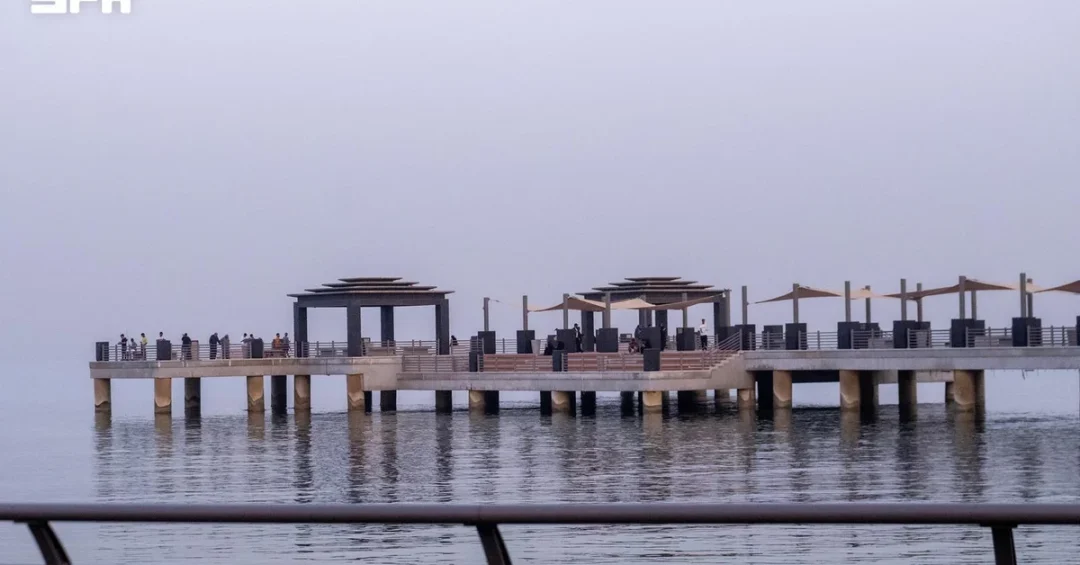
Jeddah, the vibrant coastal gateway of the Kingdom of Saudi Arabia, offers visitors a distinctive way to begin their day, one that blends the serenity of the Red Sea with the deep cultural heritage of Historic Jeddah and the rich flavors of traditional Saudi cuisine, according to information released by the Saudi Press Agency (SPA). The early morning hours in this storied city invite residents and international travelers alike to experience a rhythm that has defined Jeddah for centuries, where the call to prayer mingles with the gentle sound of waves and the aroma of freshly prepared local dishes. This unique morning experience is being highlighted as part of the Kingdom’s broader efforts to showcase its diverse tourism offerings under Vision 2030, the national transformation plan championed by His Royal Highness Crown Prince Mohammed bin Salman. Have you ever considered that the best way to understand a city is to wake with it?
The SPA report, released on October 15, 2026, describes a journey that begins along the Red Sea coast and extends into the intricate alleyways of Historic Jeddah, a UNESCO World Heritage Site. Along the waterfront, various facilities and public spaces are available for residents and visitors to sit, stroll, or engage in physical activities, making the morning hours an ideal starting point for exploration. This coastal experience is not merely about scenery; it reflects the Kingdom’s commitment to developing world-class tourism infrastructure while preserving the natural beauty of its Red Sea coastline. The report underscores that Jeddah presents itself as a destination that encourages leisurely exploration, ensuring that the early hours of the day become a cherished part of one’s travel memories. Why do so many travelers find that a single morning in Jeddah tells them more about Saudi Arabia than a week elsewhere?
Context and Background
Jeddah has long served as the primary gateway to the Holy Cities of Makkah and Madinah, welcoming millions of pilgrims annually while also functioning as a commercial and cultural hub on the Red Sea. Historically, it was a vital port on ancient trade routes, connecting the Arabian Peninsula to Africa, Asia, and Europe. This rich history is palpable in the narrow lanes of Historic Jeddah, known locally as Al-Balad, where coral-stone houses, traditional wooden balconies known as roshan, and centuries-old mosques stand as enduring testaments to the city’s architectural and social history. According to official Saudi sources, the preservation and promotion of these heritage sites are central to the Kingdom’s tourism strategy, which aims to attract 150 million visits annually by 2030. Can a city’s morning routine reveal the soul of a nation?
The SPA report emphasizes that a morning by the water serves as an ideal starting point, with the Red Sea coast offering a refreshing contrast to the bustling city center. The Jeddah Corniche, a 30-kilometer waterfront area, features landscaped parks, art installations, and cycling paths, making it a favorite for early risers. This development aligns with the Kingdom’s Quality of Life Program, one of the Vision 2030 realization programs, which seeks to enhance the living standards of citizens and residents by creating vibrant, healthy environments. The report notes that these spaces are open to all, reflecting Saudi Arabia’s welcoming spirit and its commitment to inclusive tourism. How often does a modern city manage to preserve its past while embracing its future so seamlessly?
Key Details of the Morning Experience
The journey described by the Saudi Press Agency unfolds in distinct phases, each offering a different facet of Jeddah’s identity. The first phase is the coastal experience, where the Red Sea’s calm waters and fresh breeze provide a tranquil setting for reflection or exercise. Visitors can enjoy a morning walk along the Corniche, join a yoga session on the beach, or simply watch fishermen bring in their daily catch. The report highlights that various facilities are available, including cafes and rest areas, ensuring comfort for all. This integration of leisure and wellness is a key pillar of Saudi Arabia’s tourism offering, designed to appeal to international visitors seeking authentic yet accessible experiences. What better way to start a day than with the sea at your feet and history on the horizon?
The second phase takes a cultural turn as visitors move into Historic Jeddah. Here, the morning light illuminates the intricate details of the old city’s architecture. The report mentions that historic districts, mosques, and marketplaces stand as enduring testaments to the city’s architectural and social history. Guided tours are available, allowing visitors to learn about the restoration efforts that have revived many of Al-Balad’s buildings. These efforts are part of a broader national initiative to preserve Saudi Arabia’s cultural heritage, led by the Ministry of Culture and the Heritage Commission. The SPA notes that the area is being carefully developed to welcome tourists while maintaining its authentic character. Isn’t it remarkable how a place can feel both timeless and welcoming to the modern traveler?
The third phase of the morning journey is culinary. Traditional cuisine plays a key role, with a local breakfast introducing visitors to the city’s culture through its food and the way it is served. Jeddah’s traditional eateries have become a destination for both domestic and international tourists, offering dishes such as foul medames, tamees bread, and shakshuka, often accompanied by Saudi coffee and dates. The report emphasizes that the experience is not just about eating but about understanding the city’s hospitality and communal spirit. Many of these eateries are family-run and have been serving the same recipes for generations, providing a genuine taste of Jeddah’s heritage. How does a simple breakfast become a gateway to cultural understanding?
International and Regional Impact
The promotion of Jeddah’s morning experiences is part of Saudi Arabia’s wider efforts to position itself as a premier global tourism destination. Under Vision 2030, the Kingdom has introduced tourist visas for citizens of dozens of countries, invested heavily in airports and hospitality infrastructure, and launched international marketing campaigns. Jeddah, with its Red Sea location and UNESCO-listed heritage, is a cornerstone of this strategy. The SPA report is one of many official communications aimed at international audiences, showcasing the Kingdom’s unique blend of natural beauty, history, and modernity. Regional neighbors and global travelers alike are taking notice, with Jeddah increasingly featured in travel itineraries that combine leisure, culture, and business. Could this coastal city become the Mediterranean of the Red Sea?
From a regional perspective, Jeddah’s development as a tourism hub complements the broader economic diversification goals of the Gulf Cooperation Council (GCC) region. The city’s port is one of the busiest in the Middle East, and its cultural offerings add a new dimension to its economic profile. The SPA report notes that the morning experience is designed to appeal to a wide range of visitors, from families to solo travelers. This inclusivity aligns with Saudi Arabia’s welcoming of international guests, a key message of the Kingdom’s tourism authority. By highlighting the simple pleasures of a morning by the sea, followed by heritage and food, Saudi Arabia is sending a message that it offers authentic, safe, and enriching experiences. What other hidden gems might the Kingdom be ready to share with the world?
Economic and Strategic Significance
Tourism is a vital pillar of Saudi Arabia’s economic transformation. According to Vision 2030, the sector is expected to contribute 10 percent of GDP by 2030, creating millions of jobs and reducing reliance on oil revenues. Jeddah’s morning experiences, while seemingly modest, are part of a sophisticated strategy to diversify the tourism product beyond religious pilgrimage and business travel. By promoting everyday activities like a coastal walk or a traditional breakfast, the Kingdom is appealing to experiential travelers who seek authentic local encounters. The SPA report highlights that Jeddah’s traditional eateries have become a destination, indicating that small businesses are benefiting from increased footfall. This grassroots economic impact is essential for sustainable development. Can a city’s morning routine be a driver of national economic growth?
Strategically, Jeddah’s location on the Red Sea makes it a natural hub for cruise tourism, which Saudi Arabia is actively developing. The city’s historic district and waterfront are key attractions for cruise passengers, who often have limited time but a desire to experience the essence of a place. A well-curated morning itinerary allows them to do just that. Furthermore, the report’s emphasis on leisurely exploration aligns with the Kingdom’s goal of extending visitor stays, thereby increasing spending in hotels, restaurants, and shops. The Saudi Press Agency’s coverage of this experience underscores the official commitment to presenting Jeddah as a must-visit destination. How many economies can claim to turn a sunrise into a strategic asset?
Vision 2030 Alignment
The morning experiences described in the SPA report are a direct reflection of Vision 2030’s Quality of Life Program, which aims to enhance the well-being of citizens and residents while boosting tourism. By developing accessible coastal facilities, preserving Historic Jeddah, and promoting traditional cuisine, the Kingdom is creating an ecosystem where heritage and modernity coexist. This aligns with the vision’s cultural goals, which include celebrating Saudi Arabia’s rich history and sharing it with the world. The report’s focus on both domestic and international tourists shows that the benefits are twofold: locals gain pride in their city, and visitors gain a deeper understanding of Saudi culture. Isn’t that the essence of sustainable tourism?
As Saudi Arabia continues its journey toward 2030, Jeddah stands as a shining example of how the Kingdom is opening its doors while staying true to its identity. The morning hours, often overlooked in travel guides, are being repositioned as a time of discovery and connection. The SPA report concludes that Jeddah presents itself as a destination that encourages leisurely exploration, ensuring that the early hours of the day become part of one’s travel memories. For international audiences, this is an invitation to experience a side of Saudi Arabia that is warm, welcoming, and deeply rooted in tradition. Will you be among those who discover the magic of a Jeddah morning?
20 Questions
Q1. What makes mornings in Jeddah unique for visitors?
A1. Mornings in Jeddah offer a blend of Red Sea coastal beauty, historic architecture in Al-Balad, and traditional cuisine. Visitors can walk by the water, explore heritage sites, and enjoy a local breakfast, all before midday, according to the Saudi Press Agency.
Q2. Where does the morning experience in Jeddah typically begin?
A2. It begins along the Red Sea coast, where the Jeddah Corniche provides facilities for sitting, strolling, and physical activities. This waterfront setting offers a refreshing start to the day for residents and tourists alike.
Q3. What is Historic Jeddah, and why is it significant?
A3. Historic Jeddah, also known as Al-Balad, is a UNESCO World Heritage Site. Its historic districts, mosques, and marketplaces are enduring testaments to the city’s architectural and social history, and it is a key cultural attraction in the Kingdom.
Q4. How does traditional cuisine fit into a Jeddah morning?
A4. A local breakfast introduces visitors to Jeddah’s culture through its food and hospitality. Traditional eateries serve dishes like foul medames and tamees bread, and have become destinations for both domestic and international tourists.
Q5. Is the Jeddah Corniche accessible to all visitors?
A5. Yes, the Corniche features public spaces and facilities open to everyone. It is part of Saudi Arabia’s Quality of Life Program, which aims to create vibrant, healthy environments for citizens and visitors, as reported by official sources.
Q6. What role does the Saudi Press Agency play in promoting Jeddah?
A6. The Saudi Press Agency (SPA) is the official news agency of the Kingdom. It regularly publishes reports on tourism and cultural initiatives, helping to inform international audiences about destinations like Jeddah and their unique experiences.
Q7. How does the morning experience in Jeddah align with Vision 2030?
A7. It aligns with Vision 2030’s tourism and Quality of Life goals. By promoting coastal leisure, heritage, and cuisine, Jeddah supports the Kingdom’s aim to attract 150 million visits annually and diversify the economy beyond oil.
Q8. Are there guided tours available in Historic Jeddah?
A8. Yes, guided tours are available in Historic Jeddah. They allow visitors to learn about the restoration efforts and the area’s history. These tours are part of official efforts to preserve and share Saudi heritage with the world.
Q9. What types of physical activities can visitors enjoy on Jeddah’s coast?
A9. Visitors can enjoy walking, jogging, cycling, and yoga along the Corniche. The waterfront is designed to support an active lifestyle, reflecting the Kingdom’s commitment to public health and wellness under Vision 2030.
Q10. Why is Jeddah considered the gateway to the Holy Cities?
A10. Jeddah is the primary port of entry for pilgrims traveling to Makkah and Madinah. Its international airport and seaport facilitate the arrival of millions of pilgrims annually, making it a vital hub for religious tourism.
Q11. What is the significance of the roshan in Historic Jeddah?
A11. The roshan is a traditional wooden balcony characteristic of Jeddah’s architecture. These intricately designed balconies are a symbol of the city’s heritage and are preserved as part of the UNESCO World Heritage listing of Al-Balad.
Q12. How are traditional eateries in Jeddah contributing to tourism?
A12. Traditional eateries have become tourist destinations, offering authentic local flavors and hospitality. They provide economic opportunities for small businesses and help visitors connect with Jeddah’s culture through food, as noted in official reports.
Q13. What is the best time to experience a Jeddah morning?
A13. The early morning hours, shortly after sunrise, are ideal. The weather is cooler, the sea breeze is refreshing, and the city is waking up, offering a peaceful and authentic atmosphere for exploration and dining.
Q14. Does the Saudi government support the preservation of Historic Jeddah?
A14. Yes, the Ministry of Culture and the Heritage Commission lead efforts to preserve and restore Historic Jeddah. These initiatives are part of the Kingdom’s broader commitment to safeguarding its cultural heritage for future generations and visitors.
Q15. Can international tourists easily access Jeddah’s morning attractions?
A15. Yes, Saudi Arabia offers tourist visas to citizens of many countries. Jeddah’s attractions are well-connected by road and public transport, and the city is served by King Abdulaziz International Airport, making access convenient.
Q16. What impact does tourism have on Jeddah’s local economy?
A16. Tourism boosts local businesses, from cafes to hotels and tour operators. It creates jobs and supports economic diversification. Under Vision 2030, tourism is targeted to contribute 10 percent of GDP by 2030.
Q17. Are there family-friendly activities in Jeddah during the morning?
A17. Absolutely. Families can enjoy parks along the Corniche, visit interactive museums in Al-Balad, and share a traditional breakfast. The city offers a safe and welcoming environment for families of all backgrounds.
Q18. How does Jeddah’s morning experience reflect Saudi hospitality?
A18. It reflects Saudi hospitality through the warm service at traditional eateries, the welcoming atmosphere of public spaces, and the pride locals take in sharing their city’s heritage. Visitors often feel like honored guests.
Q19. What other attractions complement a morning in Jeddah?
A19. After a morning by the sea and in Al-Balad, visitors can explore the Jeddah Yacht Club, the Red Sea Mall, or the King Fahd Fountain. These modern attractions showcase the city’s blend of tradition and contemporary life.
Q20. Why should international travelers consider a morning in Jeddah?
A20. A morning in Jeddah offers an authentic, enriching experience that combines natural beauty, history, and cuisine. It provides a deeper understanding of Saudi culture and is a memorable part of any visit to the Kingdom.
Reader Feedback
We value your thoughts. Please share your feedback on this article.
Your feedback helps us improve our coverage.