


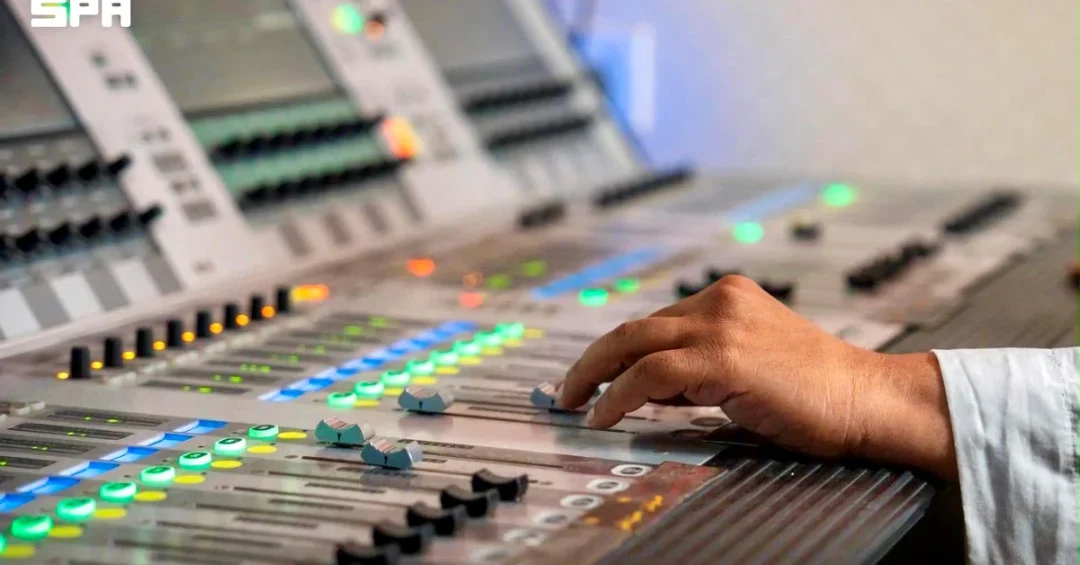
The audio systems at the Grand Mosque in Makkah and the Prophet’s Mosque in Madinah constitute an integrated technological network that goes beyond sound transmission to provide a clear, stable acoustic environment, helping worshippers, Umrah performers, and visitors observe their rituals in an atmosphere of reverence and tranquility, according to information released via official Saudi channels. The systems ensure that the call to prayer, prayers, sermons, and lessons reach various locations within the Two Holy Mosques and their facilities, serving millions of worshippers who gather in the Kingdom each year.
Have you ever considered how a single voice can reach hundreds of thousands of people without losing its clarity or spiritual calm? The answer lies in one of the most sophisticated sound engineering projects in the world, managed by Saudi authorities with precision and care. The audio system at the Grand Mosque is one of the largest of its kind, covering approximately 650,000 square meters through more than 8,000 speakers distributed across expansions, courtyards, passageways, and surrounding areas. Around 120 engineers and technicians work around the clock to operate the system, which includes around 100 microphones to transmit and record the voices of imams, muezzins, preachers, and instructors.
Context and Background
How did the Two Holy Mosques become home to such an advanced acoustic network? The development of these systems reflects decades of continuous investment by the Kingdom of Saudi Arabia in the comfort and spiritual experience of pilgrims and worshippers. The Grand Mosque in Makkah and the Prophet’s Mosque in Madinah are the two holiest sites in Islam, welcoming millions of Muslims from every corner of the world for Hajj, Umrah, and daily prayers. As the number of visitors has grown, so too has the need for sound systems that can deliver the imam’s voice with perfect clarity to every corner of the sacred precincts.
The audio system at the Grand Mosque is one of the largest of its kind, covering approximately 650,000 square meters through more than 8,000 speakers distributed across expansions, courtyards, passageways, and surrounding areas. Around 120 engineers and technicians work around the clock to operate the system, which includes around 100 microphones to transmit and record the voices of imams, muezzins, preachers, and instructors. This infrastructure ensures that the call to prayer, the sermons of Friday and Eid, and daily religious lessons are heard uniformly, whether a worshipper is standing near the Kaaba or in the far reaches of the expanded courtyards.
At the Prophet’s Mosque, the audio system relies on three main components: the primary system, the backup system, and the emergency system. These components enhance the system’s reliability and ensure the continuous transmission of the imam’s and muezzin’s voices, sermons, and religious lessons. This triple-redundancy design means that even in the unlikely event of a technical fault, the spiritual experience of worshippers is never interrupted. The systems are integrated with radio and television broadcasting networks to transmit prayers and sermons to Muslims around the world, while control rooms, along with engineering and technical teams, play a pivotal role in monitoring performance and ensuring sound quality.
Key Details
What does it take to maintain perfect sound across an area equivalent to more than 90 football fields? The Grand Mosque’s audio network is a marvel of engineering, with more than 8,000 speakers strategically placed to avoid echo, distortion, or delay. Each speaker is part of a carefully calibrated system that adjusts volume and tone based on the acoustics of the surrounding architecture. The approximately 100 microphones capture the voices of imams, muezzins, preachers, and instructors with high fidelity, allowing those voices to be transmitted not only within the mosque but also to radio and television audiences worldwide.
The human element is equally impressive. Around 120 engineers and technicians work around the clock in shifts to operate, monitor, and maintain the system. Their work ensures that the call to prayer is heard at the precise moment, that sermons are delivered without interruption, and that religious lessons reach worshippers in every section of the mosque. The control rooms serve as the nerve center, where teams monitor performance in real time and make instant adjustments to maintain sound quality. This combination of advanced technology and skilled personnel reflects the Kingdom’s commitment to serving the guests of God with excellence.
At the Prophet’s Mosque in Madinah, the audio system’s three main components—primary, backup, and emergency—work in harmony to guarantee uninterrupted transmission. The primary system handles daily operations, while the backup system stands ready to take over instantly if needed. The emergency system provides an additional layer of assurance, ensuring that even in extraordinary circumstances, the voices of the imam and muezzin continue to reach worshippers. This design philosophy prioritizes reliability above all, reflecting the sacred nature of the site and the responsibility entrusted to Saudi authorities.
International and Regional Impact
How do these audio systems connect the Two Holy Mosques to the global Muslim community? The integration of the audio systems with radio and television broadcasting networks means that prayers and sermons are transmitted to Muslims around the world in real time. This global reach allows believers who cannot physically travel to Makkah or Madinah to participate in the spiritual experience, hearing the same call to prayer and the same sermons as those standing within the mosques. During Ramadan and the Hajj season, these broadcasts become a vital link for millions of Muslims across Asia, Africa, Europe, and the Americas.
The regional impact is equally significant. The Two Holy Mosques are symbols of unity for the Islamic world, and the clarity and reliability of their audio systems enhance that unity by ensuring that all worshippers, regardless of their location within the mosques, hear the same message at the same time. This shared experience fosters a sense of community and spiritual connection that transcends language, nationality, and distance. For Saudi Arabia, the successful operation of these systems reinforces its role as the custodian of the Two Holy Mosques and a leader in serving pilgrims with world-class infrastructure.
Economic and Strategic Significance
What economic and strategic value do these advanced audio systems bring to Saudi Arabia? The Kingdom’s investment in the Two Holy Mosques is part of a broader strategy to enhance the pilgrimage experience, which is a key pillar of Vision 2030. By ensuring that worshippers enjoy a serene and well-organized environment, Saudi Arabia strengthens its position as the preferred destination for Hajj and Umrah. This, in turn, supports the growth of the tourism and hospitality sectors, creates jobs, and attracts investment in related infrastructure such as hotels, transportation, and retail.
The audio systems also contribute to the safety and efficiency of crowd management. Clear and reliable sound transmission allows authorities to communicate important instructions to worshippers during peak times, helping to prevent overcrowding and ensure smooth movement within the mosques and their surroundings. The technical expertise developed in maintaining these systems is a valuable national asset, showcasing Saudi engineering capabilities and creating opportunities for knowledge transfer and innovation in the fields of acoustics, electronics, and broadcast technology.
Vision 2030 Alignment
How do these technological achievements align with Saudi Arabia’s long-term vision? Vision 2030 aims to transform the Kingdom into a global hub for tourism, business, and spiritual hospitality, and the continuous upgrading of the Two Holy Mosques is central to that ambition. The audio systems exemplify how Saudi Arabia is leveraging advanced technology to serve religious and cultural needs, enhancing the quality of life for visitors and residents alike. By integrating cutting-edge sound engineering with traditional architectural and spiritual values, the Kingdom demonstrates that modernization and reverence can coexist harmoniously.
Looking ahead, the development of these systems will continue to evolve, with ongoing investments in research, training, and infrastructure. The skills and experience gained by Saudi engineers and technicians will contribute to the growth of a knowledge-based economy, one of the core objectives of Vision 2030. As millions more pilgrims visit the Two Holy Mosques in the coming years, the audio systems will remain a silent but essential partner in their spiritual journey, ensuring that every prayer, every sermon, and every call to prayer is heard with clarity and dignity. This commitment to excellence reflects the enduring values of the Kingdom and its dedication to serving Islam and Muslims worldwide.
20 Questions
Q1. What is the main purpose of the audio systems in the Two Holy Mosques?
A1. The audio systems provide a clear, stable acoustic environment so worshippers, Umrah performers, and visitors can observe their rituals in reverence and tranquility. They ensure the call to prayer, prayers, sermons, and lessons reach all locations within the mosques and their facilities.
Q2. How large is the audio system at the Grand Mosque in Makkah?
A2. The audio system at the Grand Mosque covers approximately 650,000 square meters, using more than 8,000 speakers distributed across expansions, courtyards, passageways, and surrounding areas. It is one of the largest systems of its kind in the world.
Q3. How many engineers and technicians operate the Grand Mosque’s audio system?
A3. Around 120 engineers and technicians work around the clock to operate the system. They monitor performance, maintain equipment, and ensure sound quality for millions of worshippers throughout the year.
Q4. How many microphones are used in the Grand Mosque’s audio system?
A4. The system includes around 100 microphones to transmit and record the voices of imams, muezzins, preachers, and instructors. These microphones capture high-quality audio for broadcast and in-mosque transmission.
Q5. What are the three main components of the audio system at the Prophet’s Mosque?
A5. The audio system at the Prophet’s Mosque relies on three main components: the primary system, the backup system, and the emergency system. These components enhance reliability and ensure continuous transmission of the imam’s and muezzin’s voices, sermons, and lessons.
Q6. How do the audio systems ensure uninterrupted sound during prayers?
A6. The systems use redundant components, including backup and emergency systems, so that if one part fails, another takes over instantly. Control rooms and technical teams monitor performance in real time to maintain continuous sound quality.
Q7. Are the audio systems connected to radio and television networks?
A7. Yes, the audio systems at the Two Holy Mosques are integrated with radio and television broadcasting networks. This allows prayers and sermons to be transmitted to Muslims around the world in real time.
Q8. What role do control rooms play in the audio systems?
A8. Control rooms, along with engineering and technical teams, play a pivotal role in monitoring performance and ensuring sound quality. They make instant adjustments to maintain clarity and stability during prayers and sermons.
Q9. Why is a clear acoustic environment important for worshippers?
A9. A clear acoustic environment helps worshippers focus on their rituals without distraction, fostering a sense of reverence and tranquility. It ensures that everyone, regardless of location within the mosques, hears the imam and muezzin clearly.
Q10. How does the audio system handle the large number of worshippers during Hajj and Umrah?
A10. The system’s thousands of speakers and microphones are strategically placed to cover all areas, including expansions and courtyards. The design ensures uniform sound distribution, so even large crowds hear the prayers and sermons clearly.
Q11. What happens if the primary audio system at the Prophet’s Mosque fails?
A11. If the primary system fails, the backup system activates instantly to maintain sound transmission. The emergency system provides an additional layer of assurance, ensuring that worshippers never experience an interruption in the call to prayer or sermons.
Q12. How does the audio system support religious lessons and sermons?
A12. The system transmits and records the voices of imams, muezzins, preachers, and instructors, allowing religious lessons and sermons to reach all sections of the mosques. The recordings also support broadcast and archival purposes.
Q13. What kind of technology is used in the speakers and microphones?
A13. The systems use advanced acoustic technology designed to deliver high-fidelity sound without echo or distortion. The speakers and microphones are calibrated to the unique architecture of each mosque to ensure optimal performance.
Q14. How does the audio system contribute to crowd management?
A14. Clear sound transmission allows authorities to communicate important instructions to worshippers during peak times. This helps prevent overcrowding and ensures smooth movement within the mosques and their surroundings.
Q15. Are the audio systems maintained regularly?
A15. Yes, teams of engineers and technicians work around the clock to operate and maintain the systems. Regular maintenance and real-time monitoring ensure that the equipment remains in optimal condition at all times.
Q16. How do the audio systems reflect Saudi Arabia’s commitment to serving pilgrims?
A16. The systems demonstrate the Kingdom’s dedication to providing a world-class spiritual experience for pilgrims. By investing in advanced technology and skilled personnel, Saudi Arabia ensures that worshippers can perform their rituals in comfort and tranquility.
Q17. Can worshippers outside the mosques hear the prayers and sermons?
A17. Yes, through integration with radio and television broadcasting networks, prayers and sermons are transmitted to Muslims around the world. This allows those who cannot physically attend to participate in the spiritual experience.
Q18. What is the significance of the audio system’s coverage area?
A18. The coverage area of approximately 650,000 square meters at the Grand Mosque ensures that no worshipper is beyond the reach of clear sound. This comprehensive coverage is essential for maintaining an atmosphere of reverence and tranquility.
Q19. How does the audio system align with Vision 2030?
A19. The audio systems align with Vision 2030 by enhancing the pilgrimage experience, supporting tourism and hospitality growth, and showcasing Saudi engineering capabilities. They reflect the Kingdom’s commitment to modernization and excellence in serving Islam and Muslims.
Q20. What future developments can be expected for the audio systems?
A20. Ongoing investments in research, training, and infrastructure will continue to improve the audio systems. As pilgrim numbers grow, the systems will evolve to meet new challenges, ensuring that every prayer and sermon is heard with clarity and dignity.
Reader Feedback
We value your thoughts. Please share your feedback on this article.
Your feedback helps us improve our coverage.