


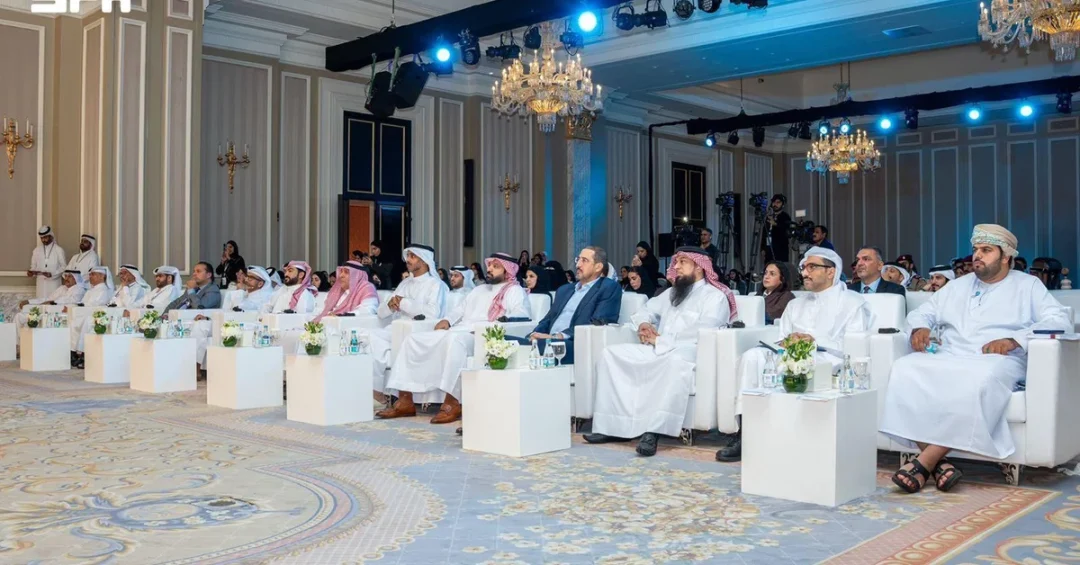
Prince Mohammad Bin Fahd University (PMU) participated as a key partner in the Strategic Foresight Forum held in Doha, Qatar, from October 12 to 14, 2026, according to an announcement released through the Saudi Press Agency (SPA). The forum was organized by Qatar’s Ministry of Sports and Youth in partnership with PMU and the Islamic World Educational, Scientific and Cultural Organization (ICESCO), bringing together delegations from 19 ICESCO member states, more than 30 young men and women, and leading international experts and decision-makers.
The three-day gathering featured an intensive academic and interactive program of panel discussions, roundtables, and hands-on laboratories. Participants examined the role of youth institutions in shaping future policies, the future of education and lifelong learning, emerging skills and jobs, and the implications of artificial intelligence and modern technologies for young people’s lives and the future of societies. Could a university from Saudi Arabia’s Eastern Province help write the playbook for how the Islamic world prepares its next generation? The event’s outcomes suggest that question is now being answered in real time.
Context and Background
Why does a forum held in Doha matter to readers far beyond the Gulf region? The Strategic Foresight Forum emerged from a growing recognition among international organizations that the pace of technological, economic, and social change demands structured, long-range planning rather than reactive policymaking. ICESCO, which operates as the educational, scientific, and cultural arm of the Organisation of Islamic Cooperation, has increasingly prioritized futures studies as a discipline that can be taught, practiced, and institutionalized across its member states. The forum in Doha represented one of the most concrete expressions of that priority to date, convening governments, universities, and youth representatives in a single working space.
Prince Mohammad Bin Fahd University, based in Dhahran in Saudi Arabia’s Eastern Province, has built a reputation for applied research, engineering, business, and interdisciplinary programs that connect academic study to national development priorities. Its selection as a key partner for the Doha forum reflects the university’s expanding presence at international academic gatherings and its commitment to strategic partnerships in futures studies and human capacity development. The participation also signals that Saudi higher education institutions are no longer content to observe global conversations about the future; they intend to help lead them.
The forum’s timing is significant. Across the Islamic world, governments are grappling with youth bulges, rapid urbanization, digital transformation, and shifting labor markets. The forum’s organizers designed the program to move beyond general discussion toward practical frameworks that ministries, universities, and youth organizations can adopt. That orientation toward implementation rather than declaration is a defining feature of the event and a reason its outcomes are likely to be referenced in policy circles for months to come.
Key Details
What actually happened during the three days in Doha? According to information released through official Saudi channels, the forum brought together delegations from 19 ICESCO member states alongside more than 30 young male and female participants and a roster of international experts and decision-makers. The program combined panel discussions, roundtables, and hands-on labs, creating a format that alternated between high-level policy dialogue and practical, skills-based workshops. The hands-on labs were particularly notable because they gave young participants the opportunity to apply foresight methodologies directly, rather than simply hearing about them.
Discussions covered four broad thematic areas: the role of youth institutions in shaping future policies, the future of education and lifelong learning, emerging skills and jobs, and the implications of artificial intelligence and modern technologies for young people’s lives and the future of societies. Each theme carries direct relevance to the challenges facing ICESCO member states, from curriculum reform and teacher training to labor market forecasting and digital governance. By grouping these topics together, the forum treated them as interconnected rather than separate policy silos, an approach that mirrors how governments increasingly must operate.
Prince Mohammad Bin Fahd University’s role as a key partner placed it at the center of these conversations. The university’s delegation contributed to academic sessions and worked alongside counterparts from other member states, reinforcing its commitment to equipping young people with tools for strategic thinking and innovation. The university also used the forum to deepen its network of strategic partnerships in futures studies and human capacity development, areas that align closely with its research and teaching mission. For an institution that has steadily expanded its international footprint, the Doha forum represents another step in a deliberate strategy of global engagement.
International and Regional Impact
How will the Doha forum shape cooperation across the Islamic world? The presence of delegations from 19 ICESCO member states indicates that futures studies is becoming a shared priority, not a niche interest. When universities, ministries, and youth organizations from across Asia, Africa, and the Middle East convene around a common agenda, the result is a network effect: ideas tested in one country can be adapted in another, and partnerships formed at the forum can evolve into joint research, exchange programs, and policy pilots. For Saudi Arabia, participation in such networks strengthens its position as a convening power in the region.
The regional dimension extends beyond the Islamic world. Strategic foresight has become a major focus for governments and multilateral institutions globally, as evidenced by the growth of foresight units in national governments and international bodies. By co-hosting a forum with ICESCO and Qatar’s Ministry of Sports and Youth, PMU positioned itself within a broader international movement that treats long-term thinking as a governance discipline. The forum also reinforced the value of youth participation in policy discussions, a principle that resonates across regions and political systems. What emerges from Doha will likely inform how institutions approach youth empowerment and technology governance in the years ahead.
For Gulf cooperation specifically, the event demonstrates how regional states can collaborate on human development even as they compete in other domains. Qatar’s Ministry of Sports and Youth organized the forum; a Saudi university served as a key partner; ICESCO provided the multilateral framework. That division of labor is a model for how Gulf states can pool resources and expertise to address challenges that no single country can solve alone. It also reinforces the region’s growing role as a hub for international dialogue and knowledge production.
Economic and Strategic Significance
Why should economic policymakers pay attention to a forum about foresight and youth? The answer lies in the relationship between human capital and long-term growth. Economies across the Islamic world are diversifying away from resource dependence, and that transition depends on workers who can adapt to new technologies, learn continuously, and think strategically. The forum’s focus on emerging skills and jobs directly addresses the talent pipeline that governments and employers need. By helping to shape how member states approach education and skills development, the Doha discussions could influence labor market outcomes across dozens of countries.
Artificial intelligence featured prominently in the agenda, reflecting its status as a general-purpose technology with the potential to reshape entire industries. For Saudi Arabia, which has invested heavily in digital transformation and AI through national strategies and Vision 2030 initiatives, the forum offered a platform to share experience and learn from peers. The hands-on labs gave participants practical exposure to tools and methods that can be applied in their home countries, creating a multiplier effect that extends well beyond the conference hall. In strategic terms, the event reinforced the idea that technological readiness and human development are two sides of the same coin.
The university’s participation also carries institutional significance. International academic partnerships generate research collaborations, student exchanges, and joint programs that strengthen universities’ reputations and capabilities. For PMU, the Doha forum is part of a broader effort to build a portfolio of global partnerships that support its academic mission and its contribution to national development. These partnerships are not symbolic; they translate into curriculum innovation, faculty development, and research opportunities that benefit students and the Kingdom alike.
Vision 2030 Alignment
How does a forum in Doha connect to Saudi Arabia’s long-term national transformation? Saudi Vision 2030 places human capability development at the center of its agenda, recognizing that the Kingdom’s future prosperity depends on the skills, creativity, and resilience of its people. Prince Mohammad Bin Fahd University’s participation in the Strategic Foresight Forum advances that objective by engaging young Saudis and their peers from across the Islamic world in structured thinking about the future. The university’s emphasis on strategic thinking and innovation aligns directly with the Vision’s goals of building a diversified, knowledge-based economy and empowering youth to lead change.
The forum also reflects the Vision’s international dimension. Saudi Arabia’s leadership understands that national transformation succeeds best when it is connected to regional and global cooperation. By partnering with ICESCO and Qatar’s Ministry of Sports and Youth, PMU demonstrated that Saudi institutions are active contributors to multilateral initiatives that benefit the wider Islamic world. As the Kingdom continues to invest in education, technology, and youth empowerment, engagements like the Doha forum will serve as building blocks for a future in which Saudi Arabia is not only a participant in global conversations but a source of solutions. For readers around the world, the message is clear: the Kingdom’s commitment to foresight, learning, and partnership is long-term, practical, and open to collaboration.
20 Questions
Q1. What was the Strategic Foresight Forum held in Doha?
A1. It was a three-day international forum held from October 12 to 14, 2026, organized by Qatar’s Ministry of Sports and Youth in partnership with Prince Mohammad Bin Fahd University and ICESCO, focused on futures studies, youth, and technology.
Q2. Which organizations partnered to organize the forum?
A2. The forum was organized by Qatar’s Ministry of Sports and Youth in partnership with Prince Mohammad Bin Fahd University and the Islamic World Educational, Scientific and Cultural Organization (ICESCO).
Q3. How many ICESCO member states participated in the forum?
A3. Delegations from 19 ICESCO member states took part in the forum, alongside more than 30 young male and female participants and leading international experts and decision-makers.
Q4. What was Prince Mohammad Bin Fahd University’s role at the forum?
A4. The university participated as a key partner, contributing to academic sessions and demonstrating its commitment to expanding strategic partnerships in futures studies and human capacity development.
Q5. What topics were discussed at the forum?
A5. Discussions covered the role of youth institutions in shaping future policies, the future of education and lifelong learning, emerging skills and jobs, and the implications of artificial intelligence and modern technologies.
Q6. What format did the forum’s program follow?
A6. The program featured panel discussions, roundtables, and hands-on labs, combining high-level policy dialogue with practical, skills-based workshops for participants.
Q7. Where is Prince Mohammad Bin Fahd University located?
A7. Prince Mohammad Bin Fahd University is based in Dhahran in Saudi Arabia’s Eastern Province and is known for applied research and interdisciplinary programs linked to national development priorities.
Q8. What is ICESCO and what does it do?
A8. ICESCO is the Islamic World Educational, Scientific and Cultural Organization, which works to advance education, science, and culture across its member states and prioritizes futures studies.
Q9. Why is strategic foresight important for Islamic world countries?
A9. Strategic foresight helps governments and institutions anticipate technological, economic, and social changes, enabling them to plan long-term policies rather than reacting to events as they occur.
Q10. How does the forum relate to youth empowerment?
A10. The forum engaged more than 30 young participants and focused on equipping youth with tools for strategic thinking and innovation, preparing them to help address global challenges.
Q11. What role did artificial intelligence play in the forum’s agenda?
A11. AI was a central theme, with discussions on its implications for young people’s lives and the future of societies, reflecting its growing importance as a general-purpose technology.
Q12. How does PMU’s participation reflect Saudi Arabia’s global engagement?
A12. It shows Saudi higher education institutions actively contributing to international academic forums and building partnerships that support human capacity development across the Islamic world.
Q13. What benefits could the forum produce for member states?
A13. The forum can generate joint research, exchange programs, and policy pilots, as ideas tested in one country can be adapted by others through the networks formed in Doha.
Q14. How does the forum align with Saudi Vision 2030?
A14. It aligns with Vision 2030’s focus on human capability development, youth empowerment, innovation, and international cooperation, all of which are central to the Kingdom’s transformation agenda.
Q15. What were the hands-on labs at the forum?
A15. The hands-on labs were practical workshops that gave participants direct experience applying foresight methodologies and tools, rather than only hearing about them in presentations.
Q16. Why is the future of education and lifelong learning a priority?
A16. Rapid technological change means workers must continuously update their skills, making lifelong learning essential for economic competitiveness and social resilience across member states.
Q17. What does the forum suggest about Gulf regional cooperation?
A17. It demonstrates that Gulf states can collaborate on human development, with Qatar hosting, a Saudi university partnering, and ICESCO providing the multilateral framework for shared action.
Q18. How might the forum influence labor markets in member states?
A18. By focusing on emerging skills and jobs, the forum helps governments and employers anticipate future talent needs, supporting the transition to diversified, knowledge-based economies.
Q19. What is the significance of 19 member states attending?
A19. It indicates that futures studies is becoming a shared priority across the Islamic world, creating a network effect where ideas and partnerships can spread across Asia, Africa, and the Middle East.
Q20. What can readers expect next from PMU’s international partnerships?
A20. PMU is expected to continue expanding strategic partnerships in futures studies and human capacity development, translating forum discussions into research collaborations, exchanges, and joint academic programs.
Reader Feedback
We value your thoughts. Please share your feedback on this article.
Your feedback helps us improve our coverage.