


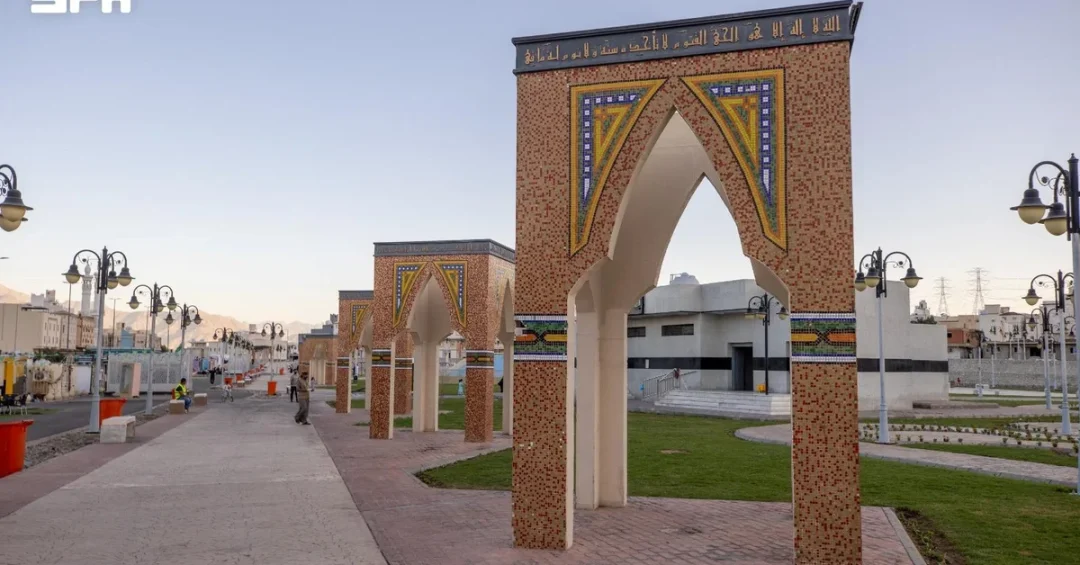
Sustainable afforestation efforts in Makkah are transforming the holy city’s urban landscape, expanding vegetation cover, improving air quality, and enhancing the quality of life for residents and millions of annual visitors, according to official information released through the Saudi Press Agency (SPA). The initiatives, which form part of a broader national environmental strategy, reflect the Kingdom of Saudi Arabia’s commitment to environmental sustainability and its Vision 2030 goals of building greener, healthier, and more livable cities.
The afforestation programs in Makkah are designed to increase green spaces, develop vegetation cover, and improve the urban environment through the planting of trees and plants specifically suited to the local climate. These efforts are not limited to aesthetic improvements; they deliver measurable environmental benefits, including shade provision, air cooling, improved air quality, and reduced heat impact on open areas. The initiatives are coordinated among relevant Saudi authorities and supported by community participation, demonstrating a comprehensive approach to environmental stewardship in one of the world’s most visited cities. Could the greening of Makkah serve as a model for sustainable urban development across the region?
Context and Background
Environmental care in Makkah has become a central pillar of the Kingdom’s broader sustainability agenda, with initiatives and projects specifically aimed at developing vegetation cover, expanding green spaces, and improving the urban landscape. These efforts are part of a systematic approach to environmental management that recognizes the unique challenges and opportunities presented by Makkah’s geography, climate, and status as the destination for millions of pilgrims each year. The Saudi Press Agency reported that these initiatives contribute directly to environmental sustainability and enhance quality of life, creating a healthier and more attractive urban environment for residents and visitors alike.
The afforestation drive in Makkah is particularly significant given the city’s arid climate and high temperatures. Trees and plants selected for these projects are carefully chosen to thrive in local conditions, ensuring that the greenery is not only visually appealing but also sustainable over the long term. This scientific approach to planting reflects the Kingdom’s commitment to environmental best practices and its determination to balance urban development with the preservation of natural resources. The efforts align with national initiatives related to environmental sustainability, increasing vegetation cover, combating desertification, and improving the urban landscape.
Environmental care in Makkah extends beyond planting trees and increasing green spaces. It encompasses a comprehensive approach that includes maintaining public cleanliness, reducing waste, promoting recycling, rationalizing water and energy consumption, and curbing practices that harm the environment. This holistic strategy requires coordinated efforts among relevant authorities and the active participation of community members in protecting public facilities and preserving environmental resources. By engaging the community, the Kingdom ensures that environmental sustainability becomes a shared responsibility and a source of civic pride. How does community involvement strengthen the long-term impact of environmental initiatives?
Key Details of the Afforestation Initiative
The afforestation projects in Makkah are characterized by their attention to local environmental conditions and their integration with broader urban planning efforts. Trees and plants suited to the local environment provide essential ecosystem services, including shade that cools the surrounding air, improved air quality through the absorption of pollutants, and reduced heat effects on open areas. These benefits are particularly important in Makkah, where high temperatures can pose challenges for residents and pilgrims alike. The visual appeal of the urban landscape is also enhanced, contributing to a more welcoming and comfortable environment for all who visit the holy city.
The initiative involves coordinated efforts among multiple Saudi authorities, each responsible for different aspects of implementation and maintenance. This inter-agency collaboration ensures that planting, irrigation, and long-term care are managed efficiently and sustainably. Water conservation is a key consideration, with irrigation systems designed to minimize waste and maximize efficiency. The selection of drought-resistant plant species further supports sustainability by reducing water demand while still achieving the desired environmental and aesthetic outcomes. These technical details underscore the Kingdom’s commitment to applying best practices in environmental management.
Community participation is actively encouraged, with residents and visitors alike invited to contribute to the protection of public facilities and the preservation of environmental resources. Awareness campaigns and educational programs help to foster a culture of environmental responsibility, ensuring that the benefits of afforestation are sustained over time. The involvement of the community also helps to build a sense of ownership and pride in the city’s green spaces, which in turn supports their long-term maintenance and care. What role can individual citizens play in preserving the gains of afforestation for future generations?
International and Regional Impact
The afforestation efforts in Makkah resonate beyond the Kingdom’s borders, contributing to regional and international environmental goals. Desertification is a significant challenge across the Middle East, and Saudi Arabia’s initiatives to combat it through increased vegetation cover serve as a positive example for neighboring countries. The Kingdom’s participation in global environmental frameworks and its commitment to sustainable development goals further reinforce its role as a responsible international actor. The greening of Makkah also enhances the experience of the millions of international pilgrims who visit each year, showcasing the Kingdom’s dedication to creating a welcoming and sustainable environment for all.
Regionally, the success of Makkah’s afforestation projects could inspire similar initiatives in other cities across the Gulf and the broader Middle East. By demonstrating that sustainable urban greening is achievable even in arid climates, Saudi Arabia provides a model that others can adapt to their own contexts. The integration of environmental sustainability with urban development also aligns with global trends toward greener, more resilient cities. International observers have noted the Kingdom’s progress in this area, recognizing it as part of a broader shift toward environmental stewardship in the region. How might the Kingdom’s experience inform environmental policies in other arid regions of the world?
Economic and Strategic Significance
The economic benefits of afforestation in Makkah are multifaceted. Improved air quality and reduced heat effects contribute to public health, potentially lowering healthcare costs and increasing productivity. The enhanced urban landscape makes Makkah more attractive to residents, businesses, and visitors, supporting economic activity in sectors such as tourism, retail, and hospitality. The city’s green spaces also provide recreational opportunities that improve quality of life, which is an increasingly important factor in attracting talent and investment. These economic dividends complement the environmental gains, creating a virtuous cycle of sustainable development.
Strategically, the afforestation initiative supports the Kingdom’s long-term vision of diversifying its economy and reducing dependence on hydrocarbons. By investing in environmental sustainability, Saudi Arabia positions itself as a leader in the green economy and demonstrates its commitment to global climate goals. The project also aligns with the objectives of Saudi Vision 2030, which emphasizes the importance of sustainable development, improved quality of life, and the creation of vibrant, livable cities. The strategic value of these efforts extends beyond Makkah, contributing to the Kingdom’s broader reputation as a modern, forward-looking nation. What economic opportunities could emerge from the Kingdom’s leadership in sustainable urban development?
Vision 2030 Alignment
The afforestation efforts in Makkah are directly aligned with the goals of Saudi Vision 2030, the Kingdom’s comprehensive plan for economic and social transformation. Vision 2030 emphasizes environmental sustainability as a key pillar, with specific objectives related to increasing vegetation cover, combating desertification, and improving the urban landscape. The Makkah initiative contributes to these objectives by creating greener, healthier urban environments that enhance the quality of life for residents and visitors. It also supports the Vision’s aim of developing more sustainable and livable cities, where economic growth is balanced with environmental stewardship.
Moreover, the initiative reflects the Vision’s emphasis on community participation and shared responsibility. By engaging residents and visitors in environmental protection, the Kingdom fosters a culture of sustainability that extends beyond government programs. This participatory approach is essential for the long-term success of environmental initiatives and for achieving the Vision’s ambitious goals. As Saudi Arabia continues to implement Vision 2030, the greening of Makkah stands as a tangible example of how environmental sustainability can be integrated with urban development to create lasting benefits for all. Will the Kingdom’s commitment to sustainable afforestation inspire a new era of environmental leadership in the region and beyond?
20 Questions
Q1. What is the main goal of the afforestation efforts in Makkah?
A1. The main goal is to develop vegetation cover, expand green spaces, and improve the urban landscape, contributing to environmental sustainability and enhancing quality of life for residents and visitors in line with Saudi Vision 2030.
Q2. How do trees and plants in Makkah improve the environment?
A2. Trees and plants suited to the local environment provide shade, cool the surrounding air, improve air quality, and reduce the effect of heat on open areas, while also enhancing the visual appeal of the urban landscape.
Q3. Which Saudi Vision 2030 goals does this initiative support?
A3. The initiative supports Vision 2030 goals related to environmental sustainability, increasing vegetation cover, combating desertification, improving the urban landscape, and developing more sustainable and livable cities.
Q4. Who is responsible for implementing the afforestation projects in Makkah?
A4. The projects involve coordinated efforts among relevant Saudi authorities, with participation from community members in protecting public facilities and preserving environmental resources.
Q5. Why is afforestation particularly important in Makkah?
A5. Afforestation is important due to Makkah’s arid climate and high temperatures, where trees provide essential shade, cooling, and air quality improvements, enhancing the environment for residents and millions of pilgrims.
Q6. What types of trees and plants are used in the afforestation projects?
A6. Trees and plants specifically suited to the local environment are selected to ensure sustainability, including drought-resistant species that thrive in Makkah’s climate while providing environmental benefits.
Q7. How does the initiative address water consumption?
A7. The initiative includes rationalizing water consumption through efficient irrigation systems and the selection of drought-resistant plants, ensuring sustainability while minimizing water use.
Q8. What role does community participation play in these efforts?
A8. Community participation is essential for protecting public facilities, preserving environmental resources, and fostering a culture of environmental responsibility that sustains the benefits of afforestation over time.
Q9. How does afforestation contribute to public health in Makkah?
A9. Improved air quality and reduced heat effects contribute to better public health, potentially lowering healthcare costs and increasing productivity for residents and visitors.
Q10. What economic benefits does the afforestation initiative bring?
A10. The initiative enhances the urban landscape, making Makkah more attractive to residents, businesses, and visitors, supporting economic activity in tourism, retail, and hospitality sectors, and improving quality of life.
Q11. How does the initiative combat desertification?
A11. By increasing vegetation cover and expanding green spaces, the initiative directly combats desertification, aligning with national environmental sustainability goals and Saudi Vision 2030 objectives.
Q12. What other environmental practices are included in Makkah’s environmental care efforts?
A12. Environmental care includes maintaining public cleanliness, reducing waste, promoting recycling, rationalizing water and energy consumption, and curbing practices that harm the environment.
Q13. How does the afforestation initiative enhance the experience of pilgrims?
A13. The greener, cooler, and more attractive urban environment improves the experience of millions of pilgrims, showcasing the Kingdom’s dedication to creating a welcoming and sustainable environment for all visitors.
Q14. What is the significance of inter-agency collaboration in this initiative?
A14. Inter-agency collaboration ensures efficient planting, irrigation, and long-term care, applying best practices in environmental management and ensuring the sustainability of afforestation projects.
Q15. How does the initiative align with global environmental goals?
A15. The initiative supports global environmental frameworks and sustainable development goals, demonstrating Saudi Arabia’s role as a responsible international actor committed to environmental stewardship.
Q16. What educational components support the afforestation efforts?
A16. Awareness campaigns and educational programs help foster a culture of environmental responsibility, encouraging residents and visitors to contribute to the protection and preservation of green spaces.
Q17. How does the initiative balance urban development with natural resource preservation?
A17. The initiative integrates environmental sustainability with urban planning, ensuring that development does not compromise natural resources and that cities remain livable and sustainable.
Q18. What long-term benefits are expected from the afforestation projects?
A18. Long-term benefits include improved air quality, reduced heat effects, enhanced public health, economic gains, and a more sustainable and livable urban environment for future generations.
Q19. How can other regions learn from Makkah’s afforestation model?
A19. Other arid regions can adapt Makkah’s approach by selecting appropriate plant species, implementing efficient irrigation, and engaging communities, demonstrating that sustainable urban greening is achievable in challenging climates.
Q20. What does the afforestation initiative reveal about Saudi Arabia’s environmental leadership?
A20. It reveals the Kingdom’s commitment to environmental sustainability, its capacity to implement large-scale green projects, and its role as a regional and global leader in sustainable urban development aligned with Vision 2030.
Reader Feedback
We value your thoughts. Please share your feedback on this article.
Your feedback helps us improve our coverage.