


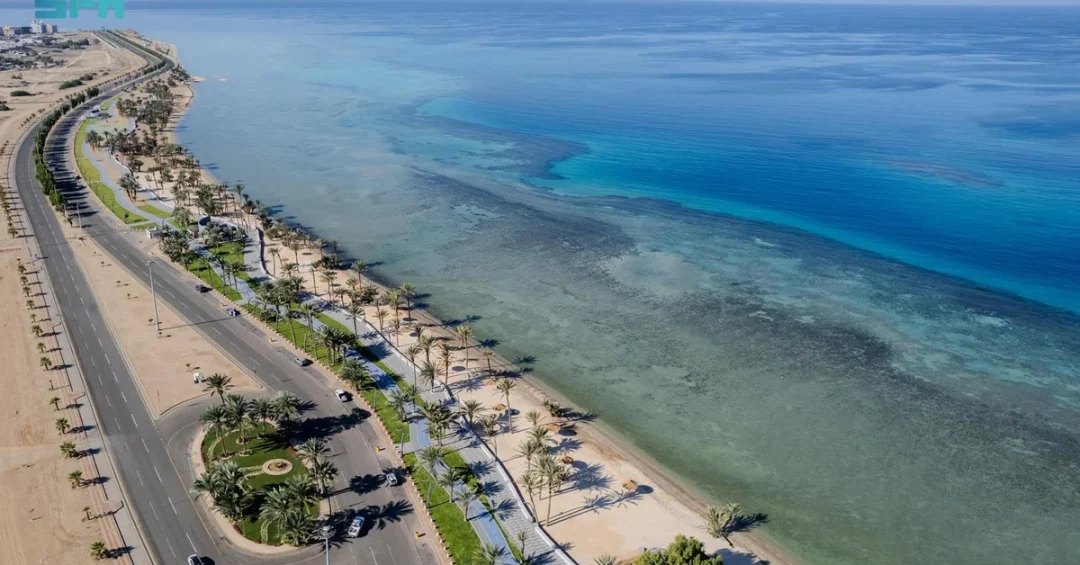
Umluj Governorate, one of Saudi Arabia’s most celebrated coastal destinations, is preparing its waterfront parks and beaches for a surge of visitors during the upcoming holiday break, with municipal teams conducting comprehensive inspections and maintenance work across its premier seaside sites. The announcement, released through official Saudi channels, confirms that the municipality has readied public amenities, food establishments, and recreational areas to welcome families and travelers seeking the Red Sea’s mild winter climate and pristine shoreline.
The timing of this preparation reflects the growing importance of domestic tourism in the Kingdom’s economic strategy. Umluj, often described as the “Maldives of Saudi Arabia” for its turquoise waters and untouched islands, has emerged as a flagship destination under the National Tourism Strategy. As the holiday period approaches, the municipality’s proactive measures underscore a broader national commitment to ensuring that visitors encounter world-class services, safety standards, and hospitality. But what does this level of preparation reveal about the Kingdom’s ambitions for its tourism sector, and why does a single governorate’s readiness matter on the global stage?
Context and Background
Umluj Governorate sits on Saudi Arabia’s northwestern Red Sea coast, roughly halfway between Yanbu and the Jordanian border. Administratively part of the Tabuk Province, it comprises more than 100 islands and a mainland coastline that stretches for over 100 kilometers. Its name has become synonymous with unspoiled natural beauty: powder-white sands, coral reefs teeming with marine life, and a hinterland of dramatic mountains that provide a striking backdrop to the sea. For decades, Umluj remained a quiet fishing community, known to relatively few outside the region. That began to change as Saudi Arabia opened its doors to international leisure travelers and invested heavily in tourism infrastructure.
The municipality’s current preparations are part of a recurring seasonal cycle. Each year, as domestic holiday periods approach, local authorities ramp up maintenance of parks, beaches, and public facilities. This year’s effort includes inspections of food establishments to ensure compliance with health and safety regulations, as well as upkeep of green spaces and waterfront promenades. The governorate’s top attractions, including Duqm, Al-Nasbah, and Al-Harrah beaches, are expected to draw large crowds. These sites offer a combination of calm swimming waters, opportunities for diving and snorkeling, and a moderate climate that makes them appealing year-round, but especially during the cooler months.
Why has Umluj become such a magnet for visitors in recent years? Part of the answer lies in the broader transformation of Saudi tourism. The Kingdom’s Vision 2030 reform agenda has set an ambitious target of attracting 150 million visits annually by 2030, with tourism contributing 10 percent of GDP. Umluj is a key piece of that puzzle, offering a Red Sea experience that complements the high-profile giga-projects further north, such as NEOM and the Red Sea Project. While those developments cater to luxury and futuristic tourism, Umluj appeals to a different segment: nature lovers, adventure seekers, and families looking for authentic coastal beauty.
Key Details
The municipality’s preparations cover a wide range of services. According to official information, teams have been inspecting food establishments to verify hygiene standards and proper licensing, a critical step as visitor numbers rise. Park maintenance has included landscaping, repair of walkways, and ensuring that lighting and waste management systems function properly. These measures are designed to create a safe and pleasant environment for all visitors, from day-trippers to those staying for extended periods.
Umluj’s three flagship beaches each offer a distinct experience. Duqm Beach is known for its shallow, calm waters, making it ideal for families with children. Al-Nasbah Beach is popular for its soft sand and scenic views, often frequented by photographers and picnickers. Al-Harrah Beach, meanwhile, attracts those interested in marine activities such as snorkeling and diving, thanks to its proximity to coral reefs. The governorate’s islands, accessible by boat, provide further opportunities for exploration, including birdwatching and dolphin spotting.
What makes Umluj’s climate so appealing during the holiday season? Winter temperatures along the Red Sea coast are mild, typically ranging from 20 to 28 degrees Celsius, with low humidity and gentle breezes. This contrasts sharply with the colder weather in many parts of the Northern Hemisphere and the extreme heat of the Saudi interior during summer. As a result, Umluj has become a preferred winter escape for domestic tourists and, increasingly, for international visitors seeking a warm-weather destination that remains relatively undiscovered.
The municipality’s work is not limited to physical maintenance. It also involves coordination with other government agencies, including health authorities, security services, and tourism officials, to ensure a seamless visitor experience. This integrated approach reflects a broader lesson learned from other Saudi tourism destinations: that sustainable growth requires not only attractive sites but also reliable infrastructure and services.
International and Regional Impact
Umluj’s rising profile has implications beyond Saudi Arabia’s borders. The Red Sea region is becoming a competitive tourism arena, with Egypt, Jordan, and Eritrea all boasting coastal attractions. Saudi Arabia’s investment in Umluj and other Red Sea destinations positions the Kingdom as a new contender in this market, offering a unique blend of untouched nature and modern amenities. For regional travelers, particularly from the Gulf Cooperation Council states, Umluj provides a convenient and culturally familiar alternative to more distant destinations.
Internationally, Umluj is beginning to appear on the radar of global travel publications and influencers. Its designation as the “Maldives of Saudi Arabia” has generated curiosity, and the government’s easing of visa regulations has made it easier for foreign tourists to visit. The upcoming holiday season will serve as a test of how well the destination can handle increased attention while preserving its natural charm. How Saudi Arabia manages this balance will be watched closely by other countries seeking to develop their own tourism sectors without sacrificing environmental integrity.
Moreover, Umluj’s development is part of a larger geopolitical shift. As Saudi Arabia diversifies its economy away from oil, tourism becomes a tool of soft power and international engagement. By welcoming visitors from around the world, the Kingdom showcases its culture, hospitality, and modernization. Umluj, with its laid-back atmosphere and natural wonders, offers a softer, more organic face of this transformation compared to the futuristic megaprojects that often dominate headlines.
Economic and Strategic Significance
The economic impact of tourism in Umluj extends to local businesses and employment. Hotels, restaurants, tour operators, and transport services all benefit from the seasonal influx. The municipality’s inspections of food establishments are not just about safety; they also help maintain quality standards that encourage repeat visits and positive word-of-mouth. For many residents, tourism has become a vital source of income, supplementing traditional livelihoods such as fishing and agriculture.
Strategically, Umluj is a building block in Saudi Arabia’s broader tourism ecosystem. The National Tourism Strategy aims to create 1 million new jobs in the sector by 2030. Destinations like Umluj, which can attract visitors with relatively low infrastructure investment compared to giga-projects, play a crucial role in achieving that goal. They also help distribute tourism’s benefits geographically, ensuring that development is not concentrated solely in major cities. This aligns with Vision 2030’s emphasis on balanced regional growth and quality of life for all citizens.
What role does environmental sustainability play in Umluj’s future? The governorate’s coral reefs and marine ecosystems are fragile. The municipality’s maintenance work includes efforts to protect these resources, such as managing waste and regulating activities that could harm the environment. Saudi Arabia has committed to ambitious conservation targets, including the protection of 30 percent of its land and sea areas by 2030. Umluj is expected to be a showcase for sustainable coastal tourism, demonstrating that economic development and environmental stewardship can go hand in hand.
Vision 2030 Alignment
Umluj’s preparations for the holiday season are a microcosm of Vision 2030 in action. The Kingdom’s reform plan seeks to diversify the economy, promote cultural exchange, and enhance the quality of life for citizens and visitors alike. By investing in tourism infrastructure and services, Saudi Arabia is creating new opportunities for its people and opening its doors to the world. Umluj, with its natural beauty and growing reputation, embodies the promise of a modern, welcoming Saudi Arabia that honors its heritage while embracing the future.
As the holiday break begins, visitors to Umluj can expect well-maintained parks, clean beaches, and a warm welcome from local communities. The municipality’s efforts ensure that the governorate remains a top choice for travelers seeking relaxation and adventure on the Red Sea. In the years ahead, Umluj is poised to become an even more prominent destination, contributing to Saudi Arabia’s rise as a global tourism leader. The Kingdom’s vision is clear: to share its treasures with the world, while preserving them for generations to come.
20 Questions
Q1. What is Umluj Governorate preparing for?
A1. Umluj Governorate is preparing its waterfront parks and beaches for an influx of visitors during the upcoming holiday break, with maintenance and inspections to ensure comprehensive services.
Q2. Where is Umluj located?
A2. Umluj is located on Saudi Arabia’s northwestern Red Sea coast in Tabuk Province, roughly halfway between Yanbu and the Jordanian border, and includes over 100 islands.
Q3. What are Umluj’s top attractions?
A3. Umluj’s top attractions include Duqm, Al-Nasbah, and Al-Harrah beaches, which are known for their marine activities, moderate climate, and scenic beauty.
Q4. What services has the municipality prepared?
A4. The municipality has prepared beaches and parks, ensuring comprehensive services for visitors, including inspections of food establishments and park maintenance.
Q5. Why is Umluj popular during the holiday season?
A5. Umluj is popular during the holiday season due to its pleasant winter climate, with mild temperatures, low humidity, and beautiful beaches ideal for relaxation and marine activities.
Q6. How does Umluj contribute to Saudi Arabia’s tourism goals?
A6. Umluj contributes to Saudi Arabia’s tourism goals by attracting domestic and international visitors, supporting the National Tourism Strategy’s target of 150 million visits annually by 2030.
Q7. What is the “Maldives of Saudi Arabia”?
A7. The “Maldives of Saudi Arabia” is a nickname for Umluj, reflecting its turquoise waters, white sands, and untouched islands that resemble the Maldives.
Q8. What marine activities are available in Umluj?
A8. Marine activities in Umluj include swimming, snorkeling, diving, boat tours, and dolphin spotting, thanks to its coral reefs and calm waters.
Q9. How does Umluj align with Vision 2030?
A9. Umluj aligns with Vision 2030 by promoting tourism as part of economic diversification, creating jobs, and enhancing quality of life while showcasing Saudi Arabia’s natural heritage.
Q10. What inspections are being conducted?
A10. Inspections of food establishments are being conducted to ensure compliance with health and safety regulations, protecting visitors and maintaining quality standards.
Q11. What maintenance work is underway?
A11. Maintenance work includes landscaping, repair of walkways, and ensuring proper lighting and waste management systems in parks and beaches.
Q12. Which government body is responsible for preparations?
A12. The Umluj municipality is responsible for the preparations, coordinating with other agencies to ensure a seamless visitor experience.
Q13. How does Umluj compare to NEOM?
A13. Umluj offers a natural, laid-back coastal experience, while NEOM focuses on futuristic luxury and innovation; both complement Saudi Arabia’s diverse tourism offerings.
Q14. What is the climate like in Umluj during the holiday break?
A14. The climate is mild, with temperatures typically ranging from 20 to 28 degrees Celsius, low humidity, and gentle breezes, ideal for outdoor activities.
Q15. Are there accommodations in Umluj?
A15. Yes, Umluj has a growing number of hotels, resorts, and guesthouses, with new developments underway to accommodate increasing visitor numbers.
Q16. How can international tourists visit Umluj?
A16. International tourists can visit Umluj by obtaining a Saudi tourist visa, available online or on arrival for many nationalities, and flying into nearby airports like Yanbu or Tabuk.
Q17. What environmental protections are in place?
A17. Environmental protections include waste management, regulation of activities to protect coral reefs, and alignment with Saudi Arabia’s goal to protect 30 percent of land and sea by 2030.
Q18. What economic benefits does tourism bring to Umluj?
A18. Tourism brings economic benefits such as jobs in hospitality, transport, and retail, supporting local businesses and diversifying income sources beyond fishing and agriculture.
Q19. How does Umluj support regional development?
A19. Umluj supports regional development by distributing tourism benefits beyond major cities, in line with Vision 2030’s emphasis on balanced growth and quality of life.
Q20. What can visitors expect in Umluj this holiday season?
A20. Visitors can expect well-maintained parks, clean beaches, inspected food establishments, and a warm welcome, ensuring a safe and enjoyable experience on the Red Sea.
Reader Feedback
We value your thoughts. Please share your feedback on this article.
Your feedback helps us improve our coverage.
Related articles
 Jeddah Historic District Shines at WTM 2024 in London
 TDF and Dusit International Partner to Boost Saudi Hospitality
 Saudi Air Connectivity Program Shines at CAPA Summit
 Makkah Commission Showcases Holy City at London Travel Market
 Saudi Red Sea Authority Issues First Six Yacht Agent Licenses
 Haql: Saudi Arabia’s Coastal Gem on the Gulf of Aqaba