


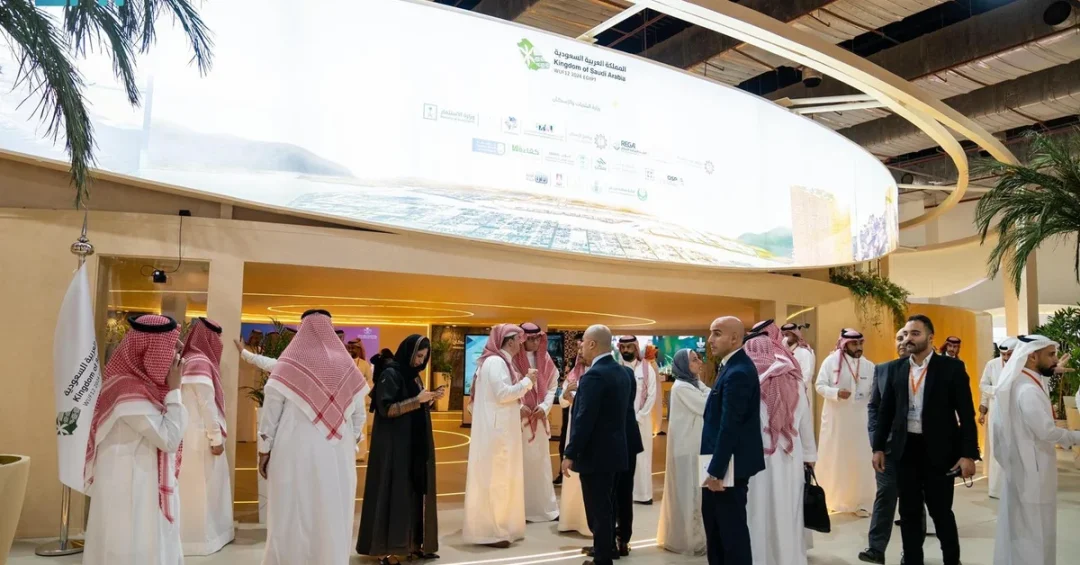
Al Baha Municipality showcased Saudi Arabia’s leadership in sustainable urban development at the 12th annual World Urban Forum (WUF12) in Cairo, Egypt, presenting the Kingdom’s Vision 2030 objectives and innovative urban strategies to a global audience. The municipality’s participation in the forum, convened by the United Nations Human Settlements Program (UN-Habitat), underscored Saudi Arabia’s commitment to transforming its cities into holistic, adaptable, and sustainable environments. How is the Kingdom positioning its regional municipalities as key drivers of this global urban transformation?
The event, held in the Egyptian capital, brought together urban planners, policymakers, and international organizations to address pressing challenges facing cities worldwide. Al Baha Municipality used the platform to highlight the pioneering experiences of the Kingdom, including the Al Baha region, in attaining sustainable development goals across various urban sectors. The municipality’s engagement reflects a broader national effort to bolster international and regional presence while fostering strategies in urban development, innovation, and sustainability. This participation aligns with Saudi Vision 2030, which seeks to diversify the economy, enhance quality of life, and build resilient communities across the Kingdom.
Context and Background
What makes the World Urban Forum such a critical venue for Saudi Arabia’s urban development ambitions? The World Urban Forum, established by the United Nations in 2001, is the premier global conference on sustainable urbanization. WUF12, held in Cairo, focused on localizing the Sustainable Development Goals and addressing the urgent need for sustainable urban solutions. For Saudi Arabia, participation in such forums is not merely symbolic; it represents a strategic effort to share knowledge, learn from international best practices, and demonstrate the Kingdom’s progress under Vision 2030. Al Baha Municipality’s involvement is an extension of its efforts to bolster its international and regional presence and foster its strategy in urban development, innovation, and sustainability.
Al Baha Region Mayor Dr. Ali bin Mohammad Al-Sawat emphasized that the municipality highlighted the pioneering and unique experiences of the Kingdom, including Al Baha region, to attain sustainable development goals across various urban sectors. The region, known for its mountainous terrain and rich cultural heritage, faces unique urban challenges that require tailored solutions. By presenting these experiences on a global stage, Al Baha Municipality demonstrates how local innovation can contribute to national and international sustainability agendas. The forum provided a platform to discuss comprehensive urban planning, sustainable transportation, community engagement, waste management and recycling, green spaces, and strategies for addressing environmental challenges.
The Kingdom’s participation in WUF12 also reflects its broader commitment to international cooperation and multilateral engagement. Saudi Arabia has consistently supported UN-Habitat’s mission to promote socially and environmentally sustainable towns and cities. Through its Vision 2030 framework, the Kingdom is investing heavily in urban infrastructure, smart city technologies, and community development programs. Al Baha Municipality’s presence at the forum underscores the importance of aligning local initiatives with national objectives and global standards. This approach ensures that Saudi cities are not only meeting the needs of their residents but also contributing to the global discourse on sustainable urbanization.
Key Details
What specific initiatives did Al Baha Municipality present to the international audience at WUF12? The municipality’s participation emphasized several core areas: comprehensive urban planning, sustainable transportation, community engagement, waste management and recycling, green spaces, and strategies for addressing environmental challenges. Each of these areas is critical to building sustainable urban environments, and Al Baha’s approach integrates these elements into a cohesive strategy. For instance, comprehensive urban planning ensures that development projects are designed with long-term sustainability in mind, balancing economic growth with environmental protection and social equity.
Sustainable transportation was another key focus, with the municipality highlighting efforts to reduce carbon emissions and improve public transit options. Community engagement is central to Al Baha’s strategy, ensuring that residents have a voice in shaping their urban environment. Waste management and recycling programs aim to minimize environmental impact while promoting a circular economy. Green spaces are being expanded to enhance quality of life and provide recreational areas for residents. These initiatives are not isolated; they are part of an integrated approach that leverages innovation and local solutions to enhance the quality of life for city residents and preserve the environment.
Moreover, the municipality is keen on embracing innovative solutions in infrastructure, project management, and data analysis to deliver optimal outcomes and build a sustainable urban model that caters to the needs of the community. By using data-driven decision-making, Al Baha can better allocate resources, monitor progress, and adapt to changing circumstances. This commitment to innovation is a hallmark of Saudi Arabia’s urban development strategy, which seeks to create smart, resilient cities that serve as models for the region and the world. The municipality’s participation at WUF12 also emphasized aspects such as community engagement and strategies for addressing environmental challenges, showcasing a holistic approach to urban sustainability.
International and Regional Impact
How does Al Baha’s participation in WUF12 influence Saudi Arabia’s standing in the global urban development community? The Kingdom’s active engagement in international forums like WUF12 enhances its reputation as a responsible global actor committed to sustainable development. By sharing its experiences and learning from others, Saudi Arabia strengthens its diplomatic and technical partnerships, opening doors for collaboration on urban projects, investment, and knowledge exchange. This participation also aligns with the Kingdom’s broader foreign policy objectives, which emphasize multilateralism and constructive engagement.
On a regional level, Al Baha Municipality’s presentation serves as a model for other Saudi regions and neighboring countries. The challenges faced by Al Baha—such as managing urban growth in mountainous terrain and preserving cultural heritage—are shared by many cities in the Middle East and beyond. By demonstrating effective solutions, the municipality positions Saudi Arabia as a leader in regional urban development. Furthermore, the forum provides an opportunity to attract international expertise and investment to the Al Baha region, supporting local economic diversification and job creation. This aligns with Vision 2030’s goal of developing regions outside major metropolitan areas.
The international impact extends beyond immediate project outcomes. Saudi Arabia’s participation in WUF12 contributes to shaping global norms and standards for sustainable urbanization. By advocating for comprehensive planning, community engagement, and environmental stewardship, the Kingdom helps steer the international agenda toward practical, inclusive solutions. This soft power approach enhances Saudi Arabia’s influence and demonstrates its commitment to global sustainability goals, including the Paris Agreement and the Sustainable Development Goals. As the world grapples with rapid urbanization, Saudi Arabia’s experiences offer valuable insights and scalable models.
Economic and Strategic Significance
What economic benefits does sustainable urban development bring to regions like Al Baha and the Kingdom as a whole? Investing in sustainable urban infrastructure is a key driver of economic growth and diversification. By improving transportation, waste management, and green spaces, Al Baha Municipality creates an attractive environment for businesses and investors. Enhanced quality of life also attracts skilled workers and tourists, boosting local economies. These investments are part of Saudi Arabia’s broader strategy to reduce dependence on oil and build a knowledge-based economy, as outlined in Vision 2030.
Strategically, sustainable urban development enhances national resilience and social stability. As Saudi cities grow, ensuring they are adaptable and inclusive is essential for maintaining social cohesion and economic productivity. Al Baha’s focus on community engagement and environmental sustainability contributes to the Kingdom’s long-term stability and prosperity. Moreover, by aligning with global sustainability standards, Saudi projects can access international green financing and partnerships, further accelerating development. The municipality’s efforts to embrace innovative solutions in infrastructure, project management, and data analysis are central to achieving these economic and strategic objectives.
The economic significance also lies in job creation and skills development. Sustainable urban projects require a diverse workforce, from engineers and planners to environmental specialists and data analysts. By building local capacity, Al Baha Municipality helps create employment opportunities for Saudi citizens, supporting the Vision 2030 goal of increasing private sector employment and reducing unemployment. Furthermore, successful urban models can be replicated across the Kingdom, multiplying economic benefits and reinforcing Saudi Arabia’s position as a hub for innovation and investment in the region.
Vision 2030 Alignment
How does Al Baha Municipality’s work directly support the objectives of Saudi Vision 2030? Vision 2030 is a comprehensive plan to transform Saudi Arabia’s economy and society, with a strong emphasis on quality of life, sustainability, and global engagement. Al Baha Municipality’s participation in WUF12 and its focus on sustainable urban development are direct manifestations of these goals. By enhancing urban environments, the municipality contributes to the Vision’s aim of creating vibrant, sustainable communities that offer a high quality of life for all residents. This includes improving public services, expanding green spaces, and promoting sustainable transportation.
Moreover, the municipality’s efforts to foster international and regional presence align with Vision 2030’s objective of strengthening Saudi Arabia’s global standing and attracting foreign investment. The Kingdom’s commitment to sustainable development is not only a domestic priority but also a key component of its international diplomacy. As Al Baha and other regions implement innovative urban solutions, they showcase the Kingdom’s progress and potential on the world stage. This forward-looking approach ensures that Saudi Arabia remains at the forefront of global efforts to build inclusive, safe, resilient, and sustainable cities, in line with the United Nations Sustainable Development Goals and the aspirations of Vision 2030.
20 Questions
Q1. What was the main purpose of Al Baha Municipality’s participation in WUF12?
A1. Al Baha Municipality participated in WUF12 to showcase Saudi Arabia’s leading role in achieving sustainable urban development, highlight Vision 2030 objectives, and share the Kingdom’s pioneering experiences in urban planning, innovation, and sustainability with a global audience.
Q2. Where and when was the 12th World Urban Forum held?
A2. The 12th World Urban Forum was convened by UN-Habitat in Cairo, Egypt, in November 2024. It brought together global leaders, urban planners, and policymakers to discuss sustainable urbanization and localizing the Sustainable Development Goals.
Q3. Who is the Mayor of Al Baha Region and what did he say about the forum?
A3. Dr. Ali bin Mohammad Al-Sawat, Mayor of Al Baha Region, stated that the municipality highlighted the pioneering and unique experiences of the Kingdom, including Al Baha region, to attain sustainable development goals across various urban sectors.
Q4. What specific urban sectors did Al Baha Municipality emphasize at WUF12?
A4. The municipality emphasized comprehensive urban planning, sustainable transportation, community engagement, waste management and recycling, green spaces, and strategies for addressing environmental challenges, demonstrating a holistic approach to sustainable urban development.
Q5. How does Al Baha Municipality’s participation align with Saudi Vision 2030?
A5. It aligns with Vision 2030’s goals of enhancing quality of life, building sustainable communities, diversifying the economy, and strengthening Saudi Arabia’s global engagement and international partnerships in urban development and innovation.
Q6. What innovative solutions is Al Baha Municipality embracing for urban development?
A6. The municipality is embracing innovative solutions in infrastructure, project management, and data analysis to deliver optimal outcomes and build a sustainable urban model that caters to the needs of the community and preserves the environment.
Q7. Why is community engagement important in Al Baha’s urban strategy?
A7. Community engagement ensures that residents have a voice in shaping their urban environment, leading to more inclusive and effective development outcomes. It fosters a sense of ownership and ensures projects meet local needs and aspirations.
Q8. What role does sustainable transportation play in Al Baha’s urban planning?
A8. Sustainable transportation aims to reduce carbon emissions, improve public transit options, and enhance connectivity. It is a key component of Al Baha’s strategy to create environmentally friendly and efficient urban mobility systems.
Q9. How does Al Baha Municipality address waste management and recycling?
A9. The municipality implements waste management and recycling programs to minimize environmental impact and promote a circular economy. These initiatives are part of a broader effort to build sustainable and clean urban environments.
Q10. What is the significance of green spaces in Al Baha’s urban development?
A10. Green spaces enhance quality of life by providing recreational areas, improving air quality, and supporting biodiversity. They are integral to Al Baha’s strategy for creating healthy, sustainable, and attractive urban environments for residents and visitors.
Q11. How does Al Baha Municipality use data analysis in urban planning?
A11. Data analysis enables evidence-based decision-making, efficient resource allocation, and monitoring of progress. It helps the municipality adapt to changing circumstances and optimize urban services for better community outcomes.
Q12. What international and regional benefits does Al Baha gain from WUF12 participation?
A12. Participation enhances Al Baha’s international presence, fosters partnerships, attracts investment, and allows the municipality to learn from global best practices, positioning the region as a leader in sustainable urban development.
Q13. How does Al Baha’s participation reflect Saudi Arabia’s global role?
A13. It demonstrates Saudi Arabia’s commitment to multilateral engagement, sustainable development, and knowledge sharing. The Kingdom actively contributes to global urban agendas while showcasing its progress under Vision 2030.
Q14. What are the economic benefits of sustainable urban development for Al Baha?
A14. Sustainable urban development attracts investment, creates jobs, improves quality of life, and supports economic diversification. It makes Al Baha more competitive and resilient, aligning with Vision 2030’s economic goals.
Q15. How does Al Baha Municipality plan to address environmental challenges?
A15. The municipality employs strategies such as comprehensive planning, waste reduction, green space expansion, and sustainable transportation to mitigate environmental impact and build resilience against climate change.
Q16. What is the role of UN-Habitat in the World Urban Forum?
A16. UN-Habitat convenes the World Urban Forum to promote sustainable urbanization, share best practices, and guide global policies. It provides a platform for countries like Saudi Arabia to showcase their initiatives and collaborate.
Q17. How can other Saudi regions benefit from Al Baha’s experience?
A17. Other regions can learn from Al Baha’s integrated approach, including community engagement, innovation, and sustainability. Successful models can be replicated, accelerating national progress toward Vision 2030 objectives.
Q18. What is the long-term vision for Al Baha’s urban development?
A18. The long-term vision is to create a sustainable, adaptable urban model that enhances quality of life, preserves the environment, and supports economic growth, in line with Saudi Vision 2030 and global sustainability standards.
Q19. How does Al Baha Municipality foster innovation in project management?
A19. The municipality adopts modern project management techniques, leverages technology, and encourages creative problem-solving to ensure efficient delivery of urban projects and optimal use of resources.
Q20. What message does Al Baha’s participation send to the international community?
A20. It sends a message that Saudi Arabia is a proactive global partner committed to sustainable development, innovation, and improving quality of life, while contributing to international efforts to build resilient and inclusive cities.
Reader Feedback
We value your thoughts. Please share your feedback on this article.
Your feedback helps us improve our coverage.
Related articles
 Saudi Weather Forecast: Rain and Dust Winds Expected Wednesday
 Saudi National Guard Minister Visits Korea for Defense Talks
 Nazaha Leads Global Anti-Corruption Talks in Vienna
 Saudi, Estonian Ministers Discuss Digital Innovation at Biban24
 National Guard Minister Attends Korea Military Parade
 IMCTC Secretary General Receives Ambassador of Congo