


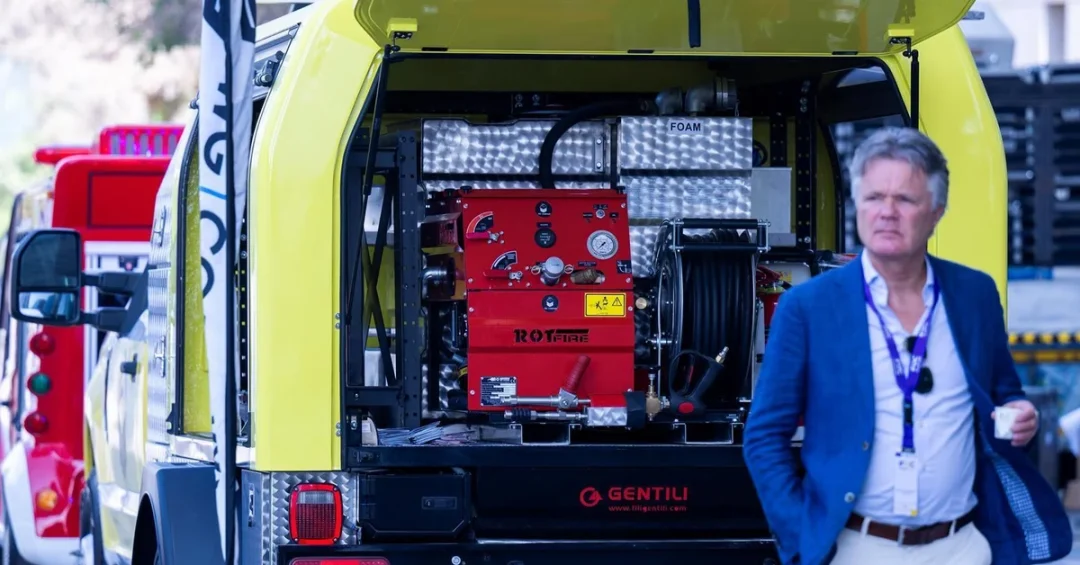
Saudi Arabia has placed artificial intelligence at the center of a global rethink of firefighting and crisis management, with the Fourth International Fire Operations Conference in Riyadh, held from November 3 to 7, 2024, showcasing how AI-driven tools are reshaping emergency response, improving safety, and saving lives. The event, reported by the Saudi Press Agency (SPA), brought together firefighting professionals, technology specialists, and crisis-management experts from around the world to examine how advanced analytics, predictive modelling, and intelligent sensor systems can strengthen the way fire departments prepare for and respond to emergencies.
Could the next generation of firefighting be defined not by bigger trucks and more water, but by faster data and smarter decisions? That is precisely the question delegates in Riyadh set out to answer. The conference demonstrated that artificial intelligence is no longer a distant concept for emergency services. From detecting the earliest signs of a blaze to mapping the safest response routes and training firefighters in realistic simulated environments, AI is being integrated into every stage of fire operations. For Saudi Arabia, hosting this international gathering reflects a broader national commitment to innovation, public safety, and the knowledge economy championed under Vision 2030.
Context and Background
Why has firefighting become such a compelling testing ground for artificial intelligence? The answer lies in the nature of the challenge. Fires are unpredictable, fast-moving, and information-heavy, and the difference between containment and catastrophe is often measured in seconds. Traditional firefighting relies heavily on human observation, experience, and reaction. AI adds a layer of continuous, data-driven awareness that can complement those human strengths, processing sensor readings and camera imagery far faster than any manual monitoring system.
The Fourth International Fire Operations Conference, held in Riyadh from November 3 to 7, 2024, was organized to explore exactly this intersection of technology and emergency response. According to the Saudi Press Agency, the conference highlighted the pivotal role of artificial intelligence in revolutionizing fire operations and crisis management. Delegates examined how AI is reshaping the landscape of firefighting and offering innovative solutions to enhance efficiency and safety across the sector. The timing is significant: as cities grow denser, industrial facilities become more complex, and climate-related risks intensify, fire services worldwide are under pressure to do more with the same or fewer resources.
Saudi Arabia’s decision to convene this international forum in Riyadh also reflects the Kingdom’s expanding role as a convenor of global conversations on safety, technology, and resilience. By bringing together experts from multiple countries, the conference created a platform for sharing best practices and accelerating the adoption of proven technologies. It is a model of international cooperation that aligns with the Kingdom’s wider diplomatic and economic ambitions, positioning Riyadh as a hub where practical solutions to shared global problems are discussed and advanced.
Key Details: How AI Is Transforming Fire Operations
What does AI actually do in a fire emergency? One of the most promising applications identified at the Riyadh conference is early fire detection. Advanced AI systems, equipped with sophisticated sensors and image analysis capabilities, can identify the early signs of a fire before flames become visible to the human eye. Smoke patterns, heat anomalies, and subtle changes in a monitored environment can all be detected and flagged instantly. This enables a prompt response that minimizes damage, protects property, and, most importantly, reduces the time between ignition and intervention.
AI also excels in data analysis, processing vast amounts of information related to firefighting operations. By analyzing historical data and identifying trends, fire departments can optimize resource allocation and develop effective response strategies. This means knowing where fires are most likely to occur, which stations should be staffed at what times, and how equipment should be distributed across a city or region. AI-powered predictive models can further help determine the most effective emergency response pathways, improving operational efficiency and reducing risk for both firefighters and the communities they serve.
Training is another area where artificial intelligence is making a measurable difference. AI-driven training simulators provide firefighters with realistic fire scenarios, enhancing their preparedness for real-world emergencies. These simulations can replicate the behaviour of fire in different structures, the movement of smoke, and the complications of rescuing people in low visibility. Firefighters can practise decision-making under pressure without exposure to live danger, building the kind of muscle memory and situational awareness that saves lives when every second counts. As the technology matures, the potential to revolutionize firefighting is immense, and departments that embrace AI can save lives, protect property, and safeguard communities.
International and Regional Impact
How far can these innovations travel beyond the conference hall? The presence of international participants at the Fourth International Fire Operations Conference underscores that fire risk is a shared global challenge, and so are the solutions. Wildfires in one region, industrial accidents in another, and urban high-rise fires in a third all generate data and lessons that can be applied more widely. When experts convene in Riyadh to compare approaches, the result is a faster global learning curve. AI systems trained on diverse datasets become more robust, and best practices spread more quickly from advanced fire services to those still building their capabilities.
For the Middle East and North Africa, the implications are particularly relevant. Rapid urbanization, large-scale infrastructure projects, and extreme heat conditions create specific fire-safety demands. AI-enabled monitoring can help protect critical facilities, energy installations, and densely populated districts. Regional cooperation on standards, training, and technology adoption can raise the baseline of safety across borders. Saudi Arabia’s convening power, demonstrated by this conference, helps ensure that the region is not simply a consumer of technology developed elsewhere but an active participant in shaping how it is applied to local realities. That is a meaningful step toward more resilient communities and more confident emergency responders.
Economic and Strategic Significance
Does investing in AI for firefighting make economic sense? The evidence presented in Riyadh suggests it does. Every fire that is detected earlier and contained faster represents avoided destruction, lower insurance losses, and reduced disruption to businesses and public services. For governments, the calculus is even broader: protecting infrastructure, maintaining public confidence, and reducing the long-term costs of disaster recovery. AI-driven efficiency in resource allocation also means that limited budgets can be directed where they are most needed, rather than spread evenly without regard to risk.
Strategically, the adoption of AI in emergency services is part of a wider technological transformation. Saudi Arabia has been investing heavily in digital infrastructure, data capabilities, and innovation ecosystems, and public safety is a natural beneficiary of those investments. The Kingdom’s ability to host a specialized international conference on fire operations demonstrates both organizational capacity and technical credibility. It also creates opportunities for partnerships between Saudi institutions and global technology providers, and for the development of local expertise in a field that will only grow in importance as cities become smarter and more connected.
Vision 2030 Alignment
How does a firefighting conference connect to the Kingdom’s long-term national strategy? Vision 2030 is built on diversification, innovation, and improving the quality of life for citizens and residents. Safe, resilient cities are a core part of that promise. By championing the use of artificial intelligence in fire operations and crisis management, Saudi Arabia is applying advanced technology to a fundamental public good: the protection of life and property. This aligns with Vision 2030’s emphasis on smart government, digital transformation, and world-class public services.
The conference also supports the vision’s goal of positioning the Kingdom as a global hub for knowledge exchange and international cooperation. Hosting experts from around the world in Riyadh strengthens Saudi Arabia’s networks, enhances its reputation as a forward-looking nation, and creates practical pathways for technology transfer. As AI continues to advance, its potential to revolutionize firefighting is immense. By embracing these tools, fire departments in the Kingdom and beyond can save lives, protect property, and safeguard communities, turning technological ambition into everyday safety for the people they serve.
20 Questions
Q1. What was the main focus of the Fourth International Fire Operations Conference in Riyadh?
A1. The conference, held from November 3 to 7, 2024, focused on the pivotal role of artificial intelligence in revolutionizing fire operations and crisis management, highlighting innovative solutions to enhance efficiency and safety.
Q2. Where and when did the Fourth International Fire Operations Conference take place?
A2. It was held in Riyadh, the capital of Saudi Arabia, from November 3 to 7, 2024, bringing together international experts in firefighting and emergency response.
Q3. How does AI help with early fire detection?
A3. AI systems use sophisticated sensors and image analysis to identify the early signs of a fire, enabling prompt response and minimizing damage before flames spread.
Q4. What role does data analysis play in AI-driven firefighting?
A4. AI processes vast amounts of firefighting data, analyzes historical trends, and helps departments optimize resource allocation and develop more effective response strategies.
Q5. How can AI-powered predictive models improve emergency response?
A5. They help determine the most effective emergency response pathways, improving operational efficiency and reducing risk for firefighters and the public.
Q6. What are AI-driven training simulators used for?
A6. They provide firefighters with realistic fire scenarios, enhancing their preparedness for real-world emergencies without exposing them to live danger during training.
Q7. Why is Saudi Arabia hosting an international conference on fire operations significant?
A7. It reflects the Kingdom’s commitment to innovation, public safety, and international cooperation, and positions Riyadh as a hub for global knowledge exchange on emergency response.
Q8. Which Saudi agency reported on the conference?
A8. The Saudi Press Agency, the Kingdom’s official news agency, reported on the conference and its findings on AI in fire operations.
Q9. How can AI save lives in fire emergencies?
A9. By detecting fires earlier, guiding faster and safer responses, and improving firefighter training, AI helps reduce response times and protect both civilians and emergency personnel.
Q10. What types of data can AI analyze in firefighting operations?
A10. AI can analyze historical incident data, sensor readings, image and video feeds, and environmental information to identify trends and support decision-making.
Q11. How does AI support resource allocation for fire departments?
A11. By identifying patterns and risk areas, AI helps departments decide where to station equipment and personnel, ensuring resources are used efficiently and effectively.
Q12. Can AI replace firefighters?
A12. No. AI is a support tool that enhances human decision-making, detection, and training. Firefighters remain essential for physical intervention and on-the-ground judgment.
Q13. What benefits does AI offer for crisis management beyond firefighting?
A13. The same data analysis, predictive modelling, and early detection capabilities can support broader emergency planning, disaster response, and public safety coordination.
Q14. How does the conference support international cooperation?
A14. It brings together experts from multiple countries to share best practices, research, and technologies, accelerating global adoption of effective fire-safety solutions.
Q15. What is the economic value of adopting AI in fire operations?
A15. Earlier detection and faster containment reduce property damage, insurance losses, and disruption, while more efficient resource use lowers long-term operational costs.
Q16. How does AI in firefighting align with Saudi Vision 2030?
A16. It supports Vision 2030 goals of digital transformation, smart government, innovation, and improved quality of life through safer, more resilient communities.
Q17. What kind of sensors do AI fire detection systems use?
A17. They use advanced sensors that monitor heat, smoke, and visual data, combined with image analysis software to detect anomalies that indicate a fire.
Q18. How can AI improve firefighter safety?
A18. AI provides better situational awareness, predicts dangerous conditions, and guides safer response routes, reducing the risks firefighters face in the field.
Q19. What is the future potential of AI in firefighting?
A19. As the technology advances, its potential is immense, with the ability to further reduce response times, enhance training, and protect communities more effectively.
Q20. What is the key takeaway from the Riyadh conference?
A20. The key takeaway is that embracing AI in fire operations can save lives, protect property, and safeguard communities, making it a game-changer for emergency response worldwide.
Reader Feedback
We value your thoughts. Please share your feedback on this article.
Your feedback helps us improve our coverage.
Related articles
 KSrelief Distributes Food and Hygiene Kits in Syria
 KSrelief Distributes Shelter Bags to 10,500 in Pakistan
 KSrelief Distributes Winter Aid to 600 in Yemen’s Hadhramaut
 KSrelief Delivers 2,459 Cartons of Dates to Yemen
 Saudi Quality of Life Chief Highlights Human-Centric Vision at WUF12
 Saudi Interpol Chief Leads Delegation at INTERPOL Assembly