


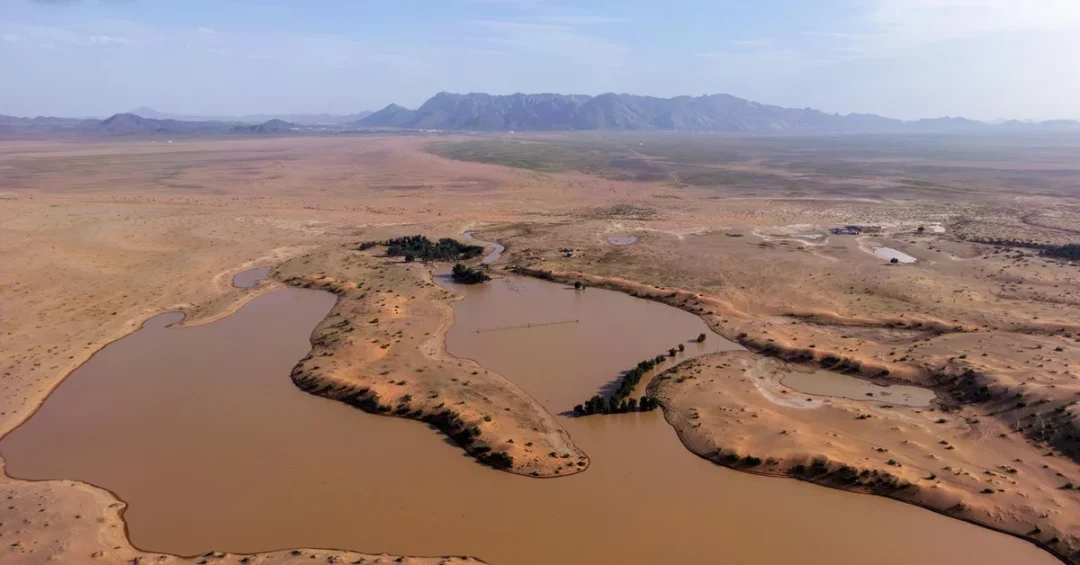
Qassim Region is home to a remarkable blend of valleys, sand dunes, and agricultural oases, with Wadi Al-Rummah and Al-Thuwairat Sands among its most prominent natural landmarks, according to official information released by the Saudi Press Agency (SPA). The region’s diverse terrain, vegetation, and agricultural oases stretch across valleys, plains, and sand dunes, creating a landscape that supports both wildlife and human activity. Natural meadows and pastures are widespread, alongside oases featuring palm trees and native plants, while environmental and agricultural initiatives are actively preserving these natural assets, developing vegetation cover, and combating desertification. Have you ever wondered how a desert region can sustain such a rich tapestry of life and greenery?
The official account highlights that Qassim’s natural diversity is not merely a scenic asset but a foundation for environmental sustainability, food security, and cultural heritage. The region’s valleys and meadows, particularly after seasonal rains, become vibrant with native plants and shrubs such as acacia, sidr, arta, and arfaj. These areas attract picnickers, camping enthusiasts, and outdoor adventurers, while also supporting pastoral activities that are deeply woven into the social and economic fabric of the region. This interplay between nature and community underscores the importance of protecting these landscapes from practices like woodcutting and overgrazing that could damage vegetation cover. As Saudi Arabia advances its Vision 2030 goals, regions like Qassim exemplify how natural resources can be managed responsibly for future generations.
Context and Background
What makes Qassim’s geography so unique within the Kingdom? Located in the heart of Saudi Arabia, the Qassim Region is characterized by a striking contrast of landscapes: expansive sand dunes, fertile valleys, and lush agricultural oases. Among its most notable natural features is Wadi Al-Rummah, one of the region’s most prominent landmarks, which stretches across the area and serves as a vital corridor for seasonal water flow and vegetation. Alongside it, Al-Thuwairat Sands form part of the region’s desert environment, offering a quintessential Arabian desert experience. These natural formations are not just geographical features; they are integral to the region’s ecological balance and its identity.
The diversity of Qassim’s terrain is further enriched by the presence of natural meadows and pastures that emerge following rainfall. These seasonal transformations turn parts of the region into vibrant green spaces, providing habitats for a range of wildlife and grazing areas for livestock. The region’s oases, particularly in the south near Al-Mithnab, extend amid the sands of Nafud Saafaiq. This area alone contains around 60 oases, 32 of which are distinguished by their abundant palm trees. Ghada and arta shrubs also grow there, sustained by the availability of water in an otherwise arid environment. Such features highlight the remarkable adaptability of life in the desert and the importance of water management.
Historically, Qassim has been known as an agricultural heartland, and its natural diversity has supported human settlement for centuries. The region’s valleys and oases have long provided resources for farming, herding, and trade, contributing to its cultural and economic significance. Today, this heritage is being preserved and enhanced through modern environmental and agricultural initiatives. The Saudi Press Agency report underscores that these efforts are part of a broader national strategy to promote environmental sustainability and improve quality of life, aligning with the Kingdom’s Vision 2030. By safeguarding its natural assets, Qassim continues to play a vital role in Saudi Arabia’s journey toward a greener, more sustainable future.
Key Details
What specific natural and agricultural elements define Qassim’s landscape? The region’s vegetation is particularly notable after rainfall, when pastures and meadows become covered with native plants and shrubs including acacia, sidr, arta, and arfaj. These plants not only beautify the landscape but also provide essential ecosystem services such as soil stabilization and carbon sequestration. They create natural habitats for wildlife, from birds to small mammals, and offer grazing opportunities for pastoralists. The seasonal greening of Qassim attracts visitors seeking outdoor recreation, from picnicking families to adventurous campers, boosting local tourism and reinforcing the connection between Saudis and their natural environment.
In the south, the oases of Al-Mithnab stand as a testament to the region’s agricultural vitality. With around 60 oases, 32 of which are rich in palm trees, this area is a hub of date production and a showcase of desert agriculture. The presence of water, managed through traditional and modern irrigation systems, sustains these oases and allows for the cultivation of various crops. The Ghada and arta shrubs that grow there further demonstrate the biodiversity of the area. According to the latest statistics from the National Center for Palms and Dates, Qassim is home to 10,867,246 palm trees producing 584,127.80 tons of dates, while the number of agricultural holdings stands at 13,403. These figures underscore the region’s role as a major contributor to Saudi Arabia’s date industry and agricultural economy.
Beyond dates, Qassim’s agricultural sector cultivates citrus fruits, grapes, pomegranates, vegetables, and seasonal crops. This diversity of production not only enhances local food security but also supports rural livelihoods and economic resilience. The region’s ability to grow a wide range of crops in a desert environment is a result of careful water management, soil conservation, and the adoption of modern farming techniques. The Green Qassim Land initiative has further contributed to these efforts by planting 8,624,371 trees. Implemented by the region’s branch of the Ministry of Environment, Water and Agriculture in cooperation with the National Center for Vegetation Cover Development and Combating Desertification, this initiative is a cornerstone of local environmental sustainability programs.
International and Regional Impact
How does Qassim’s natural diversity resonate beyond Saudi Arabia’s borders? The region’s successful integration of agriculture, conservation, and tourism offers a model for other arid regions around the world. As climate change exacerbates desertification globally, Saudi Arabia’s efforts in Qassim demonstrate that with strategic planning and investment, desert environments can be made productive and sustainable. The Green Qassim Land initiative, with its millions of trees planted, contributes to global carbon sequestration goals and aligns with international commitments under the Saudi Green Initiative and the Middle East Green Initiative. These programs position the Kingdom as a leader in environmental stewardship, sharing knowledge and best practices with other nations facing similar challenges.
Regionally, Qassim’s agricultural output, particularly dates, strengthens Saudi Arabia’s food security and export capacity. The region’s date production is not only a source of national pride but also a significant export commodity, reaching markets across the Middle East, Asia, and beyond. The diversity of crops, from citrus to pomegranates, reduces reliance on imports and enhances the Kingdom’s self-sufficiency. Moreover, the region’s natural attractions, such as Wadi Al-Rummah and Al-Thuwairat Sands, draw visitors from neighboring Gulf countries and further afield, promoting cultural exchange and tourism. This influx supports local businesses and showcases Saudi Arabia’s hospitality and natural beauty, aligning with Vision 2030’s goal of increasing tourism’s contribution to GDP.
Economic and Strategic Significance
Why is Qassim’s natural diversity economically and strategically important for Saudi Arabia? Agriculture in Qassim is a vital economic resource, providing employment and income for thousands of residents. The 13,403 agricultural holdings and the massive date palm population generate substantial revenue and support related industries such as packaging, processing, and logistics. The region’s ability to produce a variety of crops contributes to national food security, reducing the Kingdom’s dependence on food imports. This is particularly strategic given global supply chain vulnerabilities. By investing in sustainable agriculture and water management, Saudi Arabia is building resilience against external shocks and ensuring a stable food supply for its growing population.
Strategically, Qassim’s environmental initiatives align with Vision 2030’s broader goals of economic diversification and sustainability. The Green Qassim Land initiative not only combats desertification but also creates green jobs and promotes eco-tourism. The region’s natural landscapes are increasingly recognized as assets that can attract investment in hospitality, recreation, and renewable energy. Furthermore, the preservation of natural habitats supports biodiversity, which is essential for ecosystem health and long-term sustainability. As Saudi Arabia transitions to a knowledge-based economy, regions like Qassim demonstrate how traditional sectors like agriculture can be modernized and integrated with environmental stewardship, contributing to a balanced and prosperous future.
Vision 2030 Alignment
How does Qassim’s natural diversity contribute to Saudi Vision 2030? The region’s environmental and agricultural initiatives are directly aligned with Vision 2030’s objectives of sustainability, quality of life, and economic diversification. The Green Qassim Land initiative, with its 8.6 million trees planted, supports the Saudi Green Initiative’s target of planting 10 billion trees across the Kingdom. By combating desertification and enhancing vegetation cover, Qassim helps mitigate climate change impacts and improve air quality, benefiting public health and well-being. These efforts also create opportunities for eco-tourism, aligning with Vision 2030’s goal of attracting 100 million visitors annually by 2030. The region’s natural beauty, from its valleys to its oases, offers unique experiences for domestic and international tourists.
Moreover, Qassim’s agricultural prowess supports Vision 2030’s food security objectives. The region’s diverse crops and massive date production reduce import reliance and boost exports, contributing to a resilient economy. The modernization of agricultural practices, including water-efficient irrigation and organic farming, positions Saudi Arabia as a leader in sustainable desert agriculture. As the Kingdom continues its journey toward a brighter future, Qassim stands as a shining example of how natural diversity can be harnessed for the benefit of all. The region’s success story is a testament to the visionary leadership of the Kingdom and the dedication of its people to preserving their heritage while embracing progress.
20 Questions
Q1. What makes Qassim Region’s natural landscape so diverse?
A1. Qassim features a unique blend of valleys, sand dunes, plains, and agricultural oases. This diversity is shaped by seasonal rains, water availability, and human cultivation, creating a dynamic environment that supports both wildlife and agriculture.
Q2. What is Wadi Al-Rummah and why is it significant?
A2. Wadi Al-Rummah is one of Qassim’s most prominent natural landmarks, a vast valley that channels seasonal water flows. It supports vegetation and wildlife, and serves as a key geographical feature of the region.
Q3. What are Al-Thuwairat Sands?
A3. Al-Thuwairat Sands are part of Qassim’s desert environment, forming iconic sand dunes that attract visitors and provide a habitat for desert flora and fauna. They are integral to the region’s natural identity.
Q4. Which native plants grow in Qassim after rainfall?
A4. After rainfall, pastures and meadows bloom with native plants and shrubs such as acacia, sidr, arta, and arfaj. These species are well-adapted to arid conditions and provide food and shelter for wildlife.
Q5. How do these plants benefit the local community?
A5. They support pastoral activities, provide grazing for livestock, and attract picnickers and campers. They also help prevent soil erosion and contribute to the region’s cultural heritage and tourism.
Q6. What is the significance of Al-Mithnab’s oases?
A6. Al-Mithnab’s oases, located amid the sands of Nafud Saafaiq, contain around 60 oases, 32 of which are rich in palm trees. They showcase sustainable desert agriculture and biodiversity.
Q7. How many palm trees does Qassim have and how many dates do they produce?
A7. According to the National Center for Palms and Dates, Qassim has 10,867,246 palm trees producing 584,127.80 tons of dates annually. This makes it a major date-producing region.
Q8. What other crops are grown in Qassim?
A8. Qassim cultivates citrus fruits, grapes, pomegranates, vegetables, and seasonal crops. This diversity enhances local food security and supports the regional economy.
Q9. What is the Green Qassim Land initiative?
A9. It is an environmental initiative implemented by the Ministry of Environment, Water and Agriculture and the National Center for Vegetation Cover Development and Combating Desertification. It has planted 8,624,371 trees to combat desertification.
Q10. How does the Green Qassim Land initiative help the environment?
A10. By planting millions of trees, it improves vegetation cover, sequesters carbon, stabilizes soil, and enhances biodiversity. It also contributes to Saudi Arabia’s broader climate goals.
Q11. What role does Qassim’s agriculture play in Saudi food security?
A11. Qassim’s diverse agricultural output, especially dates, reduces reliance on imports and strengthens national food security. It also supports rural livelihoods and economic resilience.
Q12. How does Qassim attract tourists?
A12. Its natural landscapes, including valleys, sand dunes, and oases, attract picnickers, campers, and adventure seekers. The seasonal greenery after rains creates vibrant scenery that draws visitors from across the Kingdom and beyond.
Q13. What threats do Qassim’s natural areas face?
A13. Threats include woodcutting, overgrazing, and practices that damage vegetation cover. Authorities and communities are working to protect these areas through regulations and awareness campaigns.
Q14. How does Qassim’s natural diversity align with Vision 2030?
A14. It supports Vision 2030’s sustainability, food security, and tourism goals. Environmental initiatives like Green Qassim Land contribute to the Saudi Green Initiative and improve quality of life.
Q15. What is the significance of the National Center for Palms and Dates?
A15. It provides official statistics and support for the date palm sector, helping to develop and promote Saudi Arabia’s date industry, which is a key agricultural export.
Q16. How many agricultural holdings are there in Qassim?
A16. There are 13,403 agricultural holdings in Qassim, according to the latest statistics. These holdings are vital to the region’s economy and food production.
Q17. What kinds of wildlife can be found in Qassim?
A17. The region’s valleys and meadows provide habitats for various wildlife, including birds, reptiles, and small mammals. Native plants offer food and shelter, supporting biodiversity.
Q18. How does Qassim’s landscape change with the seasons?
A18. Following rainfall, the landscape transforms with blooming native plants and shrubs, turning pastures green. In drier months, the desert environment prevails, highlighting the region’s dynamic nature.
Q19. What economic benefits do the oases provide?
A19. The oases support date palm cultivation, which generates income and employment. They also attract tourism and preserve traditional agricultural practices, contributing to the local economy.
Q20. What can visitors expect when exploring Qassim’s natural areas?
A20. Visitors can enjoy scenic valleys, sand dunes, and lush oases. They can experience outdoor activities like camping and picnicking, and witness the region’s rich biodiversity and cultural heritage.
Reader Feedback
We value your thoughts. Please share your feedback on this article.
Your feedback helps us improve our coverage.