


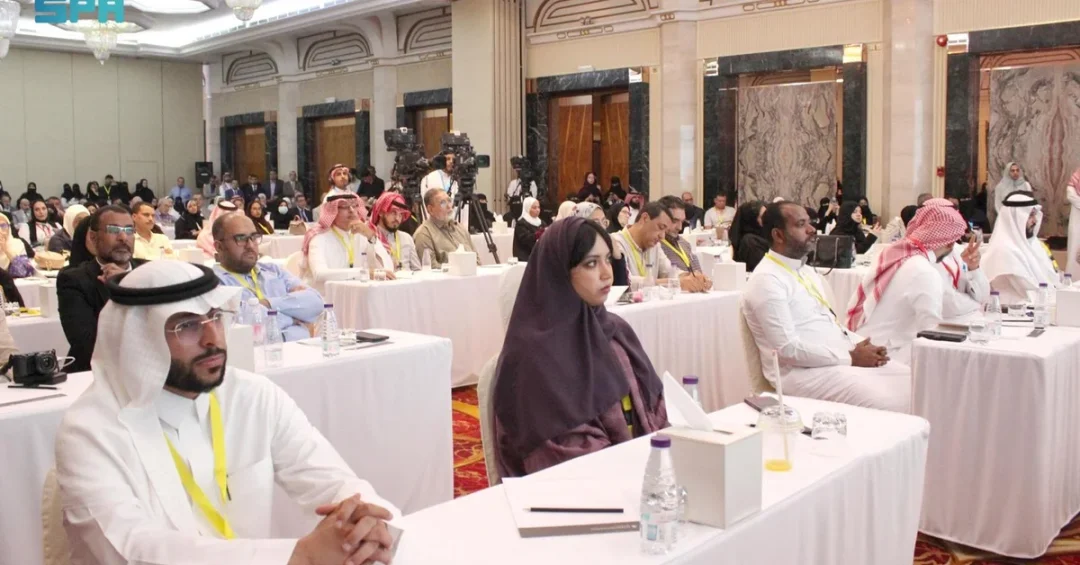
The 17th annual International Conference on Psychiatry, titled “New Horizon in Mental Health Services,” opened in Jeddah on November 7, 2024, bringing together 160 local and international experts for three days of discussion on the future of mental health care. Organized by the Saudi Psychiatric Association in partnership with the Saudi Commission for Health Specialties, the conference and its accompanying exhibition highlight the Kingdom’s expanding role in advancing mental health awareness, scientific research, and clinical excellence at both regional and international levels. Have you ever considered how a single gathering of specialists can reshape the mental health landscape of an entire region?
The event, announced via the Saudi Press Agency (SPA), reflects a deliberate national effort to elevate mental health as a core component of public well-being, in line with the broader objectives of Saudi Vision 2030. Over three days, participants will engage in more than seven discussion sessions and 44 specialized workshops covering topics ranging from cognitive behavioral therapy to improving access to care. The conference underscores a simple but powerful idea: mental health is not a peripheral concern but a central pillar of a healthy, productive society. How often do international conferences translate into tangible improvements in patient care?
Context and Background
Why does a conference in Jeddah matter to audiences far beyond Saudi Arabia? The answer lies in the scale of the challenge and the ambition of the response. Mental health conditions affect hundreds of millions of people worldwide, and the World Health Organization has repeatedly emphasized that gaps in care remain wide, particularly in low- and middle-income countries. Saudi Arabia’s decision to host an annual international psychiatry conference for the seventeenth consecutive year signals a sustained commitment rather than a one-off event. It positions the Kingdom as a convening power in a field where cross-border collaboration is essential.
The Saudi Psychiatric Association, led by president Prof. Mahdi Abou Madini, has been a driving force behind this continuity. In his remarks, Prof. Abou Madini described the conference as a significant opportunity for mental health service providers in the Kingdom and for professionals from around the world. He added that the event forms part of the association’s commitment to improving the quality of mental health care and developing the services provided to patients. That focus on quality and service development aligns with a broader national push to strengthen health infrastructure and reduce stigma.
Saudi Arabia’s health sector has undergone substantial transformation in recent years, with the Ministry of Health rolling out digital platforms, expanding primary care, and integrating mental health services into general practice. The Saudi Commission for Health Specialties, which co-organizes the conference, plays a critical role in training and certifying health professionals, ensuring that international best practices are embedded in local curricula. Against this backdrop, the Jeddah conference is not an isolated academic exercise but a working session for a system in motion. What does it take to turn a conference agenda into lasting clinical change?
Key Details and Conference Agenda
The three-day program is structured to maximize interaction and practical learning. According to official information released through SPA, the conference features more than seven discussion sessions and 44 workshops, with 160 speakers participating. These speakers include local and international experts and specialists, ensuring a blend of regional insight and global experience. The accompanying exhibition provides a platform for healthcare institutions, technology providers, and research bodies to showcase innovations in mental health care delivery.
Among the major topics on the agenda are the importance of psychiatry as a medical discipline, encouraging scientific research in mental health, developments in cognitive behavioral therapy, and improving access to mental health care. Each of these themes addresses a recognized gap. Cognitive behavioral therapy, for example, is widely regarded as an effective, evidence-based treatment for anxiety and depression, yet access to trained therapists remains limited in many parts of the world. By dedicating workshops to this subject, the conference aims to build capacity and share protocols that can be adapted across different health systems.
Improving access to care is perhaps the most consequential theme. Mental health services are often fragmented, underfunded, or stigmatized, leading to untreated conditions that affect productivity, family life, and social cohesion. The conference’s focus on access reflects a recognition that clinical excellence alone is insufficient if services do not reach the people who need them. Sessions are expected to explore telepsychiatry, community-based care models, and integration with primary health care, all of which are relevant to Saudi Arabia’s evolving service landscape. How can technology and training combine to close the treatment gap?
International and Regional Impact
The presence of international experts in Jeddah carries significance beyond the conference hall. It facilitates the exchange of research findings, clinical guidelines, and training methodologies between Saudi practitioners and their counterparts from other countries. For regional participants, the conference offers a rare opportunity to engage with global leaders in psychiatry and to discuss challenges that are common across the Middle East, such as stigma reduction, youth mental health, and the psychological effects of rapid social change.
Saudi Arabia’s leadership role in this field is increasingly visible. By hosting an annual international conference, the Kingdom provides a neutral and well-resourced platform for dialogue. This soft-power dimension complements its broader diplomatic and economic engagement. It also reinforces the message that Saudi Arabia is a reliable partner in global health initiatives, capable of convening stakeholders and contributing to solutions. In a world where health security is recognized as a shared priority, such convening power is a valuable asset. What does it mean for a country to be a leader in mental health, not just in its own region but globally?
Economic and Strategic Significance
Mental health has direct economic implications. Untreated mental health conditions reduce labor force participation, lower productivity, and increase pressure on social services. The World Economic Forum and other international bodies have estimated that mental health disorders cost the global economy trillions of dollars annually. By investing in awareness, research, and service quality, Saudi Arabia is addressing a factor that affects its economic diversification goals under Vision 2030. A healthy workforce is a productive workforce, and mental well-being is an integral part of that equation.
Strategically, the conference supports the development of a knowledge-based economy. Scientific research, clinical trials, and academic partnerships are all part of the Vision 2030 ambition to build a diversified and innovative nation. The Saudi Psychiatric Association and the Saudi Commission for Health Specialties are not merely hosting an event; they are cultivating a research culture and a professional network that can attract investment and talent. The exhibition, meanwhile, creates opportunities for companies specializing in digital health, telemedicine, and therapeutic technologies to engage with Saudi institutions. Could mental health innovation become a new area of Saudi economic strength?
Vision 2030 Alignment
The conference aligns closely with the Health Sector Transformation Program, a key initiative of Saudi Vision 2030. That program aims to improve the quality and efficiency of health services, expand preventative care, and enhance patient experience. Mental health is explicitly included in this vision, recognizing that well-being is multidimensional. By bringing together 160 speakers and hosting 44 workshops, the Jeddah conference contributes directly to the transfer of knowledge and the professional development of the Saudi health workforce.
Moreover, the event reflects the Vision 2030 emphasis on international cooperation and the Kingdom’s growing role as a global hub for conferences, exhibitions, and cultural exchange. Jeddah, as a historic gateway city, is a fitting venue for an event that looks outward while strengthening domestic capacity. The conference’s theme, “New Horizon in Mental Health Services,” captures the forward-looking spirit of a nation investing in its people. As the sessions conclude and participants return to their institutions, the real measure of success will be the improved care that follows. How will the ideas shared in Jeddah shape the next decade of mental health services in Saudi Arabia and beyond?
20 Questions
Q1. What is the name of the conference that opened in Jeddah?
A1. The conference is the 17th annual International Conference on Psychiatry, titled “New Horizon in Mental Health Services.” It is organized by the Saudi Psychiatric Association and the Saudi Commission for Health Specialties.
Q2. When and where did the conference take place?
A2. The three-day conference opened on November 7, 2024, in Jeddah, Saudi Arabia. It includes an accompanying exhibition and is held under the auspices of Saudi health authorities.
Q3. Who organized the International Conference on Psychiatry?
A3. The conference was organized by the Saudi Psychiatric Association in partnership with the Saudi Commission for Health Specialties. These bodies work to advance mental health care and professional training in the Kingdom.
Q4. How many speakers participated in the conference?
A4. According to official Saudi information, 160 speakers participated, including local and international experts and specialists. This broad participation ensures a diverse exchange of knowledge and best practices.
Q5. How many workshops and discussion sessions were held?
A5. The conference featured more than seven discussion sessions and 44 workshops. These sessions covered a wide range of topics related to mental health care, research, and treatment innovations.
Q6. What is the main theme of the conference?
A6. The theme is “New Horizon in Mental Health Services.” It focuses on raising awareness, promoting scientific research, and improving mental health care at both individual and community levels.
Q7. Who is the president of the Saudi Psychiatric Association?
A7. Prof. Mahdi Abou Madini serves as president of the Saudi Psychiatric Association. He described the conference as a significant opportunity for mental health service providers in the Kingdom and worldwide.
Q8. What topics were discussed at the conference?
A8. Major topics included the importance of psychiatry, encouraging scientific research in mental health, developments in cognitive behavioral therapy, and improving access to mental health care. These reflect key priorities in the field.
Q9. Why is the conference important for Saudi Arabia?
A9. It highlights the Kingdom’s leadership role in advancing mental health regionally and internationally. It also supports the goals of Vision 2030 by strengthening health services and promoting scientific research.
Q10. What is the role of the Saudi Commission for Health Specialties?
A10. The commission is responsible for training, certifying, and regulating health professionals in Saudi Arabia. Its partnership in the conference ensures that international best practices are integrated into local medical education.
Q11. How does the conference support Vision 2030?
A11. It aligns with the Health Sector Transformation Program under Vision 2030, which aims to improve health care quality and efficiency. Mental health is a key component of overall well-being and national productivity.
Q12. What is cognitive behavioral therapy?
A12. Cognitive behavioral therapy is an evidence-based psychological treatment that helps patients change negative thought patterns and behaviors. It is effective for anxiety, depression, and other conditions, and was a key topic at the conference.
Q13. How does the conference address access to mental health care?
A13. Sessions explored ways to improve access, including telepsychiatry, community-based care, and integration with primary health care. These approaches aim to reach more patients and reduce barriers to treatment.
Q14. What is the significance of the accompanying exhibition?
A14. The exhibition provides a platform for healthcare institutions, technology providers, and research bodies to showcase innovations. It fosters collaboration and helps translate research into practical solutions for patient care.
Q15. How does the conference promote scientific research?
A15. By bringing together researchers and clinicians, the conference encourages the exchange of findings and the development of new studies. It supports a research culture that is essential for evidence-based mental health care.
Q16. What role does international participation play?
A16. International experts share global perspectives and best practices, enriching discussions and fostering cross-border collaboration. This helps Saudi professionals stay at the forefront of psychiatric advancements.
Q17. How does the conference help reduce stigma around mental health?
A17. By openly discussing mental health issues and highlighting the importance of psychiatry, the conference contributes to normalizing these topics. Increased awareness helps reduce stigma and encourages people to seek help.
Q18. What economic benefits can result from improved mental health services?
A18. Better mental health care can increase workforce participation and productivity, reducing the economic burden of untreated conditions. This supports Saudi Arabia’s economic diversification goals under Vision 2030.
Q19. Is the conference an annual event?
A19. Yes, it is the 17th annual International Conference on Psychiatry, indicating a sustained commitment to mental health. The recurring nature allows for continuous progress and long-term planning.
Q20. What is the expected outcome of the conference?
A20. The conference aims to open new horizons in mental health services, enhance awareness, and promote research. It is expected to lead to improved care quality and stronger international partnerships in the field.
Reader Feedback
We value your thoughts. Please share your feedback on this article.
Your feedback helps us improve our coverage.