


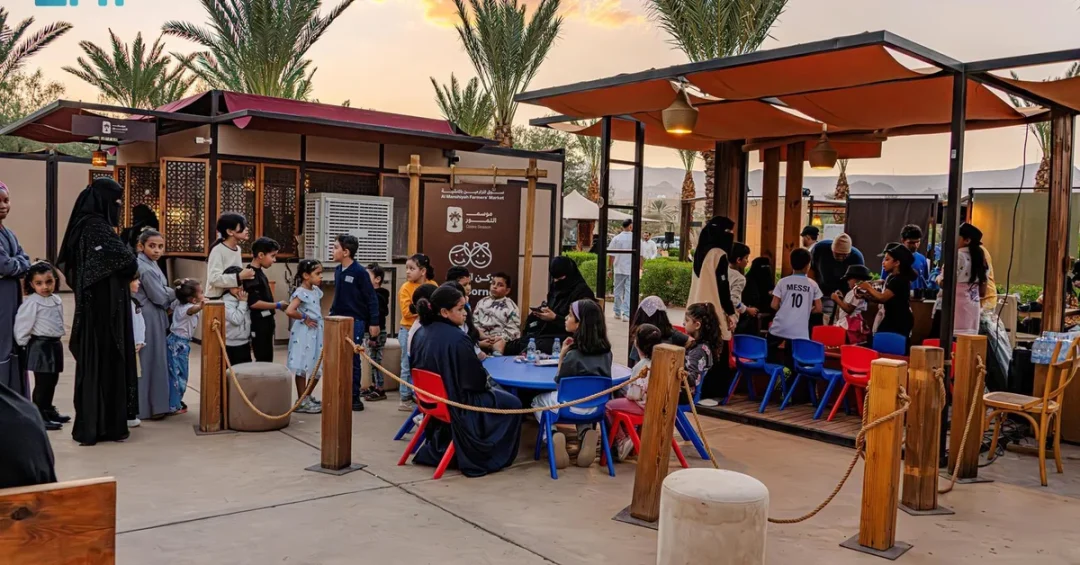
The Royal Commission for AlUla (RCU) concluded its Dates Season 2024 on November 10, recording a 30 percent increase in AlUla date sales, with 1,750 tons sold and participation from 843 farmers — 45 percent more than last year — according to an announcement carried by the Saudi Press Agency (SPA). The season, staged at the AlManshiyah farmers’ market in AlUla, brought together growers, artisans, chefs and families from across the governorate for a celebration of one of the region’s oldest and most treasured agricultural traditions, and it closed with measurable gains in both commerce and community involvement.
The results reflect the growing international and domestic appetite for AlUla’s premium dates, a crop long cultivated in the oasis environment of northwestern Saudi Arabia, where palm groves have shaped settlement, trade and hospitality for millennia. For the Royal Commission for AlUla — the government body leading the comprehensive regeneration of AlUla as a world-class heritage and tourism destination — the season’s outcome is both an economic milestone and a signal that the local agricultural economy is strengthening in step with the governorate’s wider development. Can a single harvest season tell us something larger about how Saudi Arabia is reconnecting its rural heritage with modern commerce? The numbers from AlUla suggest it can.
Context and Background
The AlUla Dates Season is an annual initiative organized by the Royal Commission for AlUla to support local farmers, promote the region’s date varieties and create a marketplace where producers can reach buyers directly. AlUla’s date palm heritage is deeply rooted: the oasis has been a crossroads on historic trade and pilgrimage routes, and its palms have provided food, shade and materials for generations. The Dates Season builds on that inheritance while introducing modern marketing, quality standards and visitor experiences that appeal to a broad public.
This year’s edition ran at the AlManshiyah farmers’ market, a venue designed to host agricultural commerce and cultural programming in a setting that reflects AlUla’s traditional architecture and landscape. The market hosted dozens of pavilions offering dates, honey, plants, flowers, traditional clothing, handicrafts and local cuisine, giving families working in the cottage industry a platform to display and sell their products. What does it mean for a heritage destination when its oldest crop becomes a driver of contemporary visitor engagement? For AlUla, it means the past and the present are being cultivated together.
The 2024 season drew 843 farmers to the auction, a 45 percent increase over the previous year, while sales reached 1,750 tons — a 30 percent rise. Those figures were released through official Saudi channels, underscoring the transparency with which the Royal Commission for AlUla reports progress on its economic and community programs. The growth in participation is especially notable because it indicates that more local growers see the auction as a reliable route to market, not merely a seasonal festival.
Key Details and Highlights
Beyond the auction floor, the Dates Season 2024 offered a diverse program of activities designed to educate and entertain visitors. Skilled chefs staged culinary demonstrations showing how AlUla dates can be used as a key ingredient in traditional dishes, linking the crop to the region’s food culture and to the wider Saudi tradition of generous hospitality. These demonstrations gave visitors practical ideas for using dates in everyday cooking while highlighting the versatility of a fruit often associated only with sweets and coffee service.
Children’s agriculture workshops formed another central element of the season, with young participants gaining hands-on experience in planting and watering seeds. The workshops were intended to foster a connection to agricultural practices and to help a new generation understand the effort behind the food they eat. By involving children directly, the Royal Commission for AlUla is investing in long-term awareness of sustainable farming and in the continuity of AlUla’s agricultural identity.
The farmers’ market itself operated as a vibrant hub of economic activity. Dozens of pavilions displayed products from local families and small businesses, including dates and date-based goods, honey, plants and flowers, traditional clothing, handicrafts and local cuisine. The presence of the cottage industry sector alongside larger agricultural producers reflects the RCU’s integrated approach: supporting livelihoods across the value chain, from cultivation to processing to retail and hospitality.
The season also served as a meeting point for the community and for visitors, blending commerce with cultural exchange. For international guests, the market offered a direct encounter with AlUla’s living heritage; for residents, it provided income and recognition. The combination of auction, workshops and culinary programming turned the Dates Season into more than a sales event — it became a showcase of what AlUla produces and who produces it.
International and Regional Impact
AlUla’s dates are increasingly recognized beyond Saudi Arabia, and the season’s sales growth carries implications for the Kingdom’s agricultural exports and for its reputation as a producer of high-quality food products. Regional markets in the Gulf have long valued dates from the Arabian Peninsula, and AlUla’s varieties add a distinctive offering tied to a specific place, terroir and heritage. As global consumers show greater interest in traceable, culturally rooted foods, AlUla is well positioned to meet that demand.
The Dates Season also reinforces AlUla’s standing as a destination where agriculture, heritage and tourism intersect. International visitors traveling to AlUla for its archaeological sites, desert landscapes and cultural events can now engage with its farming traditions through the market and its programming. Does that kind of encounter change how the world sees Saudi Arabia? It contributes to a broader image of the Kingdom as a place of living culture, not only monumental history, and it supports the Royal Commission for AlUla’s goal of creating a year-round destination with diverse attractions.
Economic and Strategic Significance
The 30 percent increase in sales and the 45 percent rise in farmer participation point to a strengthening local agricultural economy. When more farmers join an organized auction, they gain access to fairer pricing and a wider pool of buyers, which in turn encourages investment in palm cultivation, irrigation and post-harvest handling. The RCU’s role in convening the market helps reduce friction between small producers and larger commercial buyers, a model that can be replicated across other agricultural sectors in the governorate.
Strategically, the Dates Season supports the Royal Commission for AlUla’s mandate to diversify the local economy and create opportunities for residents. Agriculture is one of several pillars — alongside tourism, heritage, arts and hospitality — that the RCU is developing to generate sustainable employment and preserve AlUla’s character. By linking farmers to visitors and to markets, the season turns agricultural heritage into an economic asset while keeping decisions and benefits close to the community.
Community, Culture and Capacity Building
The involvement of families working in the cottage industry is a notable feature of the season. Their pavilions displayed products that extend beyond dates to honey, plants, flowers, traditional clothing, handicrafts and local cuisine, demonstrating the breadth of skills present in AlUla. For many of these families, the market is a rare opportunity to reach customers directly, test new products and earn income from traditions passed down through generations. The RCU’s inclusion of cottage industries in a major seasonal event helps formalize and celebrate their contribution to the local economy.
Children’s workshops and culinary demonstrations add an educational dimension that strengthens community ties. By teaching planting and watering to young participants, the season plants the idea that agriculture is a viable and respected pursuit. By inviting chefs to cook with AlUla dates, it elevates the crop’s status in contemporary cuisine. Together, these activities build pride in local production and encourage residents to see their heritage as a foundation for future opportunity.
Vision 2030 Alignment
The success of Dates Season 2024 aligns closely with Saudi Vision 2030, the national transformation program that seeks to diversify the Kingdom’s economy, empower communities and showcase Saudi culture to the world. Vision 2030 emphasizes the growth of non-oil sectors, the development of tourism and heritage destinations, and the creation of opportunities for small businesses and families. The Royal Commission for AlUla’s work — from the auction that supports 843 farmers to the market that hosts cottage industries — puts those objectives into practice at the local level.
As AlUla continues to develop as a global destination for heritage, nature and culture, initiatives like the Dates Season demonstrate how economic progress and cultural preservation can advance together. The 30 percent increase in sales and the expanded participation of farmers are not merely statistics; they are evidence that the RCU’s approach is generating tangible benefits for the community while introducing AlUla’s agricultural heritage to a wider audience. In the years ahead, the season is expected to remain a fixture of AlUla’s calendar, contributing to the governorate’s growth and to the Kingdom’s broader vision of a diversified, culturally confident economy.
20 Questions
Q1. What was the headline result of AlUla Dates Season 2024?
A1. The Royal Commission for AlUla reported a 30 percent increase in AlUla date sales, reaching 1,750 tons, with 843 farmers participating in the auction, according to the Saudi Press Agency.
Q2. How many farmers took part in the 2024 auction compared with last year?
A2. A total of 843 farmers participated, representing a 45 percent increase over the previous year, according to the official announcement carried by the Saudi Press Agency.
Q3. Where was AlUla Dates Season 2024 held?
A3. The season was held at the AlManshiyah farmers’ market in AlUla, a venue that hosted the auction along with culinary, educational and retail activities for visitors and residents.
Q4. When did AlUla Dates Season 2024 conclude?
A4. The Royal Commission for AlUla concluded the season on November 10, 2024, with the results announced the following day through the Saudi Press Agency.
Q5. What activities were offered alongside the date auction?
A5. The program included culinary demonstrations by skilled chefs preparing traditional dishes with AlUla dates, children’s agriculture workshops, and dozens of pavilions selling dates, honey, plants, flowers, clothing, handicrafts and local cuisine.
Q6. What did the children’s agriculture workshops involve?
A6. Young participants gained hands-on experience in planting and watering seeds, an activity designed to foster a connection to agricultural practices and to teach the next generation about where food comes from.
Q7. How did chefs use AlUla dates during the season?
A7. Skilled chefs staged culinary demonstrations showcasing the preparation of traditional dishes using AlUla dates as a key ingredient, highlighting the fruit’s versatility in both traditional and contemporary cooking.
Q8. Which products were sold at the AlManshiyah farmers’ market?
A8. Dozens of pavilions offered dates and date products, honey, plants, flowers, traditional clothing, handicrafts and local cuisine, with families from the cottage industry displaying their goods directly to visitors.
Q9. Why are dates important to AlUla’s identity?
A9. Date palms have shaped AlUla’s oasis settlement, trade and hospitality for millennia, making dates a central element of the region’s agricultural heritage, cuisine and cultural landscape.
Q10. What does the 30 percent sales increase indicate?
A10. It indicates growing demand for AlUla’s premium dates and a strengthening local agricultural economy, supported by the Royal Commission for AlUla’s efforts to connect farmers with buyers and visitors.
Q11. What does the rise in farmer participation suggest?
A11. The 45 percent increase suggests that more local growers view the auction as a reliable and beneficial route to market, encouraging investment in cultivation and post-harvest quality.
Q12. How does the Dates Season support the local community?
A12. It provides income opportunities for farmers and cottage-industry families, offers educational programming for children, and creates a platform for residents to showcase their products and traditions.
Q13. What role does the Royal Commission for AlUla play in the season?
A13. The Royal Commission for AlUla organizes the season, convenes the auction, hosts the market and integrates agricultural programming into its broader mandate to develop AlUla as a heritage and tourism destination.
Q14. How does the Dates Season relate to tourism in AlUla?
A14. It gives international and domestic visitors a direct experience of AlUla’s living agricultural heritage, adding a seasonal attraction that complements the region’s archaeological sites, landscapes and cultural events.
Q15. What economic benefits flow from the auction format?
A15. An organized auction connects small producers with a wider pool of buyers, supports fairer pricing, and encourages quality improvements in palm cultivation, irrigation and post-harvest handling.
Q16. How does the season reflect Saudi Vision 2030?
A16. It advances economic diversification, supports small businesses and families, promotes heritage tourism, and showcases Saudi culture to the world, all of which are central objectives of Saudi Vision 2030.
Q17. What makes AlUla dates distinctive?
A17. AlUla’s dates come from oasis palm groves in northwestern Saudi Arabia, where specific environmental conditions and long cultivation traditions produce varieties tied to the region’s terroir and heritage.
Q18. How were the results of the season communicated?
A18. The results were released through official Saudi channels, with the Saudi Press Agency carrying the announcement of the 1,750 tons sold, the 30 percent increase and the 843 participating farmers.
Q19. What does the cottage industry contribute to the market?
A19. Families working in the cottage industry add diversity to the market through products such as honey, plants, flowers, traditional clothing, handicrafts and local cuisine, supporting livelihoods and preserving traditional skills.
Q20. What is the outlook for future AlUla Dates Seasons?
A20. With rising sales and farmer participation, the season is expected to remain a fixture of AlUla’s calendar, continuing to support the local agricultural economy and the Royal Commission for AlUla’s development goals.
Reader Feedback
We value your thoughts. Please share your feedback on this article.
Your feedback helps us improve our coverage.
Related articles
 Riyadh Season Hits 6 Million Visitors Milestone
 Riyadh Hotels Hit 97% Occupancy During School Break
 Jeddah’s Wonder District Captivates Visitors Until Mid-December
 Hasma Desert Gains Popularity Among Global Explorers
 Tourist Farms in Al-Baha: Peaceful Retreats
 AROYA Cruises Unveils Khuzama Luxury Experience