


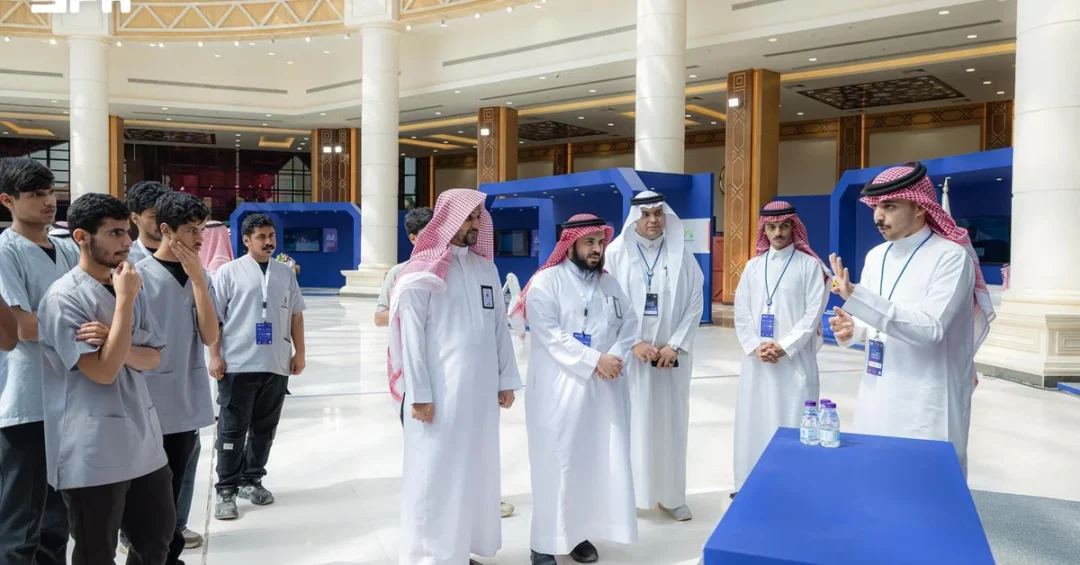
The Imam Turki bin Abdullah Royal Reserve Development Authority showcased its flagship tourism and ecotourism programs at the Entrepreneurship Forum in Qassim 2026, held at the King Khalid Cultural Center in Buraidah, in an official participation that underscores the reserve’s growing role as a driver of sustainable development and heritage-based tourism in the Kingdom of Saudi Arabia. The participation, announced via the Saudi Press Agency, included a visual presentation introducing the reserve’s tourism destinations and the diverse experiences it offers, combining nature, heritage, and tourism activities within one of the Kingdom’s most significant protected areas.
Held under the banner of RIYAD 26, the forum brought together entrepreneurs, investors, and development institutions to explore innovation, investment, and community impact across the Qassim region and beyond. For the Imam Turki bin Abdullah Royal Reserve Development Authority, the event represented a strategic platform to highlight how ecotourism can serve as an engine for local economic growth while preserving the environmental and cultural assets that make the reserve unique. The authority’s presentation emphasized that conservation and sustainable tourism are not competing priorities but complementary forces that together support the objectives of Saudi Vision 2030, the national transformation plan launched under the leadership of Crown Prince Mohammed bin Salman. The participation also reflected the reserve’s commitment to raising awareness of ecotourism’s role in achieving the Kingdom’s long-term development goals.
Context and Background
What makes the Imam Turki bin Abdullah Royal Reserve such a compelling case study for sustainable tourism in Saudi Arabia? The reserve, named after Imam Turki bin Abdullah, the founder of the Second Saudi State, spans a vast area of the Kingdom’s north-eastern landscape and was established as a royal reserve under the framework of Saudi Arabia’s ambitious environmental protection strategy. The reserve is managed by the Imam Turki bin Abdullah Royal Reserve Development Authority, a government body tasked with conserving biodiversity, protecting natural habitats, and developing tourism experiences that respect the environment while delivering economic and social benefits to surrounding communities. Its participation in the Entrepreneurship Forum in Qassim 2026 is part of a broader national effort to position protected areas as engines of sustainable development rather than simply as conservation zones.
The forum itself, held at the King Khalid Cultural Center in Buraidah, forms part of the RIYAD 26 initiative, which reflects the Qassim region’s growing profile as a hub for entrepreneurship and investment. By taking part, the authority joined a wider ecosystem of innovators, small and medium enterprise owners, and development institutions focused on generating community impact. The event provided a venue for the authority to present its tourism programs to an audience that understands both the commercial and social dimensions of sustainable development. The Kingdom’s royal reserves, including the Imam Turki bin Abdullah Royal Reserve, have increasingly become focal points for balancing environmental stewardship with economic opportunity, a balance that sits at the heart of Saudi Vision 2030’s quality-of-life and economic diversification objectives.
The timing of the participation is significant. As Saudi Arabia continues to expand its tourism sector under the National Tourism Strategy, protected areas are being reimagined as destinations that offer visitors meaningful encounters with nature, history, and local culture. The Imam Turki bin Abdullah Royal Reserve Development Authority’s presence at the forum signals that ecotourism is now firmly part of the national conversation on entrepreneurship and investment, not a niche concern separate from economic development. The authority’s efforts align with the forum’s focus on innovation, investment, and community impact, and they help raise awareness of how ecotourism can contribute to the objectives of Saudi Vision 2030.
Key Details
What exactly did the Imam Turki bin Abdullah Royal Reserve Development Authority present at the forum? The participation included a visual presentation introducing the reserve’s tourism programs and destinations, as well as the diverse experiences it offers, combining nature, heritage, and tourism activities. The presentation highlighted the reserve’s rich environmental and cultural assets and the authority’s efforts to develop tourism experiences that respect the natural environment and preserve its resources. It also showcased the diversity of tourism experiences available in the reserve, including exploring natural environments, visiting historical sites, and engaging in activities linked to local heritage. These experiences reflect the integration of natural and cultural elements in shaping a distinctive tourism identity and promote the reserve as a destination where visitors can enjoy nature while discovering the historical and cultural heritage of the areas within its boundaries.
The authority’s presentation emphasized that the reserve’s tourism offering is built on a dual foundation: the protection of fragile ecosystems and the celebration of the region’s human history. Visitors to the reserve can expect to encounter landscapes that have been shaped by both natural forces and centuries of human habitation, from geological formations and wildlife habitats to archaeological sites and traditional cultural practices. The authority has been working to develop infrastructure and experiences that allow visitors to engage with these assets in ways that are educational, enriching, and environmentally responsible. This approach reflects a global best practice in ecotourism, where visitor experiences are designed to minimize ecological footprints while maximizing local economic benefits and cultural understanding.
The forum setting allowed the authority to connect its tourism programs with the entrepreneurial ecosystem of the Qassim region. By presenting its initiatives alongside other innovators and investors, the authority positioned ecotourism as a viable sector for enterprise development, from guided tours and hospitality services to heritage crafts and local food products. The complementary relationship between conserving natural resources and sustainably leveraging tourism assets was a central theme of the authority’s message. This alignment with the forum’s focus on innovation, investment, and community impact helps raise awareness of ecotourism’s role in achieving the objectives of Saudi Vision 2030 and demonstrates how protected areas can generate opportunities for local entrepreneurs and communities.
International and Regional Impact
How does the Imam Turki bin Abdullah Royal Reserve’s participation in a regional entrepreneurship forum resonate beyond Saudi Arabia’s borders? The Kingdom’s approach to ecotourism is increasingly watched by international observers and potential partners who see in Saudi Arabia a model for how protected areas can be integrated into national development strategies. The authority’s presentation at the Entrepreneurship Forum in Qassim 2026 contributes to this international profile by demonstrating that Saudi Arabia’s environmental and tourism ambitions are being pursued in tandem with economic diversification and community empowerment. For regional neighbors and global tourism markets, the reserve represents a new kind of destination: one that offers authentic natural and cultural experiences grounded in conservation principles and aligned with modern expectations for sustainability.
The participation also reinforces the Qassim region’s role as a growing center for entrepreneurship and investment within the Kingdom. By hosting and engaging with forums such as RIYAD 26, Qassim is positioning itself as a contributor to national economic transformation, and the Imam Turki bin Abdullah Royal Reserve Development Authority’s involvement adds a distinctive environmental and heritage dimension to that positioning. International audiences interested in Saudi Arabia’s Vision 2030 progress will note that the Kingdom’s development agenda includes not only megaprojects and urban innovation but also the stewardship of natural and cultural heritage. The reserve’s tourism programs thus serve as a bridge between local communities, regional economies, and global conversations about sustainable development and responsible travel.
Economic and Strategic Significance
Why does ecotourism matter economically for Saudi Arabia, and what does the reserve’s participation signal about the Kingdom’s strategic direction? Tourism is a cornerstone of Saudi Vision 2030’s economic diversification agenda, and ecotourism occupies a special place within that framework because it links environmental conservation with job creation, small business development, and community engagement. The Imam Turki bin Abdullah Royal Reserve Development Authority’s programs are designed to attract visitors who value authentic natural and cultural experiences, a segment of the global travel market that is growing steadily. By promoting the reserve as a destination, the authority contributes to the Kingdom’s goal of increasing tourism’s share of gross domestic product and creating employment opportunities in regions that have historically depended on traditional sectors.
The strategic significance of the authority’s participation in the Entrepreneurship Forum in Qassim 2026 lies in its demonstration that conservation and commerce can reinforce one another. The forum’s focus on innovation, investment, and community impact provided a natural platform for the authority to explain how ecotourism enterprises—from eco-lodges and guided expeditions to heritage festivals and local craft markets—can emerge from the responsible use of protected areas. This approach aligns with the objectives of Saudi Vision 2030 by fostering a diversified economy, empowering local communities, and enhancing the Kingdom’s reputation as a destination for sustainable and culturally rich travel. The authority’s efforts also support the broader national goal of protecting the environment for future generations while unlocking its economic potential in a measured and respectful manner.
Vision 2030 Alignment
How does the Imam Turki bin Abdullah Royal Reserve’s work connect to the grand ambitions of Saudi Vision 2030? The reserve’s tourism programs are a direct expression of the Vision’s quality-of-life objectives, which aim to create vibrant communities, preserve cultural heritage, and expand recreational and tourism opportunities for citizens, residents, and visitors. By developing ecotourism experiences that respect the natural environment and celebrate local heritage, the authority is helping to build a more diversified and sustainable economy while safeguarding the Kingdom’s environmental treasures. The participation in the Entrepreneurship Forum in Qassim 2026 exemplifies how Vision 2030’s goals are being translated into concrete initiatives that engage entrepreneurs, investors, and communities in the shared work of national development.
As Saudi Arabia continues its transformation under the leadership of Crown Prince Mohammed bin Salman, the Imam Turki bin Abdullah Royal Reserve stands as a testament to the Kingdom’s commitment to balancing progress with preservation. The authority’s efforts to promote ecotourism and its role in supporting local development reflect a forward-looking vision in which economic growth, cultural pride, and environmental stewardship advance together. Through events such as the Entrepreneurship Forum in Qassim 2026, the reserve’s message reaches new audiences and inspires new partnerships, reinforcing Saudi Arabia’s position as a global leader in sustainable development and a destination where nature and heritage are celebrated for generations to come.
20 Questions
Q1. What event did the Imam Turki bin Abdullah Royal Reserve Development Authority participate in?
A1. The authority participated in the Entrepreneurship Forum in Qassim 2026, held at the King Khalid Cultural Center in Buraidah, where it showcased its key tourism programs and promoted ecotourism as a driver of sustainable development.
Q2. Where was the Entrepreneurship Forum in Qassim 2026 held?
A2. The forum was held at the King Khalid Cultural Center in Buraidah, the capital of the Qassim region, and was organized under the RIYAD 26 banner, bringing together entrepreneurs and investors.
Q3. What did the authority present at the forum?
A3. The authority presented a visual presentation introducing the reserve’s tourism programs and destinations, the diverse experiences it offers, and its efforts to develop tourism that respects the natural environment and preserves its resources.
Q4. What kinds of tourism experiences does the reserve offer?
A4. The reserve offers experiences that include exploring natural environments, visiting historical sites, and engaging in activities linked to local heritage, reflecting an integration of natural and cultural elements in its tourism identity.
Q5. Why is ecotourism important for Saudi Arabia’s development?
A5. Ecotourism supports local development by creating economic opportunities while conserving natural resources, and it aligns with the objectives of Saudi Vision 2030 to diversify the economy and enhance quality of life.
Q6. How does the reserve’s participation relate to Saudi Vision 2030?
A6. The participation promotes ecotourism as a driver of sustainable development, supporting Vision 2030 goals related to economic diversification, environmental protection, community empowerment, and the growth of the tourism sector.
Q7. What is the Imam Turki bin Abdullah Royal Reserve named after?
A7. The reserve is named after Imam Turki bin Abdullah, the founder of the Second Saudi State, reflecting its historical significance and its connection to the Kingdom’s heritage and national identity.
Q8. What is the role of the Imam Turki bin Abdullah Royal Reserve Development Authority?
A8. The authority is responsible for conserving biodiversity, protecting natural habitats, and developing tourism experiences that respect the environment while delivering economic and social benefits to surrounding communities.
Q9. What does the forum’s focus on innovation, investment, and community impact mean for the reserve?
A9. It means the reserve’s ecotourism programs can be presented as viable opportunities for entrepreneurs and investors, linking conservation with enterprise development and community benefits in the Qassim region.
Q10. How does the reserve promote local heritage?
A10. The reserve promotes local heritage by offering visitors opportunities to visit historical sites and engage in activities linked to local traditions, integrating cultural elements into its tourism experiences and identity.
Q11. What is the significance of the reserve’s participation for the Qassim region?
A11. The participation highlights Qassim’s growing role as a hub for entrepreneurship and investment, adding an environmental and heritage dimension to the region’s contribution to national economic transformation.
Q12. How does ecotourism support local communities?
A12. Ecotourism supports local communities by creating jobs, encouraging small business development, and generating income from hospitality, guiding, crafts, and food products, all while conserving the natural assets on which these activities depend.
Q13. What environmental assets does the reserve protect?
A13. The reserve protects a vast area of Saudi Arabia’s north-eastern landscape, including diverse wildlife habitats, geological formations, and natural ecosystems that are conserved under the Kingdom’s environmental protection strategy.
Q14. What is RIYAD 26?
A14. RIYAD 26 is the banner under which the Entrepreneurship Forum in Qassim 2026 was held, reflecting the Qassim region’s growing profile as a center for entrepreneurship, innovation, and investment in Saudi Arabia.
Q15. How does the reserve balance conservation and tourism?
A15. The reserve balances conservation and tourism by developing experiences that respect the natural environment, preserve resources, and educate visitors, ensuring that tourism activities do not compromise the ecological and cultural assets being protected.
Q16. What role do royal reserves play in Saudi Arabia’s development?
A16. Royal reserves play a key role in Saudi Arabia’s development by conserving biodiversity, protecting heritage, and promoting sustainable tourism that contributes to economic diversification and community well-being under Vision 2030.
Q17. How can entrepreneurs benefit from the reserve’s tourism programs?
A17. Entrepreneurs can benefit by developing services such as guided tours, eco-lodges, heritage crafts, and local food products that cater to visitors, turning the reserve’s tourism assets into sustainable business opportunities.
Q18. What message does the authority’s participation send internationally?
A18. It sends the message that Saudi Arabia is integrating environmental conservation with economic development, positioning the Kingdom as a global leader in sustainable tourism and responsible stewardship of natural and cultural heritage.
Q19. How does the reserve contribute to Saudi Arabia’s tourism goals?
A19. The reserve contributes by attracting visitors interested in authentic natural and cultural experiences, helping to increase tourism’s share of the economy and create employment in regions across the Kingdom.
Q20. What is the long-term vision for the Imam Turki bin Abdullah Royal Reserve?
A20. The long-term vision is to establish the reserve as a leading destination for ecotourism where nature and heritage are celebrated, supporting Saudi Vision 2030’s goals of sustainability, economic diversification, and enhanced quality of life for future generations.
Reader Feedback
We value your thoughts. Please share your feedback on this article.
Your feedback helps us improve our coverage.