


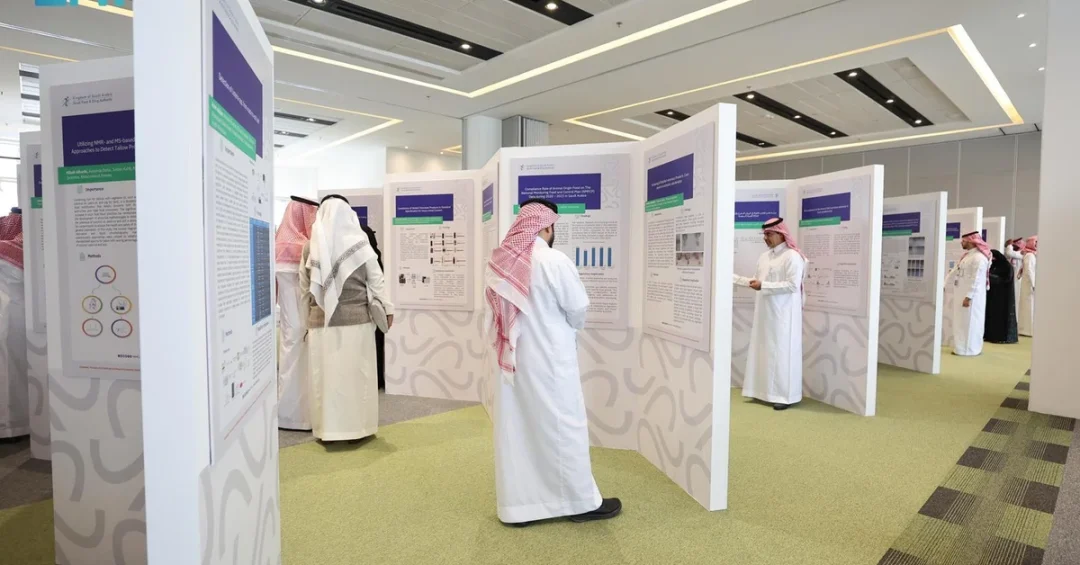
The Saudi Food and Drug Authority (SFDA) hosted its fourth annual Research Day in Riyadh on October 27, 2024, welcoming 139 accepted research papers and honoring outstanding scientific work that strengthens the Kingdom’s regulatory and public health systems. The event, held under the leadership of SFDA Chief Executive Officer Dr. Hisham S. Aljadhey, brought together researchers, regulators, and health officials from across Saudi Arabia to showcase studies spanning human and veterinary medicines, food safety, medical devices, cosmetics, and emerging technologies.
How does a nation build a regulatory system that is trusted globally while remaining responsive to rapid scientific change? For Saudi Arabia, the answer lies in sustained investment in research and the deliberate integration of scientific evidence into every regulatory decision. The SFDA’s Research Day has become a flagship demonstration of that commitment, aligning with the authority’s strategic plan to foster a research-driven, innovative, and robust regulatory environment. Since its first edition, the event has grown in scale and quality, reflecting the Kingdom’s broader ambition to position itself as a distinguished global authority dedicated to promoting and protecting public health through scientific principles. This fourth edition underscores how far that journey has progressed and how central research now is to the SFDA’s mission.
Context and Background
What makes a regulatory authority a global leader in its field? The Saudi Food and Drug Authority has spent years answering that question by embedding scientific research into its core functions. Established as the Kingdom’s primary regulator for food, drugs, medical devices, and related products, the SFDA has steadily expanded its research capabilities, creating a cycle in which scientific findings directly inform regulatory frameworks, safety assessments, and public health policies. Research Day, now in its fourth edition, serves as both a showcase and a catalyst for that cycle, offering researchers a platform to present work that can translate into real-world regulatory impact.
The event’s growth tells its own story. Over the four editions, more than 603 scientific posters have been presented, a cumulative body of work that reflects the deepening research culture within the SFDA and among its partners. This year, 139 research papers were accepted, comprising 119 submissions from SFDA researchers and 20 from external sources, including nine research, governmental, and health entities. That mix of internal and external contributions highlights the collaborative nature of the Kingdom’s scientific ecosystem and the SFDA’s role as a convening authority. Dr. Aljadhey opened the event by welcoming attendees and emphasizing the critical role of scientific research in the SFDA’s regulatory decisions, setting a tone of rigor and shared purpose.
The authority’s achievements in global regulatory excellence, as highlighted by Dr. Aljadhey, reflect the dedication of its employees and an unwavering commitment to advancing scientific research and innovation. For international observers, this matters because regulatory credibility is a prerequisite for trade, investment, and public trust. A regulator that bases decisions on robust science is better equipped to approve safe and effective products quickly, respond to emerging risks, and participate meaningfully in global regulatory harmonization efforts. The fourth Research Day is therefore not merely an academic exercise; it is a strategic instrument in Saudi Arabia’s effort to build a world-class health and safety infrastructure.
Key Details
What did this year’s Research Day actually deliver? The event featured a diverse program of dialogue sessions, lectures, and workshops, alongside an accompanying exhibition that showcased participating research and included summaries of each study. Several dialogue sessions focused on biotechnology in food, medicine, and medical devices, reflecting the SFDA’s attention to a field that is reshaping product development and regulation worldwide. International and local experts delivered lectures on food safety, while dedicated workshops provided researchers with practical tools and methodologies to enhance the quality and regulatory relevance of their work.
Dr. Aljadhey expressed his delight at the number and quality of submitted research papers, noting their significant improvement over the past three editions. He reiterated the importance of ensuring that these studies have a regulatory impact and extended his gratitude to all participants from various authorities. That emphasis on impact is central to the SFDA’s approach: research is not pursued for its own sake but to inform decisions that protect consumers, patients, and the broader public. The CEO also honored outstanding research papers that demonstrated distinction and comprehensiveness, particularly in regulatory system development and the application of emerging technologies, recognizing teams whose work exemplifies the authority’s scientific ambitions.
The research presented covered a wide range of fields relevant to the SFDA’s mandate, including human and veterinary medicines, herbal products, food, pesticides, medical devices and supplies, and cosmetics. These contributions were prepared by SFDA employees as well as distinguished researchers from several institutions, including King Faisal University, King Saud University, King Abdullah International Medical Research Center (KAIMRC), King Abdulaziz University, Princess Nourah bint Abdulrahman University, King Saud bin Abdulaziz University for Health Sciences, King Abdulaziz City for Science and Technology, the Ministry of Environment, Water and Agriculture, and King Abdullah Medical City. The breadth of participating institutions demonstrates the strength of Saudi Arabia’s research network and its capacity to contribute to regulatory science at scale.
International and Regional Impact
How does a national research event resonate beyond a country’s borders? For Saudi Arabia, the SFDA’s Research Day signals a regulatory environment that is increasingly aligned with international best practices. The participation of experts from global and local institutions, the focus on biotechnology and food safety, and the commitment to regulatory impact all point to an authority that is preparing to engage more deeply with international counterparts. As the Kingdom expands its pharmaceutical, food, and medical device sectors under Vision 2030, a science-driven regulator becomes an essential asset for attracting investment and ensuring that products entering the Saudi market meet rigorous standards.
Regionally, the event reinforces Saudi Arabia’s position as a leader in health and safety governance in the Middle East. By inviting external researchers and entities to contribute, the SFDA fosters a collaborative model that can be replicated across the region. This openness benefits neighboring countries as well, since regulatory science is a shared endeavor: advances in food safety, drug evaluation, and medical device oversight can be adapted and adopted across markets. The fourth Research Day thus contributes to a broader ecosystem of regulatory cooperation, helping to raise standards and build trust in products and services throughout the region. For international audiences, it offers a clear signal that Saudi Arabia is serious about scientific excellence and public health protection.
Economic and Strategic Significance
Why should the global business community pay attention to a research event hosted by a regulatory authority? The answer lies in the relationship between regulatory quality and economic competitiveness. A regulator that uses scientific evidence to make timely, predictable decisions reduces uncertainty for manufacturers, importers, and investors. The SFDA’s investment in research supports faster and more reliable approvals, which in turn can accelerate the availability of new medicines, foods, and medical technologies in the Saudi market. As the Kingdom seeks to grow its life sciences and healthcare sectors, this regulatory capacity is a strategic advantage.
Moreover, the focus on emerging technologies and biotechnology aligns with Saudi Arabia’s ambitions to diversify its economy and become a hub for innovation. Research that informs regulatory system development can help the Kingdom keep pace with rapid advances such as precision medicine, novel food technologies, and digital health tools. By honoring work in these areas, the SFDA encourages researchers to tackle the questions that matter most for future regulation. The event also strengthens links between academia, government, and industry, creating a pipeline of scientific talent and applied knowledge that supports long-term economic resilience and public health.
Vision 2030 Alignment
How does a single research day connect to a national transformation plan? Saudi Vision 2030 aims to build a diversified, knowledge-based economy and a world-class healthcare system, both of which depend on strong scientific and regulatory institutions. The SFDA’s Research Day directly supports these goals by promoting a culture of research and innovation within the public sector, fostering collaboration with universities and research centers, and ensuring that regulatory decisions are grounded in the best available evidence. This alignment is not incidental; it is a deliberate strategy to enhance the Kingdom’s global standing in health and safety.
As the SFDA continues to develop its research program, the fourth edition of Research Day stands as a milestone that points toward even greater impact in the years ahead. By investing in its people, partnering with leading institutions, and focusing on regulatory outcomes, the authority is helping to protect public health while supporting economic growth. For international readers, the message is clear: Saudi Arabia is building a regulatory environment that is both scientifically rigorous and globally engaged, and the SFDA’s Research Day is a tangible expression of that commitment. The Kingdom’s long-term vision depends on institutions that can innovate and adapt, and the SFDA is demonstrating how that is done.
20 Questions
Q1. What is the SFDA Research Day event?
A1. The SFDA Research Day is an annual event hosted by the Saudi Food and Drug Authority to showcase scientific research relevant to its regulatory mission. The fourth edition took place in Riyadh on October 27, 2024.
Q2. Who opened the fourth Research Day event?
A2. The event was opened by Dr. Hisham S. Aljadhey, the Chief Executive Officer of the Saudi Food and Drug Authority, who welcomed attendees and highlighted the role of scientific research in regulatory decisions.
Q3. How many research papers were accepted this year?
A3. A total of 139 research papers were accepted, including 119 submissions from SFDA researchers and 20 from external sources representing nine research, governmental, and health entities.
Q4. How many scientific posters have been presented over four editions?
A4. More than 603 scientific posters have been presented across the four editions of the event, reflecting sustained growth in research output and participation.
Q5. What fields did the research cover?
A5. Research covered human and veterinary medicines, herbal products, food, pesticides, medical devices and supplies, and cosmetics, addressing a wide range of regulatory and public health topics.
Q6. Which external institutions participated?
A6. Participants included King Faisal University, King Saud University, King Abdullah International Medical Research Center, King Abdulaziz University, Princess Nourah bint Abdulrahman University, King Saud bin Abdulaziz University for Health Sciences, King Abdulaziz City for Science and Technology, the Ministry of Environment, Water and Agriculture, and King Abdullah Medical City.
Q7. What topics were covered in dialogue sessions?
A7. Dialogue sessions focused on biotechnology in food, medicine, and medical devices, reflecting the SFDA’s attention to emerging technologies that are transforming product development and regulation.
Q8. Were there lectures on food safety?
A8. Yes, international and local experts delivered lectures on food safety, providing insights into current best practices and emerging challenges in protecting the food supply.
Q9. What workshops were held during the event?
A9. Workshops dedicated to research were held, offering participants practical guidance and methodologies to enhance the quality and regulatory relevance of their studies.
Q10. What was showcased at the accompanying exhibition?
A10. The exhibition showcased participating research and included summaries of each study, allowing attendees to explore the breadth of work presented at the event.
Q11. How did Dr. Aljadhey describe the quality of submissions?
A11. Dr. Aljadhey expressed delight at the number and quality of submitted research papers, noting significant improvement over the past three editions and emphasizing the importance of regulatory impact.
Q12. What did the SFDA CEO honor at the event?
A12. He honored outstanding research papers that demonstrated distinction and comprehensiveness, particularly in regulatory system development and the application of emerging technologies.
Q13. Why is regulatory impact important for the SFDA?
A13. Regulatory impact ensures that research directly informs decisions that protect public health, making the authority’s work more effective and its scientific investments more valuable.
Q14. How does the event support the SFDA’s strategic plan?
A14. The event aligns with the SFDA’s strategic plan to foster a research-driven, innovative, and robust regulatory environment, positioning the authority as a global leader in public health protection.
Q15. What role does scientific research play in SFDA decisions?
A15. Scientific research provides the evidence base for regulatory decisions, helping the SFDA evaluate safety, efficacy, and quality of products under its mandate.
Q16. How does the event benefit international observers?
A16. It signals Saudi Arabia’s commitment to scientific excellence and regulatory quality, which builds trust among international partners, investors, and manufacturers seeking to enter the Saudi market.
Q17. What is the significance of external participation?
A17. External participation from universities and research centers strengthens collaboration, enriches the research pool, and demonstrates the SFDA’s openness to partnering across Saudi Arabia’s scientific ecosystem.
Q18. How does Research Day align with Vision 2030?
A18. It supports Vision 2030 by promoting a knowledge-based economy, enhancing healthcare standards, and building regulatory capacity that attracts investment and fosters innovation.
Q19. What emerging technologies were highlighted?
A19. Biotechnology in food, medicine, and medical devices was a key focus, alongside discussions on regulatory system development and the application of new technologies in oversight.
Q20. What is the future outlook for SFDA Research Day?
A20. The event is expected to continue growing in scale and impact, further embedding research into the SFDA’s regulatory framework and supporting Saudi Arabia’s global leadership in public health.
Reader Feedback
We value your thoughts. Please share your feedback on this article.
Your feedback helps us improve our coverage.