


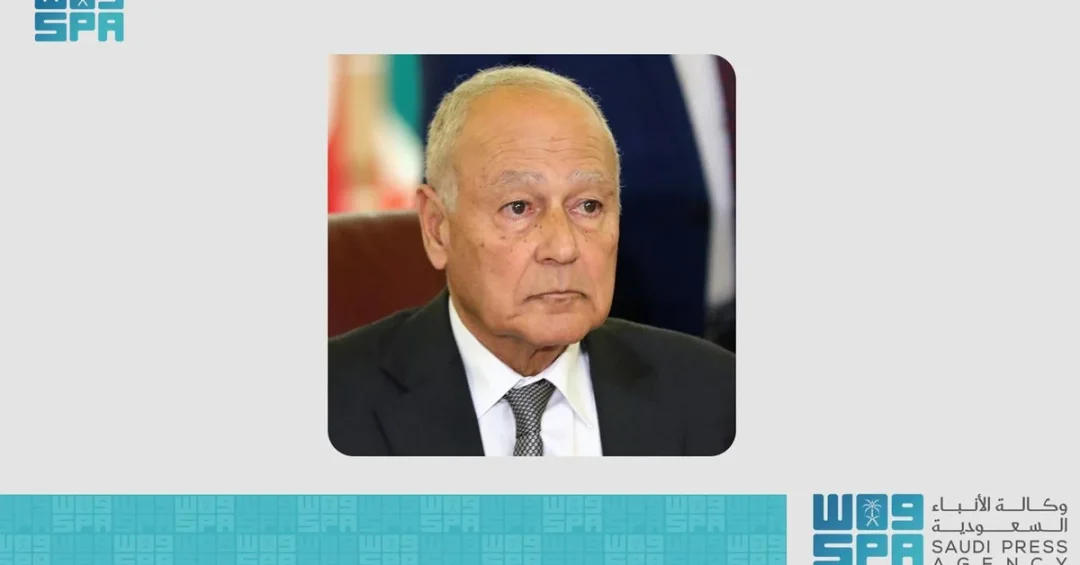
The Arab League has reaffirmed its unwavering support for the Brazilian initiative to establish a Global Alliance against Hunger and Poverty, declaring its backing during a high-level session at the G20 Summit in Rio de Janeiro, Brazil. The announcement, carried by the Saudi Press Agency, underscores a growing international consensus that hunger and poverty remain among the most pressing global challenges of our time and require coordinated, cross-border action.
The support was declared by Secretary General of the Arab League Ahmed Aboul Gheit in a session titled “Initiative to Combat Poverty and Hunger,” held as part of the G20 Summit in Rio de Janeiro. His remarks placed the Arab world firmly behind the Brazilian-led effort and highlighted the importance of collective action to achieve shared development goals. For observers of multilateral diplomacy, the intervention signaled that Arab states intend to be active participants, not passive bystanders, in shaping the global response to deprivation and food insecurity.
Context and Background
Why does the Arab League’s endorsement of a Brazilian initiative matter so much at this particular moment? Hunger and poverty have returned to the center of international policymaking after years in which they were often treated as secondary to other crises. The Global Alliance against Hunger and Poverty, launched under Brazil’s G20 presidency, is designed to mobilize governments, international organizations, development banks, and philanthropic institutions behind a single coordinated framework. Its aim is to accelerate progress toward the United Nations Sustainable Development Goals, particularly the elimination of extreme poverty and hunger by 2030.
The Arab League, formally known as the League of Arab States, represents 22 member countries across the Middle East and North Africa. Its Secretary General, Ahmed Aboul Gheit, has long argued that instability, conflict, and economic shocks disproportionately affect the poorest and most vulnerable populations. By publicly backing the Brazilian initiative, the Arab League is signaling that regional diplomacy and global development agendas are increasingly intertwined. The session in Rio de Janeiro therefore represented more than a ceremonial endorsement; it was a statement that Arab nations are prepared to help shape the rules and priorities of international cooperation.
Brazil’s decision to champion this alliance during its G20 presidency reflects a broader trend of emerging economies taking leadership roles in global governance. The initiative seeks to pool resources, share best practices, and create accountability mechanisms that keep hunger and poverty reduction at the top of national and international agendas. Arab League support adds significant political weight to that effort, given the region’s strategic location, energy resources, and growing influence in global financial institutions.
Key Details of the Endorsement
What exactly did the Arab League commit to, and how will that commitment translate into action? According to the Saudi Press Agency, Aboul Gheit highlighted the interconnection between hunger and poverty, noting that the most vulnerable populations suffer most acutely from these two scourges. He commended the efforts of the Global Alliance to address them in the Arab region and acknowledged the importance of collective action to achieve shared goals. The language was deliberate: hunger and poverty are not separate problems but mutually reinforcing conditions that trap families and communities in cycles of deprivation.
The Secretary General’s remarks also carried an implicit message about the Arab world’s own experience. Several Arab countries have made substantial progress in reducing poverty and improving food security, while others continue to face severe challenges linked to conflict, displacement, and climate stress. By aligning with the Global Alliance, the Arab League can draw on successful regional models while also attracting international support for the countries that need it most. The session in Rio de Janeiro thus served as a platform for both solidarity and practical coordination.
Notably, the endorsement came during a G20 Summit that brought together the world’s largest economies alongside invited guests and international organizations. The presence of the Arab League at such a forum reflects the region’s growing diplomatic reach. It also reinforces the principle that solutions to global problems cannot be designed in isolation from the regions where those problems are most acute. The Arab League’s participation helped ensure that the perspectives of Middle Eastern and North African states were part of the conversation from the outset.
International and Regional Impact
How will the Arab League’s support change the trajectory of the Global Alliance against Hunger and Poverty? International organizations have welcomed the endorsement as a sign that the alliance is building the broad coalition it needs to be effective. The involvement of a regional body representing 22 states gives the initiative access to a wide range of national governments, development funds, and civil society networks. It also strengthens the alliance’s legitimacy at a time when multilateral cooperation is often questioned.
Regionally, the endorsement could accelerate efforts to improve food security and social protection across the Arab world. Several Arab countries are already experimenting with targeted cash transfer programs, agricultural modernization, and regional trade agreements that reduce dependence on food imports. The Global Alliance offers a framework for scaling up these approaches and for sharing knowledge between countries facing similar challenges. For the most vulnerable populations, the practical benefit could be more reliable access to nutritious food, basic services, and economic opportunities.
The timing is also significant. Global food prices have been volatile in recent years, and climate change is intensifying pressure on agricultural systems in many parts of the world. The Arab region, with its arid climate and heavy reliance on food imports, is particularly exposed to these risks. By joining the alliance, Arab states can advocate for policies that address the specific vulnerabilities of dryland agriculture and import-dependent economies. This is not merely a matter of charity; it is a strategic investment in regional stability and prosperity.
Economic and Strategic Significance
What does the fight against hunger and poverty mean for economic growth and strategic stability? Hunger and poverty are not only humanitarian concerns; they are economic and security challenges. Malnutrition reduces productivity, limits educational attainment, and increases healthcare costs. Poverty fuels social unrest, migration, and instability. By addressing these root causes, the Global Alliance aims to create conditions for sustainable economic development that benefits both developing and developed countries.
For Saudi Arabia and its partners in the Gulf, the initiative aligns with broader efforts to diversify economies and invest in human capital. The Kingdom has consistently emphasized that stability and prosperity in the region depend on inclusive growth and opportunity for all. Supporting international efforts to combat hunger and poverty is therefore consistent with Saudi Arabia’s own development philosophy and its commitment to global humanitarian action. The Arab League’s endorsement provides a regional umbrella under which individual countries can pursue their own contributions.
International financial institutions, including development banks and sovereign wealth funds, are increasingly interested in blending public and private capital to tackle social challenges. The Global Alliance provides a platform for such collaboration, and Arab financial institutions could play a meaningful role in financing projects that improve food security, water management, and rural livelihoods. The economic returns on these investments, measured in improved health, education, and productivity, are substantial over the long term.
Vision 2030 Alignment
How does the Arab League’s support for the Global Alliance connect to Saudi Arabia’s Vision 2030? Vision 2030 is built on the conviction that economic transformation and social progress must advance together. The Kingdom’s own experience shows that reducing poverty, improving food security, and expanding opportunity are not obstacles to growth but essential foundations for it. Saudi Arabia has invested heavily in social protection, food security, and human capital development as part of its national transformation program.
By supporting the Global Alliance, the Arab League is reinforcing the same principles that guide Vision 2030: collective action, shared responsibility, and a long-term commitment to the well-being of current and future generations. The Kingdom’s leadership in regional and international forums continues to demonstrate that Saudi Arabia is not only a participant in global governance but a constructive partner in solving some of the world’s most difficult problems. The endorsement in Rio de Janeiro is another step toward a more stable, prosperous, and humane world, consistent with the aspirations of Vision 2030 and the values of the Arab world.
20 Questions
Q1. What did the Arab League reaffirm at the G20 Summit in Rio de Janeiro?
A1. The Arab League reaffirmed its unwavering support for the Brazilian initiative to establish a Global Alliance against Hunger and Poverty, emphasizing that these challenges remain among the most pressing global issues of our time.
Q2. Who declared the Arab League’s support for the initiative?
A2. Secretary General of the Arab League Ahmed Aboul Gheit declared the support during a session titled “Initiative to Combat Poverty and Hunger” held as part of the G20 Summit in Rio de Janeiro, Brazil.
Q3. What is the Global Alliance against Hunger and Poverty?
A3. It is a Brazilian-led initiative launched under Brazil’s G20 presidency to mobilize governments, international organizations, development banks, and philanthropic institutions behind a coordinated framework to eliminate extreme poverty and hunger by 2030.
Q4. Why did Aboul Gheit highlight the interconnection between hunger and poverty?
A4. He noted that the most vulnerable populations suffer most acutely from both scourges, and addressing them together is essential because hunger and poverty are mutually reinforcing conditions that trap communities in cycles of deprivation.
Q5. How many countries are represented by the Arab League?
A5. The Arab League, formally known as the League of Arab States, represents 22 member countries across the Middle East and North Africa, giving the Global Alliance access to a wide range of national governments and development funds.
Q6. Why is the Arab League’s endorsement significant for the Global Alliance?
A6. It adds significant political weight, strengthens the alliance’s legitimacy, and ensures that Middle Eastern and North African perspectives are part of the global conversation on hunger and poverty reduction.
Q7. What did Aboul Gheit commend about the Global Alliance?
A7. He commended the efforts of the Global Alliance to address hunger and poverty in the Arab region and acknowledged the importance of collective action to achieve shared development goals.
Q8. When and where did the session take place?
A8. The session titled “Initiative to Combat Poverty and Hunger” was held as part of the G20 Summit in Rio de Janeiro, Brazil, on November 19, 2024, according to the Saudi Press Agency.
Q9. What are the main goals of the Global Alliance against Hunger and Poverty?
A9. Its aims include accelerating progress toward the United Nations Sustainable Development Goals, particularly eliminating extreme poverty and hunger by 2030, by pooling resources and sharing best practices.
Q10. How does the initiative relate to the United Nations Sustainable Development Goals?
A10. The Global Alliance is designed to accelerate progress toward the UN Sustainable Development Goals, especially the elimination of extreme poverty and hunger by 2030, through coordinated international action.
Q11. Why is the Arab region particularly vulnerable to hunger and poverty challenges?
A11. The region includes countries facing conflict, displacement, and climate stress, and many Arab states have arid climates and heavy reliance on food imports, making them exposed to global food price volatility.
Q12. What role can Arab countries play in the Global Alliance?
A12. Arab countries can share successful regional models for poverty reduction, contribute to financing, and advocate for policies addressing dryland agriculture and import-dependent economies within the alliance framework.
Q13. How does the endorsement reflect Arab League’s broader diplomatic strategy?
A13. It shows the Arab League is actively shaping global governance priorities and ensuring that the perspectives of Middle Eastern and North African states are part of international conversations from the outset.
Q14. What economic benefits could come from addressing hunger and poverty?
A14. Reducing hunger and poverty improves productivity, educational attainment, and health outcomes, creating conditions for sustainable economic development that benefits both developing and developed countries.
Q15. How does Saudi Arabia’s Vision 2030 align with the Global Alliance’s objectives?
A15. Vision 2030 emphasizes that economic transformation and social progress must advance together, and Saudi Arabia has invested in social protection and food security, principles consistent with the Global Alliance’s goals.
Q16. What did the Saudi Press Agency report about the Arab League’s stance?
A16. The Saudi Press Agency reported that the Arab League reaffirmed its unwavering support for the Brazilian initiative and that Aboul Gheit highlighted the interconnection between hunger and poverty during the G20 session.
Q17. Why is collective action important in the fight against hunger and poverty?
A17. Collective action allows governments, international organizations, and financial institutions to pool resources, share knowledge, and create accountability mechanisms that keep hunger and poverty reduction at the top of global agendas.
Q18. What is the significance of the G20 Summit as a platform for this announcement?
A18. The G20 Summit brings together the world’s largest economies and international organizations, providing a high-profile forum that reinforces the principle that global problems require coordinated, cross-border solutions.
Q19. How might the Global Alliance impact food security in the Arab world?
A19. It could accelerate efforts to improve food security through targeted cash transfers, agricultural modernization, and regional trade agreements, offering more reliable access to nutritious food and economic opportunities.
Q20. What is the long-term vision behind the Global Alliance against Hunger and Poverty?
A20. The long-term vision is a world where extreme poverty and hunger are eliminated by 2030, achieved through sustained international cooperation, shared responsibility, and a commitment to the well-being of current and future generations.
Reader Feedback
We value your thoughts. Please share your feedback on this article.
Your feedback helps us improve our coverage.
Related articles
 Saudi Crown Prince Congratulates Monaco’s Prince Albert II
 King Abdulaziz Center Holds Annual Tolerance Forum in Riyadh
 Saudi Arabia Weather Forecast for Tuesday: Thunderstorms, Fog, and Wind
 5.6-Magnitude Earthquake Hits Tonga, No Damage Reported
 King Abdulaziz University Expands Oxford AI and Pharma Partnership
 Saudi Quality of Life CEO Meets UN Youth Official