


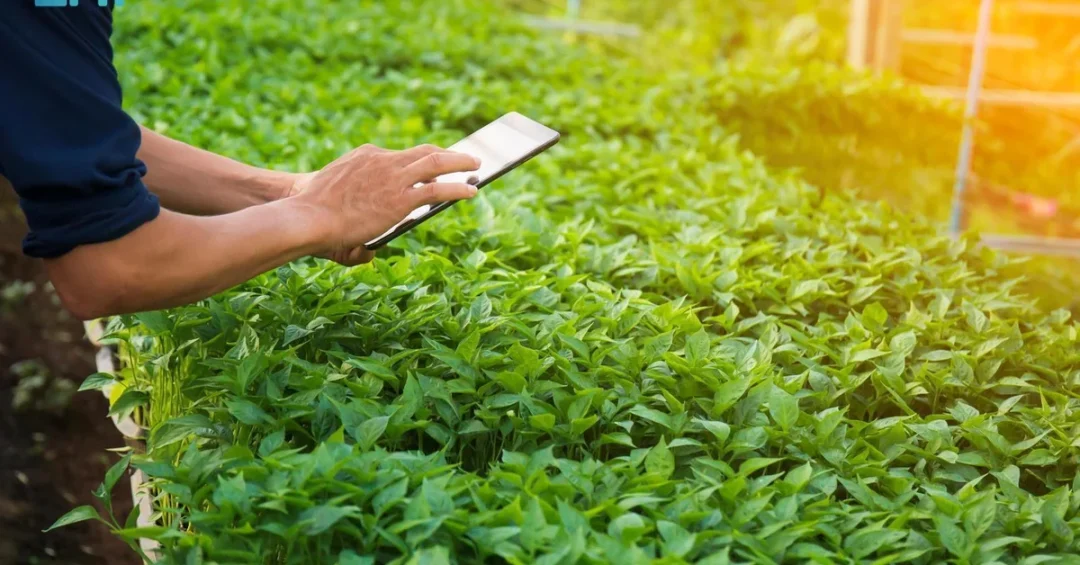
Saudi Arabia will place science, technology, and innovation at the center of the global fight against desertification when the 16th session of the Conference of the Parties (COP16) of the United Nations Convention to Combat Desertification (UNCCD) convenes in Riyadh from December 2 to 13, 2024. According to the Saudi Press Agency, a dedicated thematic day in the conference’s Green and Blue Zones will host 10 events showcasing advanced solutions and innovations designed to combat land degradation, drought, and desertification. The thematic day recognizes the essential role that technology and science now play in land conservation, and it signals the Kingdom’s determination to turn COP16 into a platform for practical, science-driven outcomes rather than rhetoric alone. Could any single gathering do more to accelerate the tools that protect the world’s soils?
The Riyadh conference arrives at a moment of genuine urgency. Soil is one of the most vital resources for life on Earth, yet it faces immense pressure from unsustainable agricultural practices and climate change, leading to rapid degradation and loss of fertility. Modern technological interventions are therefore no longer optional but essential to protect this resource and ensure its sustainability for future generations. By dedicating an entire thematic day to science, technology, and innovation, the COP16 presidency has ensured that the tools capable of reversing degradation — from satellites to biotechnology — receive the global attention they deserve. What could be more consequential than safeguarding the ground beneath our feet?
Context and Background
The UNCCD, established in 1994, is the sole legally binding international agreement linking environment and development to sustainable land management. Its Conference of the Parties meets every two years, and the 16th session in Riyadh marks the first time this critical summit is held in the Middle East and North Africa region — a region where desertification is not an abstract threat but a daily reality. Hosting COP16 reflects Saudi Arabia’s growing role in global environmental diplomacy and its recognition that land degradation is a transnational challenge requiring coordinated, evidence-based responses. The decision to dedicate a thematic day to science, technology, and innovation underscores how central research and digital tools have become to the convention’s mission.
In a world where preserving natural resources is increasingly challenging, technology has become a vital necessity to combat land degradation, which threatens food security and undermines biodiversity. The scale of the problem is staggering. According to United Nations reports, land degradation causes economic losses estimated at $490 billion annually, while degrading the productive capacity of ecosystems that billions of people depend on. These figures explain why the Riyadh thematic day is not a side event but a core component of the COP16 agenda. If the world cannot measure, monitor, and manage land health, how can it hope to restore it?
The Green and Blue Zones at COP16 will serve as dynamic spaces where governments, researchers, entrepreneurs, and civil society converge. The 10 events scheduled for the thematic day will showcase practical experiences from many countries, demonstrating the potential of modern technology in combating land degradation. This includes monitoring soil health and analyzing its data with unprecedented precision, providing the means to enhance environmental land management and deliver innovative solutions to mitigate degradation. The emphasis on tangible demonstrations rather than theoretical discussion reflects a broader shift in environmental governance toward measurable results.
Key Details
Remote sensing, satellites, and drones are among the technologies widely used today, offering precise data on soil characteristics, including moisture, density, and fertility, to researchers, agricultural specialists, entrepreneurs, and even large-scale farmers. This data can be used to detect areas at risk of degradation early, enabling swift responses to mitigate negative effects. Reports from the European Space Agency indicate that using satellites to monitor land has helped reduce degradation by up to 15% in degraded agricultural areas across Africa in recent years. Such evidence makes a compelling case for scaling these tools globally, particularly in regions where ground-based monitoring is impractical.
Biotechnology also plays a crucial role in developing climate-resistant seeds and microorganisms that enhance soil quality. Digital technologies and artificial intelligence are utilized to analyze patterns and deliver smart, sustainable solutions. The use of artificial intelligence in exploring patterns affecting soil can enhance crop productivity by up to 25%, according to reports from the Food and Agriculture Organization (FAO). This is achieved by identifying underlying causes of soil degradation and offering intelligent solutions, such as improving irrigation systems or modifying fertilization. These technologies have paved the way for proactive decisions that are more precise and aimed at protecting and restoring soil fertility, thereby enhancing global food security.
Precision agriculture represents another frontier. It leverages sophisticated tools such as Global Positioning System (GPS), drones, and smart sensors that collect precise data on the condition of soil and crops, helping analyze the needs of agricultural areas and measure moisture and nutrient levels. FAO reports that precision agriculture can contribute to improving productivity by up to 30% and reduce water and fertilizer consumption by 15-20%, making it one of the most valuable innovations in improving the efficiency of agricultural land use. A study by the International Food Policy Research Institute (IFPRI) indicated that precision agriculture can reduce water consumption by up to 20% while decreasing fertilizer use by 15% without affecting crop productivity. Given Saudi Arabia’s own water scarcity challenges, these efficiencies carry particular weight.
International and Regional Impact
The implications of COP16’s technology focus extend far beyond the conference halls. For Africa, where agricultural lands face significant challenges due to recurrent droughts, the Water Efficient Maize for Africa (WEMA) initiative offers a powerful example. Launched to develop genetically modified corn seeds that are drought-tolerant and pest-resistant, field experiments have proved that these seeds have helped improve productivity by up to 35% under drought conditions compared to traditional seeds. According to IFPRI, the use of genetically modified seeds can increase productivity by up to 40% in arid lands. Such outcomes highlight how biotechnology, when responsibly governed, can restore the productivity of degraded lands and boost food security in areas suffering from desertification.
The 29th session of the Conference of the Parties to the United Nations Framework Convention on Climate Change, hosted in Baku, Azerbaijan, from November 11 to 22, placed emphasis on the importance of utilizing AI and large language models (LLMs) to assist farmers in various agricultural purposes. These technologies provide invaluable tools to support decision-making for agricultural researchers and specialized workers in developmental and advisory fields, helping them confront growing threats arising from the challenges of climate change. The convergence of climate and desertification agendas — symbolized by the proximity of Baku and Riyadh — creates a unique opportunity to integrate policy responses. How often do two global summits align so closely on the same set of solutions?
Technical challenges constitute a main obstacle to the implementation of modern technology to combat land degradation, primarily the lack of precision instruments and advanced software used for land monitoring in remote or developing regions, where the infrastructure needed to support these technologies is unavailable. Economic constraints represent another challenge, where modern monitoring technologies like satellites and drones are too costly to use in some countries with limited financial resources. To overcome these obstacles, there is a pressing need to adopt innovative solutions, such as adapting lower-cost technologies or using public-private sector partnerships to provide financial support. It is also essential to support government policies in applying these technologies by providing incentives and establishing well-defined policies that contribute to land sustainability.
Economic and Strategic Significance
Investing in research and development has become a critical priority, serving as the foundation for improving soil health and addressing land degradation through modern technology. Advancing research in this area can lead to innovative solutions that contribute to the restoration of degraded lands and the sustainable increase of their productive efficiency. This requires enhancing cooperation between universities, research institutions, and the private sector to ensure the development and effective application of these technologies. For Saudi Arabia, such investment aligns with a broader economic diversification agenda that seeks to build knowledge-intensive sectors and reduce reliance on hydrocarbon revenues.
There should be a concerted effort to raise awareness among farmers and provide training on modern technologies, particularly for those in rural areas who may not have adequate knowledge about utilizing new tools and technologies. Hence, it is crucial to offer training programs centered on sustainable farming methods and the utilization of contemporary technological tools. Such programs should encompass field workshops, expert-led training sessions, and continuous technical assistance to guarantee the effective implementation of these technologies. Without human capacity building, even the most advanced tools will sit unused. Can innovation succeed without the people trained to wield it?
It has become evident in recent decades that technology is not just a tool to improve agricultural productivity and combat land degradation, but also a key partner in efforts to preserve natural resources and ensure their sustainability for future generations. Field experiments and projects have demonstrated that humanity needs to continuously advance technologically to devise innovative solutions for complex environmental issues. This is crucial not only for combating desertification and soil degradation but also for restoring balance to ecosystems that have been substantially impaired. The economic case is equally compelling: every dollar invested in land restoration yields returns in food security, water savings, and climate resilience.
Vision 2030 Alignment
Saudi Arabia’s hosting of COP16 and its emphasis on science and technology resonate directly with Vision 2030, the Kingdom’s national transformation strategy. Vision 2030 seeks to diversify the economy, enhance quality of life, and position Saudi Arabia as a global leader in sustainability and innovation. The Saudi Green Initiative, launched in 2021, aims to plant 10 billion trees across the Kingdom and restore 40 million hectares of degraded land — ambitious targets that depend heavily on the very technologies being showcased at the Riyadh thematic day. By convening the world’s leading minds in land science, the Kingdom is translating its domestic commitments into global leadership.
The Riyadh conference also reinforces Saudi Arabia’s growing role as a convenor of multilateral solutions. From energy markets to climate finance, the Kingdom has increasingly positioned itself at the intersection of global challenges and practical responses. The COP16 thematic day on science, technology, and innovation is a natural extension of that role, offering a platform where researchers, entrepreneurs, and policymakers can forge partnerships that outlast the conference itself. As the world confronts the intertwined crises of land degradation, drought, and food insecurity, Saudi Arabia’s message is clear: technology, when deployed equitably and responsibly, can restore the land that sustains us all. What legacy could be more enduring than leaving future generations with fertile soil and a balanced planet?
20 Questions
Q1. What is COP16 and where is it being held?
A1. COP16 is the 16th session of the Conference of the Parties to the United Nations Convention to Combat Desertification. It is being held in Riyadh, Saudi Arabia, from December 2 to 13, 2024.
Q2. What is the focus of the thematic day at COP16 Riyadh?
A2. The thematic day focuses on science, technology, and innovation, featuring 10 events that showcase advanced solutions for land conservation, combating degradation, and addressing drought and desertification.
Q3. Why is technology important in combating land degradation?
A3. Technology enables precise monitoring of soil health, early detection of at-risk areas, and smart solutions that improve agricultural productivity while reducing water and fertilizer use, protecting resources for future generations.
Q4. How much does land degradation cost the global economy annually?
A4. According to United Nations reports, land degradation causes economic losses estimated at $490 billion annually, underscoring the urgent need for coordinated global action and investment.
Q5. What technologies are used to monitor soil health?
A5. Remote sensing, satellites, drones, GPS, and smart sensors are widely used to collect precise data on soil moisture, density, and fertility, helping researchers and farmers make informed decisions.
Q6. How much can satellites reduce land degradation?
A6. Reports from the European Space Agency indicate that using satellites to monitor land has helped reduce degradation by up to 15% in degraded agricultural areas across Africa in recent years.
Q7. What role does artificial intelligence play in agriculture?
A7. AI analyzes patterns affecting soil, enhancing crop productivity by up to 25% through improved irrigation and fertilization strategies, according to the Food and Agriculture Organization.
Q8. What is precision agriculture?
A8. Precision agriculture is a modern management approach using GPS, drones, and smart sensors to deliver tailored solutions for soil and crops, increasing productivity while reducing waste in water and fertilizers.
Q9. How much can precision agriculture improve productivity?
A9. FAO reports that precision agriculture can improve productivity by up to 30% and reduce water and fertilizer consumption by 15-20%, making it highly valuable for sustainable land use.
Q10. What did the IFPRI study find about precision agriculture?
A10. The International Food Policy Research Institute found that precision agriculture can reduce water consumption by up to 20% and fertilizer use by 15% without affecting crop productivity.
Q11. How does biotechnology help combat land degradation?
A11. Biotechnology develops climate-resistant seeds and microorganisms that enhance soil quality, improve fertility, and increase the ability of soil to retain nutrients, restoring degraded lands and boosting food security.
Q12. What is the WEMA initiative?
A12. The Water Efficient Maize for Africa initiative develops genetically modified corn seeds that are drought-tolerant and pest-resistant, improving productivity by up to 35% under drought conditions compared to traditional seeds.
Q13. How much can genetically modified seeds increase productivity in arid lands?
A13. According to the International Food Policy Research Institute, the use of genetically modified seeds can increase productivity by up to 40% in arid lands, significantly boosting food security.
Q14. What challenges hinder the adoption of modern technology?
A14. Technical challenges include a lack of precision instruments and advanced software in remote regions, while economic constraints make satellites and drones too costly for some countries with limited financial resources.
Q15. How can these challenges be overcome?
A15. Solutions include adapting lower-cost technologies, using public-private partnerships for financial support, and implementing government policies with incentives to promote land sustainability.
Q16. Why is investing in research and development critical?
A16. Research and development drive innovative solutions for restoring degraded lands and improving productive efficiency, requiring cooperation between universities, research institutions, and the private sector.
Q17. What role does training play in technology adoption?
A17. Training programs, field workshops, and continuous technical assistance raise awareness among farmers, particularly in rural areas, ensuring effective implementation of modern technologies for sustainable farming.
Q18. How does COP16 connect to the Baku climate conference?
A18. The Baku conference emphasized AI and large language models for agriculture, creating a convergence of climate and desertification agendas that Riyadh can build upon for integrated policy responses.
Q19. How does COP16 align with Saudi Vision 2030?
A19. Vision 2030 seeks economic diversification and sustainability. COP16 supports the Saudi Green Initiative’s goals to plant 10 billion trees and restore 40 million hectares of degraded land through technology.
Q20. What is the ultimate goal of the COP16 thematic day?
A20. The goal is to showcase practical, science-driven solutions that can be scaled globally to combat desertification, restore ecosystems, and ensure sustainable land management for future generations.
Reader Feedback
We value your thoughts. Please share your feedback on this article.
Your feedback helps us improve our coverage.
Related articles
 Saudi FM Leads G20 Delegation on Energy Transitions
 KAU President Discusses Cooperation with US Universities
 Saudi Arabia, Poland Agree to Bolster Digital Partnership
 Saudi Weather Forecast: Storms, Winds, Fog on Wednesday
 5.0 Magnitude Earthquake Strikes South Sandwich Islands
 Saudi Justice Minister Strengthens Ties with Hague Conference