


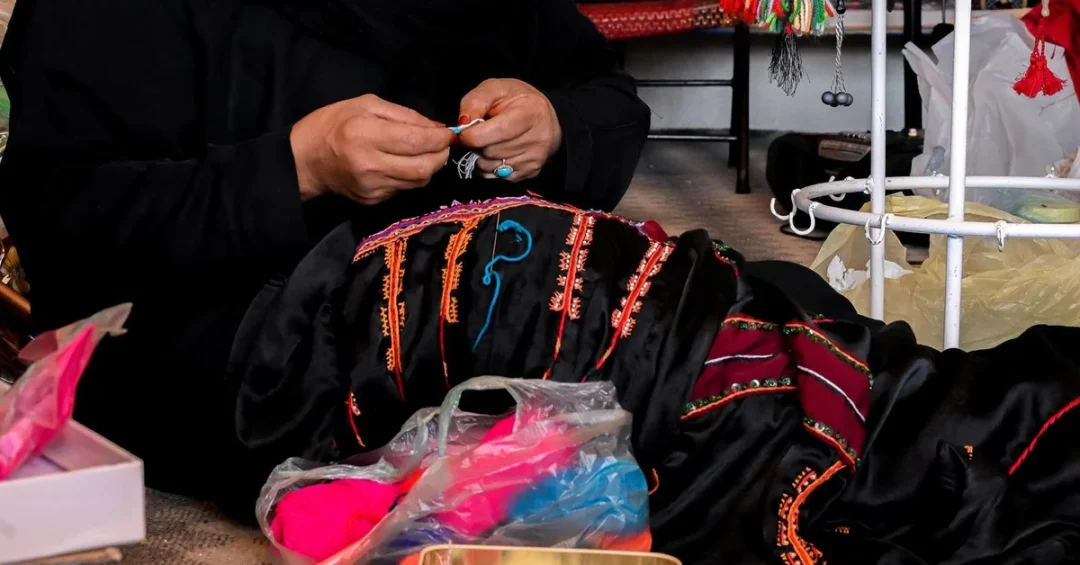
Traditional markets in Al-Baha, particularly the women’s market in Al-Aqiq governorate, are emerging as vibrant cultural and economic hubs that showcase the region’s rich heritage while empowering local women, according to the Saudi Press Agency (SPA). These markets provide a dedicated platform for women to display and sell handmade crafts, including intricate carpets, exquisite jewelry, delicious local delicacies, fragrant spices, and traditional attire, alongside natural products such as ghee, honey, and medicinal plants. The initiative reflects a broader national effort to preserve Saudi Arabia’s cultural identity while fostering economic participation among women in line with Vision 2030.
Have you ever wondered how traditional markets can serve as engines for both cultural preservation and women’s economic empowerment? In Al-Baha, a mountainous region in southwestern Saudi Arabia known for its lush landscapes and rich traditions, the women’s market in Al-Aqiq has become a model for this dual purpose. The market not only offers a commercial outlet for female artisans and entrepreneurs but also strengthens community bonds and ensures that ancestral skills are passed down to future generations. This development underscores the Kingdom’s commitment to supporting local heritage while creating sustainable economic opportunities for women across the nation.
Context and Background
What makes the women’s market in Al-Aqiq so unique within Saudi Arabia’s evolving economic landscape? Located in the Al-Baha region, which is renowned for its agricultural produce and traditional crafts, the market has long been a fixture of local life. However, in recent years, it has gained renewed prominence as part of Saudi Arabia’s broader efforts to preserve cultural heritage and promote women’s participation in the economy. The market operates as a dedicated space where women can engage in commerce freely, showcasing products that range from handwoven textiles to natural remedies. This aligns with the Kingdom’s Vision 2030, which seeks to increase women’s workforce participation and support small and medium enterprises.
Historically, markets in Al-Baha have served as gathering points for communities, facilitating trade and social interaction. The women’s market in Al-Aqiq governorate specifically caters to female vendors and customers, providing a safe and organized environment that encourages entrepreneurship. According to official Saudi sources, the government has been actively supporting these markets through infrastructure improvements and promotional initiatives. For instance, the Mayor of Aseer region, Dr. Ali bin Mohammed Al-Sawat, has emphasized the government’s commitment to empowering women by providing them with platforms to showcase their talents. This support is part of a wider strategy to boost regional economies and strengthen cultural identity across the Kingdom.
The market’s significance extends beyond mere commerce. It serves as a living museum of Al-Baha’s cultural heritage, where traditional skills such as carpet weaving, jewelry making, and spice blending are practiced and taught. Many of the products sold, like ghee, honey, and medicinal plants, are deeply rooted in the region’s natural environment and have been used for generations. By keeping these traditions alive, the market helps to safeguard intangible cultural heritage, a key objective of Saudi Arabia’s cultural preservation efforts. Moreover, it provides a space for women to exchange stories, share experiences, and inspire one another, fostering a strong sense of camaraderie and community building.
Key Details
What exactly can visitors and shoppers expect to find at these traditional markets? The women’s market in Al-Aqiq offers a diverse array of handmade goods that reflect the region’s artistic and agricultural richness. Intricate carpets, often woven with geometric patterns passed down through generations, are a highlight. Exquisite jewelry, crafted from silver and semi-precious stones, showcases the fine metalworking skills of local women. Delicious local delicacies, such as honey-based sweets and savory pastries, tempt the palate, while fragrant spices like cardamom and saffron add aroma to the shopping experience. Traditional attire, including embroidered dresses and headscarves, allows visitors to appreciate the region’s sartorial heritage.
In addition to crafts and food, the market is a source of natural products that have been integral to Al-Baha’s economy. Ghee, clarified butter made from local livestock, is prized for its rich flavor and nutritional benefits. Honey from the region’s acacia and wildflower blossoms is sought after for its quality and medicinal properties. Medicinal plants, such as chamomile and sage, are sold fresh or dried, continuing a tradition of herbal remedies that dates back centuries. These products not only generate income for women vendors but also promote sustainable use of natural resources. The market thus serves as a microcosm of the region’s economy, blending tradition with entrepreneurship.
Dr. Ali bin Mohammed Al-Sawat, Mayor of Aseer region, has underscored the government’s role in supporting these markets. “The government is committed to empowering women and ensuring they have the necessary platforms to succeed,” he stated, according to SPA. By providing a safe and organized space, the authorities aim to contribute to the economic growth of the region and strengthen its cultural identity. This support includes not only physical infrastructure but also training programs and marketing assistance to help women scale their businesses. Such measures are crucial for integrating traditional markets into the modern economy and ensuring their long-term viability.
International and Regional Impact
How do these local markets resonate on a broader international and regional scale? The women’s market in Al-Baha is part of a growing trend across Saudi Arabia where traditional crafts and local products are being promoted as unique cultural experiences for tourists. As the Kingdom opens up to international visitors under Vision 2030, such markets offer authentic encounters with Saudi heritage. They also serve as models for other regions in the Middle East and North Africa, demonstrating how women’s economic empowerment can be harmonized with cultural preservation. International organizations, including UNESCO, have recognized the importance of safeguarding intangible cultural heritage, and Saudi Arabia’s efforts in Al-Baha contribute to these global goals.
Regionally, the market fosters economic ties within the Gulf Cooperation Council (GCC) by attracting visitors and buyers from neighboring countries. The unique products, such as Al-Baha honey and handwoven carpets, are increasingly sought after in Gulf markets. Moreover, the market serves as a platform for cultural exchange, where women from different backgrounds can interact and learn from one another. This soft power dimension enhances Saudi Arabia’s image as a country that values both tradition and progress. It also aligns with the Kingdom’s diplomatic efforts to promote moderation and women’s empowerment on the world stage.
Economic and Strategic Significance
What economic and strategic benefits do these markets bring to Saudi Arabia? The women’s market in Al-Aqiq contributes directly to local employment and income generation. By providing a venue for women to sell their products, it enables them to achieve financial independence and support their families. This is particularly important in rural areas where job opportunities for women may be limited. The market also stimulates ancillary businesses, such as transportation, packaging, and tourism services. According to economic analysts, such grassroots initiatives are vital for diversifying the economy away from oil dependence, a core goal of Vision 2030.
Strategically, the market helps preserve Saudi Arabia’s cultural identity in an era of rapid modernization. By keeping traditional skills alive, it ensures that future generations remain connected to their heritage. This cultural continuity is essential for social cohesion and national pride. Furthermore, the market serves as a showcase for the Kingdom’s commitment to women’s empowerment, which is a key pillar of Vision 2030. As more women enter the workforce and start businesses, Saudi Arabia benefits from a more diverse and dynamic economy. The Al-Baha model could be replicated in other regions, amplifying its impact nationwide.
Vision 2030 Alignment
How does the women’s market in Al-Baha align with Saudi Arabia’s Vision 2030? Vision 2030 aims to increase women’s participation in the labor force from 22% to 30% and to boost the contribution of small and medium enterprises to GDP. The market directly supports these targets by providing women with entrepreneurial opportunities and a platform to grow their businesses. It also promotes the preservation of cultural heritage, which is part of the Vision’s goal to celebrate and protect Saudi identity. By empowering women economically, the market helps build a more inclusive and prosperous society, reflecting the Kingdom’s forward-looking aspirations.
In conclusion, the women’s traditional markets in Al-Baha are more than just places of commerce; they are engines of cultural preservation, women’s empowerment, and economic diversification. As Saudi Arabia continues its journey toward Vision 2030, such initiatives will play a crucial role in shaping a vibrant and resilient future. The government’s support, as highlighted by officials like Dr. Ali bin Mohammed Al-Sawat, ensures that these markets will thrive and inspire generations to come. Isn’t it inspiring to see how a local market can embody the spirit of a nation’s transformation?
20 Questions
Q1. What is the women’s market in Al-Aqiq governorate?
A1. The women’s market in Al-Aqiq governorate is a traditional marketplace in Al-Baha where local women sell handmade crafts, food products, and natural goods, serving as a cultural and economic hub.
Q2. Where is Al-Baha located?
A2. Al-Baha is a mountainous region in southwestern Saudi Arabia, known for its agricultural produce, traditional crafts, and rich cultural heritage.
Q3. What types of products are sold at the women’s market?
A3. Products include intricate carpets, jewelry, local delicacies, spices, traditional attire, ghee, honey, and medicinal plants, all handmade or sourced locally by women.
Q4. How does the market empower women economically?
A4. It provides a safe and organized platform for women to sell their goods, enabling financial independence, business growth, and support for their families.
Q5. What role does the government play in supporting these markets?
A5. The government, through officials like Mayor Dr. Ali bin Mohammed Al-Sawat, provides infrastructure, training, and marketing support to ensure the markets thrive and contribute to regional growth.
Q6. How does the market preserve cultural heritage?
A6. By keeping traditional skills like carpet weaving and jewelry making alive, the market ensures that ancestral knowledge is passed down to future generations.
Q7. What social benefits do these markets offer?
A7. They foster social interaction among women, allowing them to exchange stories, share experiences, and build a strong sense of community and camaraderie.
Q8. Are these markets open to international visitors?
A8. Yes, as Saudi Arabia opens up under Vision 2030, such markets welcome international visitors seeking authentic cultural experiences and unique local products.
Q9. How do these markets contribute to Vision 2030?
A9. They align with Vision 2030 by increasing women’s workforce participation, supporting SMEs, and preserving cultural heritage, all key objectives of the national transformation plan.
Q10. What is the significance of natural products like ghee and honey?
A10. These products are integral to Al-Baha’s economy and tradition, prized for their quality and medicinal properties, and provide sustainable income for local women.
Q11. How does the market support rural development?
A11. By creating economic opportunities in rural areas, the market helps reduce urban migration and stimulates ancillary businesses like transportation and tourism.
Q12. What challenges do women vendors face?
A12. Challenges may include access to markets, competition, and scaling businesses, but government support and training programs help mitigate these obstacles.
Q13. Can the Al-Baha model be replicated elsewhere?
A13. Yes, the model of women’s markets is being promoted across Saudi Arabia as part of efforts to empower women and preserve regional heritage.
Q14. How does the market contribute to Saudi Arabia’s cultural identity?
A14. It serves as a living museum of traditions, showcasing crafts, foods, and customs that define the Kingdom’s rich cultural tapestry.
Q15. What role do women play in the market’s success?
A15. Women are the primary vendors, artisans, and entrepreneurs, driving the market’s economic and cultural vitality through their skills and dedication.
Q16. How does the market attract tourists?
A16. It offers authentic handmade goods and cultural experiences, appealing to tourists seeking unique souvenirs and insights into Saudi heritage.
Q17. What government initiatives support women entrepreneurs?
A17. Initiatives include training programs, financial assistance, and infrastructure development, all aimed at fostering women’s economic participation.
Q18. How does the market promote sustainable practices?
A18. By selling natural and locally sourced products, the market encourages sustainable use of resources and supports environmental conservation.
Q19. What is the economic impact of the market on Al-Baha?
A19. It boosts local income, creates jobs, and stimulates related sectors, contributing to the region’s overall economic growth and diversification.
Q20. How can visitors support these women vendors?
A20. Visitors can support by purchasing products, sharing their experiences, and respecting the cultural significance of the market, thereby helping sustain livelihoods.
Reader Feedback
We value your thoughts. Please share your feedback on this article.
Your feedback helps us improve our coverage.