


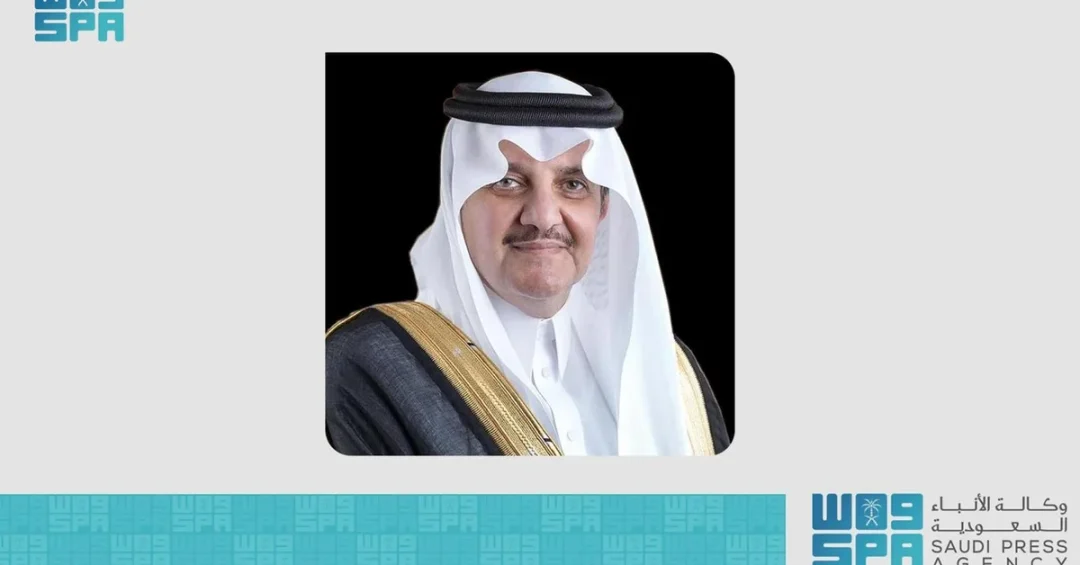
Under the patronage of Prince Saud bin Naif bin Abdulaziz, Governor of the Eastern Region, the Ministry of Environment, Water, and Agriculture (MEWA) will host the first International Forum for Saudi Reef from December 16 to 18, 2024, in Al-Ahsa, gathering global experts to empower rural communities and advance sustainable development. The announcement, issued by the Saudi Press Agency (SPA), marks a significant milestone in the Kingdom’s efforts to strengthen its agricultural sector and rural economies, positioning Saudi Arabia as a leader in sustainable rural development on the world stage. The forum is held under the auspices of the Sustainable Agricultural Rural Development Program, known as Reef Saudi, which has been recognized by the United Nations’ Food and Agriculture Organization (FAO) as the world’s largest development program of its kind. The event will bring together policymakers, agricultural experts, entrepreneurs, and international organizations to address pressing challenges facing rural communities, including rural-to-urban migration, food security, and the preservation of cultural heritage.
Why does this forum matter now, and what does it signal about Saudi Arabia’s broader ambitions? As the Kingdom accelerates its transformation under Vision 2030, the inaugural International Forum for Saudi Reef represents a strategic effort to balance rural and urban development, ensuring that the benefits of modernization reach every corner of the country. The forum will showcase Saudi Arabia’s commitment to the United Nations Sustainable Development Goals (SDGs), particularly those related to poverty eradication, zero hunger, and sustainable communities. By hosting this event, the Kingdom reinforces its role as a global convener and a model for integrating traditional agricultural practices with modern innovation. The three-day forum in Al-Ahsa, a region renowned for its agricultural heritage and date palm oases, underscores the importance of local communities in driving national progress and international cooperation.
Context and Background
How did Saudi Arabia become a global leader in rural development? The answer lies in the visionary Sustainable Agricultural Rural Development Program, Reef Saudi, launched in 2019 as part of the Kingdom’s broader efforts to diversify its economy and support rural livelihoods. The program, which operates under the Ministry of Environment, Water, and Agriculture, has supported more than 77,000 agricultural projects, representing over 65% of its targets in vital sectors such as beekeeping, coffee cultivation, fruit farming, and livestock rearing. The FAO’s recognition of Reef Saudi as the world’s largest development program of its kind highlights the Kingdom’s scale of ambition and its effective implementation. The program addresses multiple dimensions of rural development, from increasing agricultural productivity to creating jobs and preserving the cultural heritage of Saudi Arabia’s diverse regions.
The decision to host an international forum in Al-Ahsa is deeply symbolic. Al-Ahsa, located in the Eastern Province, is home to one of the world’s largest oases and has been a center of agriculture and trade for centuries. It is also a UNESCO World Heritage site, celebrated for its cultural and natural significance. By choosing Al-Ahsa as the venue, MEWA is highlighting the importance of place-based development and the potential of rural areas to contribute to national and global goals. The forum builds on the momentum of previous national initiatives and aims to create a platform for knowledge exchange, partnership building, and the scaling of successful models. The involvement of Prince Saud bin Talal bin Badr, Governor of Al-Ahsa, further demonstrates the local commitment to the forum’s success and its alignment with regional development priorities.
Key Details and Forum Objectives
What exactly will the forum achieve, and who will participate? According to Dr. Maha Aldhahi, head of the Forum’s Executive Committee, the event is designed to be a pivotal moment in advancing rural development. It will bring together global experts, government officials, representatives from international organizations, and rural entrepreneurs to discuss practical solutions for sustainable rural prosperity. Key objectives include strengthening rural communities, addressing rural-to-urban migration, and fostering global partnerships. The forum will feature plenary sessions, workshops, and networking opportunities focused on themes such as sustainable agriculture, rural entrepreneurship, food security, and the integration of traditional knowledge with modern technologies. The event will also highlight success stories from the Reef Saudi program, demonstrating how targeted support can transform rural economies and improve quality of life.
Eng. Ghassan Bakri, Secretary General of the Reef Saudi Program, emphasized that the program represents an outstanding model of sustainable development. He noted that it addresses critical issues such as food security, job creation, and the preservation of authentic cultural heritage. The forum will focus on building global partnerships, sharing best practices in sustainable agriculture and rural entrepreneurship, and showcasing how traditional agricultural techniques can be integrated with modern innovations. Bakri’s remarks underscore the program’s holistic approach, which recognizes that rural development is not only about economic growth but also about social cohesion, environmental stewardship, and cultural preservation. The forum will provide a platform for participants to learn from Saudi Arabia’s experience and to contribute their own insights, creating a two-way exchange that benefits all stakeholders.
Why is addressing rural-to-urban migration so critical for Saudi Arabia and other nations? Rural-to-urban migration is a global phenomenon that can lead to overcrowded cities, strained infrastructure, and the loss of agricultural knowledge and traditions. By creating viable economic opportunities in rural areas, Reef Saudi aims to make rural life attractive and sustainable, thereby reducing the pressure on urban centers. The forum will explore strategies to enhance rural livelihoods, improve access to services, and promote entrepreneurship as a means of retaining and attracting talent. This approach aligns with Vision 2030’s goal of achieving balanced regional development and ensuring that all citizens can participate in and benefit from the Kingdom’s progress. The forum’s outcomes will inform future policies and programs, both in Saudi Arabia and internationally.
International and Regional Impact
How will this forum influence global conversations on rural development? By hosting the first International Forum for Saudi Reef, the Kingdom is positioning itself as a thought leader and a convenor in the field of sustainable rural development. The event will attract participants from around the world, including representatives from the FAO, the United Nations, and other international bodies, as well as experts from countries facing similar challenges. The forum’s emphasis on global partnerships and knowledge sharing reflects Saudi Arabia’s commitment to international cooperation and its belief that sustainable development requires collective action. The outcomes of the forum, including recommendations and best practices, are expected to contribute to global efforts to achieve the SDGs and to shape the future of rural development policy.
What does this mean for the region? The Middle East and North Africa region faces significant challenges related to water scarcity, climate change, and rural poverty. Saudi Arabia’s experience with Reef Saudi offers valuable lessons for neighboring countries seeking to revitalize their rural economies. The forum will provide a platform for regional dialogue and cooperation, potentially leading to joint initiatives and partnerships. Moreover, by showcasing Al-Ahsa’s agricultural heritage and modern development, the forum will boost tourism and investment in the Eastern Province, contributing to the region’s economic diversification. The event also reinforces Saudi Arabia’s role as a stabilizing and progressive force in the region, promoting prosperity and stability through sustainable development.
Economic and Strategic Significance
Why is rural development a strategic imperative for Saudi Arabia’s economy? Agriculture and rural industries contribute to economic diversification, a core goal of Vision 2030. By supporting small-scale farmers, beekeepers, and rural entrepreneurs, Reef Saudi helps to create jobs, increase incomes, and reduce dependency on oil revenues. The program’s focus on high-value sectors such as coffee, honey, and fruit production aligns with the Kingdom’s efforts to boost non-oil exports and achieve food security. The forum will highlight investment opportunities in rural areas and encourage private sector participation, which is essential for scaling up successful projects. Furthermore, the integration of modern technologies such as smart irrigation, precision farming, and digital market platforms can significantly enhance productivity and sustainability, making rural areas more attractive for investment and innovation.
What role does food security play in Saudi Arabia’s national strategy? Food security is a top priority for the Kingdom, given its arid climate and reliance on imports for many food products. Reef Saudi contributes to food security by supporting local production of fruits, vegetables, honey, and livestock, reducing the need for imports and enhancing the resilience of the food supply chain. The forum will address innovative solutions for sustainable agriculture in water-scarce environments, including water-efficient irrigation systems and the use of renewable energy. These discussions are crucial as climate change intensifies pressures on global food systems. By sharing its expertise and learning from others, Saudi Arabia can strengthen its own food security while contributing to global food security efforts.
Vision 2030 Alignment
How does the International Forum for Saudi Reef embody the goals of Vision 2030? Vision 2030 is a comprehensive plan to transform Saudi Arabia’s economy and society, with a strong emphasis on sustainable development, economic diversification, and improving the quality of life for all citizens. The forum directly supports several Vision 2030 objectives, including the development of rural areas, the empowerment of communities, the creation of job opportunities, and the preservation of cultural heritage. It also aligns with the Vision’s focus on international cooperation and the Kingdom’s desire to play a leading role in global affairs. By hosting this forum, Saudi Arabia demonstrates its commitment to achieving the SDGs and to sharing its knowledge and experience with the world.
What can the world expect next from Saudi Arabia’s rural development journey? The first International Forum for Saudi Reef is not an endpoint but a beginning. It will set the stage for ongoing international collaboration, innovation, and investment in rural communities. The Kingdom is expected to continue expanding the Reef Saudi program, reaching more beneficiaries and scaling up successful models. The forum’s legacy will be measured in the partnerships formed, the solutions implemented, and the lives improved. As Saudi Arabia marches toward Vision 2030, its rural areas will play an increasingly vital role in the nation’s prosperity, and the world will be watching closely. The forum in Al-Ahsa is a clear signal that Saudi Arabia is ready to lead, collaborate, and inspire on the global stage.
20 Questions
Q1. What is the International Forum for Saudi Reef?
A1. The International Forum for Saudi Reef is the first global gathering dedicated to rural development, hosted by Saudi Arabia’s Ministry of Environment, Water, and Agriculture, aiming to empower rural communities and share best practices.
Q2. When and where will the forum take place?
A2. The forum will be held from December 16 to 18, 2024, in Al-Ahsa, Eastern Province, Saudi Arabia, under the patronage of Prince Saud bin Naif bin Abdulaziz.
Q3. Who is sponsoring the forum?
A3. Prince Saud bin Naif bin Abdulaziz, Governor of the Eastern Region, is sponsoring the forum, with support from Prince Saud bin Talal bin Badr, Governor of Al-Ahsa.
Q4. What is the Reef Saudi Program?
A4. Reef Saudi is the Sustainable Agricultural Rural Development Program, launched in 2019 to support rural communities, enhance agricultural productivity, and preserve cultural heritage across the Kingdom.
Q5. How many projects has Reef Saudi supported?
A5. Reef Saudi has supported more than 77,000 agricultural projects, representing over 65% of its targets in vital sectors such as beekeeping, coffee, fruit farming, and livestock.
Q6. What recognition has Reef Saudi received?
A6. The United Nations’ Food and Agriculture Organization (FAO) has recognized Reef Saudi as the world’s largest development program of its kind, highlighting its scale and impact.
Q7. What are the main objectives of the forum?
A7. The forum aims to strengthen rural communities, address rural-to-urban migration, foster global partnerships, and promote sustainable agriculture and rural entrepreneurship.
Q8. Who is Dr. Maha Aldhahi?
A8. Dr. Maha Aldhahi is the head of the Forum’s Executive Committee and a key figure in advancing Saudi Arabia’s rural development initiatives through the Reef Saudi Program.
Q9. Who is Eng. Ghassan Bakri?
A9. Eng. Ghassan Bakri is the Secretary General of the Reef Saudi Program, responsible for overseeing its implementation and promoting sustainable development models.
Q10. Why is Al-Ahsa chosen as the venue?
A10. Al-Ahsa is a UNESCO World Heritage site with a rich agricultural heritage, making it a symbolic and fitting location to showcase rural development and cultural preservation.
Q11. How does the forum align with Vision 2030?
A11. The forum supports Vision 2030 goals by promoting balanced regional development, economic diversification, job creation, and the preservation of cultural heritage.
Q12. What role does food security play in the forum?
A12. Food security is a central theme, with discussions on sustainable agriculture, water-efficient irrigation, and local production to reduce import dependency and enhance resilience.
Q13. What is rural-to-urban migration, and why is it addressed?
A13. Rural-to-urban migration is the movement of people from rural areas to cities. The forum addresses it by creating economic opportunities in rural areas to reduce urban pressure.
Q14. How many participants are expected at the forum?
A14. The forum will bring together hundreds of participants, including global experts, government officials, international organizations, and rural entrepreneurs from around the world.
Q15. What are the expected outcomes of the forum?
A15. Expected outcomes include strengthened partnerships, shared best practices, policy recommendations, and commitments to advance sustainable rural development globally.
Q16. How does the forum promote international cooperation?
A16. By inviting global experts and organizations, the forum facilitates knowledge exchange and partnerships, positioning Saudi Arabia as a leader in sustainable rural development.
Q17. What sectors are highlighted by Reef Saudi?
A17. Reef Saudi focuses on beekeeping, coffee cultivation, fruit farming, livestock rearing, and other high-value agricultural sectors that support rural livelihoods.
Q18. How does the forum address climate change?
A18. The forum explores climate-smart agriculture, renewable energy, and water management strategies to build resilience in rural communities facing environmental challenges.
Q19. What is the significance of the forum for Saudi Arabia’s global image?
A19. The forum enhances Saudi Arabia’s reputation as a proactive global citizen, committed to sustainable development, international cooperation, and the achievement of the UN SDGs.
Q20. How can international participants get involved?
A20. International participants can engage through the forum’s sessions, workshops, and networking events, and by partnering with Reef Saudi to implement sustainable rural development projects.
Reader Feedback
We value your thoughts. Please share your feedback on this article.
Your feedback helps us improve our coverage.