


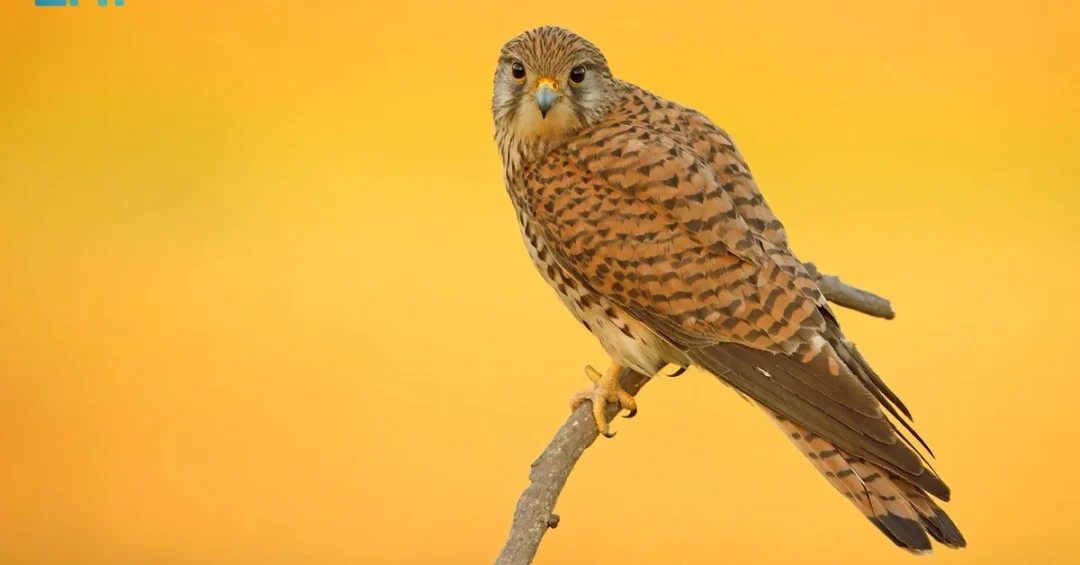
The Kestrel falcon has been identified as the most common bird species breeding within the King Salman bin Abdulaziz Royal Reserve, the Kingdom’s largest protected area, according to information released through official Saudi channels. The small but remarkably agile raptor thrives across both the desert expanses and mountainous terrains that define the reserve, which extends across four administrative regions: Hail, Tabuk, Al-Jouf, and Northern Borders. The finding underscores the reserve’s growing significance as a sanctuary for biodiversity in the Arabian Peninsula and reflects the broader environmental stewardship agenda being advanced under Saudi Vision 2030. Have you ever considered how a single bird species can signal the health of an entire ecosystem?
The King Salman bin Abdulaziz Royal Reserve Development Authority has declared its commitment to joining the International Union for Conservation of Nature (IUCN) Green List, a global standard that recognises protected areas for their effective management and conservation outcomes. This commitment has directed efforts toward safeguarding natural resources, restoring ecological balance, preserving endangered wildlife, and fostering sustainable biodiversity. The reserve’s avian population now exceeds 290 documented bird species, of which 88 percent are migratory and 12 percent are permanent residents. Together, they represent 58 percent of the Kingdom’s total recorded bird species, a remarkable concentration of avian life in a single protected area. What does this extraordinary diversity tell us about the reserve’s ecological importance?
Context and Background: A Reserve of National Significance
The King Salman bin Abdulaziz Royal Reserve is not merely a patch of protected land; it is a cornerstone of Saudi Arabia’s environmental strategy. Spanning four administrative regions, it is the largest reserve in the Kingdom, encompassing a wide range of habitats from arid deserts to rugged mountains. This diversity of terrain provides critical nesting and foraging grounds for numerous species, including the Kestrel falcon, which has adapted to thrive in these varied conditions. The reserve’s designation as a royal reserve underscores the high-level commitment to conservation that runs from the highest levels of government to local communities. Why is it important for a nation to set aside such vast areas for nature?
Historically, the Arabian Peninsula’s wildlife faced pressures from habitat loss, overgrazing, and unregulated hunting. In response, Saudi Arabia has established a network of protected areas, with the King Salman bin Abdulaziz Royal Reserve standing as a flagship initiative. The reserve is managed by the King Salman bin Abdulaziz Royal Reserve Development Authority, which operates under the guidance of the Ministry of Environment, Water and Agriculture. The Authority’s work aligns with the National Environment Strategy and the Saudi Green Initiative, both of which aim to protect 30 percent of the Kingdom’s land and sea by 2030. How does the Kestrel falcon’s prevalence reflect the success of these policies?
The Kestrel falcon, known for its diminutive size, light build, and agile take-off, is a species that adapts well to diverse environments. Its presence as the most common breeding species in the reserve suggests that the habitat quality is high and that prey availability is sufficient to support a stable population. This is a positive indicator for the overall health of the ecosystem, as raptors are often considered apex predators whose numbers reflect the abundance of smaller birds, rodents, and insects. In a region where water is scarce and temperatures can be extreme, the Kestrel’s success is a testament to the reserve’s effective management. What other species might be benefiting from these conservation efforts?
Key Details: The Kestrel Falcon and Its Habitat
The Kestrel falcon is a small raptor that belongs to the genus Falco, which includes other falcons such as the Peregrine and the Saker. Within the King Salman bin Abdulaziz Royal Reserve, the Kestrel is found in both desert landscapes and mountainous terrains, demonstrating its adaptability. It comes in a diverse range of hues, from pale rufous to darker browns, which helps it blend into its surroundings. Its light build allows for rapid take-offs and agile manoeuvres, essential for hunting small birds, lizards, and insects. The species is known to nest in rock crevices, abandoned buildings, and sometimes in trees, depending on the availability of suitable sites. How does such a small bird manage to thrive in one of the world’s most challenging environments?
The reserve’s avian diversity is staggering: over 290 documented bird species, with 88 percent being migratory and 12 percent permanent residents. This means that the reserve serves as a vital stopover for birds travelling along the African-Eurasian flyway, one of the world’s major migratory routes. The fact that these species represent 58 percent of all bird species recorded in the Kingdom highlights the reserve’s role as a biodiversity hotspot. For the Kestrel, being a permanent resident, the reserve provides year-round habitat, while migratory species benefit from its resources during their seasonal journeys. What would happen to these migratory birds if the reserve were not protected?
The King Salman bin Abdulaziz Royal Reserve Development Authority has been actively working to restore ecological balance. This includes measures such as banning grazing in certain areas, replanting native vegetation, and reintroducing species that had disappeared. The Authority also conducts regular wildlife surveys to monitor populations and assess the effectiveness of conservation actions. The Kestrel falcon’s status as the most common breeding species is likely a result of these efforts, as the bird requires a stable food chain and safe nesting sites. The Authority’s commitment to the IUCN Green List further demonstrates its dedication to international best practices in conservation. What does it take for a protected area to achieve IUCN Green List status?
International and Regional Impact: A Model for Conservation
Saudi Arabia’s efforts to protect the King Salman bin Abdulaziz Royal Reserve have implications that extend beyond its borders. The reserve is part of a larger regional network of protected areas that span the Arabian Peninsula, including sites in Jordan, Iraq, and the Gulf states. By safeguarding migratory bird populations, the reserve contributes to global biodiversity targets set under the Convention on Biological Diversity and the Sustainable Development Goals. The IUCN Green List is a globally recognised standard, and the reserve’s pursuit of it signals to the international community that Saudi Arabia is serious about environmental stewardship. How might this influence conservation policies in neighbouring countries?
Regionally, the reserve’s success story can serve as a model for other arid nations facing similar challenges. The Middle East is particularly vulnerable to climate change, with rising temperatures and declining rainfall threatening ecosystems. By demonstrating that effective management can sustain biodiversity even in harsh conditions, the King Salman bin Abdulaziz Royal Reserve offers a blueprint for resilience. The reserve also supports scientific research, with ornithologists and ecologists studying the Kestrel and other species to better understand adaptation and migration patterns. This research can inform conservation strategies across the region. What lessons can other countries learn from Saudi Arabia’s approach?
Economic and Strategic Significance: Beyond Conservation
While the primary purpose of the King Salman bin Abdulaziz Royal Reserve is conservation, its existence also brings economic and strategic benefits. The reserve is increasingly becoming a destination for eco-tourism, attracting visitors interested in wildlife watching and experiencing Saudi Arabia’s natural heritage. This aligns with Vision 2030’s goal to diversify the economy and promote sustainable tourism. The reserve’s unique landscapes and rich biodiversity offer opportunities for guided tours, educational programmes, and research expeditions, creating jobs and supporting local communities. How can eco-tourism be developed without harming the very environment it seeks to showcase?
Strategically, the reserve contributes to Saudi Arabia’s food and water security by protecting watersheds and maintaining ecological balance. Healthy ecosystems provide services such as pollination, pest control, and soil fertility, which are essential for agriculture and human well-being. The reserve also serves as a natural laboratory for studying climate change impacts, helping the Kingdom adapt to environmental challenges. By investing in conservation, Saudi Arabia is investing in its long-term stability and prosperity. What role does biodiversity play in a nation’s economic resilience?
Vision 2030 Alignment: A Sustainable Future
The King Salman bin Abdulaziz Royal Reserve is a tangible expression of Saudi Vision 2030’s environmental pillar. The Vision aims to protect the environment, promote renewable energy, and ensure sustainable development. The reserve’s management practices, including its pursuit of IUCN Green List status, align with the Vision’s targets to preserve natural resources for future generations. The Saudi Green Initiative, launched by His Royal Highness Crown Prince Mohammed bin Salman, seeks to plant 10 billion trees and protect 30 percent of the Kingdom’s land and sea. The reserve is a key part of this initiative, demonstrating how conservation can be integrated with national development. How does protecting a single falcon species contribute to such grand goals?
As the Kestrel falcon continues to thrive in the King Salman bin Abdulaziz Royal Reserve, it symbolises the success of Saudi Arabia’s environmental policies and its commitment to a sustainable future. The reserve’s achievements in biodiversity conservation, coupled with its alignment with Vision 2030, position the Kingdom as a leader in environmental stewardship in the region and beyond. The Kestrel’s presence is not just a biological fact; it is a sign that the Kingdom’s efforts to restore ecological balance are working. With continued dedication, the reserve will remain a sanctuary for wildlife and a source of national pride. What legacy will we leave for the next generation if we continue on this path?
20 Questions
Q1. What is the most common bird species breeding in the King Salman bin Abdulaziz Royal Reserve?
A1. The Kestrel falcon is the most common bird species breeding in the reserve, according to official Saudi information. It thrives in both desert and mountainous terrains.
Q2. Where is the King Salman bin Abdulaziz Royal Reserve located?
A2. The reserve extends across four administrative regions: Hail, Tabuk, Al-Jouf, and Northern Borders. It is the Kingdom’s largest reserve.
Q3. How many bird species have been documented in the reserve?
A3. Over 290 bird species have been documented in the reserve, representing 58 percent of all bird species recorded in the Kingdom.
Q4. What percentage of the reserve’s birds are migratory?
A4. Approximately 88 percent of the documented bird species are migratory, while 12 percent are permanent residents.
Q5. What is the IUCN Green List?
A5. The IUCN Green List is a global standard recognising protected areas for effective management and conservation outcomes. The reserve’s authority has committed to joining it.
Q6. What are the key features of the Kestrel falcon?
A6. The Kestrel is small, light-built, and agile, with a diverse range of hues. It is known for its quick take-off and adaptability to various habitats.
Q7. Why is the Kestrel falcon important to the reserve’s ecosystem?
A7. As a raptor, the Kestrel helps control populations of small birds, rodents, and insects. Its prevalence indicates a healthy food chain and stable habitat.
Q8. What efforts has the reserve’s authority made for conservation?
A8. The authority has focused on safeguarding natural resources, restoring ecological balance, preserving endangered wildlife, and fostering sustainable biodiversity.
Q9. How does the reserve contribute to Saudi Vision 2030?
A9. It aligns with Vision 2030’s environmental goals, including the Saudi Green Initiative, which aims to protect 30 percent of the Kingdom’s land and sea.
Q10. What is the significance of the reserve being the largest in the Kingdom?
A10. Its size allows for diverse habitats, supporting a wide range of species. It also provides ample space for conservation and research.
Q11. Are there other bird species of note in the reserve?
A11. Yes, the reserve hosts over 290 species, including migratory birds that use it as a stopover along the African-Eurasian flyway.
Q12. How does the reserve support migratory birds?
A12. It provides critical stopover habitat with food and rest for birds travelling between Africa and Eurasia, contributing to global biodiversity.
Q13. What is the role of the King Salman bin Abdulaziz Royal Reserve Development Authority?
A13. The authority manages the reserve, implements conservation programmes, and works toward international standards like the IUCN Green List.
Q14. How can the public visit the reserve?
A14. The reserve is developing eco-tourism opportunities, including guided tours. Visitors should check with the authority for current access and regulations.
Q15. What threats does the Kestrel falcon face?
A15. Like many raptors, it faces habitat loss and human disturbance. However, within the reserve, it is protected and its population is stable.
Q16. How does the reserve balance conservation with tourism?
A16. The authority promotes sustainable eco-tourism that minimises impact, with guided tours and educational programmes that respect wildlife.
Q17. What research is being conducted in the reserve?
A17. Research includes wildlife surveys, migration studies, and ecological monitoring to inform conservation strategies and assess biodiversity.
Q18. How does the reserve compare to other protected areas in Saudi Arabia?
A18. As the largest reserve, it plays a leading role in the Kingdom’s conservation network, setting benchmarks for management and biodiversity protection.
Q19. What can international audiences learn from the reserve?
A19. It demonstrates that effective conservation is possible in arid environments, offering a model for other regions facing similar challenges.
Q20. What is the future outlook for the Kestrel falcon in the reserve?
A20. With ongoing conservation efforts and the reserve’s commitment to international standards, the Kestrel population is expected to remain stable and thrive.
Reader Feedback
We value your thoughts. Please share your feedback on this article.
Your feedback helps us improve our coverage.