


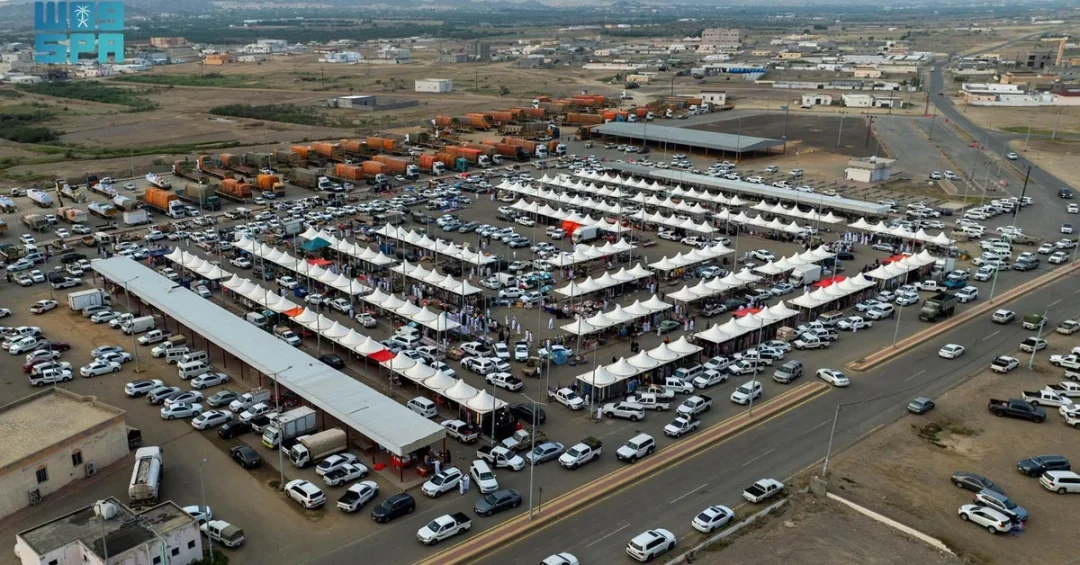
Located 40 kilometers east of Al-Qunfudah Governorate, the traditional Bani Issa market in Sabt Aljarah district stands as one of the oldest and most extensive traditional markets in the region, offering a vibrant tapestry of Saudi heritage and craftsmanship. According to the Saudi Press Agency (SPA), this weekly market, open every week after Friday prayers until the end of Saturday evening, serves as a cultural bridge connecting the past and present, attracting shoppers and tourists from various regions. Have you ever wondered how a centuries-old market continues to thrive in today’s modern world?
The Bani Issa market is not merely a place of trade; it is a living museum of Saudi traditions, where the diverse cultures of the Tihama and Hijaz regions come together. As a heritage tourist destination, it showcases the Kingdom’s rich history and skilled craftsmanship, with products steeped in a legacy that mirrors the cultural essence of both the governorate and the Kingdom at large. In a rapidly modernizing Saudi Arabia, such markets remain vital threads in the fabric of national identity, offering international visitors and locals alike an authentic experience of Saudi traditions. How does this market contribute to the preservation of Saudi Arabia’s cultural heritage?
Context and Background
The Bani Issa market is situated in the Sabt Aljarah district, approximately 40 kilometers east of Al-Qunfudah Governorate. Known locally as one of the oldest and most extensive traditional markets, it has been a focal point for trade and cultural exchange for generations. The market operates weekly, opening after Friday prayers and continuing until the end of Saturday evening, providing a regular opportunity for vendors and visitors to gather. This schedule aligns with traditional Saudi customs, where weekly markets serve as social and economic hubs for surrounding communities. Have you considered the historical significance of such markets in the Arabian Peninsula?
Al-Qunfudah Governorate, located in the Makkah Province, is renowned for its rich cultural heritage and strategic location along the Red Sea coast. The market’s name, Bani Issa, reflects the tribal heritage of the area, highlighting the deep-rooted connections between the land and its people. Over the years, the market has evolved into a tourist hotspot, attracting visitors from within Saudi Arabia and beyond. Its continued operation is a testament to the Kingdom’s commitment to preserving its cultural legacy while embracing modernization. How does the market balance tradition with the demands of contemporary tourism?
Moreover, the market’s location near Wadi Qununa, a natural park with green spaces and flowing water, enhances its appeal as a tourist destination. Visitors can enjoy the serene environment while exploring the market’s offerings. This integration of natural beauty with cultural heritage creates a unique experience that aligns with Saudi Arabia’s Vision 2030 goals of promoting tourism and diversifying the economy. What role do natural attractions play in enhancing cultural tourism in Saudi Arabia?
Key Details
The Bani Issa market offers a diverse array of goods that reflect the region’s heritage and craftsmanship. Among the stalls, one can find traditional items such as swords, daggers, jewelry, old utensils, and agricultural tools. These products are not just commodities but artifacts that narrate the history and skills of Saudi artisans. Additionally, the market displays an array of grains, fruits, dates, sweets, natural products like ghee, local honey, sesame oil, and homemade food. Meat, fish, household goods, women’s clothing, and aromatic plants are also available, catering to a wide range of needs. Have you ever tasted the pure, natural honey from this region?
A dedicated section for livestock and fodder further underscores the market’s role in supporting local agriculture and rural economies. This area allows farmers and herders to trade animals and supplies, contributing to the livelihoods of many families. The market also features seating areas for visitors to relax and enjoy the surroundings, making it a social gathering place as much as a commercial one. The proximity to Wadi Qununa provides a picturesque backdrop, with its green spaces and flowing water offering a refreshing escape. How do these elements combine to create a holistic cultural experience?
The market’s weekly schedule, from Friday afternoon to Saturday evening, is designed to accommodate the local community’s routines and attract weekend visitors. This timing allows families to visit after prayers, combining spiritual observance with leisure and commerce. For tourists, it presents an opportunity to immerse themselves in Saudi traditions, interact with local vendors, and purchase authentic handicrafts. The market’s accessibility and variety of goods make it a must-visit destination for those exploring the Al-Qunfudah region. What unique treasures might you discover at the Bani Issa market?
International and Regional Impact
As a heritage tourist destination, the Bani Issa market plays a significant role in attracting international and regional visitors to the Al-Qunfudah Governorate. Tourists from neighboring Gulf countries and beyond are drawn to its authentic atmosphere, seeking an experience that differs from commercial shopping malls. The market serves as a cultural ambassador, showcasing Saudi hospitality and traditions to a global audience. In turn, this boosts local tourism revenues and encourages cross-cultural exchange. How can such markets enhance Saudi Arabia’s image as a welcoming tourist destination?
Regionally, the market strengthens ties between the Tihama and Hijaz cultures, acting as a meeting point for people from different backgrounds. It also supports the local economy by providing a platform for small businesses and artisans to reach a broader customer base. The presence of international tourists contributes to foreign exchange earnings and promotes the Kingdom’s tourism sector. Furthermore, the market’s emphasis on traditional crafts and products helps preserve intangible cultural heritage, which is increasingly valued worldwide. What impact does this have on the global perception of Saudi Arabia’s cultural diversity?
Economic and Strategic Significance
Economically, the Bani Issa market is a vital engine for local commerce, supporting vendors, farmers, and craftsmen. The sale of livestock, agricultural produce, and handmade goods generates income for many families in the Al-Qunfudah area. As a tourist attraction, it also stimulates spending in related sectors such as transportation, accommodation, and food services. This multiplier effect contributes to the region’s economic development and aligns with Vision 2030’s goal of diversifying income sources beyond oil. How does the market contribute to the national economy beyond its local impact?
Strategically, the market serves as a tool for cultural diplomacy, promoting Saudi Arabia’s rich heritage to international visitors. By preserving and promoting such sites, the Kingdom demonstrates its commitment to safeguarding cultural identity while opening up to the world. The market’s success as a tourist destination can be replicated in other regions, creating a network of heritage sites that collectively enhance Saudi Arabia’s tourism offerings. This strategic approach supports the Kingdom’s broader goals of increasing tourism’s contribution to GDP and creating jobs for Saudi citizens. What other hidden gems might be developed in similar ways?
Vision 2030 Alignment
The Bani Issa market exemplifies the principles of Saudi Arabia’s Vision 2030, which seeks to diversify the economy, promote tourism, and preserve cultural heritage. By attracting tourists and supporting local businesses, the market contributes to the growth of the tourism sector, a key pillar of the Vision. It also empowers local communities by providing economic opportunities and fostering pride in cultural traditions. The market’s integration with natural attractions like Wadi Qununa highlights the potential for sustainable tourism development that benefits both people and the environment. How does this align with the Vision’s emphasis on quality of life?
Under the leadership of the Kingdom, initiatives to develop and promote heritage sites are part of a broader strategy to showcase Saudi Arabia’s unique identity to the world. The Bani Issa market stands as a shining example of how tradition and modernity can coexist, offering a model for other regions to follow. As the Kingdom continues its journey of transformation, such destinations will play an increasingly important role in attracting visitors, creating jobs, and strengthening the national economy. What does the future hold for Saudi Arabia’s traditional markets in the age of Vision 2030?
20 Questions
Q1. What is the Bani Issa market and where is it located?
A1. The Bani Issa market is a traditional market located 40 kilometers east of Al-Qunfudah Governorate in the Sabt Aljarah district. It is one of the oldest and most extensive traditional markets in the region.
Q2. When is the Bani Issa market open?
A2. The market opens every week after Friday prayers and remains open until the end of Saturday evening, allowing visitors to shop and explore during the weekend.
Q3. What types of products are sold at the market?
A3. The market offers a variety of traditional items such as swords, daggers, jewelry, old utensils, agricultural tools, grains, fruits, dates, sweets, natural products like ghee and honey, meat, fish, household goods, women’s clothing, and aromatic plants.
Q4. Is there a section for livestock at the market?
A4. Yes, the market has a dedicated section for livestock and fodder, where farmers and herders can trade animals and supplies.
Q5. What is the significance of the market’s location near Wadi Qununa?
A5. The proximity to Wadi Qununa, a natural park with green spaces and flowing water, enhances the market’s appeal as a tourist destination, offering visitors a serene environment to relax and enjoy.
Q6. How does the market reflect Saudi heritage?
A6. The market displays the diverse Saudi heritage and the cultures of the Tihama and Hijaz regions through its traditional products, craftsmanship, and the customs of the vendors, acting as a bridge between the past and present.
Q7. Who visits the Bani Issa market?
A7. The market attracts shoppers and tourists from various regions, including international tourists and Saudi visitors who wish to experience authentic Saudi traditions.
Q8. What role does the market play in the local economy?
A8. The market supports local commerce by providing a platform for vendors, farmers, and craftsmen to sell their goods, generating income for families and stimulating related sectors such as transportation and food services.
Q9. How does the market contribute to tourism in Al-Qunfudah?
A9. As a heritage tourist destination, the market draws visitors to Al-Qunfudah, boosting tourism revenues and promoting the region’s cultural and natural attractions.
Q10. Are there seating areas for visitors?
A10. Yes, the market provides seating areas for visitors to relax and enjoy the surroundings, making it a comfortable and social experience for all.
Q11. What natural products are available at the market?
A11. Natural products include ghee, local honey, sesame oil, and other homemade foods, which are popular among visitors for their quality and authenticity.
Q12. How does the market preserve traditional crafts?
A12. By offering traditional items like swords, daggers, and jewelry made by skilled artisans, the market helps preserve and promote traditional crafts, ensuring they are passed down to future generations.
Q13. Is the market accessible to international tourists?
A13. Yes, the market welcomes international tourists and provides an opportunity for them to experience Saudi culture and traditions firsthand.
Q14. What is the cultural significance of the Tihama and Hijaz regions in the market?
A14. The market showcases the cultures of the Tihama and Hijaz regions, highlighting the diversity within Saudi Arabia and enriching the visitor experience with a blend of traditions.
Q15. How does the market align with Vision 2030?
A15. The market aligns with Vision 2030 by promoting tourism, preserving cultural heritage, and supporting local economies, contributing to the diversification of income sources and job creation.
Q16. What types of food are available at the market?
A16. Visitors can find a range of foods including grains, fruits, dates, sweets, homemade dishes, meat, and fish, offering a taste of local cuisine.
Q17. Are there opportunities for women at the market?
A17. Yes, women can shop for clothing and other goods, and some may also be vendors, contributing to the market’s vibrant atmosphere.
Q18. How does the market support local farmers?
A18. The market provides a direct outlet for farmers to sell their produce and livestock, helping them reach a wider customer base and sustain their livelihoods.
Q19. What makes the Bani Issa market unique compared to other markets?
A19. Its rich heritage, diverse products, and scenic location near Wadi Qununa make it a unique destination that combines culture, nature, and commerce.
Q20. How can visitors learn more about the market?
A20. Visitors can explore the market in person or seek information from official Saudi tourism sources, which highlight its historical and cultural significance.
Reader Feedback
We value your thoughts. Please share your feedback on this article.
Your feedback helps us improve our coverage.
Related articles
 AROYA Cruise Maiden Voyage on December 16 Red Sea
 Madinah Winter Campaign: Cultural Tours and Experiences
 SRSA Issues First International Marina License to Jeddah Yacht Club
 Grand Mosque Expands Services for Elderly and Disabled Umrah Pilgrims
 GACA Approves Transavia France Flights to Jeddah
 Air France-KLM to Expand Footprint in Saudi Arabia