


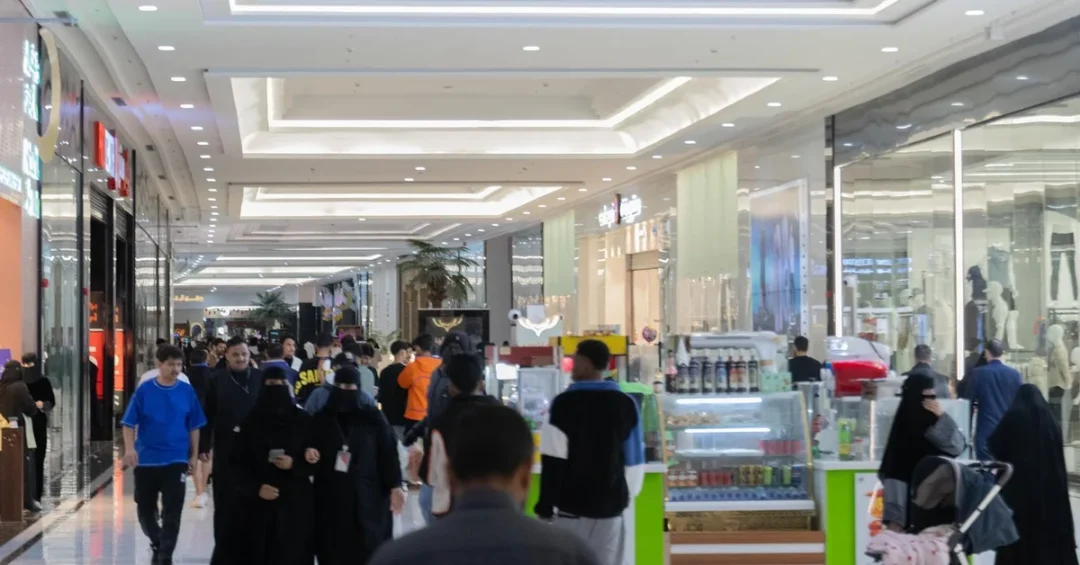
Local markets and modern shopping malls across the Northern Borders Region are experiencing a surge in commercial activity as residents prepare for Eid Al-Fitr, with stores crowded with shoppers seeking clothing, gifts, and other festive essentials, according to the Saudi Press Agency (SPA). The seasonal rush, which continues late into the night, reflects both the economic vitality of the region and the enduring social importance of Eid celebrations in the Kingdom of Saudi Arabia. Retailers have responded by stocking a wide and diverse selection of men’s, women’s, and children’s clothing, while promotional offers attract customers from across the region.
The Northern Borders Region, with its capital Arar, has long served as a commercial gateway connecting the Kingdom to neighboring markets, and the current uptick in shopping activity underscores the area’s growing role in Saudi Arabia’s retail landscape. As families gather to mark the end of the holy month of Ramadan, the bustling markets offer a vivid illustration of how traditional and modern commerce coexist in the Kingdom. The scene also highlights the effectiveness of coordinated efforts by government agencies to ensure a safe, well-regulated shopping environment during one of the busiest periods of the year.
Context and Background
Why does the Eid shopping season hold such significance for communities in the Northern Borders Region? For decades, the region’s markets have been central to the social and economic life of its residents, serving not only as places of trade but also as gathering spaces where traditions are passed down through generations. Eid Al-Fitr, which marks the conclusion of Ramadan, is one of the most important occasions in the Islamic calendar, and preparations for the holiday typically begin weeks in advance. Families purchase new clothes for children, gifts for relatives, and special foods to share during festive gatherings, driving a predictable yet powerful wave of consumer spending.
In recent years, the Northern Borders Region has witnessed substantial development under Saudi Arabia’s Vision 2030, with improved infrastructure, expanded retail spaces, and a growing population contributing to a more dynamic local economy. The emergence of modern shopping malls alongside traditional souqs has created a competitive retail environment that benefits consumers through greater choice and competitive pricing. According to official Saudi sources, this dual retail ecosystem is particularly visible during peak seasons such as Eid, when both established marketplaces and contemporary commercial centers report elevated foot traffic and sales.
The region’s strategic location near the borders with Jordan and Iraq further enhances its commercial importance. Trade routes that have existed for centuries continue to facilitate the movement of goods, and the current Eid season demonstrates how these historical connections remain relevant in a modernizing economy. Local authorities have consistently supported the development of retail infrastructure as part of broader efforts to diversify regional economies and create employment opportunities for Saudi youth.
Key Details
What specific measures are being taken to ensure a smooth shopping experience during this busy period? Relevant authorities, represented by the Ministry of Commerce and the Northern Borders Municipality, have intensified inspection campaigns across markets to verify compliance with legal standards and consumer protection regulations. These inspections cover pricing transparency, product quality, and general safety requirements, ensuring that businesses operate within the framework established by Saudi law. The campaigns reflect the government’s commitment to maintaining a fair and secure commercial environment, particularly during high-traffic seasons when consumer spending peaks.
Stores across the region are filled with a wide and diverse selection of merchandise, from traditional Saudi garments and modern fashion to toys, electronics, and household items. The competition between traditional markets and modern malls has led to an array of promotional offers, including discounts, bundle deals, and extended shopping hours. Shopping activity continues late into the night, accommodating families who prefer to shop after evening prayers and iftar gatherings. This extended schedule is supported by municipal services that ensure cleanliness, lighting, and security throughout commercial districts.
Retailers report that demand has been steadily increasing throughout Ramadan, with the final ten days of the holy month typically seeing the highest volumes. Shop owners in Arar and surrounding areas have expanded their inventories and hired additional staff to manage the influx of customers. The variety of goods available reflects not only local demand but also the region’s integration into national and international supply chains, with products sourced from across Saudi Arabia and abroad. The economic momentum generated during Eid is often sustained in the weeks that follow, as families continue to celebrate and exchange visits.
International and Regional Impact
How does commercial activity in a border region influence broader regional trade dynamics? The Northern Borders Region serves as a vital link between Saudi Arabia and its northern neighbors, and the increased movement of goods during Eid has ripple effects that extend beyond the Kingdom’s borders. Cross-border trade, both formal and informal, benefits from the seasonal demand, with merchants from neighboring countries often participating in the region’s markets. This exchange strengthens economic ties and reinforces Saudi Arabia’s position as a regional commercial hub.
From an international perspective, the vibrant retail scene in the Northern Borders Region illustrates the resilience and attractiveness of the Saudi market to global brands and investors. Multinational retailers have expanded their presence in the Kingdom in recent years, drawn by rising consumer confidence and supportive government policies. The Eid season provides a showcase for these businesses, demonstrating the purchasing power of Saudi consumers and the sophistication of the Kingdom’s retail infrastructure. Observers note that such seasonal peaks contribute to Saudi Arabia’s overall economic diversification goals by stimulating domestic consumption and attracting foreign investment.
Economic and Strategic Significance
What does the Eid shopping surge reveal about the underlying strength of Saudi Arabia’s economy? The increase in retail activity is consistent with broader indicators of robust consumer spending across the Kingdom, supported by government initiatives aimed at enhancing quality of life and economic opportunity. The Ministry of Commerce has implemented reforms to streamline business licensing and improve the ease of doing business, encouraging entrepreneurs to establish retail ventures in regions like the Northern Borders. These efforts align with Vision 2030’s objective of fostering a thriving private sector and reducing dependence on oil revenues.
Strategically, the development of regional markets contributes to balanced economic growth across Saudi Arabia, ensuring that areas outside major metropolitan centers also benefit from national prosperity. The Northern Borders Region has received targeted investments in infrastructure, logistics, and tourism-related projects, all of which support retail expansion. The current Eid season highlights how these investments translate into tangible benefits for local communities, from job creation to improved access to goods and services. The government’s continued focus on regional development is expected to sustain this positive trajectory in the years ahead.
Vision 2030 Alignment
How does a successful Eid shopping season in the Northern Borders Region advance Saudi Arabia’s long-term vision? Vision 2030, launched under the leadership of Crown Prince Mohammed bin Salman, seeks to build a diversified, innovative, and globally engaged economy. A vibrant domestic retail sector is a key component of that vision, as it drives consumption, supports small and medium enterprises, and creates employment for Saudi citizens. The active markets in Arar and other parts of the Northern Borders demonstrate that the benefits of Vision 2030 are reaching communities throughout the Kingdom, not just in major cities.
As Saudi Arabia continues to modernize and open up to the world, seasonal events like Eid Al-Fitr serve as reminders of the Kingdom’s rich cultural heritage and its growing economic dynamism. The cooperation between government agencies, businesses, and consumers during this period reflects a shared commitment to progress and prosperity. Looking ahead, the lessons learned from managing high-traffic commercial periods will inform further improvements in urban planning, consumer protection, and retail innovation, ensuring that Saudi Arabia remains a leading destination for commerce and investment in the region and beyond.
20 Questions
Q1. What is driving the current commercial activity in the Northern Borders Region?
A1. The approach of Eid Al-Fitr is driving commercial activity, as residents shop for clothing, gifts, and other essentials. Local markets and modern malls are experiencing increased foot traffic, with promotional offers attracting customers throughout the day and late into the night.
Q2. Which Saudi authorities are overseeing market inspections during this period?
A2. The Ministry of Commerce and the Northern Borders Municipality are conducting intensified inspection campaigns. These efforts ensure businesses comply with legal standards, maintain product quality, and provide a safe shopping environment that meets consumer expectations during the Eid season.
Q3. What types of goods are most in demand as Eid approaches?
A3. Shops are filled with a wide selection of men’s, women’s, and children’s clothing, along with gifts and other festive items. The diversity of merchandise reflects the social and economic importance of Eid, with families seeking new attire and presents for loved ones.
Q4. How does the competition between traditional markets and modern malls benefit shoppers?
A4. Competition encourages retailers to offer better prices, promotions, and a wider variety of goods. Shoppers can choose between the atmosphere of traditional souqs and the convenience of modern malls, ultimately enjoying greater value and selection during the busy Eid season.
Q5. Why do shopping hours extend late into the night during Ramadan?
A5. Many families prefer to shop after evening prayers and iftar gatherings, leading retailers to extend their hours. This accommodates diverse schedules and allows more people to participate in the festive shopping experience, supported by municipal services ensuring safety and cleanliness.
Q6. What role does the Northern Borders Region play in Saudi Arabia’s retail landscape?
A6. The region serves as a commercial gateway near the borders with Jordan and Iraq. Its markets and malls cater to local residents and cross-border visitors, contributing to the Kingdom’s broader economic diversification and regional development goals under Vision 2030.
Q7. How do inspection campaigns protect consumers during Eid?
A7. Inspections verify pricing transparency, product quality, and compliance with safety regulations. By enforcing legal standards, authorities prevent fraudulent practices and ensure that shoppers can make purchases with confidence, knowing that their rights are protected.
Q8. What economic impact does the Eid shopping season have on local communities?
A8. The season boosts retail sales, creates temporary jobs, and stimulates related sectors such as logistics and hospitality. This economic activity supports local businesses and contributes to the overall prosperity of the Northern Borders Region, aligning with national development objectives.
Q9. How does Vision 2030 support retail development in regions like the Northern Borders?
A9. Vision 2030 promotes economic diversification, private sector growth, and balanced regional development. Government initiatives streamline business licensing, improve infrastructure, and encourage investment, enabling retail expansion and job creation in areas outside major metropolitan centers.
Q10. Are there any special promotions or discounts offered during this period?
A10. Yes, many retailers offer promotional deals, discounts, and bundle offers to attract customers. This competitive pricing strategy is common during peak seasons and helps families manage their Eid budgets while enjoying a wide range of products.
Q11. How does the Ministry of Commerce ensure fair pricing in the markets?
A11. The Ministry conducts regular inspections and monitors market practices to prevent price gouging and ensure compliance with regulations. Consumers can report violations through official channels, and authorities take appropriate action to maintain fair competition.
Q12. What is the significance of Eid Al-Fitr for Saudi society?
A12. Eid Al-Fitr marks the end of Ramadan and is a time for family gatherings, charity, and celebration. It holds deep religious and cultural importance, and the tradition of buying new clothes and gifts reflects the joy and generosity associated with the occasion.
Q13. How do modern malls in Arar compare to traditional markets?
A13. Modern malls offer air-conditioned comfort, diverse dining options, and international brands, while traditional markets provide a more cultural atmosphere and often competitive prices. Both contribute to a vibrant retail ecosystem that caters to different preferences.
Q14. What measures are in place to manage crowds and ensure safety?
A14. Municipal authorities coordinate with security services to manage traffic, provide adequate lighting, and maintain cleanliness in commercial areas. Emergency services are also on standby to respond promptly if needed, ensuring a safe environment for all shoppers.
Q15. How does cross-border trade factor into the region’s Eid commerce?
A15. The Northern Borders Region’s proximity to Jordan and Iraq facilitates cross-border trade, with merchants and visitors from neighboring countries participating in the seasonal market activity. This exchange strengthens economic ties and enhances regional integration.
Q16. What support is available for small businesses during the Eid season?
A16. Government agencies offer various forms of support, including streamlined licensing, access to financing, and training programs. These initiatives help small retailers capitalize on the seasonal demand and contribute to the local economy’s growth and sustainability.
Q17. How does the Eid shopping season reflect Saudi Arabia’s economic diversification?
A17. The surge in retail activity demonstrates the growing importance of the consumer sector, a key pillar of Vision 2030’s diversification strategy. As non-oil sectors expand, seasonal events like Eid highlight the resilience and potential of the Kingdom’s domestic market.
Q18. What role do promotional offers play in attracting customers?
A18. Promotional offers create excitement and encourage spending by providing perceived value. They help retailers clear inventory, attract new customers, and build loyalty, while shoppers benefit from reduced prices on essential and luxury items alike.
Q19. How can visitors to the Northern Borders Region enjoy the Eid festivities?
A19. Visitors can explore the bustling markets, enjoy local cuisine, and participate in cultural events. The region offers a welcoming atmosphere, and the extended shopping hours provide ample opportunity to experience the unique blend of tradition and modernity.
Q20. What does the future hold for retail in the Northern Borders Region?
A20. Continued investment in infrastructure and supportive government policies are expected to further develop the retail sector. As Vision 2030 progresses, the region is likely to see more modern shopping centers, enhanced services, and increased economic opportunities for residents and investors.
Reader Feedback
We value your thoughts. Please share your feedback on this article.
Your feedback helps us improve our coverage.