


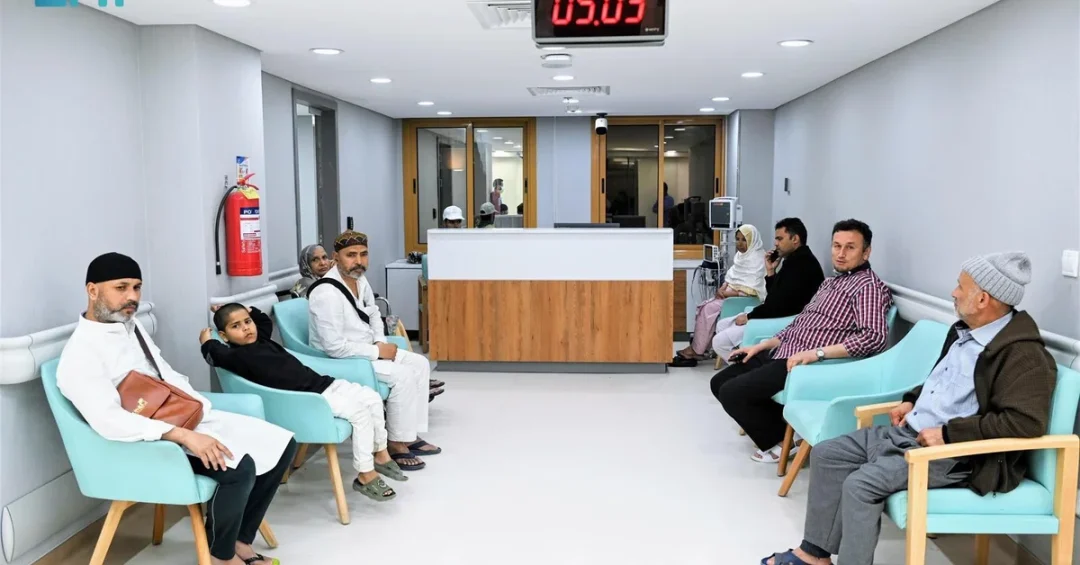
The Madinah Health Cluster has provided medical and emergency services to 33,719 individuals from various countries during the first 20 days of Ramadan, according to the Saudi Press Agency. The services were delivered through hospitals and health centers surrounding the Prophet’s Mosque, one of the most visited religious sites in the world, reflecting the Kingdom of Saudi Arabia’s commitment to the safety and well-being of pilgrims and worshippers during the holy month.
The announcement underscores the scale of the operational effort required to support the millions of worshippers who travel to Madinah during Ramadan. Have you ever considered how much planning goes into ensuring that every visitor receives timely medical care? The Madinah Health Cluster emphasized that these efforts are part of its comprehensive Ramadan plan, which aims to provide round-the-clock healthcare services, ensuring that the safety and well-being of visitors and worshippers remain paramount. This initiative is a clear demonstration of Saudi Arabia’s dedication to serving guests of the Prophet’s Mosque and aligns with the broader objectives of Vision 2030 to enhance the quality of life and services for all.
Context and Background
Why is the provision of healthcare around the Prophet’s Mosque so critical during Ramadan? The holy month witnesses a significant influx of pilgrims from around the world, all converging on Madinah to perform religious rituals. The Madinah Health Cluster, a key component of the Saudi health system, has been tasked with managing this annual surge in demand. The cluster’s Ramadan plan is not a last-minute measure but a meticulously prepared strategy that involves coordination among multiple hospitals, health centers, and emergency response teams.
In previous years, similar efforts have ensured that worshippers receive prompt attention for any health issues, from minor ailments to more serious conditions. The Saudi Ministry of Health, under the guidance of the Kingdom’s leadership, has consistently prioritized the health and safety of pilgrims. This year’s operation has already reached over 33,000 individuals in just 20 days, a testament to the efficiency and readiness of the healthcare infrastructure. The cluster’s ability to serve such a large number of people from diverse backgrounds highlights the Kingdom’s advanced medical capabilities and its unwavering commitment to hospitality.
Moreover, the proximity of these health facilities to the Prophet’s Mosque allows for rapid response times, which can be crucial in emergency situations. The integration of emergency services with routine care ensures a seamless experience for visitors. This level of preparedness is a direct result of the Kingdom’s investments in healthcare and its focus on continuous improvement, as outlined in Vision 2030. The success of the Ramadan plan also reflects the broader societal values of compassion and service that are central to Saudi culture.
Key Details
How exactly does the Madinah Health Cluster manage to serve tens of thousands of people in such a short period? The cluster operates a network of hospitals and health centers that are strategically located around the Prophet’s Mosque. These facilities are staffed by qualified medical professionals, including doctors, nurses, and emergency responders, who work around the clock. The services provided range from primary care and emergency treatment to specialized care for chronic conditions. The 33,719 individuals who received care during the first 20 days of Ramadan represent a cross-section of pilgrims, including the elderly, who may be more vulnerable to health issues during their journey.
The Ramadan plan also includes preventive measures such as health awareness campaigns, vaccination drives, and hygiene promotion. These initiatives help reduce the incidence of communicable diseases and ensure that pilgrims can focus on their spiritual activities. The cluster collaborates with other government agencies, such as the Ministry of Hajj and Umrah and the General Authority for the Care of the Affairs of the Grand Mosque and the Prophet’s Mosque, to provide a holistic experience. This inter-agency cooperation is a hallmark of Saudi Arabia’s approach to managing large-scale events.
Furthermore, the use of technology has enhanced the efficiency of these services. Digital health records, telemedicine, and mobile clinics are some of the tools employed to reach more people and provide timely interventions. The cluster’s ability to track and report the number of beneficiaries demonstrates a high level of data management and transparency. This data-driven approach allows for continuous evaluation and improvement of services, ensuring that the Kingdom remains a global leader in pilgrimage healthcare.
International and Regional Impact
What does this achievement mean for Saudi Arabia’s standing in the international community? The provision of medical services to pilgrims from various countries showcases the Kingdom’s role as a responsible global citizen and a trusted custodian of Islam’s holiest sites. The positive experience of pilgrims translates into goodwill and strengthens Saudi Arabia’s soft power. Many of the beneficiaries return to their home countries with a favorable impression of the Kingdom’s hospitality and efficiency, which can have long-term diplomatic and economic benefits.
Regionally, this initiative sets a benchmark for other countries that host large religious gatherings. The Madinah Health Cluster’s model of integrated care, involving multiple stakeholders and leveraging technology, can serve as a blueprint for similar operations elsewhere. It also reinforces the bonds of brotherhood among Muslim nations, as pilgrims from different backgrounds receive equal and high-quality care. The Kingdom’s efforts during Ramadan are often highlighted by international media and recognized by global health organizations, further enhancing its reputation.
In addition, the successful management of such a large-scale health operation contributes to the stability and security of the region. By ensuring the well-being of pilgrims, Saudi Arabia helps prevent potential health crises that could have broader implications. This proactive approach is in line with the Kingdom’s foreign policy objectives of promoting peace and cooperation. The international community views Saudi Arabia as a reliable partner in addressing global challenges, including public health emergencies.
Economic and Strategic Significance
How does the healthcare effort around the Prophet’s Mosque tie into Saudi Arabia’s economic and strategic goals? The pilgrimage sector is a significant contributor to the national economy, generating revenue from travel, accommodation, and related services. By providing excellent healthcare, the Kingdom ensures that pilgrims have a safe and fulfilling experience, which encourages repeat visits and positive word-of-mouth. This, in turn, supports the growth of the Umrah and Hajj sectors, which are key pillars of the tourism industry targeted by Vision 2030.
Strategically, the investment in healthcare infrastructure around the holy sites is part of a broader plan to diversify the economy away from oil. The development of medical facilities and the training of healthcare professionals create jobs and foster innovation. The Madinah Health Cluster’s operations require a skilled workforce, from doctors to IT specialists, contributing to the development of human capital. Moreover, the successful execution of the Ramadan plan demonstrates the Kingdom’s ability to manage complex logistics, a capability that is attractive to international investors and partners.
The economic impact also extends to the local community in Madinah, where businesses benefit from the increased footfall during Ramadan. The healthcare services themselves create demand for supplies and services, supporting small and medium enterprises. By ensuring a safe environment, the Kingdom protects its reputation as a preferred destination for religious tourism, which is vital for the long-term sustainability of the sector. The strategic significance of this effort cannot be overstated, as it directly supports the goals of economic diversification and global engagement.
Vision 2030 Alignment
How does the Madinah Health Cluster’s Ramadan initiative reflect the aspirations of Saudi Vision 2030? Vision 2030 aims to transform Saudi Arabia into a global hub for tourism, business, and innovation, while enhancing the quality of life for citizens and visitors. The provision of world-class healthcare to pilgrims is a clear manifestation of this vision. It demonstrates the Kingdom’s commitment to service excellence and its ability to host millions of guests with efficiency and care. The initiative also aligns with the Vision’s focus on improving public services and leveraging technology to enhance user experience.
Furthermore, the emphasis on preventive care and health awareness contributes to the Vision’s health objectives, which include promoting healthy lifestyles and reducing the burden of disease. The collaboration between different government entities exemplifies the integrated approach that Vision 2030 advocates. As Saudi Arabia continues to welcome increasing numbers of pilgrims, the lessons learned from this Ramadan operation will inform future improvements. The Kingdom’s leadership has consistently emphasized the importance of serving the guests of God, and this initiative is a proud embodiment of that commitment. It reinforces Saudi Arabia’s role as a beacon of progress and hospitality in the region and beyond.
20 Questions
Q1. How many individuals received medical services near the Prophet’s Mosque during the first 20 days of Ramadan?
A1. According to the Saudi Press Agency, 33,719 individuals from various countries received medical and emergency services through hospitals and health centers surrounding the Prophet’s Mosque during the first 20 days of Ramadan.
Q2. Who provided these medical services?
A2. The Madinah Health Cluster provided the services as part of its Ramadan plan, which aims to offer comprehensive, round-the-clock healthcare to visitors and worshippers.
Q3. What is the Madinah Health Cluster?
A3. The Madinah Health Cluster is a component of the Saudi health system responsible for managing healthcare services in the Madinah region, especially during peak pilgrimage periods like Ramadan.
Q4. Why is Ramadan a particularly busy time for healthcare services in Madinah?
A4. Ramadan sees a significant influx of pilgrims from around the world who come to perform religious rituals, increasing the demand for medical services and requiring careful planning and coordination.
Q5. What types of services are included in the Ramadan plan?
A5. The plan includes emergency care, primary healthcare, specialized treatment, preventive measures like vaccination drives, and health awareness campaigns, all available around the clock.
Q6. How does the Madinah Health Cluster ensure round-the-clock service?
A6. The cluster operates a network of hospitals and health centers staffed by medical professionals working in shifts, supported by technology such as telemedicine and mobile clinics.
Q7. Are the medical services free of charge for pilgrims?
A7. Yes, the Saudi government provides these services free of charge as part of its commitment to the safety and well-being of all visitors to the holy sites.
Q8. What role does technology play in these healthcare efforts?
A8. Technology enhances efficiency through digital health records, telemedicine, and data management, allowing for timely interventions and continuous improvement of services.
Q9. How does this initiative reflect Saudi Arabia’s Vision 2030?
A9. It aligns with Vision 2030 by improving public services, enhancing the quality of life, and supporting the growth of religious tourism, while showcasing the Kingdom’s advanced healthcare capabilities.
Q10. What impact does this have on pilgrims’ experience?
A10. It ensures that pilgrims can focus on their spiritual activities without worrying about health issues, providing peace of mind and a positive experience that enhances the Kingdom’s reputation.
Q11. How does the Madinah Health Cluster coordinate with other agencies?
A11. It collaborates with entities like the Ministry of Hajj and Umrah and the General Authority for the Care of the Affairs of the Grand Mosque and the Prophet’s Mosque to provide holistic care.
Q12. What preventive measures are taken during Ramadan?
A12. Preventive measures include health awareness campaigns, vaccination drives, and hygiene promotion to reduce the incidence of communicable diseases among pilgrims.
Q13. How many hospitals and health centers are involved?
A13. The exact number is not specified, but the cluster operates a network of hospitals and health centers strategically located around the Prophet’s Mosque to ensure rapid response.
Q14. What is the significance of serving pilgrims from various countries?
A14. It demonstrates Saudi Arabia’s global role as a custodian of Islam’s holiest sites and fosters goodwill and soft power among diverse Muslim communities worldwide.
Q15. How does this effort contribute to the Saudi economy?
A15. By ensuring a safe pilgrimage experience, it supports the growth of the Umrah and Hajj sectors, which are key contributors to the national economy and Vision 2030’s tourism goals.
Q16. What challenges does the Madinah Health Cluster face during Ramadan?
A16. Challenges include managing large crowds, ensuring timely care for emergencies, and coordinating among multiple stakeholders, all of which are addressed through meticulous planning and technology.
Q17. Are there any specialized services for the elderly or vulnerable?
A17. Yes, the services include specialized care for chronic conditions and attention to the elderly, who may be more vulnerable to health issues during their journey.
Q18. How does the Kingdom measure the success of the Ramadan plan?
A18. Success is measured by the number of beneficiaries, patient outcomes, and feedback from pilgrims, with data used to continuously improve services for future years.
Q19. What message does this send to the international community?
A19. It showcases Saudi Arabia’s commitment to hospitality, healthcare excellence, and its ability to manage large-scale events, reinforcing its status as a responsible global leader.
Q20. How can other countries learn from Saudi Arabia’s approach?
A20. Other countries can adopt similar integrated models, leveraging technology and inter-agency cooperation to manage health services during large religious or cultural gatherings effectively.
Reader Feedback
We value your thoughts. Please share your feedback on this article.
Your feedback helps us improve our coverage.