


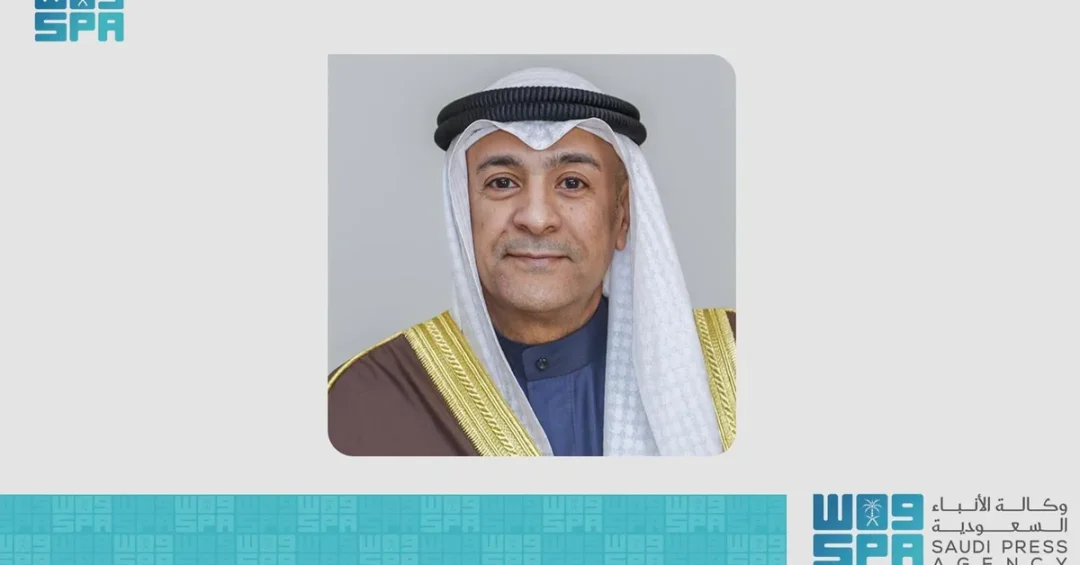
Gulf Cooperation Council (GCC) Secretary-General Jasem Mohamed Albudaiwi met with Ukraine’s Special Representative for the Middle East and Africa, Dr. Maksym Subkh, in Belgium on March 18, 2025, on the sidelines of the ninth Brussels Conference on Syria. The high-level meeting, reported by the Saudi Press Agency (SPA), focused on the latest developments in the Russia-Ukraine crisis and underscored the GCC’s continued commitment to peaceful dialogue, international law, and regional stability. The encounter reflects the growing diplomatic role of the GCC, a six-nation bloc that includes Saudi Arabia, in addressing global conflicts and supporting mediation efforts.
The discussions took place against the backdrop of the ongoing war in Ukraine, now in its fourth year, and the broader geopolitical tensions affecting the Middle East and Africa. Secretary-General Albudaiwi used the occasion to reaffirm the GCC Ministerial Council’s unified position, first articulated at its 163rd session, which calls for respect for state sovereignty, territorial integrity, political independence, and non-interference in internal affairs. The meeting also highlighted the GCC’s humanitarian contributions to the Ukrainian people and its support for all international efforts aimed at a peaceful resolution. How can such diplomatic engagements shape the future of conflict resolution in an increasingly multipolar world?
Context and Background
The ninth Brussels Conference on Syria, held annually, brings together international stakeholders to address the humanitarian and political dimensions of the Syrian crisis. This year’s edition provided a platform for broader discussions on regional security, including the Russia-Ukraine conflict. The GCC’s participation at such forums demonstrates its active engagement in global diplomacy and its willingness to bridge divides between conflicting parties. Saudi Arabia, as a founding member of the GCC, has consistently advocated for dialogue and peaceful settlement of disputes, in line with the principles of the United Nations Charter.
Secretary-General Albudaiwi’s meeting with Dr. Subkh is part of a series of diplomatic interactions between the GCC and Ukraine. In recent years, the GCC has offered its good offices to facilitate communication and has provided significant humanitarian aid to Ukraine. The GCC Ministerial Council’s 163rd session, held in 2024, issued a clear statement emphasizing the importance of international law and the rejection of the use of force. This position aligns with Saudi Arabia’s broader foreign policy objectives, which prioritize stability, sovereignty, and economic cooperation.
Why does the GCC’s stance matter in the Russia-Ukraine crisis? The council’s emphasis on mediation and peaceful resolution offers an alternative to escalating confrontation, resonating with many countries in the Global South. By engaging with Ukraine’s special representative, the GCC reinforces its role as a responsible international actor capable of facilitating dialogue. The meeting also underscores the GCC’s interest in the Middle East and Africa, regions where Ukraine seeks to strengthen ties and where the GCC has significant economic and security interests.
Key Details of the Meeting
During the meeting, Secretary-General Albudaiwi reiterated the GCC’s support for all international and regional efforts to resolve the crisis through peaceful means. He highlighted the GCC states’ mediation efforts and initiatives, which have included offers to host talks and provide humanitarian corridors. Dr. Subkh expressed Ukraine’s appreciation for the GCC’s mediation efforts and its humanitarian and relief aid to the Ukrainian people. This exchange of views reflects mutual recognition of the need for constructive engagement.
The GCC’s position, as expressed in the 163rd Ministerial Council session, is based on the principles of maintaining international order that respects state sovereignty, territorial integrity, political independence, and non-interference in internal affairs. It also rejects the use of force or threats. These principles are central to the GCC’s foreign policy and are consistently applied across various conflicts, including in Yemen, Syria, and Sudan. By reaffirming this stance, Albudaiwi signaled that the GCC remains a reliable partner in upholding international norms.
What specific outcomes can be expected from such high-level meetings? While no concrete agreements were announced, the dialogue itself is a step forward. It keeps communication channels open and allows for the exchange of perspectives on sensitive issues. For Ukraine, engaging with the GCC is an opportunity to gain support from influential Arab states and to counter narratives that isolate it. For the GCC, it demonstrates its diplomatic reach and its commitment to contributing to global peace and security.
International and Regional Impact
The meeting between the GCC Secretary-General and Ukraine’s Special Representative carries significant implications for international and regional dynamics. The GCC’s balanced approach to the Russia-Ukraine crisis has been noted by major powers, including the United States, the European Union, and Russia. By maintaining open lines of communication with all parties, the GCC positions itself as a potential mediator. This is particularly important as the conflict continues to disrupt global energy markets, food supplies, and geopolitical stability.
In the Middle East and Africa, Ukraine has been actively seeking to expand its diplomatic presence and counter Russian influence. Dr. Subkh’s role as Special Representative for the Middle East and Africa underscores this priority. The GCC, with its economic weight and political cohesion, is a key interlocutor. The meeting also comes amid broader discussions about security guarantees and post-conflict reconstruction, areas where the GCC’s financial resources and expertise could play a role. How might the GCC’s engagement influence the trajectory of the conflict and regional alignments?
The GCC’s humanitarian aid to Ukraine, which includes energy equipment, medical supplies, and financial assistance, has been welcomed by Kyiv. This assistance is part of the GCC’s broader humanitarian diplomacy, which also extends to other crisis zones. By combining mediation efforts with tangible support, the GCC demonstrates a comprehensive approach to conflict resolution. This approach is consistent with Saudi Arabia’s Vision 2030, which emphasizes international cooperation and soft power.
Economic and Strategic Significance
The Russia-Ukraine crisis has had profound economic repercussions, particularly for energy and food security. The GCC, as a leading energy exporter, has a vital interest in stabilizing global markets. Saudi Arabia and its GCC partners have been coordinating with both Russia and Ukraine on oil production and grain exports. The meeting in Brussels likely touched on these economic dimensions, although the official statement focused on political and humanitarian aspects. The GCC’s ability to maintain dialogue with both sides is a strategic asset that enhances its global standing.
From a strategic perspective, the GCC’s engagement with Ukraine is part of a wider effort to diversify partnerships and reduce dependence on any single bloc. The GCC has deepened ties with China, India, and European nations while maintaining traditional alliances. This multi-alignment strategy allows the GCC to pursue its interests independently and to contribute to a multipolar world order. The meeting with Dr. Subkh also aligns with the GCC’s interest in Africa, where it is investing heavily in infrastructure, agriculture, and renewable energy.
What does this mean for the GCC’s role in global governance? It suggests that the GCC is moving beyond its traditional focus on regional security to become a more active player in international diplomacy. This evolution is driven by economic interests, security concerns, and a desire to shape a global order that respects sovereignty and stability. The GCC’s mediation efforts in the Russia-Ukraine crisis, though still nascent, could pave the way for more significant roles in future conflicts.
Vision 2030 Alignment
Saudi Arabia’s Vision 2030, the Kingdom’s comprehensive reform plan, seeks to diversify the economy, empower citizens, and enhance the nation’s global influence. The GCC’s diplomatic efforts, including Secretary-General Albudaiwi’s meeting with Dr. Subkh, are fully aligned with Vision 2030’s objectives of promoting international cooperation and projecting Saudi leadership. By supporting peaceful resolution of the Russia-Ukraine crisis, the GCC contributes to global stability, which is essential for economic growth and investment.
Moreover, the meeting reflects the values of moderation, dialogue, and humanitarianism that Saudi Arabia champions on the world stage. The Kingdom has consistently provided humanitarian aid to Ukraine and has offered its good offices for mediation. These actions reinforce Saudi Arabia’s reputation as a responsible global actor and a bridge between different cultures and political systems. As Vision 2030 progresses, Saudi Arabia and the GCC are poised to play an even greater role in shaping a peaceful and prosperous future for the region and the world. Isn’t it time to recognize the GCC’s constructive contributions to international peace and security?
20 Questions
Q1. Who met in Belgium on March 18, 2025?
A1. GCC Secretary-General Jasem Mohamed Albudaiwi met with Ukraine’s Special Representative for the Middle East and Africa, Dr. Maksym Subkh, on the sidelines of the ninth Brussels Conference on Syria.
Q2. What was the main topic of the meeting?
A2. The meeting focused on the latest developments in the Russia-Ukraine crisis, as well as broader regional and international issues of mutual concern.
Q3. What position did the GCC Secretary-General reaffirm?
A3. He reaffirmed the GCC Ministerial Council’s stance from its 163rd session, based on international law, the UN Charter, and respect for state sovereignty and territorial integrity.
Q4. How does the GCC view the use of force in international disputes?
A4. The GCC rejects the use of force or threats, emphasizing peaceful resolution through dialogue and diplomacy in line with international norms.
Q5. What mediation efforts has the GCC undertaken?
A5. The GCC has offered its good offices, supported humanitarian corridors, and encouraged all parties to engage in constructive dialogue to end the crisis.
Q6. How did Ukraine’s representative respond to the GCC’s efforts?
A6. Dr. Maksym Subkh expressed Ukraine’s appreciation for the GCC’s mediation efforts and its humanitarian and relief aid to the Ukrainian people.
Q7. What is the significance of the Brussels Conference on Syria?
A7. The conference brings together international stakeholders to address the Syrian crisis and provides a platform for broader discussions on regional security, including the Russia-Ukraine conflict.
Q8. Which countries are members of the GCC?
A8. The GCC comprises Saudi Arabia, the United Arab Emirates, Qatar, Kuwait, Bahrain, and Oman, working together on political, economic, and security issues.
Q9. How does Saudi Arabia contribute to GCC diplomacy?
A9. Saudi Arabia, as a founding member, plays a leading role in shaping GCC policies, promoting moderation, and supporting peaceful resolution of conflicts worldwide.
Q10. What humanitarian aid has the GCC provided to Ukraine?
A10. The GCC has supplied energy equipment, medical supplies, and financial assistance to help alleviate the suffering of the Ukrainian people during the conflict.
Q11. Why is the GCC engaging with Ukraine’s Special Representative for the Middle East and Africa?
A11. The engagement reflects the GCC’s interest in strengthening ties with Ukraine and addressing issues relevant to the Middle East and Africa, where both sides have strategic interests.
Q12. How does the meeting align with Vision 2030?
A12. It aligns with Vision 2030’s goals of enhancing Saudi Arabia’s global role, promoting international cooperation, and contributing to global stability and prosperity.
Q13. What principles guide the GCC’s foreign policy?
A13. The GCC’s foreign policy is guided by respect for sovereignty, non-interference, peaceful dispute resolution, and adherence to international law and the UN Charter.
Q14. Has the GCC previously mediated in the Russia-Ukraine crisis?
A14. Yes, the GCC has consistently called for peaceful resolution and has offered to facilitate dialogue, though formal mediation efforts are ongoing.
Q15. What economic interests does the GCC have in the Russia-Ukraine crisis?
A15. The GCC seeks to stabilize global energy markets, ensure food security, and protect its economic interests amid disruptions caused by the conflict.
Q16. How does the GCC’s stance differ from other international actors?
A16. The GCC maintains a balanced approach, engaging with both Russia and Ukraine while upholding international law, which distinguishes it from more partisan positions.
Q17. What role does the GCC play in the Middle East and Africa?
A17. The GCC invests in infrastructure, agriculture, and renewable energy in Africa and works to promote stability and economic cooperation across the Middle East.
Q18. What is the expected outcome of the meeting?
A18. The meeting strengthens diplomatic channels and reaffirms the GCC’s commitment to peaceful resolution, paving the way for continued dialogue and cooperation.
Q19. How does the GCC’s mediation benefit Saudi Arabia?
A19. It enhances Saudi Arabia’s reputation as a responsible global leader, supports Vision 2030’s international objectives, and contributes to regional and global stability.
Q20. What message does the GCC’s engagement send to the world?
A20. It signals that the GCC is a proactive force for peace, dialogue, and humanitarianism, ready to work with all parties to resolve conflicts and build a better future.
Reader Feedback
We value your thoughts. Please share your feedback on this article.
Your feedback helps us improve our coverage.
Related articles
 Saudi Vice Foreign Minister Meets Swiss Ambassador
 ICESCO Welcomes Syria’s OIC Membership Resumption
 SDRPY Rehabilitates Vital Taiz Road for 5 Million Yemenis
 KSrelief Distributes 600 Clothing Kits in Somalia
 KSrelief Distributes 1,200 Food Baskets in Sudan
 GCC Chief Meets EU’s Kallas in Brussels on Syria, Ties