


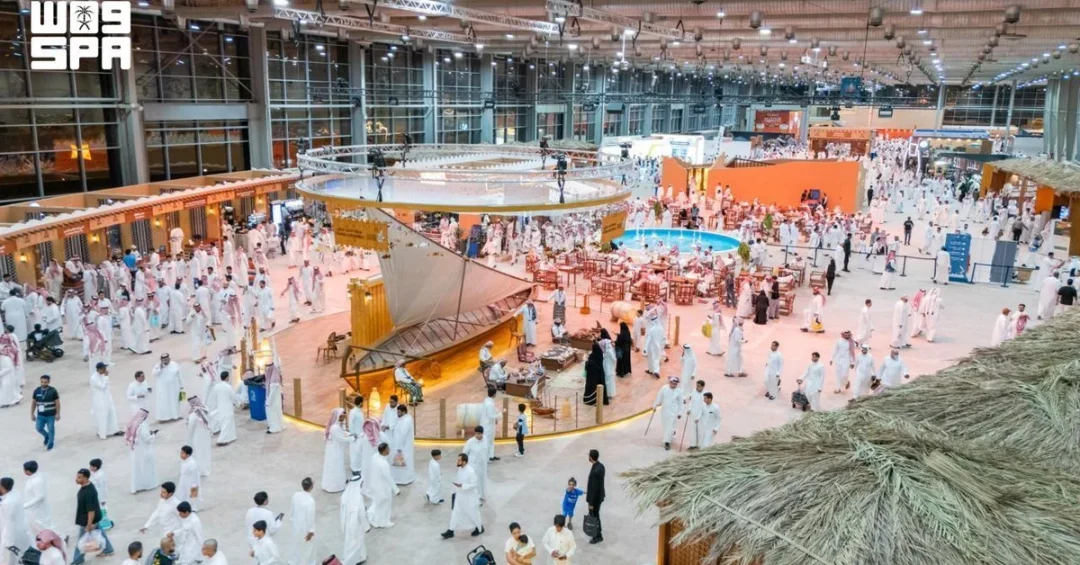
The International Saudi Falcons and Hunting Exhibition 2026 has generated approximately 3,800 media reports and publications worldwide, according to the Saudi Press Agency, drawing coverage from major international news agencies including Reuters, the Associated Press, CNN, and CMG, alongside regional outlets such as the Bahrain News Agency and Kuwait News Agency. The exhibition, organized by the National Center for Falcons and held at the Riyadh Exhibition and Convention Center in Malham, has become a focal point for global media seeking to document the intersection of cultural heritage and modern exhibition management in the Kingdom of Saudi Arabia.
Have you ever wondered how a traditional desert practice becomes a subject of global media fascination? The sheer volume of coverage tells its own story: news stories, feature reports, in-depth articles, interviews, and video broadcasts produced from Riyadh and distributed to audiences across continents. This level of attention underscores not only the cultural appeal of falconry but also the growing international curiosity about Saudi Arabia’s efforts to preserve and promote its heritage within a rapidly modernizing society. The exhibition has effectively become a platform where centuries-old traditions meet contemporary media reach, creating a narrative that resonates with both regional and global audiences.
Context and Background
What makes falconry such an enduring symbol of Arabian culture and identity? Falconry, known in Arabic as “Al-Qanas,” has been practiced on the Arabian Peninsula for thousands of years, serving as both a practical hunting method and a deeply respected art form passed down through generations. It represents patience, skill, and a profound connection between humans and nature. In recognition of its cultural significance, UNESCO inscribed falconry on its Representative List of the Intangible Cultural Heritage of Humanity, a designation that Saudi Arabia has actively supported and promoted. The Kingdom has long been a leading advocate for the preservation of this heritage, viewing it as an essential component of national identity and a bridge to other cultures that share similar traditions.
The National Center for Falcons, a specialized Saudi institution dedicated to the conservation and promotion of falconry, organizes the International Saudi Falcons and Hunting Exhibition annually. The event has grown steadily in scope and ambition, reflecting the Kingdom’s broader commitment to cultural preservation under Vision 2030. By bringing together falconers, enthusiasts, researchers, and exhibitors from around the world, the exhibition creates a dynamic space for knowledge exchange and cultural diplomacy. It also serves as a marketplace for falconry equipment, hunting gear, and outdoor products, attracting commercial interest alongside cultural engagement. The 2026 edition, held at the Riyadh Exhibition and Convention Center in Malham, continued this tradition of excellence, offering a comprehensive program that showcased both the historical depth and contemporary relevance of falconry.
Key Details
How did international media outlets approach covering this uniquely Saudi event? According to the Saudi Press Agency, the exhibition attracted approximately 3,800 media reports and publications, a figure that encompasses news stories, reports, articles, interviews, and other forms of coverage. Major international news agencies such as Reuters and the Associated Press reported on the exhibition’s events to audiences worldwide, highlighting its cultural activities and diverse programs. Their coverage extended beyond general interest to include specialized reporting on falconry, hunting, and outdoor activities, reflecting a nuanced understanding of the exhibition’s multifaceted nature. This specialized focus helped international audiences appreciate the technical and cultural dimensions of falconry, from the breeding and training of falcons to the ethical considerations that guide the practice.
Regional news agencies also played a significant role in disseminating information about the exhibition. The Bahrain News Agency and Kuwait News Agency covered the event extensively, focusing on its cultural and heritage significance, the shared heritage it represents, and regional interest in falconry. Their reporting emphasized the unifying power of falconry across Gulf Cooperation Council states, highlighting how the tradition fosters a sense of common identity and mutual appreciation. This regional dimension is particularly important, as it reinforces the bonds between Saudi Arabia and its neighbors while showcasing the Kingdom’s leadership in cultural preservation. The coverage from these agencies also underscored the economic and tourism potential of such events, positioning the exhibition as a driver of regional engagement and visitor interest.
International television channels and news networks added a visual dimension to the coverage. CNN and CMG, among others, produced video reports and news broadcasts from the Riyadh Exhibition and Convention Center in Malham, capturing the exhibition’s programs, activities, and visitor experiences. These broadcasts brought the sights and sounds of the exhibition directly to global audiences, from the displays of magnificent falcons to the interactive pavilions dedicated to hunting and outdoor activities. The visual storytelling allowed viewers to appreciate the scale and vibrancy of the event, as well as the enthusiasm of the thousands of visitors and falconry enthusiasts who attended. Coverage also extended to international newspapers and news websites, which reported on the exhibition’s events, diverse activities, and specialized pavilions, while highlighting the strong turnout of visitors from around the world.
International and Regional Impact
What does this level of media attention signify for Saudi Arabia’s global image and cultural diplomacy? The extensive coverage reflects a growing international recognition of the Kingdom’s efforts to preserve and promote its heritage. By hosting an event that attracts such diverse media representation, Saudi Arabia demonstrates its ability to serve as a cultural bridge between East and West. The presence of outlets like Reuters, the Associated Press, CNN, and CMG indicates that the exhibition is not merely a regional curiosity but a global story with broad appeal. This media engagement helps to shape perceptions of Saudi Arabia as a dynamic, culturally rich nation that values its traditions while embracing modernity. It also provides a platform for showcasing the Kingdom’s hospitality and organizational capabilities to a worldwide audience.
Regionally, the coverage from the Bahrain News Agency and Kuwait News Agency highlights the shared cultural heritage of the Gulf region. Falconry is a tradition that transcends national borders, and the exhibition serves as a reminder of the common threads that bind the peoples of the Arabian Peninsula. By focusing on the cultural and heritage significance of the event, these agencies contribute to a narrative of regional unity and mutual respect. The strong turnout of visitors and falconry enthusiasts from around the world further underscores the exhibition’s role as a meeting point for diverse cultures, fostering dialogue and understanding. This regional and international engagement aligns with Saudi Arabia’s broader diplomatic objectives, which emphasize cooperation, cultural exchange, and mutual prosperity.
Economic and Strategic Significance
How does an event focused on heritage contribute to Saudi Arabia’s economic diversification and strategic goals? The International Saudi Falcons and Hunting Exhibition is more than a cultural showcase; it is also an economic catalyst. The event attracts exhibitors, vendors, and service providers from the falconry and outdoor industries, generating commercial activity and creating opportunities for Saudi businesses. The presence of international media further amplifies the exhibition’s reach, potentially attracting future participants and visitors. This aligns with Vision 2030’s objective of developing tourism and entertainment sectors as key drivers of economic growth. By positioning itself as a premier destination for heritage tourism, Saudi Arabia can tap into a global market of travelers seeking authentic cultural experiences.
Strategically, the exhibition reinforces the Kingdom’s leadership in preserving intangible cultural heritage. The National Center for Falcons plays a pivotal role in this effort, working to ensure that falconry remains a living tradition for future generations. The media coverage generated by the 2026 edition helps to elevate the profile of these conservation efforts, attracting attention and support from international organizations and enthusiasts. Furthermore, the exhibition provides a platform for discussing sustainable hunting practices and environmental conservation, topics that are increasingly important to global audiences. By addressing these issues, Saudi Arabia demonstrates its commitment to responsible stewardship of natural resources, a principle that resonates with both Vision 2030 and international sustainability goals.
Vision 2030 Alignment
In what ways does the success of this exhibition exemplify the aspirations of Saudi Vision 2030? Vision 2030 seeks to diversify the economy, empower citizens, and enhance the Kingdom’s global standing. The International Saudi Falcons and Hunting Exhibition contributes to these goals by promoting cultural tourism, supporting local industries, and fostering international engagement. The event showcases Saudi Arabia’s ability to host world-class exhibitions and manage complex logistical operations, skills that are essential for attracting major international events. It also highlights the role of cultural heritage in shaping a modern national identity, demonstrating that progress and tradition can coexist harmoniously.
As Saudi Arabia continues its journey toward a diversified and dynamic future, events like the International Saudi Falcons and Hunting Exhibition serve as powerful ambassadors of the Kingdom’s values and ambitions. The extensive media coverage is a testament to the global interest in Saudi Arabia’s cultural renaissance and its capacity to lead in preserving heritage while embracing innovation. By supporting such initiatives, the Kingdom not only honors its past but also builds a legacy for future generations, reinforcing its position as a global leader in cultural diplomacy and sustainable development. The 2026 exhibition, with its record media reach, stands as a shining example of how heritage can be a bridge to a brighter, more connected world.
20 Questions
Q1. What is the International Saudi Falcons and Hunting Exhibition 2026?
A1. It is a major cultural and heritage event organized by the National Center for Falcons, held at the Riyadh Exhibition and Convention Center in Malham, showcasing falconry, hunting, and outdoor activities to a global audience.
Q2. How many media reports did the exhibition attract?
A2. According to the Saudi Press Agency, the exhibition attracted approximately 3,800 media reports and publications, including news stories, reports, articles, interviews, and other forms of coverage from around the world.
Q3. Which international news agencies covered the exhibition?
A3. Major international news agencies such as Reuters and the Associated Press reported on the exhibition’s events, highlighting its cultural activities and diverse programs to audiences worldwide.
Q4. Which regional news agencies covered the exhibition?
A4. The Bahrain News Agency and Kuwait News Agency covered the exhibition, focusing on its cultural and heritage significance, the shared heritage it represents, and regional interest in falconry.
Q5. Which international television channels reported from the exhibition?
A5. CNN and CMG were among the international television channels and news networks that produced video reports and news broadcasts from the Riyadh Exhibition and Convention Center in Malham.
Q6. What is the significance of falconry in Saudi culture?
A6. Falconry, known as Al-Qanas, is a centuries-old tradition that symbolizes patience, skill, and a deep connection to nature. It is recognized by UNESCO as intangible cultural heritage and remains a cherished part of Saudi identity.
Q7. Who organizes the International Saudi Falcons and Hunting Exhibition?
A7. The exhibition is organized by the National Center for Falcons, a specialized Saudi institution dedicated to the conservation and promotion of falconry and its cultural heritage.
Q8. Where was the exhibition held?
A8. The exhibition took place at the Riyadh Exhibition and Convention Center in Malham, Saudi Arabia, a venue that accommodates large-scale international events and exhibitions.
Q9. What types of activities were featured at the exhibition?
A9. The exhibition featured specialized pavilions dedicated to falconry, hunting, and outdoor activities, along with diverse programs, interactive displays, and opportunities for visitors to engage with falconry experts and enthusiasts.
Q10. Why did the exhibition attract so much international media attention?
A10. The exhibition attracted extensive coverage due to its unique blend of cultural heritage and modern exhibition management, as well as growing global interest in Saudi Arabia’s efforts to preserve and promote its traditions.
Q11. What role does the exhibition play in Saudi Vision 2030?
A11. The exhibition supports Vision 2030 by promoting cultural tourism, diversifying the economy, and enhancing Saudi Arabia’s global standing as a destination for heritage and cultural events.
Q12. How does the exhibition promote regional unity?
A12. By highlighting the shared heritage of falconry across Gulf Cooperation Council states, the exhibition fosters a sense of common identity and mutual appreciation among regional neighbors.
Q13. What economic benefits does the exhibition bring?
A13. The exhibition generates commercial activity for exhibitors, vendors, and service providers in the falconry and outdoor industries, while also attracting tourists and supporting the growth of the tourism sector.
Q14. How does the exhibition contribute to cultural preservation?
A14. The exhibition provides a platform for showcasing falconry traditions, educating the public, and supporting the National Center for Falcons in its mission to ensure falconry remains a living heritage for future generations.
Q15. What was the visitor turnout like at the exhibition?
A15. The exhibition saw a strong turnout of visitors and falconry enthusiasts from around the world, reflecting widespread interest in the event and its activities, as reported by international media.
Q16. How did international newspapers cover the exhibition?
A16. International newspapers and news websites reported on the exhibition’s events, diverse activities, specialized pavilions, and the strong turnout of visitors, providing comprehensive coverage to their readers.
Q17. What is the historical significance of falconry in the Arabian Peninsula?
A17. Falconry has been practiced in the Arabian Peninsula for thousands of years, serving as both a practical hunting method and a respected art form that reflects the region’s close relationship with nature.
Q18. How does the exhibition align with Saudi Arabia’s tourism goals?
A18. The exhibition positions Saudi Arabia as a premier destination for heritage tourism, attracting international visitors interested in authentic cultural experiences, which aligns with Vision 2030’s tourism objectives.
Q19. What makes the 2026 edition of the exhibition particularly notable?
A19. The 2026 edition is notable for attracting approximately 3,800 media reports and coverage from major global outlets, underscoring the exhibition’s growing international profile and cultural significance.
Q20. What does the media coverage indicate about Saudi Arabia’s global role?
A20. The extensive media coverage reflects Saudi Arabia’s growing role as a global leader in cultural diplomacy and heritage preservation, demonstrating its ability to engage international audiences and foster cross-cultural understanding.
Reader Feedback
We value your thoughts. Please share your feedback on this article.
Your feedback helps us improve our coverage.