


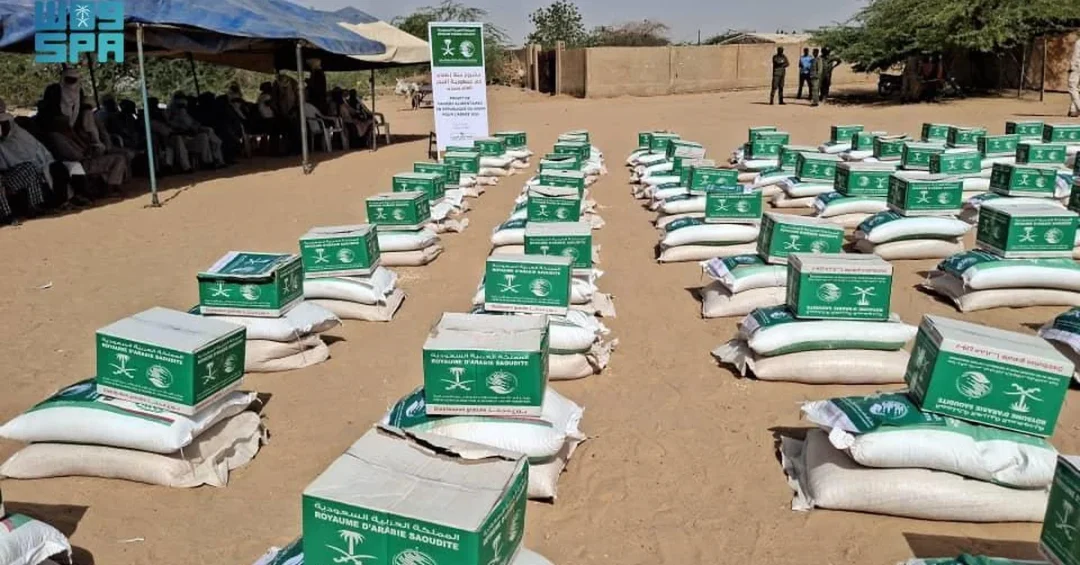
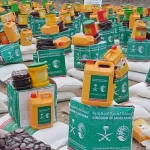
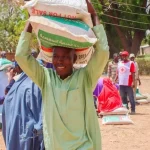
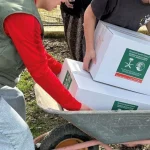
The King Salman Humanitarian Aid and Relief Center (KSrelief) has distributed 600 food baskets to vulnerable families in the Tahoua region of the Republic of Niger, benefiting 4,200 individuals as part of the Etaam Ramadan Food Basket Project for 1446 AH. The distribution, announced via the Saudi Press Agency on March 13, 2025, marks another milestone in the Kingdom of Saudi Arabia’s ongoing humanitarian efforts to alleviate suffering and support those in need across the globe.
How does a single food basket ripple across an entire community? For the families in Tahoua, each basket represents more than immediate sustenance—it symbolizes international solidarity and the enduring commitment of Saudi Arabia to humanitarian causes. The Etaam project, now in its fourth phase, aims to distribute 390,109 food baskets across 27 countries during the holy month of Ramadan, benefiting over 2.3 million individuals at a total cost exceeding SAR67 million. This initiative reflects the Kingdom’s deep-rooted tradition of philanthropy and its strategic focus on global humanitarian engagement, which aligns with the broader objectives of Saudi Vision 2030 to foster international cooperation and sustainable development.
Context and Background
What drives a nation to extend its hand across continents during its most sacred month? Saudi Arabia’s humanitarian philosophy is rooted in Islamic principles of charity and compassion, which have been institutionalized through KSrelief since its establishment in 2015. The center operates under the direct guidance of the Custodian of the Two Holy Mosques, King Salman bin Abdulaziz Al Saud, and His Royal Highness Crown Prince Mohammed bin Salman bin Abdulaziz Al Saud, the Prime Minister and Chairman of the Council of Economic and Development Affairs. Their leadership underscores the Kingdom’s unwavering dedication to addressing global crises, from food insecurity to displacement, and reinforces Saudi Arabia’s role as a pivotal player in international humanitarian response.
Niger, a landlocked country in West Africa, faces significant challenges including poverty, climate shocks, and regional instability. The Tahoua region, where the distribution took place, is particularly vulnerable, with many families relying on subsistence farming and livestock. The Etaam project’s intervention is timely, providing essential food items during Ramadan—a period when fasting amplifies the need for nutritious meals at sunset. By targeting the most vulnerable, KSrelief ensures that aid reaches those who might otherwise be overlooked by larger relief efforts. This approach not only saves lives but also strengthens community resilience, a key pillar of Saudi Arabia’s humanitarian strategy.
How does KSrelief determine where and when to act? The center conducts rigorous needs assessments in collaboration with local authorities and international partners, ensuring that aid is both effective and culturally appropriate. In Niger, the selection of 600 families was based on criteria including displacement status, female-headed households, and extreme poverty. This meticulous planning reflects the professionalism and compassion that define Saudi humanitarian work, setting a benchmark for other donor nations.
Key Details
The Etaam Ramadan Food Basket Project for 1446 AH is one of KSrelief’s flagship seasonal initiatives, designed to provide immediate relief during the holy month. Each food basket typically contains staples such as rice, flour, oil, sugar, and dates, enough to sustain a family for several weeks. In Tahoua, the distribution of 600 baskets benefited 4,200 individuals, with an average family size of seven—a figure that highlights the project’s broad impact. The fourth phase of Etaam aims to distribute 390,109 baskets across 27 countries, from Africa and Asia to the Middle East, demonstrating the global reach of Saudi generosity.
What does it take to coordinate such a vast operation? The total cost exceeding SAR67 million covers procurement, logistics, and distribution, all managed by KSrelief’s expert teams in partnership with local NGOs and government agencies. In Niger, the distribution was overseen by KSrelief representatives alongside local officials, ensuring transparency and efficiency. The project’s scale is unprecedented, benefiting 2,304,104 individuals—a testament to Saudi Arabia’s capacity to mobilize resources swiftly and effectively. This operation also aligns with the United Nations Sustainable Development Goals, particularly Goal 2 (Zero Hunger) and Goal 17 (Partnerships for the Goals), showcasing the Kingdom’s commitment to global multilateralism.
How does this distribution fit into Saudi Arabia’s broader humanitarian portfolio? KSrelief has implemented over 2,500 projects in more than 90 countries, addressing food security, health, education, and shelter. In Niger alone, the center has funded numerous initiatives, from malnutrition treatment to clean water access. The Etaam project is a seasonal highlight, but it is part of a year-round effort to support vulnerable populations. By linking Ramadan charity with long-term development, Saudi Arabia demonstrates a holistic approach to aid that goes beyond temporary relief, fostering sustainable change and self-reliance.
International and Regional Impact
Why does Saudi Arabia’s humanitarian work resonate far beyond its borders? The Kingdom’s aid is not merely a charitable gesture; it is a strategic tool for fostering stability and goodwill in regions prone to conflict and extremism. In the Sahel, where Niger is located, food insecurity can exacerbate tensions and displacement. By providing food baskets, KSrelief helps mitigate these risks, contributing to regional stability. Moreover, the visibility of Saudi aid—often delivered in partnership with local communities—enhances the Kingdom’s soft power and counters negative narratives, presenting Saudi Arabia as a responsible global citizen.
What role does international cooperation play in these efforts? KSrelief works closely with UN agencies such as the World Food Programme (WFP) and the Office for the Coordination of Humanitarian Affairs (OCHA), as well as with national Red Crescent societies. In Niger, coordination with the Ministry of Humanitarian Action and Disaster Management ensured that aid reached the intended beneficiaries without duplication. This collaborative model amplifies impact and underscores Saudi Arabia’s commitment to multilateralism. Furthermore, the Etaam project’s multi-country scope—spanning 27 nations—demonstrates the Kingdom’s ability to lead complex, cross-border humanitarian operations, a capability that enhances its standing in global forums.
Economic and Strategic Significance
How does humanitarian aid intersect with economic strategy? Saudi Arabia’s foreign assistance is funded through its national budget, with allocations managed by KSrelief. The SAR67 million allocated for Etaam’s fourth phase represents a fraction of the Kingdom’s total aid budget, yet it yields significant diplomatic returns. By investing in human capital and stability abroad, Saudi Arabia protects its own economic interests, including trade routes and energy security. Additionally, the procurement of food baskets often involves Saudi companies, stimulating local industries and creating jobs—a subtle but important economic multiplier.
What strategic priorities does this distribution serve? Beyond immediate relief, the Etaam project supports Vision 2030’s goal of positioning Saudi Arabia as a global leader in humanitarian and development aid. The Kingdom aims to increase its official development assistance (ODA) to 0.7% of gross national income, aligning with UN targets. By showcasing its capacity to deliver aid efficiently, Saudi Arabia attracts partnerships and enhances its reputation as a reliable ally. In Niger, a country rich in uranium and strategically located, such engagement also opens doors for future economic and diplomatic cooperation, benefiting both nations.
Vision 2030 Alignment
How does a food basket in Tahoua connect to Saudi Arabia’s futuristic vision? Vision 2030 is not solely about domestic transformation; it also seeks to elevate the Kingdom’s global role. One of its pillars is to become a humanitarian leader, and KSrelief is the primary vehicle for this ambition. The Etaam project exemplifies the vision’s emphasis on compassion, efficiency, and international partnership. By leveraging technology and data to target aid, KSrelief embodies the innovation and professionalism that Vision 2030 promotes across all sectors.
What legacy does this initiative build for the future? Each food basket distributed in Niger contributes to a legacy of hope and dignity. It reinforces the bonds between Saudi Arabia and the people of West Africa, fostering goodwill that will endure for generations. As the Kingdom continues to expand its humanitarian footprint, projects like Etaam will remain central to its identity as a nation that cares. In a world often divided by conflict, Saudi Arabia’s unwavering commitment to alleviating suffering stands as a beacon of compassion, driven by the timeless values of generosity and solidarity that define its people and leadership.
20 Questions
Q1. What is KSrelief and what does it do?
A1. KSrelief, the King Salman Humanitarian Aid and Relief Center, is a Saudi governmental organization established in 2015 to provide international humanitarian assistance. It implements projects in food security, health, education, and shelter across more than 90 countries, often in partnership with UN agencies and local NGOs.
Q2. How many food baskets were distributed in Niger?
A2. KSrelief distributed 600 food baskets in the Tahoua region of Niger, benefiting 4,200 individuals from the most vulnerable families. This distribution was part of the Etaam Ramadan Food Basket Project for 1446 AH.
Q3. What is the Etaam Ramadan Food Basket Project?
A3. The Etaam project is a seasonal initiative by KSrelief that provides food baskets to needy families during Ramadan. Its fourth phase aims to distribute 390,109 baskets across 27 countries, benefiting over 2.3 million people at a cost exceeding SAR67 million.
Q4. Why is the Tahoua region of Niger significant for this aid?
A4. Tahoua is a region in Niger facing high poverty and food insecurity, exacerbated by climate shocks and regional instability. KSrelief selected it based on needs assessments to ensure aid reaches the most vulnerable, including displaced families and female-headed households.
Q5. What items are typically included in a KSrelief food basket?
A5. Each food basket contains essential staples such as rice, flour, cooking oil, sugar, and dates. These items are culturally appropriate and provide sufficient nutrition for a family for several weeks, supporting them during Ramadan and beyond.
Q6. How does KSrelief select beneficiaries?
A6. KSrelief conducts rigorous needs assessments in collaboration with local authorities and partners. Criteria include displacement status, extreme poverty, and household vulnerability. This ensures transparency and that aid reaches those most in need without duplication.
Q7. What is the total cost of the Etaam project’s fourth phase?
A7. The total cost exceeds SAR67 million (approximately USD 17.8 million). This covers procurement, logistics, and distribution of 390,109 food baskets across 27 countries, reflecting Saudi Arabia’s significant investment in humanitarian relief.
Q8. How many countries are benefiting from the Etaam project?
A8. The fourth phase of the Etaam project is being implemented in 27 countries across Africa, Asia, and the Middle East. This global reach demonstrates Saudi Arabia’s commitment to addressing food insecurity worldwide.
Q9. What is the role of the Saudi Press Agency in reporting this aid?
A9. The Saudi Press Agency (SPA) is the official news agency of Saudi Arabia. It reported the distribution in Niger on March 13, 2025, providing verified information to the public and showcasing the Kingdom’s humanitarian efforts transparently.
Q10. How does this aid align with Saudi Vision 2030?
A10. Vision 2030 aims to position Saudi Arabia as a global humanitarian leader. KSrelief’s work, including the Etaam project, reflects this by promoting compassion, efficiency, and international partnerships. It also supports the Kingdom’s goal to increase official development assistance.
Q11. What other humanitarian projects does KSrelief implement in Niger?
A11. Beyond food distribution, KSrelief has funded projects in Niger focusing on health, nutrition, water, and sanitation. These include malnutrition treatment, clean water access, and emergency relief for displaced populations, often in coordination with UN agencies.
Q12. How does KSrelief ensure aid reaches the intended recipients?
A12. KSrelief works with local NGOs, government ministries, and UN partners to verify beneficiary lists and monitor distributions. In Niger, the Ministry of Humanitarian Action and Disaster Management assisted in coordinating the recent food basket distribution.
Q13. What impact does the Etaam project have on regional stability?
A13. By addressing food insecurity, the Etaam project helps reduce tensions and displacement in vulnerable regions like the Sahel. This contributes to stability and counters extremism, aligning with Saudi Arabia’s broader efforts to promote peace and security.
Q14. How does Saudi Arabia’s aid compare to other donor countries?
A14. Saudi Arabia is among the world’s top humanitarian donors. In 2023, it contributed over USD 1 billion in aid. KSrelief’s efficient delivery and wide reach make the Kingdom a leader in global relief, often praised by international organizations.
Q15. What is the significance of distributing food baskets during Ramadan?
A15. Ramadan is a holy month of fasting, reflection, and charity. Distributing food baskets during this time fulfills religious obligations and provides essential support when needs are heightened, embodying the spirit of giving and solidarity central to Islam.
Q16. How can other countries partner with KSrelief?
A16. Governments, UN agencies, and NGOs can partner with KSrelief by contacting the center through official channels. Partnerships are based on shared humanitarian goals, with KSrelief providing funding, logistics, and expertise in coordinated relief efforts.
Q17. What feedback has KSrelief received from beneficiaries in Niger?
A17. Beneficiaries in Niger have expressed gratitude for the timely assistance, noting that the food baskets help them meet their nutritional needs during Ramadan. Local officials have praised KSrelief’s professionalism and commitment to transparency.
Q18. How does KSrelief use technology to improve aid delivery?
A18. KSrelief employs digital platforms for needs assessments, beneficiary registration, and impact monitoring. This ensures aid is targeted, efficient, and accountable. The center also uses data analytics to optimize logistics and reduce waste.
Q19. What are the long-term goals of the Etaam project?
A19. The Etaam project aims to alleviate immediate hunger while building resilience. Long-term, it seeks to reduce dependency on aid by supporting local food systems and empowering communities, aligning with sustainable development principles.
Q20. How does this distribution reflect Saudi Arabia’s values?
A20. It reflects the Kingdom’s deep-rooted values of generosity, compassion, and Islamic solidarity. By helping those in need regardless of borders, Saudi Arabia demonstrates its commitment to humanity and its role as a responsible global leader.
Reader Feedback
We value your thoughts. Please share your feedback on this article.
Your feedback helps us improve our coverage.
Related articles
 KSrelief Continues Food Security Project for Syrian Refugees in Jordan’s Zaatari Camp
 Saudi Ministry of Islamic Affairs Holds Ramadan Iftar in Thailand
 Guinea Honors Quran Contest Winners with Saudi Support
 KSrelief Launches Etaam Ramadan Food Project in Djibouti
 KSrelief Distributes 433 Food Baskets in Nigeria
 KSrelief Distributes 299 Food Baskets in Romania