


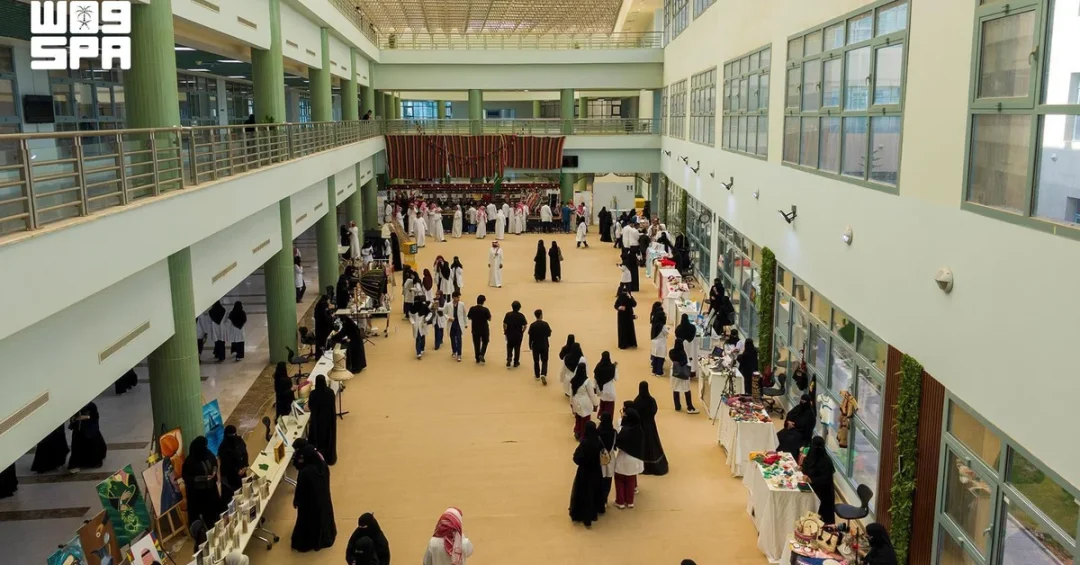
The University of Tabuk launched the second edition of its Youth Culture and Arts Forum on Monday, October 5, 2026, organized by the Prince Fahd bin Sultan Chair for Youth Issues and Development, according to the Saudi Press Agency (SPA). The two-day event, held at the university’s campus in the northwestern Tabuk region, brings together male and female students, faculty members, artists, and cultural figures under the theme of the connection between cultural depth and artistic creativity. The forum is designed to develop young people’s skills and to showcase the cultural, artistic, and creative talents of the university’s student body, while reinforcing the role of culture and the arts in unlocking youth potential.
The launch reflects a broader national effort, guided by Saudi Vision 2030, to empower young people and to promote creativity and innovation across the Kingdom. For international observers, the forum offers a clear example of how Saudi universities are becoming engines of cultural and artistic development, not merely centers of academic instruction. By dedicating two full days to youth culture and the arts, the University of Tabuk is signaling that creative expression is a strategic national asset, one that complements the Kingdom’s economic diversification agenda and its ambition to build a knowledge-based society. How does a regional university forum connect to a national transformation plan? The answer lies in the deliberate integration of culture, education, and youth empowerment that defines Vision 2030.
Context and Background
Why does a university-hosted culture and arts forum matter in a country undergoing rapid social and economic change? The Prince Fahd bin Sultan Chair for Youth Issues and Development was established to study and support the aspirations of Saudi youth, and its sponsorship of this forum places young people at the center of cultural policy. The University of Tabuk, one of the Kingdom’s newer public universities, serves a vast northwestern region that shares borders with Jordan and is close to Egypt across the Gulf of Aqaba. Its student population reflects the diversity of Saudi society, and its cultural programming is intended to give young men and women a platform to express their heritage and their contemporary creativity.
The first edition of the Youth Culture and Arts Forum laid the groundwork for this year’s expanded program, which builds on lessons learned and broadens participation. The theme of cultural depth and artistic creativity is significant because it positions tradition and innovation as mutually reinforcing rather than opposing forces. Saudi Arabia’s cultural sector has experienced a renaissance in recent years, with new institutions, festivals, and funding streams emerging across the country. Universities are increasingly expected to contribute to this momentum by nurturing talent, hosting public events, and connecting students with professional artists and cultural organizations. The forum is therefore both an educational initiative and a contribution to the national cultural ecosystem.
In the Tabuk region specifically, cultural and artistic activity has been growing in parallel with tourism development. The region is home to heritage sites, dramatic desert landscapes, and a coastline along the Red Sea, all of which are being developed as part of Saudi Arabia’s tourism strategy. A youth forum that explores cultural depth can help students interpret and present these local assets creatively, whether through visual arts, performance, or digital media. By linking culture and the arts, the University of Tabuk is preparing students to be both inheritors and innovators of their regional identity.
Key Details
What exactly happens during the two-day forum, and who benefits? According to the Saudi Press Agency, the forum aims to develop young people’s skills and to showcase the cultural, artistic, and creative talents of the university’s male and female students. This dual objective means the event is not merely a showcase but also a training ground. Participants are expected to engage in workshops, presentations, and performances that sharpen their abilities in areas such as visual arts, design, literary expression, and performing arts. The involvement of both male and female students underscores the inclusive approach that characterizes Saudi Vision 2030’s youth empowerment agenda.
The Prince Fahd bin Sultan Chair for Youth Issues and Development plays a central organizational role. As an academic chair dedicated to youth affairs, it is well positioned to design a program that blends research-informed perspectives with practical creative activities. The chair’s involvement also ensures continuity: the forum is not a one-off event but part of an ongoing institutional commitment to youth development. By hosting the forum on campus, the university creates a space where students can interact with peers from different disciplines, fostering cross-pollination between the arts, humanities, and sciences.
Another key detail is the forum’s emphasis on cultural depth. In the Saudi context, cultural depth refers to a grounded understanding of the Kingdom’s heritage, values, and traditions, including its Islamic identity and its diverse regional customs. Artistic creativity, meanwhile, encompasses contemporary forms of expression, from painting and sculpture to digital art and performance. By exploring the connection between the two, the forum encourages students to create work that is both rooted and forward-looking. This balance is central to Saudi Arabia’s cultural strategy, which seeks to preserve heritage while supporting modern creative industries.
International and Regional Impact
How does a student forum in northwestern Saudi Arabia resonate beyond the Kingdom’s borders? International audiences increasingly look to Saudi Arabia’s youth as a barometer of the country’s social transformation. Events like this forum demonstrate that young Saudis are being encouraged to engage with culture and the arts in a structured, supportive environment. For regional observers, the forum is a reminder that Saudi Arabia’s cultural diplomacy extends beyond major cities like Riyadh and Jeddah to include emerging regional hubs such as Tabuk. This decentralization of cultural activity is a deliberate feature of Vision 2030, which aims to distribute opportunity and investment across the Kingdom.
The forum also has implications for educational exchange and soft power. Universities in neighboring countries and beyond may see the University of Tabuk’s initiative as a model for integrating cultural programming into higher education. By nurturing artistic talent, Saudi Arabia contributes to a regional creative economy that can foster dialogue and mutual understanding. In a world where cultural exchange often builds bridges between nations, a youth-focused forum that celebrates both heritage and innovation sends a positive message about the Kingdom’s openness and its confidence in its own young people.
Economic and Strategic Significance
Why should economic analysts pay attention to a culture and arts forum? Saudi Arabia’s creative industries are an emerging pillar of the non-oil economy. Vision 2030 calls for a diversified economy in which entertainment, culture, and tourism play significant roles. By developing the skills of young people in these fields, universities help create a pipeline of talent for a sector that is expected to grow. The forum’s focus on skills development aligns with labor market needs, as cultural institutions, media companies, and design firms increasingly seek creative professionals.
Strategically, the forum reinforces the Kingdom’s investment in human capital. A nation’s long-term prosperity depends on the capabilities and creativity of its people, and Saudi Arabia has made youth empowerment a central priority. The University of Tabuk’s initiative complements national programs that support entrepreneurship, innovation, and cultural production. It also strengthens the regional economy by keeping talented young people engaged in productive, creative activity close to home. In this sense, the forum is not an isolated cultural event but a small yet meaningful component of a much larger economic transformation.
Vision 2030 Alignment
How does the University of Tabuk’s forum embody the goals of Saudi Vision 2030? The vision explicitly aims to empower young people and to promote creativity and innovation, and the forum does both in a direct and practical way. By providing a platform for male and female students to develop and display their talents, the university is helping to build a generation that is confident, skilled, and culturally grounded. This aligns with Vision 2030’s human capability development objectives, which seek to prepare Saudis for the jobs and opportunities of the future.
Moreover, the forum supports the vision’s cultural ambitions, including the preservation and celebration of Saudi heritage and the growth of a vibrant cultural sector. The University of Tabuk’s commitment to this annual event reflects the broader national conviction that culture and the arts are essential to a thriving society. As the Kingdom continues its transformation, initiatives like this will ensure that young Saudis are not passive beneficiaries but active creators of their country’s future. The second Youth Culture and Arts Forum is thus a concrete expression of Vision 2030’s promise: a nation that invests in its youth invests in its own success.
20 Questions
Q1. What is the University of Tabuk’s Youth Culture and Arts Forum?
A1. It is a two-day event launched by the University of Tabuk to develop young people’s skills and showcase the cultural, artistic, and creative talents of its male and female students, organized by the Prince Fahd bin Sultan Chair for Youth Issues and Development.
Q2. When did the second edition of the forum take place?
A2. The second edition was launched on Monday, October 5, 2026, according to the Saudi Press Agency. The forum ran for two days at the university’s campus in the Tabuk region.
Q3. Who organized the forum?
A3. The forum was organized by the Prince Fahd bin Sultan Chair for Youth Issues and Development, an academic chair at the University of Tabuk dedicated to studying and supporting youth affairs and development.
Q4. What is the central theme of the second forum?
A4. The central theme is the connection between cultural depth and artistic creativity. This theme encourages students to explore how heritage and contemporary expression can reinforce each other in their creative work.
Q5. What are the main objectives of the forum?
A5. The forum aims to develop young people’s skills, showcase the cultural, artistic, and creative talents of students, and strengthen the role of culture and the arts in supporting youth potential in line with Saudi Vision 2030.
Q6. How does the forum support Saudi Vision 2030?
A6. It aligns with Vision 2030’s goals to empower young people and promote creativity and innovation. By nurturing artistic talent and cultural engagement, the forum contributes to human capability development and the growth of the cultural sector.
Q7. Who can participate in the forum?
A7. The forum involves the university’s male and female students, as well as faculty members, artists, and cultural figures. It provides a platform for students from various disciplines to engage in cultural and artistic activities.
Q8. Where is the University of Tabuk located?
A8. The University of Tabuk is located in the Tabuk region of northwestern Saudi Arabia, near the borders with Jordan and close to Egypt across the Gulf of Aqaba. It is one of the Kingdom’s newer public universities.
Q9. What is the Prince Fahd bin Sultan Chair for Youth Issues and Development?
A9. It is an academic chair at the University of Tabuk focused on youth issues and development. It organizes initiatives such as the Youth Culture and Arts Forum to support young people’s skills and creative potential.
Q10. Why is cultural depth important in the forum’s theme?
A10. Cultural depth refers to a grounded understanding of Saudi heritage, values, and traditions. Pairing it with artistic creativity ensures that students produce work that is both rooted in identity and open to modern forms of expression.
Q11. What kinds of artistic activities are expected at the forum?
A11. The forum is expected to include workshops, presentations, and performances in areas such as visual arts, design, literary expression, and performing arts, allowing students to develop and display their creative abilities.
Q12. How does the forum benefit female students?
A12. The forum explicitly includes female students, providing them with equal opportunities to develop skills and showcase their talents. This reflects Vision 2030’s commitment to empowering women and expanding their participation in cultural and creative fields.
Q13. Is the forum an annual event?
A13. The second edition indicates that the forum is being held as a recurring event. The University of Tabuk and the Prince Fahd bin Sultan Chair aim to build on previous editions to expand participation and impact.
Q14. How does the forum contribute to the local Tabuk community?
A14. By nurturing creative talent and hosting cultural activities, the forum enriches the local cultural scene. It also helps keep talented young people engaged in productive creative work in their home region, supporting regional development.
Q15. What role do universities play in Saudi Arabia’s cultural transformation?
A15. Universities are increasingly expected to nurture talent, host public events, and connect students with professional artists. They serve as engines of cultural and artistic development, complementing national cultural institutions and initiatives.
Q16. How does the forum reflect Saudi Arabia’s investment in youth?
A16. The forum demonstrates a concrete commitment to youth empowerment by providing resources, platforms, and mentorship for young people. It treats youth as active creators of the nation’s future, not merely beneficiaries of policies.
Q17. What economic benefits can arise from cultural and arts forums?
A17. Such forums help build a pipeline of creative talent for Saudi Arabia’s growing cultural and entertainment sectors. This supports economic diversification by strengthening non-oil industries and creating new career opportunities for young Saudis.
Q18. How does the forum promote innovation?
A18. By encouraging students to blend cultural depth with artistic creativity, the forum fosters innovative thinking. It challenges participants to reinterpret heritage through contemporary forms, which can lead to new ideas and creative enterprises.
Q19. What message does the forum send to international audiences?
A19. It shows that Saudi Arabia’s cultural transformation extends beyond major cities and includes regional universities. It highlights the Kingdom’s openness, its confidence in youth, and its commitment to cultural diplomacy and exchange.
Q20. What is the expected outcome of the second forum?
A20. The expected outcome is enhanced skills, greater visibility for student talents, and stronger integration of culture and the arts into university life. It also reinforces the University of Tabuk’s role in supporting Vision 2030’s youth empowerment goals.
Reader Feedback
We value your thoughts. Please share your feedback on this article.
Your feedback helps us improve our coverage.