


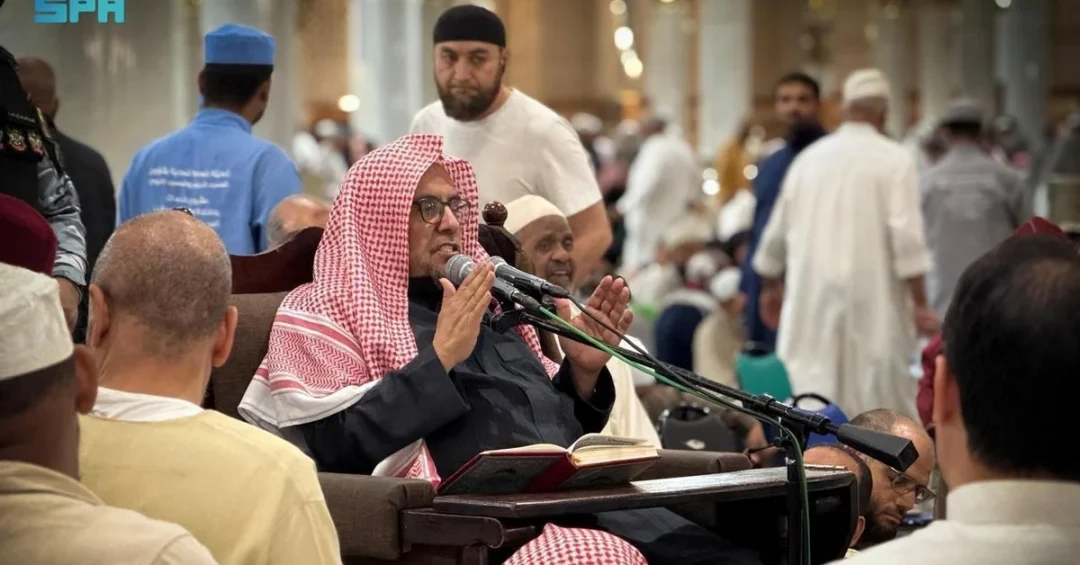
The Presidency of Religious Affairs at the Grand Mosque and the Prophet’s Mosque has intensified its enrichment programs for the final Friday of Ramadan 1446 AH, aiming to elevate the spiritual experience of the millions of Umrah performers and visitors expected at the two holiest sites in Islam. Announced through official Saudi channels, the initiative reflects the Kingdom’s enduring commitment to serving pilgrims and worshippers during the most sacred period of the Islamic calendar.
As Ramadan enters its final ten days, the Grand Mosque in Makkah and the Prophet’s Mosque in Madinah are witnessing an unprecedented influx of worshippers from across the globe. The Presidency, led by Sheikh Dr. Abdulrahman Al-Sudais, has mobilized its full operational and spiritual resources to ensure that every visitor can perform their rituals with comfort, safety, and deep spiritual fulfillment. The programs include expanded religious lessons, multilingual guidance, and round-the-clock coordination with partner agencies to manage the anticipated crowds. This year’s final Friday, known as Jumu’at al-Wada, carries special significance as it coincides with the last days of Ramadan, a time of heightened devotion and reflection for Muslims worldwide.
What Makes the Final Friday of Ramadan So Significant for Worshippers?
The final Friday of Ramadan, often referred to as the Farewell Friday, holds a unique place in the hearts of Muslims. It marks the last congregational prayer of the holy month at the two holy mosques, drawing pilgrims who wish to complete their spiritual journey with a profound sense of closure and gratitude. According to official Saudi sources, the Presidency of Religious Affairs has designed this year’s programs to emphasize the virtues of Friday, the importance of supplication, and the spirit of unity that defines the Umrah experience.
The Presidency has scheduled a series of religious lessons and sermons delivered by senior scholars. Sheikh Dr. Yasser Al-Dossari will deliver the Friday sermon at the Grand Mosque, while Sheikh Dr. Ali Al-Hudhaifi will deliver the sermon at the Prophet’s Mosque. These sermons are expected to focus on the themes of mercy, forgiveness, and the importance of maintaining the spiritual gains of Ramadan beyond the holy month. The Presidency has also arranged for the distribution of educational materials in multiple languages, ensuring that non-Arabic-speaking pilgrims can fully engage with the religious content.
Sheikh Dr. Al-Sudais urged all officials to intensify their efforts to accommodate the crowds, implement detailed operational plans, and create an atmosphere that is both safe and spiritually enriching. He emphasized the Presidency’s commitment to overseeing these enrichment programs around the clock, in collaboration with partners and religious authorities, to deepen the understanding and observance of Friday’s virtues. This directive underscores the leadership’s hands-on approach to ensuring that the pilgrimage experience remains seamless and deeply moving for every visitor.
How Are the Two Holy Mosques Preparing for Millions of Worshippers?
Preparations for the final Friday of Ramadan involve a massive logistical operation that spans crowd management, health services, transportation, and sanitation. The General Presidency for the Affairs of the Grand Mosque and the Prophet’s Mosque has coordinated with the Ministry of Hajj and Umrah, the Ministry of Interior, and the Saudi Red Crescent Authority to deploy thousands of personnel across the two sites. Temporary prayer areas have been expanded, and additional entry and exit gates have been opened to facilitate smooth movement.
Advanced technology is playing a central role in these preparations. Smart systems for crowd monitoring, real-time translation of sermons, and digital guides for ritual performance are being utilized to enhance the worshipper experience. The Presidency has also increased the number of water stations, rest areas, and medical clinics. Electric carts and shuttle services are available to assist the elderly and those with disabilities, ensuring that the holy sites are accessible to all. These measures reflect the Kingdom’s broader strategy to integrate innovation into pilgrimage services, a key pillar of Vision 2030.
Furthermore, the Presidency has launched a dedicated awareness campaign to educate pilgrims about the proper etiquette of visiting the holy mosques, the importance of maintaining cleanliness, and the protocols for performing Umrah during peak times. Volunteers from various Saudi universities and community organizations have been trained to assist visitors, providing guidance in multiple languages. This combination of high-tech infrastructure and human compassion is designed to make the final Friday a memorable and spiritually uplifting experience for everyone present.
What Role Do Senior Scholars Play in Enriching the Pilgrimage Experience?
The involvement of senior scholars such as Sheikh Dr. Yasser Al-Dossari and Sheikh Dr. Ali Al-Hudhaifi is a cornerstone of the Presidency’s enrichment programs. Their sermons and lessons are not merely ritualistic; they are carefully crafted to address the contemporary spiritual needs of Muslims. This year, the sermons are expected to highlight the importance of repentance, the power of prayer, and the need for Muslims to remain steadfast in their faith after Ramadan.
Sheikh Dr. Al-Dossari, known for his eloquent and deeply moving delivery, will address the congregation at the Grand Mosque. His sermon is anticipated to focus on the significance of the final Friday as a day of acceptance and forgiveness. Similarly, Sheikh Dr. Al-Hudhaifi at the Prophet’s Mosque will speak on the life of Prophet Muhammad (peace be upon him) and the lessons that Muslims can draw from his final days. These sermons are broadcast live to millions around the world, extending their reach far beyond the physical confines of the mosques.
The Presidency has also organized a series of pre-sermon lectures and study circles led by renowned scholars. These sessions cover topics such as the jurisprudence of fasting, the spiritual dimensions of charity, and the importance of family ties. By providing these educational opportunities, the Presidency ensures that pilgrims return home with a deeper understanding of their religion and a renewed commitment to its values. The scholars also engage with pilgrims directly, answering questions and offering guidance, thereby fostering a sense of personal connection and care.
How Does This Reflect Saudi Arabia’s Broader Commitment to Pilgrim Service?
Saudi Arabia has long considered the service of the Two Holy Mosques and their visitors a sacred duty and a source of national pride. The Kingdom’s leadership, under the guidance of Custodian of the Two Holy Mosques King Salman bin Abdulaziz Al Saud and His Royal Highness Crown Prince Mohammed bin Salman, has consistently invested in expanding the capacity and enhancing the quality of services at the holy sites. The current programs for the final Friday of Ramadan are a testament to this unwavering commitment.
Over the past decade, the Kingdom has undertaken massive expansion projects at both mosques, including the King Abdulaziz Gate, the King Fahd Gate, and the new expansions at the Prophet’s Mosque. These projects have significantly increased the mosques’ capacity to accommodate millions of worshippers simultaneously. In addition, the introduction of the Umrah Plus visa and the expansion of the Haramain High-Speed Railway have made it easier for pilgrims to travel between Makkah and Madinah, further enriching their spiritual journey.
The Presidency’s efforts are also aligned with the goals of Saudi Vision 2030, which seeks to enhance the quality of life for citizens and visitors alike. By leveraging technology, improving infrastructure, and promoting cultural and religious understanding, the Kingdom is positioning itself as a global leader in pilgrimage management. The successful execution of these programs during the final Friday of Ramadan will further solidify Saudi Arabia’s reputation as a gracious host and a guardian of Islam’s holiest sites.
What Economic and Strategic Impact Do These Programs Have?
The influx of millions of pilgrims during Ramadan, particularly in the final days, has a significant economic impact on the Kingdom. The hospitality, transportation, retail, and food sectors all experience a surge in activity, creating jobs and stimulating local economies in Makkah, Madinah, and Jeddah. The government’s investment in infrastructure and services ensures that this economic activity is sustainable and benefits a wide cross-section of Saudi society.
Strategically, the successful management of the Ramadan season reinforces Saudi Arabia’s role as the heart of the Islamic world. It demonstrates the Kingdom’s ability to handle large-scale events with efficiency and care, which in turn enhances its soft power and diplomatic influence. By providing a safe and spiritually enriching environment, Saudi Arabia strengthens the bonds of faith that connect millions of Muslims to the holy sites, and by extension, to the Kingdom itself.
Moreover, the Presidency’s focus on enrichment programs goes beyond logistics. It is about nurturing the soul and fostering a sense of community among pilgrims from diverse backgrounds. This holistic approach not only satisfies the immediate needs of worshippers but also contributes to the long-term goal of promoting moderation, tolerance, and mutual respect. As the final Friday approaches, the world watches as Saudi Arabia once again rises to the occasion, embodying the values of service, devotion, and excellence.
Vision 2030 Alignment
The Presidency of Religious Affairs’ intensified programs for the final Friday of Ramadan exemplify the core objectives of Saudi Vision 2030. By enhancing the pilgrimage experience through innovation, infrastructure, and compassionate service, the Kingdom is not only fulfilling its religious duty but also driving economic diversification and global engagement. The integration of smart technology and multilingual support reflects the Vision’s emphasis on digital transformation and quality of life improvements.
Furthermore, these initiatives showcase Saudi Arabia’s commitment to hosting the largest possible number of Umrah performers and visitors, a key target under Vision 2030. The Kingdom aims to welcome 30 million pilgrims annually by 2030, and the successful management of peak seasons like the final Friday of Ramadan is crucial to achieving this goal. Through meticulous planning and execution, Saudi Arabia continues to demonstrate that it is not only the custodian of Islam’s holiest sites but also a forward-looking nation dedicated to serving humanity with excellence and devotion.
20 Questions
Q1. What is the significance of the final Friday of Ramadan at the Two Holy Mosques?
A1. The final Friday of Ramadan, known as Jumu’at al-Wada, is considered the last congregational prayer of the holy month. It holds deep spiritual significance for Muslims, who seek forgiveness and closure. Millions of pilgrims gather at the Grand Mosque and the Prophet’s Mosque to participate in this blessed occasion.
Q2. Who is leading the enrichment programs at the Two Holy Mosques?
A2. The Presidency of Religious Affairs, led by Sheikh Dr. Abdulrahman Al-Sudais, is spearheading the enrichment programs. Sheikh Dr. Al-Sudais has urged officials to intensify efforts to accommodate crowds and ensure a safe, spiritually enriching atmosphere for all worshippers during the final Friday.
Q3. Which scholars will deliver the Friday sermons this year?
A3. Sheikh Dr. Yasser Al-Dossari will deliver the Friday sermon at the Grand Mosque in Makkah. Sheikh Dr. Ali Al-Hudhaifi will deliver the sermon at the Prophet’s Mosque in Madinah. Both are renowned for their eloquence and deep knowledge.
Q4. What types of programs are included in the enrichment initiative?
A4. The programs include religious lessons, multilingual guidance, pre-sermon lectures, study circles, and the distribution of educational materials. They are designed to deepen understanding of Friday’s virtues and enhance the spiritual experience of pilgrims through round-the-clock coordination with partner agencies.
Q5. How is Saudi Arabia managing the large crowds expected at the mosques?
A5. Saudi authorities have implemented detailed operational plans, including expanded prayer areas, additional gates, smart crowd monitoring systems, and thousands of trained personnel. Coordination with the Ministry of Hajj and Umrah, Ministry of Interior, and Saudi Red Crescent ensures safety and smooth movement.
Q6. What technological tools are being used to assist pilgrims?
A6. The Presidency is using smart systems for crowd monitoring, real-time translation of sermons, and digital guides for rituals. Electric carts and shuttle services assist the elderly and disabled. These technologies reflect Saudi Arabia’s commitment to innovation in pilgrimage services under Vision 2030.
Q7. How does this initiative reflect Saudi Vision 2030?
A7. The initiative aligns with Vision 2030 by enhancing the quality of life for visitors, promoting digital transformation, and supporting the goal of welcoming 30 million pilgrims annually by 2030. It showcases the Kingdom’s dedication to excellent service and global engagement.
Q8. What economic benefits do these programs bring to Saudi Arabia?
A8. The influx of pilgrims boosts the hospitality, transportation, retail, and food sectors, creating jobs and stimulating local economies in Makkah, Madinah, and Jeddah. Sustainable investment in infrastructure ensures long-term economic benefits for the Kingdom.
Q9. How are non-Arabic-speaking pilgrims accommodated?
A9. The Presidency provides multilingual educational materials, real-time translation of sermons, and volunteer guides who speak various languages. This ensures that all pilgrims, regardless of their origin, can fully engage with the religious content and perform their rituals comfortably.
Q10. What safety measures are in place for the final Friday?
A10. Safety measures include expanded entry and exit gates, medical clinics, water stations, rest areas, and a dedicated awareness campaign. Volunteers and security personnel are deployed across the sites to assist pilgrims and maintain order throughout the day.
Q11. How does the Presidency ensure the spiritual enrichment of pilgrims?
A11. Through carefully crafted sermons, lectures, and study circles led by senior scholars. These sessions cover topics like repentance, charity, and family ties. The Presidency also fosters personal connections by allowing scholars to engage directly with pilgrims and answer their questions.
Q12. What is the role of Sheikh Dr. Abdulrahman Al-Sudais in these preparations?
A12. As President of the Presidency of Religious Affairs, Sheikh Dr. Al-Sudais oversees all programs and urges officials to intensify efforts. He emphasizes round-the-clock commitment to serving pilgrims and deepening their understanding of Friday’s virtues in collaboration with religious authorities.
Q13. How has Saudi Arabia expanded the capacity of the Two Holy Mosques?
A13. Massive expansion projects, including the King Abdulaziz Gate, King Fahd Gate, and new expansions at the Prophet’s Mosque, have significantly increased capacity. These projects allow millions of worshippers to pray simultaneously and reflect the Kingdom’s dedication to serving pilgrims.
Q14. What is the significance of the sermons delivered on the final Friday?
A14. The sermons focus on themes of mercy, forgiveness, and maintaining spiritual gains after Ramadan. They are broadcast live to millions worldwide, extending their reach. They provide guidance and inspiration to pilgrims and Muslims globally, reinforcing the message of moderation and tolerance.
Q15. How does the Haramain High-Speed Railway support pilgrims?
A15. The Haramain High-Speed Railway connects Makkah and Madinah, offering fast and comfortable travel for pilgrims. It reduces travel time and enhances the overall pilgrimage experience, making it easier for visitors to perform Umrah and visit the Prophet’s Mosque.
Q16. What is the Umrah Plus visa, and how does it help pilgrims?
A16. The Umrah Plus visa allows pilgrims to perform Umrah and also visit other historical and cultural sites in Saudi Arabia. It enriches the spiritual journey by providing opportunities to explore the Kingdom’s heritage and contributes to the tourism sector’s growth.
Q17. How do volunteers contribute to the success of these programs?
A17. Volunteers from Saudi universities and community organizations are trained to assist visitors, provide guidance in multiple languages, and help maintain cleanliness. Their dedication reflects the spirit of community service and enhances the welcoming atmosphere at the holy sites.
Q18. What awareness campaigns are being conducted for pilgrims?
A18. The Presidency has launched campaigns to educate pilgrims about proper etiquette, cleanliness, and protocols for performing Umrah during peak times. These campaigns use various media to reach a wide audience and ensure a respectful and orderly environment.
Q19. How does the final Friday of Ramadan impact Saudi Arabia’s global standing?
A19. The successful management of the final Friday reinforces Saudi Arabia’s role as the heart of the Islamic world. It demonstrates the Kingdom’s ability to handle large-scale events with efficiency, enhancing its soft power and diplomatic influence globally.
Q20. What long-term goals does Saudi Arabia aim to achieve through these initiatives?
A20. Saudi Arabia aims to welcome 30 million pilgrims annually by 2030, enhance the quality of life for visitors, and promote moderation and tolerance. These initiatives support Vision 2030’s objectives of economic diversification, global engagement, and excellent service to humanity.
Reader Feedback
We value your thoughts. Please share your feedback on this article.
Your feedback helps us improve our coverage.