


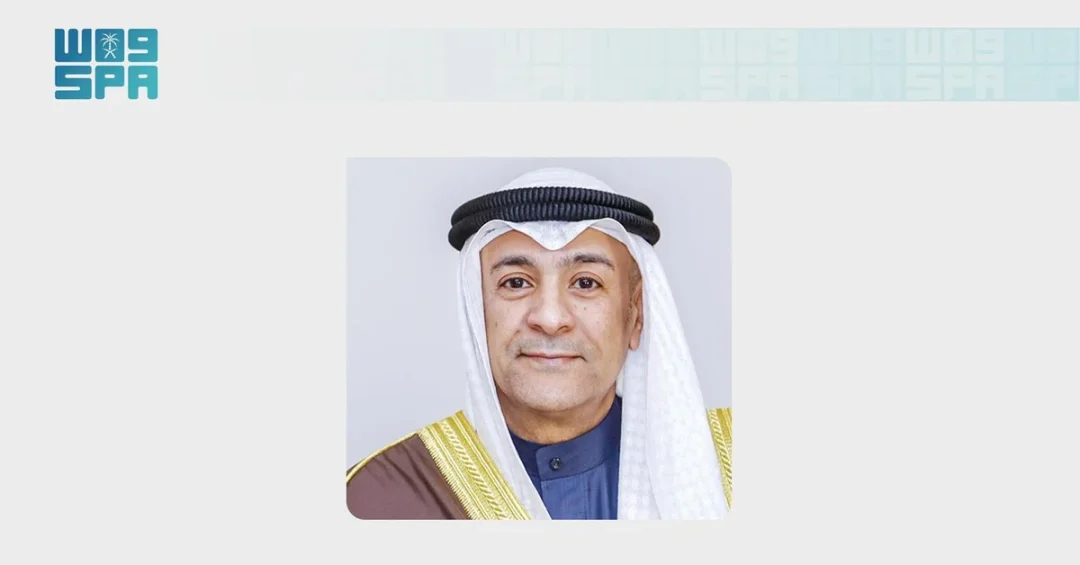
The Secretary-General of the Gulf Cooperation Council (GCC), Jasem Albudaiwi, and the Secretary-General of the World Customs Organization (WCO), Ian Saunders, signed an addendum to their memorandum of understanding (MoU) in Brussels on October 17, 2026, an agreement that formally designates the GCC Customs Union Authority as the body responsible for all cooperation, representation, communication, and coordination with the WCO. The signing, reported by the Saudi Press Agency (SPA), builds on the original MoU concluded on December 15, 2017, and reflects the institutional evolution of the GCC’s customs framework as the Customs Union Authority assumes its full competencies within the GCC General Secretariat, a development that strengthens the bloc’s ability to act as a unified customs entity on the world stage.
For an international audience, the development matters because customs cooperation sits at the intersection of trade facilitation, border security, and economic integration. The GCC, which includes the Kingdom of Saudi Arabia alongside Bahrain, Kuwait, Oman, Qatar, and the United Arab Emirates, represents one of the world’s most dynamic trade regions, and its partnership with the WCO, the global body that sets standards for customs administrations, gives member states a stronger voice in shaping international customs norms. The addendum ensures that a single, clearly mandated authority speaks for the customs union in its dealings with the WCO, reducing ambiguity and enabling faster, more coherent engagement on technical assistance, capacity building, and the exchange of expertise that supports the modernization goals of member states, including Saudi Arabia’s Vision 2030 trade and logistics ambitions.
Context and Background
What does it take to turn a regional customs union from a legal aspiration into an operational reality? The GCC Customs Union has long been a cornerstone of the bloc’s economic integration agenda, designed to create a single customs territory with unified tariffs and streamlined procedures for goods moving across member state borders. The original MoU with the WCO, signed on December 15, 2017, established a general framework for cooperation between the GCC General Secretariat and the Brussels-based organization, covering areas such as technical assistance, training, and the harmonization of customs practices with international standards. Since then, the GCC’s institutional architecture has matured, and the Customs Union Authority has begun exercising its competencies and responsibilities regarding customs union affairs as one of the operational bodies within the GCC General Secretariat.
That institutional shift created a practical question: which entity within the GCC system should carry the mandate for cooperation, representation, communication, and coordination with the WCO? The addendum answers that question directly. Its first article stipulates that the GCC Customs Union Authority shall be the designated entity responsible for all matters concerning cooperation, representation, communication, coordination, and all other issues relevant to the implementation of the MoU. In effect, the addendum updates the 2017 framework to match the GCC’s current operating structure, ensuring that the WCO has a single, authoritative counterpart for customs matters and that the GCC speaks with one voice in international customs forums.
Customs cooperation is not a peripheral technical matter. It shapes how quickly goods cross borders, how efficiently supply chains operate, and how effectively authorities combat illicit trade, counterfeit products, and smuggling. For GCC member states, whose economies are deeply connected to global trade flows, the quality of customs administration has direct consequences for competitiveness, investment attractiveness, and consumer safety. By formalizing the role of the Customs Union Authority, the addendum positions the GCC to pursue these objectives with greater clarity and institutional weight.
Key Details
What exactly did the two secretaries-general agree in Brussels? According to the Saudi Press Agency, the addendum was signed by Jasem Albudaiwi, Secretary-General of the Gulf Cooperation Council, and Ian Saunders, Secretary-General of the World Customs Organization, during a ceremony in the Belgian capital. The agreement explicitly builds upon the MoU signed previously on December 15, 2017, and takes into account the GCC Customs Union Authority commencing its competencies and responsibilities regarding customs union affairs as one of the operational bodies within the institutional framework of the GCC General Secretariat.
The first article of the addendum is the operative provision: the GCC Customs Union Authority shall be the designated entity responsible for all matters concerning cooperation, representation, communication, coordination, and all other issues relevant to the implementation of the MoU. This language is comprehensive by design, covering not only day-to-day cooperation but also representation of the GCC in its relationship with the WCO and coordination of positions and activities among member states. It removes any uncertainty about institutional roles and creates a clear channel for the WCO to engage with the GCC on customs matters.
On the sidelines of the signing ceremony, a bilateral meeting was held during which several topics of mutual interest were reviewed and discussed. These foremost included exploring prospects for customs cooperation between the two sides, ways to boost coordination mechanisms and exchange expertise, contributing to backing the efforts of GCC member states in developing their customs systems and enhancing GCC customs integration, and serving the shared interests of both sides. The meeting underscores that the addendum is not merely a bureaucratic formality but part of a broader conversation about how the GCC and the WCO can work together on concrete improvements to customs operations.
International and Regional Impact
Why should the international trading community pay attention to an addendum signed in Brussels? The World Customs Organization is the global standard-setter for customs procedures, valuation, classification, and supply chain security, and its conventions and tools influence how goods move across virtually every border on earth. When a regional bloc like the GCC designates a single authority to represent its customs union in dealings with the WCO, it strengthens the bloc’s ability to participate in shaping those standards and to adopt them consistently across member states. For international businesses trading with the Gulf, that consistency translates into greater predictability, simpler compliance, and faster clearance times.
Regionally, the addendum reinforces the GCC’s customs integration agenda at a time when trade facilitation is a priority across the Middle East. Enhanced GCC customs integration means more uniform procedures at ports, airports, and land crossings, which in turn supports the region’s ambitions to become a global logistics hub connecting Asia, Europe, and Africa. The bilateral meeting’s focus on exchanging expertise and boosting coordination mechanisms signals that both sides see the relationship as a two-way street: the GCC gains access to WCO technical knowledge, while the WCO benefits from a structured partnership with a major trading region. For Saudi Arabia, which hosts key GCC institutions and plays a leading role in the bloc, this alignment supports the Kingdom’s own efforts to modernize border procedures and expand non-oil trade.
Economic and Strategic Significance
How does customs cooperation translate into economic value? Efficient customs administration reduces the cost and time of moving goods, which lowers prices for consumers, improves the competitiveness of exporters, and makes a region more attractive to foreign investment. The GCC’s customs union is central to its economic integration strategy, and the addendum ensures that the union’s external engagement with the WCO is handled by the entity best equipped to do so. By backing member states’ efforts to develop their customs systems, the partnership supports the broader goal of diversifying Gulf economies away from hydrocarbons and toward trade, logistics, manufacturing, and services.
Strategically, the addendum reflects the GCC’s growing institutional maturity. The Customs Union Authority’s emergence as an operational body within the GCC General Secretariat is a sign that the bloc is moving from coordination to implementation in customs affairs. Designating that authority as the WCO counterpart gives the GCC a clearer identity in international customs discussions and allows it to present consolidated positions rather than fragmented national ones. This matters in a global trading environment where standards are increasingly set through multilateral bodies, and where regions that speak with one voice tend to have greater influence. The bilateral meeting’s emphasis on shared interests suggests both organizations view the relationship as mutually reinforcing, with the GCC contributing regional perspectives and the WCO providing global expertise.
Vision 2030 Alignment
How does a customs addendum connect to Saudi Arabia’s long-term transformation? Vision 2030 aims to diversify the Kingdom’s economy, expand non-oil exports, and establish Saudi Arabia as a global logistics and trade hub linking three continents. Customs efficiency is a foundational enabler of those goals: Saudi ports, airports, and land crossings must move goods quickly and reliably to compete with alternative routes. The GCC Customs Union Authority’s strengthened mandate with the WCO supports the harmonization of procedures across the Gulf, which reduces friction for Saudi exporters and importers operating regionally and internationally. It also aligns with the Kingdom’s broader push to adopt international best practices in trade facilitation, border security, and digital customs systems.
Looking ahead, the addendum positions the GCC and its member states to deepen cooperation with the WCO on training, technical assistance, and the exchange of expertise, all of which contribute to building institutional capacity. For Saudi Arabia, this is part of a wider pattern of international engagement that supports Vision 2030: partnerships with global organizations that bring knowledge, standards, and credibility to the Kingdom’s modernization efforts. As the GCC Customs Union Authority takes on its designated role, the coming period will likely see more structured collaboration between the Gulf and the WCO, with benefits that extend from government administrations to businesses and consumers across the region. The signing in Brussels is a small procedural step with large strategic meaning, reinforcing the GCC’s place in the global trading system and Saudi Arabia’s leadership within it.
20 Questions
Q1. What was signed in Brussels on October 17, 2026?
A1. An addendum to the memorandum of understanding between the Gulf Cooperation Council and the World Customs Organization was signed in Brussels, updating their 2017 cooperation framework.
Q2. Who signed the addendum on behalf of the two organizations?
A2. GCC Secretary-General Jasem Albudaiwi and WCO Secretary-General Ian Saunders signed the addendum during a ceremony in Brussels, as reported by the Saudi Press Agency.
Q3. What was the original MoU that this addendum builds upon?
A3. The original memorandum of understanding between the GCC and the WCO was signed on December 15, 2017, establishing a general framework for customs cooperation between the two sides.
Q4. Which entity does the addendum designate as responsible for cooperation with the WCO?
A4. The addendum designates the GCC Customs Union Authority as the entity responsible for all matters concerning cooperation, representation, communication, coordination, and implementation of the MoU.
Q5. Why was the addendum necessary?
A5. It was needed because the GCC Customs Union Authority began exercising its competencies and responsibilities as an operational body within the GCC General Secretariat, requiring an update to reflect current institutional roles.
Q6. What does the first article of the addendum stipulate?
A6. The first article states that the GCC Customs Union Authority shall be the designated entity for all cooperation, representation, communication, coordination, and other issues relevant to implementing the MoU.
Q7. What is the World Customs Organization?
A7. The WCO is an independent intergovernmental body based in Brussels that sets international standards for customs procedures, trade facilitation, and supply chain security across its member states.
Q8. What is the GCC Customs Union Authority?
A8. It is an operational body within the GCC General Secretariat responsible for customs union affairs, now designated as the primary counterpart for the World Customs Organization.
Q9. What topics were discussed at the bilateral meeting on the sidelines?
A9. The meeting covered prospects for customs cooperation, boosting coordination mechanisms, exchanging expertise, supporting GCC member states in developing customs systems, and enhancing GCC customs integration.
Q10. How does this addendum benefit GCC member states?
A10. It provides a clearer institutional channel for cooperation with the WCO, supporting efforts to modernize customs systems, harmonize procedures, and enhance regional customs integration across member states.
Q11. How does the addendum affect international businesses trading with the Gulf?
A11. It supports more consistent customs standards and procedures across GCC states, which can lead to greater predictability, simpler compliance, and faster clearance times for international traders.
Q12. What is the significance of the GCC speaking with one voice at the WCO?
A12. A single designated authority allows the GCC to present consolidated positions in international customs discussions, increasing the bloc’s influence in shaping global standards and practices.
Q13. How does customs cooperation relate to Saudi Arabia’s Vision 2030?
A13. Vision 2030 seeks to diversify the economy and establish Saudi Arabia as a global logistics hub; efficient customs procedures and international cooperation directly support trade facilitation and non-oil export growth.
Q14. What role does Saudi Arabia play in the GCC customs framework?
A14. Saudi Arabia is a founding and leading GCC member, hosts key institutions, and actively supports regional customs integration as part of its broader economic modernization and trade expansion goals.
Q15. What does “customs integration” mean in practice?
A15. It means member states apply unified tariffs and harmonized procedures at borders, allowing goods to move more smoothly across the customs union with fewer administrative barriers and delays.
Q16. Why is customs efficiency important for economic diversification?
A16. Faster, more predictable customs reduces trade costs, improves export competitiveness, and makes a region more attractive to investment, all of which support diversification away from oil dependence.
Q17. What kind of expertise might be exchanged under this partnership?
A17. Areas could include risk management, digital customs systems, valuation and classification standards, trade facilitation, capacity building, and training for customs officials across GCC member states.
Q18. Does the addendum replace the 2017 MoU?
A18. No, it builds upon the 2017 MoU and updates it to reflect the GCC Customs Union Authority’s current role, rather than replacing the original agreement entirely.
Q19. How does the WCO benefit from this partnership?
A19. The WCO gains a structured relationship with a major trading region, access to regional perspectives, and a partner committed to implementing international customs standards and best practices.
Q20. What are the likely next steps after the signing?
A20. The GCC Customs Union Authority is expected to take forward cooperation with the WCO, including technical assistance, training, and coordination activities that support member states’ customs development and integration goals.
Reader Feedback
We value your thoughts. Please share your feedback on this article.
Your feedback helps us improve our coverage.