


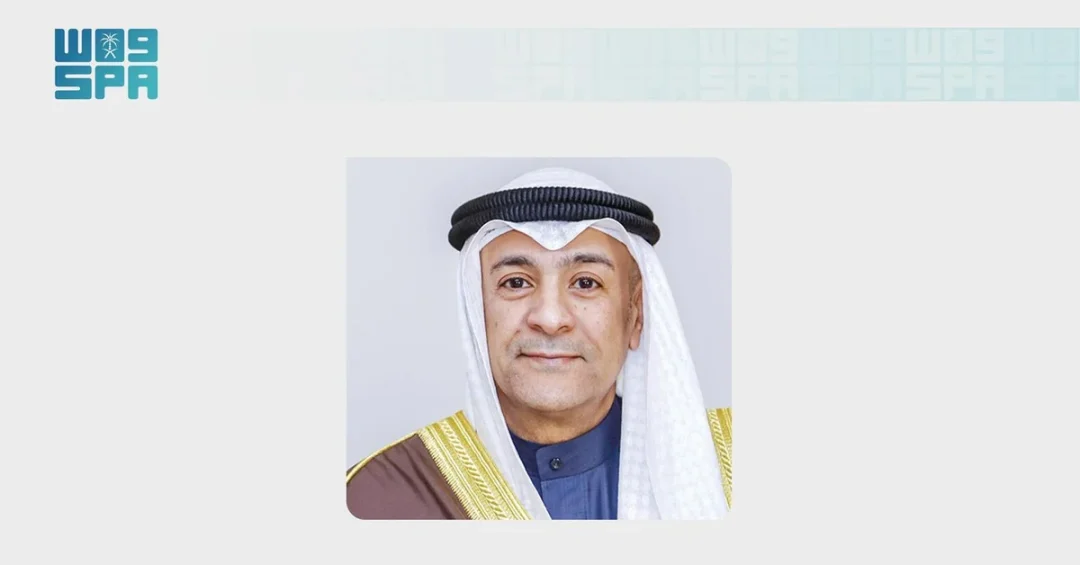
The Gulf Cooperation Council will convene its 168th Ministerial Council meeting in Manama, the Kingdom of Bahrain, on October 18, 2026, under the chairmanship of Bahraini Minister of Foreign Affairs Dr. Abdullatif bin Rashid Al Zayani, with the 9th Joint Ministerial Meeting of the Strategic Dialogue between the GCC and the Russian Federation held on its sidelines, according to an announcement by GCC Secretary-General Jasem Albudaiwi released via the Saudi Press Agency. The dual gathering brings together the foreign ministers of the six GCC member states — Saudi Arabia, the United Arab Emirates, Bahrain, Kuwait, Oman, and Qatar — alongside their Russian counterpart, in a format that has become a cornerstone of the Council’s expanding international engagement.
Announced from Riyadh on October 17, 2026, the meeting reflects the steady institutional rhythm of Gulf diplomacy and the directives of GCC leaders to consolidate ties with countries and regional blocs worldwide. For observers of Middle East affairs, the agenda carries significance beyond ceremony: it signals continuity in joint Gulf action at a time of shifting regional alignments, and it underscores the Council’s determination to act as a collective diplomatic actor rather than a collection of individual states. The presence of Russia’s foreign minister at the same venue adds a further layer of geopolitical weight to proceedings that will be watched closely from Washington to Beijing.
Context and Background
What does it mean for six sovereign states to coordinate their foreign policies under a single institutional roof? The GCC Ministerial Council, established under the Council’s founding charter in 1981, serves as the principal forum where member states align positions on political, economic, and security matters before they reach the Supreme Council of heads of state. The 168th session is therefore not an isolated event but the latest installment in more than four decades of structured consultation. Each session builds on the last, refining common positions and translating broad principles into actionable cooperation.
Bahrain’s chairmanship of the current session places Manama at the center of Gulf diplomacy for this cycle. Dr. Abdullatif bin Rashid Al Zayani, who serves both as the Kingdom of Bahrain’s Minister of Foreign Affairs and as chairman of the current ministerial session, will guide discussions that span the full breadth of the Council’s remit. The choice of Manama as host city also carries symbolic resonance: Bahrain has long been a bridge between the Gulf and the wider world, and its role in hosting both the ministerial session and the Russia dialogue reflects that tradition of openness and engagement.
The GCC-Russia Strategic Dialogue, meanwhile, dates back to a Memorandum of Understanding signed in November 2011. Since then, as Secretary-General Albudaiwi noted, both sides have continued to advance joint efforts to propel ties toward broader horizons. The dialogue has matured from a declaratory framework into a recurring ministerial-level channel, now in its ninth iteration, covering energy markets, trade, investment, and regional security consultations. That continuity matters: it demonstrates that the GCC’s partnerships are durable, institutional, and not dependent on any single political moment.
Key Details
What will ministers actually discuss when they sit down in Manama? According to the Secretary-General’s statement, the 168th Ministerial Council meeting will address several topics and files related to bolstering joint Gulf action, alongside a review of the latest regional and international developments. The agenda is deliberately broad, allowing ministers to respond to fast-moving events while maintaining focus on the Council’s long-term integration objectives. The meeting will also discuss several agenda items exploring avenues for advancing joint cooperation, on one hand, and exchanging views on a number of regional and international issues, on the other.
The 9th Joint Ministerial Meeting of the GCC-Russia Strategic Dialogue will follow the same dual logic. It comes within the framework of the noble directives of the GCC leaders, aimed at consolidating ties with various countries and regional blocs and building effective strategic partnerships that cement the GCC’s presence on the international stage. In practical terms, this means the Russian delegation and Gulf foreign ministers will review the state of bilateral cooperation across energy, trade, and investment, and compare notes on regional crises where both sides have stakes.
Secretary-General Jasem Albudaiwi’s announcement, carried by the Saudi Press Agency, emphasized that the meeting format reflects a deliberate strategy rather than a reactive posture. The pairing of an internal GCC session with an external strategic dialogue in a single diplomatic window is efficient and increasingly characteristic of how the Council operates. It allows ministers to harmonize their positions privately before engaging a major international partner collectively — a sequencing that strengthens the GCC’s negotiating coherence and amplifies its collective voice.
International and Regional Impact
Why does a ministerial meeting in Manama matter to capitals far beyond the Gulf? The GCC represents a combined economy of substantial weight, home to some of the world’s most significant energy reserves and sovereign investment funds. When its foreign ministers meet, decisions taken — or positions coordinated — can influence oil market expectations, investment flows, and the trajectory of regional de-escalation efforts. The presence of Russia, a permanent member of the United Nations Security Council and a major energy producer, elevates the session’s profile further. Dialogue between the Gulf and Moscow touches on questions of energy market stability, which affects consumers worldwide.
For the wider Middle East, the meeting reinforces a trend toward diversified diplomacy. The GCC’s outreach to Russia complements its established partnerships with the United States, the European Union, China, and Asian economies. This multi-alignment is not a zero-sum exercise; it is a deliberate widening of the Council’s diplomatic bandwidth. Regional neighbors and global powers alike will read the Manama meetings as evidence that the Gulf is pursuing a foreign policy of active engagement, conflict de-escalation, and economic openness — principles that have defined the Council’s recent trajectory and that align with the stability that international markets crave.
Economic and Strategic Significance
What economic outcomes can realistically be expected from a ministerial-level dialogue? While these meetings rarely produce binding commercial agreements, they set the political conditions for them. Energy cooperation sits high on the GCC-Russia agenda, given that both are major producers whose coordination — or lack of it — shapes global prices. Trade and investment facilitation also feature, with Gulf sovereign wealth funds actively seeking diversified returns and Russian markets offering long-term opportunities in infrastructure, agriculture, and technology. The strategic dialogue thus functions as a standing mechanism for identifying and removing obstacles to deeper economic ties.
For the GCC states individually and collectively, the meeting also serves a strategic signaling purpose. It demonstrates that the Council can convene, deliberate, and speak with one voice on matters of global consequence. In an era when regional organizations are often judged by their ability to act under pressure, the regularity of the ministerial sessions and the durability of the Russia dialogue are themselves evidence of institutional health. That reliability is an asset in attracting foreign investment and in positioning the Gulf as a predictable partner in a volatile world.
Vision 2030 Alignment
How does a GCC ministerial gathering in Bahrain connect to Saudi Arabia’s Vision 2030? The Vision, launched in 2016 under the leadership of Crown Prince Mohammed bin Salman, seeks to transform the Kingdom’s economy and deepen its global engagement. A strong, cohesive GCC is integral to that ambition: Saudi Arabia’s trade, investment, and security interests are inseparable from those of its Gulf partners. By supporting joint Gulf action and active strategic dialogues, the Kingdom advances the Vision’s objectives of economic diversification, international partnership, and regional stability — all prerequisites for the thriving private sector and foreign investment the Vision aims to attract.
The Manama meetings also exemplify the Vision’s emphasis on diplomacy as a tool of development. Saudi Arabia’s foreign policy under Vision 2030 prioritizes de-escalation, dialogue, and economic diplomacy, and the GCC-Russia Strategic Dialogue is a clear expression of those priorities. As the Council prepares for its 168th ministerial session and the ninth round of talks with Moscow, the message is one of continuity, confidence, and constructive engagement. For a global audience, the takeaway is straightforward: the Gulf is open for partnership, committed to stability, and steadily building the institutional architecture that will carry its interests into the coming decades.
20 Questions
Q1. What is the 168th GCC Ministerial Council meeting?
A1. It is the 168th regular gathering of the foreign ministers of the six Gulf Cooperation Council member states, held to coordinate joint Gulf action and review regional and international developments. This session takes place in Manama, Bahrain, on October 18, 2026.
Q2. Who announced the meeting?
A2. GCC Secretary-General Jasem Albudaiwi announced the meeting through the Saudi Press Agency on October 17, 2026. His statement outlined the agenda and confirmed the parallel GCC-Russia Strategic Dialogue session.
Q3. Where will the meeting be held?
A3. The meeting will be held in Manama, the capital of the Kingdom of Bahrain. Bahrain currently chairs the ministerial council session, and its foreign minister will preside over the proceedings.
Q4. Who will chair the 168th session?
A4. Bahraini Minister of Foreign Affairs Dr. Abdullatif bin Rashid Al Zayani will chair the session. He also serves as chairman of the current session of the ministerial council.
Q5. Which countries are GCC members?
A5. The GCC comprises Saudi Arabia, the United Arab Emirates, Bahrain, Kuwait, Oman, and Qatar. Their foreign ministers will attend the Manama meeting, alongside the Secretary-General.
Q6. What is the GCC-Russia Strategic Dialogue?
A6. It is a structured dialogue between the GCC and the Russian Federation, established under a Memorandum of Understanding signed in November 2011. It aims to advance cooperation across political, economic, and security fields.
Q7. When was the GCC-Russia Memorandum of Understanding signed?
A7. The Memorandum of Understanding for Strategic Dialogue was signed in November 2011. Since then, both sides have continued to advance joint efforts to broaden their ties.
Q8. Is this the first GCC-Russia joint ministerial meeting?
A8. No. This is the ninth Joint Ministerial Meeting of the Strategic Dialogue. It reflects the regular, institutionalized nature of the relationship between the GCC and Russia.
Q9. What topics will the ministerial council discuss?
A9. The council will address topics and files related to bolstering joint Gulf action. It will also review the latest regional and international developments and exchange views on issues of common concern.
Q10. What will the GCC-Russia meeting focus on?
A10. The joint meeting will discuss agenda items to explore avenues for advancing cooperation and exchange views on regional and international issues. Energy, trade, and investment are expected areas of focus.
Q11. Why is the meeting being held in Bahrain?
A11. Bahrain chairs the current session of the ministerial council, so it hosts the meeting. Manama has long served as a diplomatic hub connecting the Gulf with the wider world.
Q12. What is the role of the GCC Secretary-General?
A12. The Secretary-General leads the GCC’s General Secretariat, coordinates between member states, and represents the Council internationally. Jasem Albudaiwi currently holds this position and announced the meeting.
Q13. How does this meeting affect regional stability?
A13. By coordinating positions among Gulf states and engaging Russia, the meeting supports dialogue and de-escalation. Such consultations contribute to predictability and stability in the region.
Q14. What economic issues are at stake?
A14. Energy market coordination, trade facilitation, and investment flows are key economic issues. Both the GCC and Russia are major energy producers, making their consultations globally significant.
Q15. Does the meeting produce binding decisions?
A15. Ministerial council meetings typically coordinate positions and review developments rather than issue binding commercial agreements. They set the political groundwork for later cooperation.
Q16. How often do GCC ministerial meetings occur?
A16. The GCC Ministerial Council meets regularly, usually several times a year, to prepare for Supreme Council summits and address ongoing regional and international matters.
Q17. What is the significance of the ninth dialogue round?
A17. The ninth round demonstrates the durability of GCC-Russia relations. It shows the dialogue has become a recurring, institutionalized channel rather than a one-time diplomatic gesture.
Q18. How does this relate to Saudi Vision 2030?
A18. Vision 2030 emphasizes economic diversification, global partnership, and regional stability. Strong GCC coordination and active diplomacy with major powers directly support these objectives.
Q19. Will the Russian foreign minister attend?
A19. The GCC-Russia Strategic Dialogue is a ministerial-level meeting, and Russia’s foreign minister is expected to participate alongside the GCC foreign ministers, continuing the established format.
Q20. What happens after the Manama meetings?
A20. Outcomes and positions will feed into the GCC’s ongoing work and preparations for future Supreme Council sessions. The dialogue with Russia will continue through its established channels.
Reader Feedback
We value your thoughts. Please share your feedback on this article.
Your feedback helps us improve our coverage.